Umbrella Programs for Retail Pharmacies and Store Chains
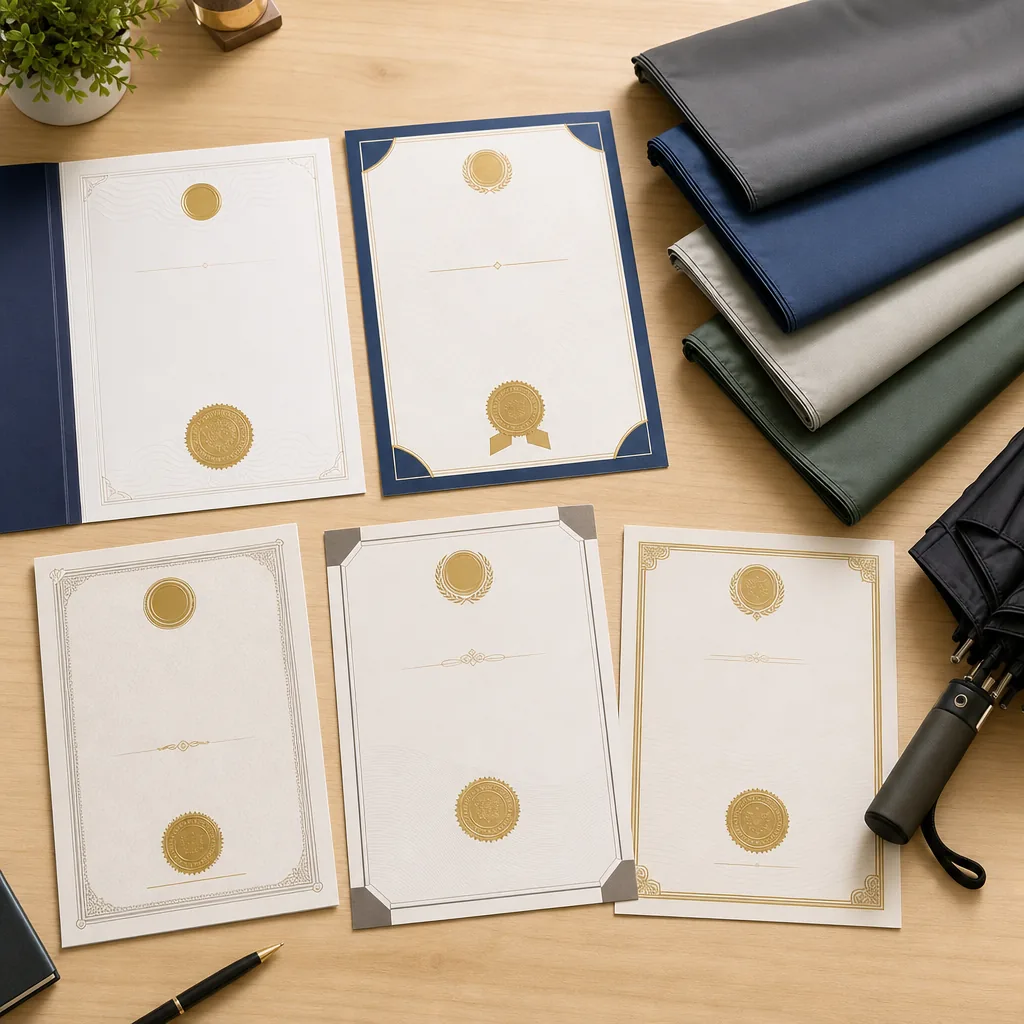
Retail chains do not need a generic umbrella SKU that looks fine in a catalog but fails at the entrance, in the rain rack, or across a 300-store replenishment cycle. For pharmacy programs, the real work is balancing opening feel, canopy coverage, logo placement, carton counts, and replacement consistency—exactly where well-built retail pharmacy branded umbrellas are won or lost on the factory floor.
Use Cases Across Pharmacy and Convenience Formats
Rainy-day impulse sales work when retail pharmacy branded umbrellas are stocked as a seasonal front-end SKU, not a souvenir item. For national chains, the safest opening price point is usually a 21-inch or 23-inch compact auto-open umbrella built with a 190T pongee canopy and 8K frame. That spec keeps unit cost low enough for checkout placement while avoiding the flimsy feel that drives returns. If parking-lot wind is a known problem, upgrade from all-steel ribs to fiberglass end ribs and move to a 210T canopy; that combination improves inversion resistance in sudden gusts without jumping to a premium construction. Keep decoration simple—typically 1-color screen printing on 1 or 2 panels—to protect margin. A practical pharmacy chain umbrella program usually carries two impulse tiers: an entry manual-fold model and a mid-tier compact auto-open umbrella, with both approved only after AQL 2.5 umbrella inspection for opening force, stitch density, canopy centering, and print registration before shipment.
Loyalty redemption, sidewalk pickup, and staff escort use need separate specs because the wear cycle and buyer expectations are different. For points redemption or gift-with-purchase, a 23-inch auto-open or auto-open-close folding umbrella in 210T pongee, with a rubberized handle and full-panel graphics by heat transfer or sublimation, reads as a reward instead of a low-cost add-on. A UPF 50+ branded umbrella often performs better in this tier because it covers both rain and sun, which increases retention and repeat brand exposure. For curbside handoff and escort use, move up to a 27-inch or 30-inch straight umbrella with auto-open, 8K or 16K ribs, and double-canopy venting where coastal or parking-lot winds are common; fiberglass shafts or full fiberglass rib sets hold up better than all-steel frames under repeated daily opening cycles and 50+ mph gusts. National chains often need three price tiers by format: 21-inch folders for urban stores, sturdier 27-inch straight umbrellas for suburban pickup-heavy locations, and premium vented models for pharmacy-plus-convenience formats handling both prescription and grab-and-go traffic. Regional drugstores can be more flexible on MOQ and mixed packs, but they still need disciplined carton labeling, replacement-rate tracking, and realistic 35- to 55-day lead times based on print method and FOB versus DDP terms.
Best-Selling Specs for Front-End Retail
For front-end retail, the two safest umbrella formats are still a 21-inch or 23-inch 3-fold compact and a 27-inch straight umbrella, but they solve different shelf and pricing problems. Retail pharmacy branded umbrellas in 3-fold compact form fit PDQ trays, sidekick displays, and checkout fixtures with far less depth than a straight shaft model, so they earn space in high-traffic impulse zones where every facing must turn quickly. The straight umbrella takes more room, yet it usually supports a higher ticket because shoppers can read the value from about 6 feet away: full shaft, wider canopy, and exposed frame make it look more substantial on-peg even when the FOB delta is limited. For a pharmacy chain umbrella program, that usually means the compact is the faster impulse SKU, while the straight umbrella works better as a household-backup purchase with slower unit velocity but stronger unit margin. If you are choosing between 8K and 16K, start with 8K. An 8-rib frame gives a clean canopy shape with lower weight, fewer stitching points, and fewer joints to fail in transit or use; 16K should be treated as a visual or giftable upgrade, not proof of better durability.
Frame and fabric specs decide whether the program feels reliable or turns into returns. For compact units, an 8K compact auto-open umbrella with fiberglass ribs and a steel shaft is the low-risk retail standard because it opens with one touch, avoids the extra springs and service issues of auto-open-close systems, and packs efficiently at MOQ. For straight umbrellas, auto-open usually earns its small upcharge because convenience is visible at store level and the mechanism is simpler than full open-close. If wind resistance matters, buyers should favor fiberglass end ribs over low-cost all-steel frames; an 8K straight frame with fiberglass components will usually outlast a cheap 16-rib steel frame despite aggressive 50+ mph claims. Fabric is the fastest value lever: pongee 190T is the practical baseline for hand feel, printability, and everyday abrasion resistance, while 210T adds a tighter weave, heavier hand, and better perceived value for a 27-inch straight style or UPF 50+ branded umbrella positioning. It also exposes defects more clearly, so chain orders should lock QC early and hold production to AQL 2.5 umbrella inspection standards for canopy symmetry, seam consistency, runner action, and logo placement. A low-risk assortment is simple: 190T on the compact, 210T on the straight.
Branding and Packaging for Chain Consistency
Chain consistency starts with color control, not a bigger logo. For retail pharmacy branded umbrellas, match canopy color to approved store signage and shopping-bag references under the same fluorescent retail lighting used for other in-store materials. Require strike-off approval before bulk printing, then verify color again on the actual canopy substrate, because 190T pongee, 210T pongee, and POE clear panels hold ink and show hue differently. Seasonal updates are usually lowest risk when the core brand stays fixed and only one canopy panel or the private-label sleeve changes for allergy season, summer sun, or flu campaigns. Reworking the full canopy every quarter raises setup cost, adds approval risk, and can push lead times into the 35-50 day range. Keep graphics disciplined on an 8K or 10K compact auto-open umbrella: a 1-color or 2-color logo on two opposite panels is typically the cleanest layout, and logo scale should read from about 15-20 feet without crowding rib seams or distorting across panel curves.
For warmer markets, a UPF 50+ branded umbrella lets a pharmacy chain umbrella program cover sun and rain without changing the sourcing model. Buyers typically use silver-coated or black-UV-coated pongee on 21 inch or 23 inch folding frames, but UV coatings can shift perceived color, so approve from coated production fabric rather than an uncoated swatch. Packaging should be built for store operations, not just appearance: private-label sleeves need the item name, size, opening mechanism, country of origin, care icons, and barcode-ready UPC or EAN placement with adequate quiet zone for reliable scans. If replenishment runs through mixed distribution centers, add carton-level GS1 labels and clear color-size identifiers to reduce receiving errors. For presentation, use countertop PDQ trays for front-end seasonal placement and dump-bin packs for promotions or rainy-weekend demand spikes. Finish with an AQL 2.5 umbrella inspection that checks print quality, sewing, sleeve fit, barcode readability, assortment accuracy, and carton drop performance, since a unit that looks fine can still fail at receiving or on the sales floor.
Supply Planning for Multi-Store Rollouts
Start MOQ planning with one core spec, then add regional artwork only where volume justifies another SKU. For most multi-store launches, that means a standardized 21-inch, 3-fold compact auto-open umbrella built in 190T pongee with an 8K fiberglass-and-steel frame. A pilot across 50 to 150 stores usually pencils out at 1,000 to 3,000 units per SKU; a chainwide launch across several hundred doors is typically more cost-efficient at 5,000 units or more because fabric booking, handle sourcing, and carton planning are simpler and less risky. If the brief calls for retail pharmacy branded umbrellas with UV positioning, lock that decision before samples are made. A silver undercoating or black UV layer needed for a UPF 50+ branded umbrella changes material cost, can affect print confirmation, and should be approved before artwork release. Keep the sample path formal: 3 to 5 days for artwork setup, 7 to 10 days for a pre-production sample, then about 35 to 50 days for bulk production after sign-off. Approve print color, canopy fabric, frame construction, handle, wrist strap, and carton marks before mass production, especially if orders will be split by DC or store group.
Regional assortment works best when it stays narrow and climate-led. High-rain markets such as the Pacific Northwest, the U.K., coastal Canada, or Japan can support faster turns on 23-inch stick umbrellas or durable foldables rated for 50+ mph gusts, while Sun Belt locations often move lower rain volume and respond better to UV-led positioning. A disciplined pharmacy chain umbrella program usually caps the range at two or three proven builds: a value manual-open model, a compact auto-open umbrella for everyday carry, and, if needed, a premium double-canopy windproof style for loyalty or seasonal promotions. Plan units by DC, climate band, and promotion calendar first; switch canopy materials, such as 190T pongee versus POE for a clear fashion style, only when sell-through supports the added SKU risk. Reorders should be tied to rainy-season receipts, not stockouts: spring inventory needs winter approvals, and fall rain programs should be placed before late-summer factory congestion. Many buyers trigger replenishment when high-rain regions hit a fixed weeks-of-supply threshold ahead of peak season. Split shipments by DC or store group reduce relabeling and warehouse friction, but only if the PO, pack list, carton assortments, and outer-carton marks are aligned before production. To reduce launch risk, require an AQL 2.5 umbrella inspection covering open-close cycle checks, print adhesion, rust-spot review on metal parts, and carton drop testing.
QC, Compliance, and Import Terms for Chain Buyers
Set QC terms before artwork approval, not after the PP sample. Most retail claims on retail pharmacy branded umbrellas come from frame variation, runner fit, and wet-pack damage at the distribution center, not from logo print defects. Put `AQL 2.5 umbrella inspection` directly in the PO and classify defects by severity: critical defects include sharp rib tips, exposed wire ends, missing warning labels, and mold on 190T or 210T pongee and POE/PVC canopies; major defects include auto-open misfire, off-center logo placement, cracked handles, stitch skips, and failed water repellency; minor defects include ferrule scuffs and isolated print specks. The inspection checklist should require opening and closing cycle tests, rib symmetry checks, canopy tension review, water-repellency testing, carton drop checks, and barcode scan verification. For a compact auto-open umbrella, add mechanism-cycle sampling and spring-force consistency checks, because that is usually the first failure point when batches drift. On repeat runs, lock the approved frame spec, rib material, handle mold, folded length, carton dimensions, and logo color tolerance so replenishment stock matches prior POs without store reset problems or DC rework.
Carton compliance decides whether a shipment flows through receiving or gets held. In a pharmacy chain umbrella program serving multiple DCs, every master carton should carry the exact retailer-required UPC or GTIN mapping, PO number, style and color descriptor, country of origin, carton quantity, and destination mark in the warehouse format the buyer specifies. A mismatch between the carton label and inner-pack count, or between the carton GTIN and the approved retail file, can trigger chargebacks and receiving delays even when the goods are saleable. Keep one sealed approval sample and one production record per PO so repeat orders can be checked against the original standard instead of team memory. Use FOB when the importer already manages forwarding, duty classification, and routing into several U.S. or EU distribution centers. Use DDP when landed-cost visibility matters more than a lower ex-works or FOB unit price—especially when drayage, customs clearance, peak-season surcharges, and delivery appointments can move weekly. For a UPF 50+ branded umbrella rollout, a predictable landed unit cost often protects margin better than chasing small factory-side savings, because split shipments, receiving exceptions, and retailer chargebacks usually cost more than the nominal unit-price gap.
Frequently Asked Questions
What umbrella format sells best in retail pharmacies: folding or straight?
Compact folding umbrellas usually perform better because they fit limited front-end space and match impulse-purchase behavior. Straight umbrellas can still work in larger suburban formats where entry displays have more room.
How can a pharmacy chain test an umbrella program before a full rollout?
Start with one or two SKUs in a regional pilot, using controlled packaging and store-level sell-through tracking. This lets buyers validate price points, replenishment timing, and preferred specs before committing to a chainwide MOQ.
What umbrella size works best for pharmacy front-end retail without taking too much counter space?
For most pharmacy chains, a 21 to 23 inch compact folding umbrella sells well because it fits peg hooks, baskets, or small floor bins near checkout. Closed length is typically around 11 to 13 inches, which is easier to display than full-length stick umbrellas in tighter store footprints.
How should a pharmacy chain plan replenishment for stores in different rain regions?
A practical approach is to split forecasts by climate tier and keep 15% to 25% reserve stock for in-season replenishment. Many buyers start with one master program and release inventory by region, so wet-market stores can be restocked faster without forcing the same sell-through target across every location.
What QC points matter most for a pharmacy chain umbrella program before shipment?
Beyond AQL 2.5 visual inspection, buyers usually check opening and closing function, strap stitching, handle logo finish, canopy color consistency, and carton drop resistance. For chain retail, it is common to require a pre-shipment sample approval plus random inspection on finished goods before balance payment.
Looking to Launch Your Custom Umbrella Line?
ZheBrella is a Zhejiang-based OEM/ODM umbrella manufacturer with 17 years of export experience. Free design, low MOQ from 100 pieces, windproof construction, full-color print.
Get Free Quote Now »People Also Search For
Related Articles
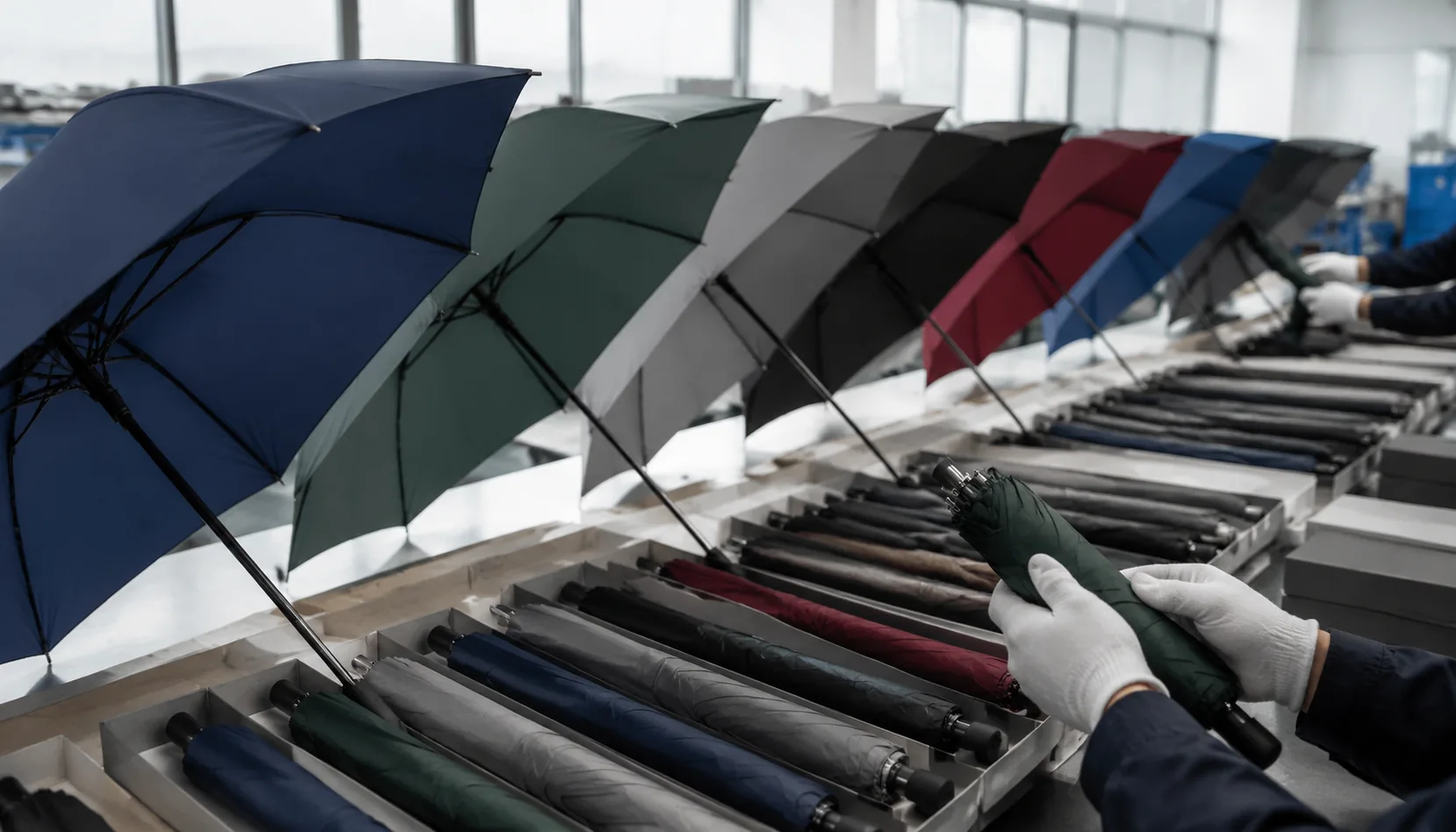
Custom Umbrella Programs for Retail Pharmacy Chains
Build pharmacy umbrella assortments for rainy-day retail, loyalty gifts, and staff use with fabric, UPF, MOQ, packaging,...
Read More »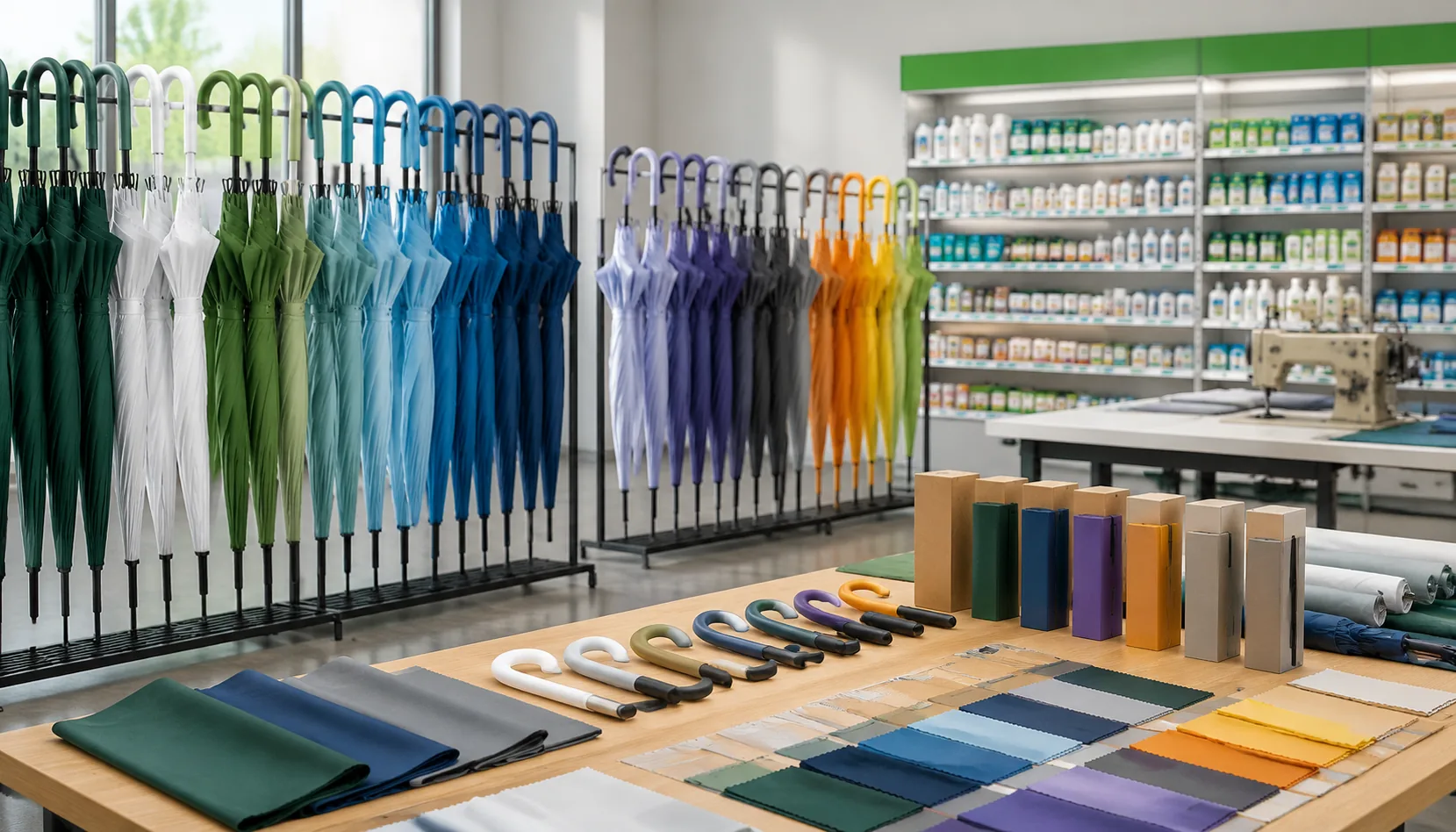
Umbrella Programs for Pharmacies and Convenience Chains
Plan pharmacy and convenience-chain umbrella assortments with practical specs, packaging, and replenishment logic for we...
Read More »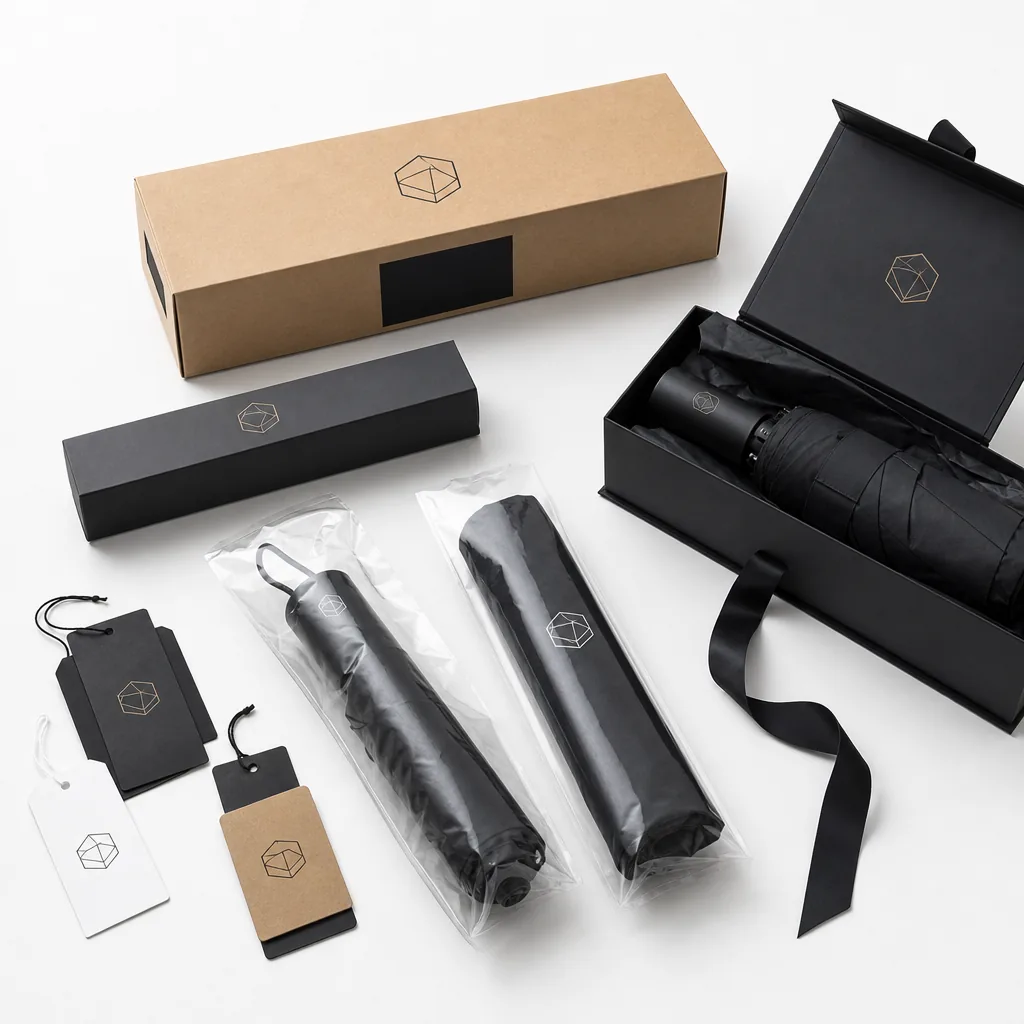
Branded Umbrellas for Telecom Field Teams and Retail Stores
Source umbrellas for telecom stores, installers, and field teams with practical specs, durable frames, QC targets, and d...
Read More »