MOQ-Friendly Kitting for Umbrella Gift and Promo Programs
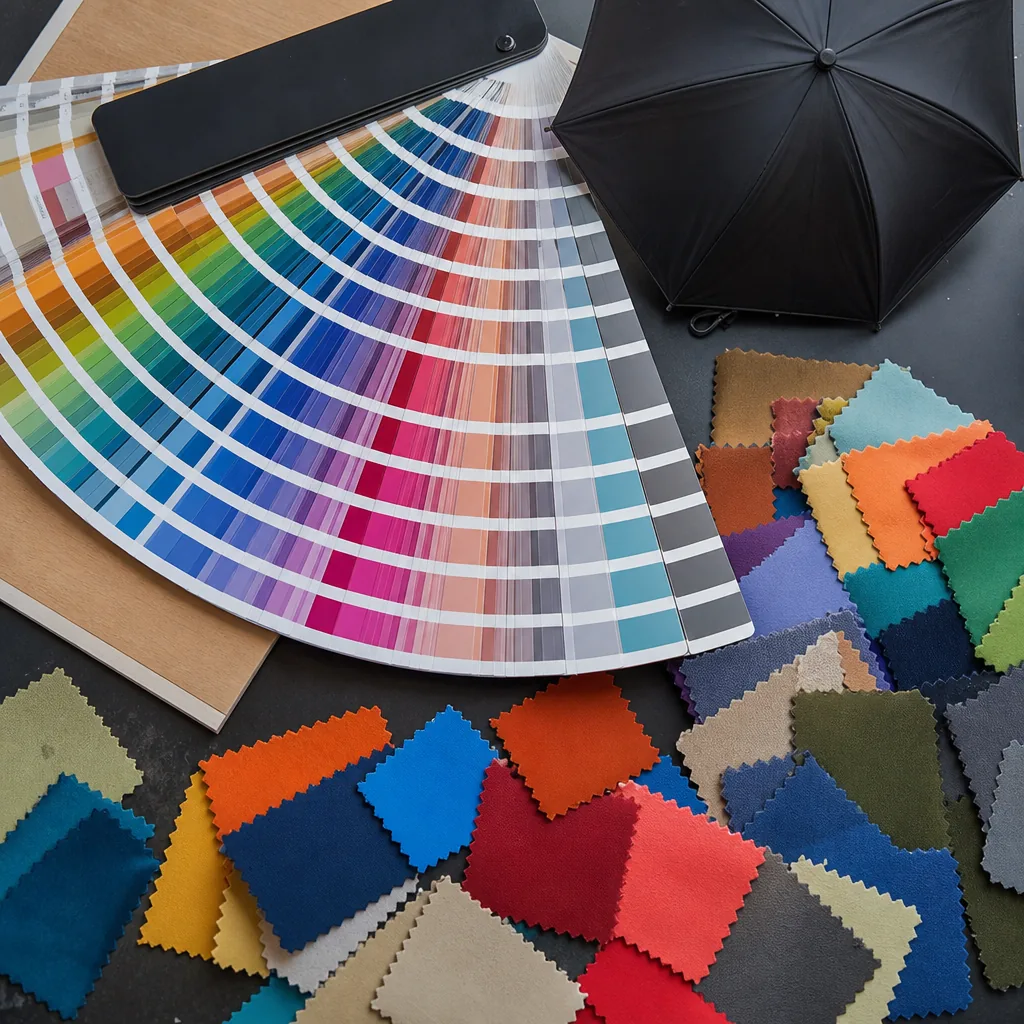
MOQ gift and promo packs often look simple on paper, then break down when mixed SKUs, inserts, straps, and retail-ready packaging hit the line at the same time. For buyers sourcing umbrella kitting services, the real challenge is keeping assembly accuracy, carton counts, and lead times stable without forcing volumes past a workable MOQ. On our Songxia floor, that comes down to how the packing sequence, in-line checks, and shipping marks are set before the first bundle reaches the bench.
When kitting makes sense for B2B umbrella orders
umbrella kitting services pay off when the umbrella is one SKU inside a fixed, repeatable program, not when the umbrella is the entire order. The clearest fits are employee welcome kits, distributor sample sets, event VIP packs, and retail bundles with one locked bill of materials and one pack sequence. If you are buying only a 23-inch auto-open promo umbrella packed in a polybag with a hangtag, factory kitting usually adds labor cost and handling steps without reducing risk. That changes once the pack includes branded insert cards, a stainless bottle, a notebook, or a gift-box sleeve, because assembling at origin avoids reopening export cartons at a third-party warehouse. Packout also depends on umbrella geometry. A 21-inch 3-fold auto-open-close umbrella uses far less carton space than a 27-inch straight umbrella with fiberglass ribs and a hook handle, and that difference affects carton count, pallet height, container cube, and landed freight cost.
MOQ is the first feasibility check for MOQ umbrella packaging. Standardized insert cards, outer boxes, and accessory lists usually become practical at 300 to 500 sets; custom inner trays or printed rigid gift boxes make more sense closer to 1,000 sets. Promo gift assembly gets expensive fast when accessories come from multiple suppliers with inconsistent dimensions, barcodes, or retail packs. A bottle that runs 8 mm over spec or a notebook band that transfers color onto a 190T pongee canopy can stop the line and trigger rework. For retail bundles, lock the umbrella spec before building the kit: 8K or 10K frame, manual or auto-open, 190T or 210T canopy, and 21-inch folding or 27-inch straight format. FOB DDP shipping also changes the calculation. Under FOB, compare assembled-set carton weight, cube, and pallet efficiency against shipping components separately; under DDP, full factory kitting is usually the better option when the destination requires shelf-ready delivery or direct fulfillment. Inspect the finished set, not just the umbrella, to AQL 2.5 for count accuracy, insert orientation, scuffing, and outer-box drop performance.
Pack configurations that protect product and brand
Pack format should start with umbrella dimensions, because size determines both protection and carton yield. For umbrella kitting services, the lowest-cost format is usually a polybag with a branded insert card, and it works best for 21-inch or 23-inch 3-fold compact umbrellas that already have a retail sleeve or self-fabric cover. Those styles typically close to 12 to 14 inches, which keeps MOQ umbrella packaging simple and helps maintain a low export carton cube. A 27-inch straight umbrella or 30-inch golf umbrella needs a different spec. The longer shaft, ferrule, and tip are more exposed to bend marks, scratches, and transit damage, so a printed header card or slim corrugated mailer is usually the safer pack. Canopy material also changes the risk profile: clear POE or EVA shows scuffs faster than 190T or 210T pongee, so appearance-sensitive programs should add a separation film or individual sleeve instead of using one standard pack across all canopy types.
Mailer boxes make sense when the kit ships direct to the recipient and has to survive parcel handling without losing presentation. A compact auto-open-close umbrella will usually fit a mailer around 14 x 3 x 3 inches, while a 23-inch straight umbrella often needs a long-format carton closer to 34 inches; that one change reduces master-carton efficiency and increases parcel cost. Promo gift assembly should therefore be built around the frame geometry, not just the graphics. If the pack includes branded insert cards, bottles, notebooks, or lanyards, use internal restraint so the handle cannot crush adjacent items in transit. Heavier double-canopy golf umbrellas with fiberglass ribs and vented construction also need tighter fit tolerances, stronger end protection, and drop-test approval before mass packout.
Rigid set boxes are best for executive gifts, ticketed events, or retail bundles where higher presentation value offsets the extra cube and freight cost. The added expense is not just the rigid box itself; it is the loss of units per master carton when you move from compact umbrellas to 27-inch straight or 30-inch golf formats. For master carton assortments, standardize one umbrella size per carton and separate SKUs with color stickers instead of mixed loose counts. That reduces common AQL 2.5 kitting failures such as count errors, insert mismatches, and handle rub on visible surfaces. Lock the packing specification before production starts: carton dimensions, units per master, gross weight, and FOB DDP shipping terms should all appear on the approval sheet. A sample kit can pass a tabletop review and still fail once 500 or 2,000 sets are palletized, stacked, and moved through export handling.
Material and product choices that impact presentation
Lock the umbrella spec before you invest in presentation, because the umbrella itself sets most of the perceived value in gift and promo packs. For umbrella kitting services, 190T pongee is the standard promo-grade choice: it prints cleanly, keeps unit cost under control, and works well for high-volume programs where MOQ umbrella packaging must stay efficient. A 210T pongee canopy adds a denser hand feel, shows fewer fold creases, and gives the kit a more retail-ready first impression when the box is opened. Mechanism choice also changes both presentation and freight math. A manual-open 21-inch or 23-inch folding umbrella typically packs lighter and generates fewer spring-related claims in transit. Auto-open or auto-open-close raises perceived value, but it adds metal components, increases handle bulk, and pushes up packed weight. That can force a larger gift box, reduce master-carton density, and increase FOB DDP shipping cost. Buyers should ask for the umbrella price and packout quote together, because folded length, unit weight, and carton size can erase margin faster than branded insert cards or other light-touch upgrades add it.
Frame construction and rib count affect durability, packed weight, and damage risk at the same time. Steel ribs are still a practical entry-level option for promo gift assembly, especially on basic 8K folding umbrellas, but they add weight and are more likely to take a permanent bend under export-carton compression. Fiberglass ribs cost more, but they flex back better, lower rust risk, and support stronger windproof positioning, particularly on double-canopy vented frames tested above 50 mph. Rib count changes presentation as well as packout efficiency. An 8K frame remains the default because it balances canopy tension, print efficiency, and compact packing. A 16K frame looks fuller and more giftable, but it folds thicker and usually needs a wider sleeve or presentation box, which cuts master-carton density and raises freight cost. The highest-risk combination is a double-canopy, 210T, auto-open-close umbrella with fiberglass ribs: it feels premium, but it creates a dense, spring-loaded unit that can crush thin boxes unless the kit uses fitted trays, handle restraints, or rigid window structures. For export programs, inspect finished kits at packout to AQL 2.5, not just at umbrella assembly, to catch scratched handles, loose straps, crushed branded insert cards, and inner-box failures before destination-side rework.
QC checkpoints for multi-item assembly
The highest QC risk in multi-item packout is version control at the packing table, not umbrella sewing or logo print. Once a set includes the umbrella, sleeve, hangtag, branded insert cards, sticker label, and a second-supplier item such as a tumbler or notebook, one wrong barcode or outdated insert can contaminate a full carton lot. The practical control is gated line clearance before mass assembly starts. Keep the approved pre-production sample at the line, issue a master BOM with photo references for each SKU, and require the operator and line leader to sign off the first packed unit for item count, barcode match, and carton mark before each case lot runs. For MOQ umbrella packaging programs in the 300-1,000 set range, where artwork revisions can change fast, that first-sample lock reduces repacking risk after cartons are sealed. In umbrella kitting services, the line should stop immediately if the insert revision, accessory code, or outer-carton mark differs from the approved sample. Correcting that at the table costs minutes; finding it after palletization, export labels, and FOB DDP shipping documents are prepared can mean a full manual rework.
Presentation errors are also customer-facing defects, even when the umbrella itself is made correctly. A 23-inch or 27-inch umbrella can carry the right logo and still pack wrong if canopy panel direction, strap placement, sleeve print, and insert front face do not align when the box is opened. A disciplined promo gift assembly line checks print orientation at three points: after folding, before accessory insertion, and at final box close. Use visible version stamps on branded insert cards so old stock cannot mix into current runs with different QR codes, legal copy, or language variants. Before mass assembly, approve a pre-production sample using the exact box, tissue, insert stack, scan label, and any second-supplier item, not just the umbrella; this catches packout mistakes early, such as a 23-inch auto-open frame sitting too high in the box, a 210T pongee canopy rubbing a white insert, or a folded sleeve blocking the barcode. Then run corner drop, flat drop, and shake tests on the actual packed weight to check handle movement, scratched caps, cracked PVC windows, and damaged insert edges. Final release should follow AQL 2.5 inspection on finished goods, with random pack opens, count verification, barcode scans, print-orientation checks, and carton assortment accuracy.
Lead times, carton math, and FOB vs DDP planning
Lead times for an umbrella gift or promo run are fixed before pack-out, not during it. For umbrella kitting services, put four dates in the PO and sample sign-off record: pre-production sample approval, arrival of all non-umbrella components, assembly start, and ex-factory ship date. A standard 21 in. or 23 in. auto-open umbrella in 190T pongee with stock black fiberglass ribs typically needs 25 to 35 days after deposit and artwork approval. A more customized 27 in. golf umbrella with double-canopy venting, UV coating, and a molded handle usually needs 40 to 50 days. The real schedule risk is usually not canopy sewing or frame assembly; it is late-arriving kit parts. Branded insert cards, gift boxes, hangtags, sleeves, and add-on accessories should reach the factory 5 to 7 days before kitting so incoming inspection, barcode checks, and line staging are complete before labor is booked. Assembly capacity is usually 2,000 to 4,000 kits per day per line, with output at the lower end for hand-packed accessories or rigid boxes and at the higher end for simple MOQ umbrella packaging such as a belly band or mailer.
Carton math changes landed cost faster than most buyers expect. A plain export carton may hold 24, 30, or 36 umbrellas, but a retail-ready kit often drops to 10 or 12 once promo gift assembly adds a gift box, partitions, or mixed components. That reduction increases CBM, pallet count, loading time, and freight cost at the same time, so approve carton dimensions, barcode position, and inner-pack rules with the sample instead of after mass packing starts. If the program needs Amazon labels, retailer routing marks, or warning text for PVC or POE packaging, freeze that artwork before printing. Use AQL 2.5 to inspect both umbrella function and kit completeness; a missing branded insert card or incorrect accessory count is a shipment defect, not a minor packing issue. FOB DDP shipping also shifts responsibility. Under FOB, the buyer or nominated forwarder usually controls booking, freight consolidation, carton label format, and split deliveries after cargo is loaded in China. Under DDP, the supplier side must price carton compliance, courier size limits, duties, and last-mile delivery into the final landed cost per kit. For a clean FOB DDP shipping comparison, request a line-item quote covering product value, kitting labor, packaging, carton count, CBM, origin charges, freight, duty, and delivery.
Frequently Asked Questions
Can umbrella kits include non-umbrella items sourced by the buyer?
Yes, many OEM/ODM factories can do packout if the buyer ships approved components to the factory on time. The critical point is matching arrival dates and confirming packing instructions before assembly begins.
Does kitting usually raise the MOQ for custom umbrellas?
Often the umbrella MOQ stays the same, but custom boxes, inserts, or mixed components may each have their own MOQ. Buyers should ask for separate MOQ lines for the umbrella, printed packaging, and hand assembly.
Can mixed-SKU umbrella kits be done without raising MOQ on each color or style?
Yes, if the total order meets the production MOQ for each umbrella style first, kitting can usually be split across colors or assortments after bulk production. A common setup is one production MOQ per colorway, then final pack assembly in mixed retail ratios such as 6 or 12 units per assortment.
What QC checkpoints matter most for umbrella gift-set assembly?
For kitted packs, buyers usually ask for three checks: component count before packing, barcode or artwork match during assembly, and final carton verification by assortment ratio. For larger runs, an AQL inspection on finished kits plus photo approval of the first packed batch helps prevent insert-card mismatch and missing accessories.
How much extra lead time should I allow for branded inserts, sleeves, or gift boxes?
Add roughly 7-12 days for printed paper components after artwork approval, and another 2-5 days for manual kitting depending on pack complexity and volume. If the order ships DDP, leave extra buffer for carton labeling, customs paperwork, and destination delivery scheduling.
Looking to Launch Your Custom Umbrella Line?
ZheBrella is a Zhejiang-based OEM/ODM umbrella manufacturer with 17 years of export experience. Free design, low MOQ from 100 pieces, windproof construction, full-color print.
Get Free Quote Now »People Also Search For
Related Articles
Umbrella Kitting for Brand Campaigns and Gift Fulfillment
Plan branded umbrella kitting with inserts, bundles, QC, and shipping terms so campaign gifts arrive consistent, complia...
Read More »Custom Umbrella Kitting for Corporate Gifting Programs
Plan umbrella kitting for corporate gifts with insert options, MOQ guidance, QC checkpoints, and lead times for bulk FOB...
Read More »
Umbrella Packaging Cost Breakdown for OEM Brand Programs
Compare sleeves, cartons, inserts, and gift upgrades by MOQ, lead time, and FOB/DDP impact so buyers can budget branded ...
Read More »