Umbrella Kitting for Brand Campaigns and Gift Fulfillment
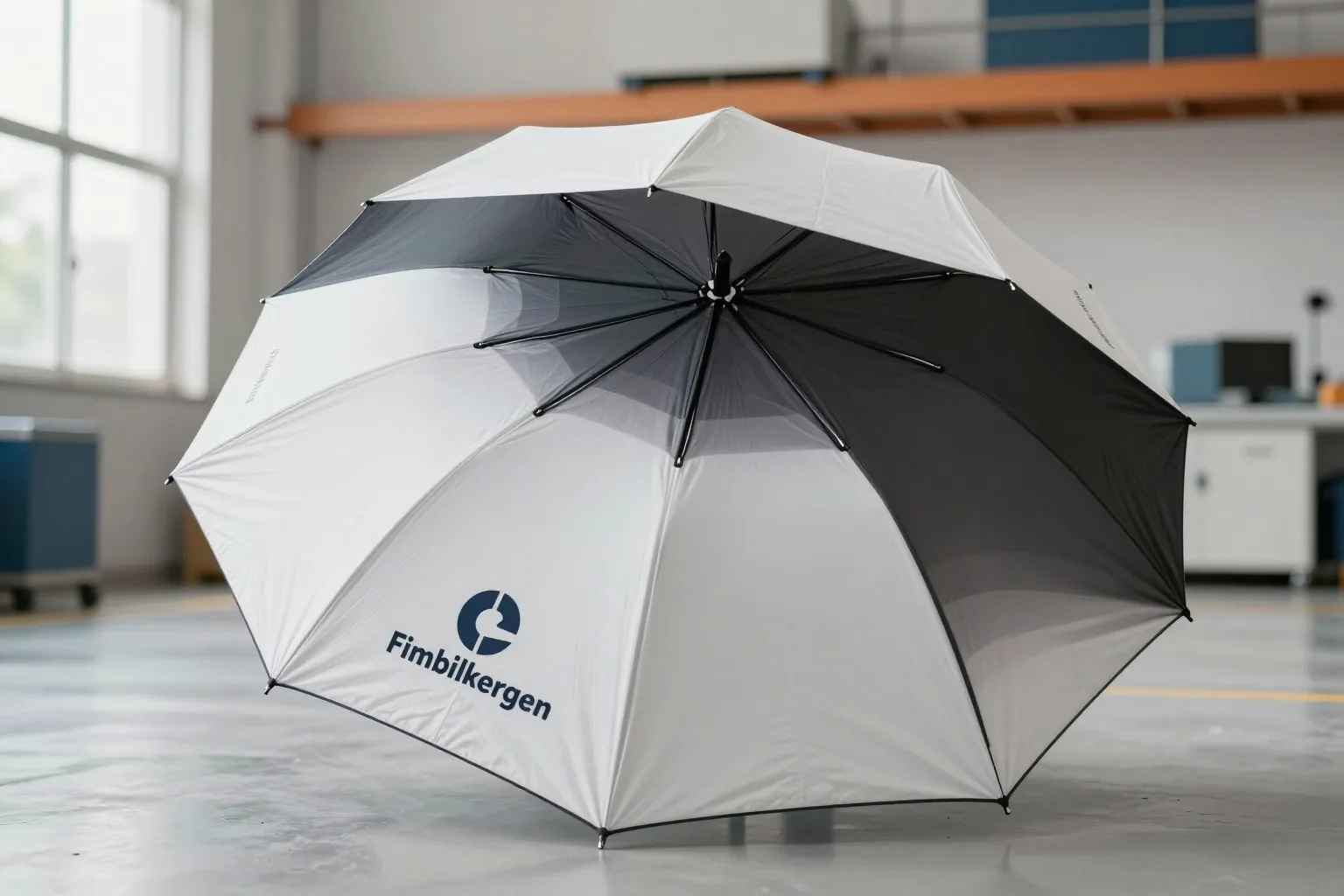
When you're coordinating a brand campaign or gift fulfillment, loose umbrellas with mismatched inserts and inconsistent packaging create costly downstream chaos. Real umbrella kitting services solve this by bundling inserts, custom sleeves, and QC checks under one controlled workflow—turning a logistical headache into a scalable, compliant deliverable that arrives exactly as designed.
When Umbrella Kitting Makes Sense for Brand Programs
Umbrella kitting services make the most sense when the umbrella is part of a controlled brand package, not a loose giveaway. That applies to employee gifting, loyalty rewards, influencer mailers, and event VIP packs, where the buyer needs the same umbrella, insert card for umbrellas, and pack-out order every time. Factory-side kitting reduces handling when the kit has three or more components, such as a 27" auto-open umbrella with fiberglass ribs, a printed card, a dust bag, and a polybag or carton. It also lowers touchpoints on higher-value builds like a 190T or 210T pongee canopy with UPF 50+ coating, where extra handling at a 3PL can create scuffs, bent ribs, or mixed inserts. At volumes of about 2,000 units per SKU and up, assembling at the umbrella factory usually cuts total labor and freight versus shipping loose components to a warehouse for final assembly.
The operational case is stronger when the campaign has multiple destinations or a fixed launch date. A 23" manual-open umbrella in a custom tube for an influencer box, or a 30" event umbrella in a VIP pack, is easier to control when the factory prints, packs, and seals the kit in one flow. That keeps the umbrella, card, and outer packaging aligned and reduces the delays that come from splitting work across the canopy supplier, print vendor, and 3PL. For branded gift fulfillment, the factory can inspect the full kit to AQL 2.5 instead of checking only the umbrella, so card placement, polybag sealing, and outer packaging are verified before freight leaves China. That matters most on FOB or DDP umbrella shipping, because export-stage errors are expensive to fix.
Sending umbrellas loose to a 3PL still makes sense for very small runs, variable inserts, or programs below the MOQ umbrella factory threshold where custom pack-out is not worth the setup. Once the kit includes more than three parts, or mixes sizes such as 21", 23", and 27" umbrellas, factory kitting usually wins on control and lead time. It also reduces damage risk on longer formats, especially 30" models, where loose handling can bend ribs or crease the canopy. For most B2B brand programs, the decision is straightforward: if the order needs coordinated printing, multiple components, and a fixed ship date, umbrella kitting services are the cleaner option; if the run is small and the pack-out is simple, a local 3PL can be the lower-cost route.
What Can Be Included in a Factory-Kitted Umbrella Pack
Factory-kitted umbrella packs hinge on two constraints: physical volume and damage risk. A compact 21" auto-open model (folded ~30 cm) fits a single carton with a printed insert card, folded tote bag, tissue wrap, sticker seal, and thin rain poncho without crushing the canopy. A full-size 23" or 27" stick umbrella with an 8K or 16K frame—especially pongee 190T with Teflon or UV coating—needs more headroom; rib tips scuff printed paper if packed too tight. For umbrella kitting services, the optimal sequence is wrap, card, outer band, then carton insert—this keeps print faces clean and cuts rework.
Printed components inject campaign data without modifying the umbrella. Belly bands, hang tags, and fold-in insert cards carry QR codes, redemption instructions, care notes, or retail copy; tissue and stickers handle presentation and tamper evidence. For branded gift fulfillment, a simple pack—one umbrella, one message card, one protective wrap, and one paired item (tote bag or poncho)—works best. Every extra loose piece increases pick-and-pack errors and slows line speed. At an MOQ umbrella factory, kitting decisions directly affect labor and inspection time: a simple pack runs fast, but multiple SKUs or variable inserts push lead time up 2–3 days.
Frame style changes the kitting plan more than most buyers anticipate. A 16K stick umbrella with a steel shaft or heavier fiberglass ribs demands longer cartons and extra tip/ferrule protection; a double-canopy vented windproof model needs a wider bundle to prevent flattening the vent layer. Standard practice separates pack formats before final cartonization: mixing compact auto-open-close umbrellas with long-handle gifts in the same master carton creates uneven compression and bent tips. For FOB DDP umbrella shipping, that packing detail determines whether the finished pack survives export handling or arrives damaged—the structure must hold up in a container, not just on the packing table.
Product Specs That Affect Pack-Out and Presentation
The canopy fabric is the first tactile impression in any kit. Pongee 190T feels slightly coarse and lightweight — fine for a giveaway umbrella where unit cost is the priority, but if the campaign is a premium client gift or an employee recognition package, you want 210T pongee or even a satin-touch finish. That extra 20 threads per inch changes the hand feel from "promotional" to "quality," and it holds a heat-transfer or screen-printed logo with sharper edge definition. We see buyers who skip this spec regret it when recipients open the box and immediately judge the fabric's drape. For umbrella kitting services, the canopy choice directly determines whether the product feels like a souvenir or a branded gift.
Frame construction dictates both the perceived heft in the hand and the folded volume inside the kit box. Fiberglass ribs are lighter, more flexible, and survive wind gusts better — they're the right call for a golf or travel umbrella that's meant to last. Steel ribs feel heavier and more solid when you shake the umbrella open, which some brand managers prefer for a "premium weight" impression. But steel adds about 20–30 grams per umbrella, and if your branded gift fulfillment includes a custom sleeve or a rigid gift tube, that extra weight plus the longer folded length of a double-canopy vented design will force you into a larger, more expensive box. We've had to re-engineer pack-outs mid-order because a client chose a 10-rib double-canopy frame without realizing it bulks 15% more than a standard 8-rib manual-open.
If your campaign claims UPF 50+ protection, the labeling inside the final kit is not optional — it's a compliance requirement in the US and EU. That means a sewn-in or glued neck label with the UPF rating, care instructions, and fiber content, plus a separate hang tag if the insert cards for umbrellas carry the brand message. The MOQ umbrella factory will need to print and attach these before the kitting line, which adds 3–5 days to the lead time. For FOB DDP umbrella shipping, we always advise clients to finalize label artwork at the same time as the canopy print file, because a last-minute label change can hold an entire container. The product specs and the presentation specs are one system — change one, and the pack-out needs rebalancing.
QC, MOQ, and Lead Times for Kitted Umbrella Orders
Kitting an umbrella with branded inserts, hang tags, or custom packaging multiplies operational complexity because each component carries its own MOQ. At a standard MOQ umbrella factory like ours, the umbrella itself—say a 21-inch manual-open model with a 190T pongee canopy—starts at 500–1,000 units per SKU for the frame and canopy. Printed items, such as insert cards, instruction sheets, or polybag headers, often require 1,000–2,000 pieces due to digital or offset press setup costs. For example, if the umbrella MOQ is 500 but the card printer demands 2,000, you face either over-ordering the card or paying a surcharge for short-run digital printing. We align all component MOQs during the RFQ stage to avoid mismatched inventory—no 500 umbrellas paired with 2,000 unused cards. For branded gift fulfillment, this granularity directly impacts per-piece landed cost, making early MOQ alignment critical to controlling budget and waste.
Assembly labor for kitting—folding the canopy, inserting the card, sealing the polybag, and packing into cartons—adds 3 to 7 days beyond standard production. A simple polybag with one insert takes 3 extra days; a gift box with a foam insert, ribbon, and custom sleeve stretches to 7. We enforce AQL 2.5 inspection at three checkpoints: raw umbrella before kitting, post-kitting assembly, and final packed carton. A typo on the insert card or misaligned ribbon gets flagged at the second checkpoint, not after shipment. Lead times start from sample approval—typically 20–25 days for the umbrella alone, then the kitting window. For FOB DDP umbrella shipping, add 10 days to your deadline to absorb kitting delays, especially during peak seasons (April–June) when promotional orders flood Songxia factories. Realistic timing: 30 days from PO to FOB, 40 days to DDP with air freight. Rushing kitting risks bent ribs or wrinkled canopies that fail AQL—no shortcuts. These umbrella kitting services ensure consistent quality for branded campaigns, but early planning on MOQs and lead times is essential to avoid cost overruns and delays.
Shipping Terms and Carton Planning for Global Gift Delivery
Shipping terms for umbrella kitting services start with the master carton, not the umbrella. A standard export carton for 27-inch umbrellas typically holds 24-36 pieces at 18-22 kg and 60 x 40 x 40 cm, which stays below common courier weight triggers and reduces oversize fees. Once you add premium gift boxes, insert cards for umbrellas, sleeves, or dividers, carton volume usually rises 15-20 percent and freight can move from actual-weight billing to dimensional weight. That change is material: a rigid box with void fill can cost far more per unit than a standard export carton, even before damage claims. For branded gift fulfillment, each new pack format should be drop-tested from 80 cm on face, edge, and corner before release. Fragile premium packaging is usually the first place costs jump, because better presentation often means lower carton density, more repacking, and higher breakage exposure.
For FOB DDP umbrella shipping, the right term depends on who controls consolidation. FOB works better when the buyer has a forwarder and wants to combine umbrellas with other campaign goods at origin; it gives control over loading, palletization, and final container planning, but the buyer takes over risk once the goods clear the vessel rail. DDP is cleaner for direct delivery to a single destination, such as a corporate gift program in Chicago or a distributor in Frankfurt, because the factory handles export, freight, import clearance, and last-mile delivery under one invoice. At our MOQ umbrella factory, we specify double-wall BC-flute cartons for kitted packs above 15 kg and set a stack limit of four high; that adds about ¥2.50 per carton but can cut transit damage from roughly 3 percent to 0.2 percent. If the carton will travel through multiple handoffs, that protection usually pays for itself.
A recent 5,000-piece order shows the tradeoff clearly. We packed auto-open umbrellas with custom insert cards and gift boxes into 40 x 30 x 25 cm cartons, 12 units per carton, then palletized 48 cartons per pallet for DDP sea freight to Los Angeles at $0.85 per umbrella. The FOB rate to the buyer’s Shanghai forwarder was $0.62 per umbrella, but the buyer later spent $0.40 per unit on repacking after 8 percent of the premium boxes arrived crushed in the forwarder’s warehouse. That made the lower freight quote more expensive in total landed cost. The point for umbrella kitting services is simple: standard export cartons are cheapest, but fragile presentation boxes change the freight math quickly. Buyers with no origin-side logistics team usually get better control of risk and fewer claims with DDP, while FOB only works cleanly when the buyer can inspect, consolidate, and protect the shipment themselves.
Frequently Asked Questions
Does factory kitting usually increase the umbrella MOQ?
Usually the umbrella MOQ stays tied to the model, such as a standard compact or stick umbrella, while printed inserts or custom boxes may carry their own MOQ. Buyers should confirm the highest MOQ item in the kit before final approval.
Can every umbrella style be packed in the same gift format?
No. A full-size stick umbrella with a double-canopy frame takes much more carton length and depth than a 3-fold compact auto-open model. The packaging structure should be matched to the folded dimensions and total packed weight.
What should be included in a branded umbrella kitting specification?
A practical kit spec should list umbrella model, canopy artwork, sleeve or box type, insert card size, barcode or SKU labeling, carton markings, and final packout sequence. For quote comparison, buyers should ask suppliers to confirm these details in the proforma invoice or packing instruction sheet.
How does custom kitting affect umbrella MOQ and lead time?
As an example calculation to verify in the supplier quote, a custom umbrella order may start around 500 units per design, while printed inserts, gift boxes, or special sleeves can add separate MOQs and setup time. For a 2025 campaign quote, ask the factory to separate umbrella production lead time, packaging material lead time, and final assembly time.
Should distributors choose FOB or DDP for umbrella gift fulfillment?
FOB is usually better when the importer controls freight, customs brokerage, and destination warehousing. DDP can be easier for campaign fulfillment because the supplier quotes landed delivery to the destination address, but buyers should verify duties, taxes, last-mile limits, and carton count in the written shipping quote.
Looking to Launch Your Custom Umbrella Line?
ZheBrella is a Zhejiang-based OEM/ODM umbrella manufacturer with 17 years of export experience. Free design, low MOQ from 100 pieces, windproof construction, full-color print.
Get Free Quote Now »People Also Search For
Related Articles
MOQ-Friendly Kitting for Umbrella Gift and Promo Programs
Plan umbrella kitting that works at MOQ, controls assembly errors, and lands gift-ready packs with clear lead times, QC ...
Read More »Custom Umbrella Kitting for Corporate Gifting Programs
Plan umbrella kitting for corporate gifts with insert options, MOQ guidance, QC checkpoints, and lead times for bulk FOB...
Read More »
Umbrella Packaging Cost Breakdown for OEM Brand Programs
Compare sleeves, cartons, inserts, and gift upgrades by MOQ, lead time, and FOB/DDP impact so buyers can budget branded ...
Read More »