Recyclable, End-of-Life Umbrella Design for Circular Brands

For brands chasing circularity, the umbrella is a hard test case: a compact product built from metal ribs, plastic tips, coated fabric, and adhesives that rarely come apart cleanly. On the factory floor, we see that a recyclable umbrella only works when disassembly is designed in from the start, with fewer mixed materials, simpler fasteners, and clear material pathways after use. That is where end-of-life planning stops being a promise and becomes a buildable specification.
Why umbrellas are hard to recycle
An umbrella is a bad fit for normal recycling streams because it is not one material, it is a compact assembly of incompatible ones. A typical frame mixes plated steel stretcher arms, fiberglass ribs, aluminum shaft parts, plastic tips, and a resin runner, then the canopy is stitched from polyester or pongee and often bonded with adhesive at stress points. That is already enough to defeat most municipal sorting lines. Once you add print inks, heat-transfer graphics, Teflon or UV coatings, and metal springs inside the release mechanism, the product stops behaving like a clean textile or a clean metal item. A recyclable umbrella has to be designed for separation first, not appearance first, otherwise the end-of-life umbrella ends up shredded, landfilled, or downcycled into low-value scrap.
The real problem is that umbrella disassembly recycling is slow and labor-heavy. Sewing thread, welded joints, rivets, glued patches, and crimped ferrules mean the frame cannot be separated quickly without damaging the parts. Fiberglass is especially awkward because it is strong in service but difficult to reclaim once broken, and it contaminates mixed waste if the ribs are chopped with the fabric attached. Polyester canopy cloth is technically recyclable in some systems, but not when it is still attached to steel, plastics, and coatings. In practice, the recycler sees a small, highly mixed object with too many material codes, so the economics fail before the material science does.
Circular umbrella design has to reduce the number of material families and make the connections reversible. That means fewer coatings, fewer glued interfaces, standardized screws or clips where possible, and a canopy that can be removed from the frame without cutting through the whole structure. For sustainable umbrella design, the best starting point is a mono-material or low-mix canopy paired with a frame that can be separated into steel, fiberglass, and plastic streams in minutes, not half an hour. If a brand wants a recyclable umbrella that actually survives real-world disposal, the product spec must include take-back logic, part labeling, and a clear disassembly path at the factory level, not just a green claim on the hangtag.
Design for disassembly
A recyclable umbrella only works if the frame is built like a product you can take apart with hand tools, not a bonded assembly you have to destroy. The canopy should come off through sewn panel seams or removable clamping points, the runner and tip set should use captured parts instead of permanent adhesive, and the handle should be mechanically retained with a screw, pin, or threaded insert. In practice, that means separating steel, fiberglass, aluminum, and polymer components before they get mixed into one waste stream. For circular umbrella design, I prefer visible fasteners and standardized hardware over hidden glue, because the end-of-life umbrella needs a clean material split, not a forensic project on the sorting line. If a brand wants umbrella disassembly recycling to be realistic, every major part has to be identifiable by material and reachable without heat, solvent, or cutting through load-bearing structures.
The canopy is usually where recycling fails first, because laminated coatings and mixed trims make the textile hard to process. A better sustainable umbrella design uses one main fabric family, such as 190T or 210T pongee, and keeps reinforcement patches, labels, and edge tapes to materials that can be separated mechanically. Avoid glue-backed badges, foam grips, and decorative films that contaminate the textile fraction. ZheBrella’s standard practice for a recyclable umbrella is to specify stitching over adhesive wherever the joint does not carry water sealing or structural load, then document each component so a disassembler can remove the canopy, stitch line by stitch line, without shredding the fabric. If the canopy has UV or Teflon treatment, that is fine, but the treatment should not be part of a composite layer that traps metal or rubber inside the cloth. The cleaner the textile stream, the more likely it can be reused, downcycled, or sorted for fiber recovery.
The frame deserves the same discipline. Rib ends, stretcher links, and shaft connections should use swaged tubes, rivets, screws, or snap-fit retainers that can be reversed, not epoxy or heat-staked joints that lock mixed materials together. Fiberglass ribs and steel springs should be isolated from aluminum shafts where possible, because mixed-metal scrap is worth less and is harder to process. For umbrella disassembly recycling, I also specify one fastener family across the product when possible, since a service tech or recycler can strip a batch faster if the hardware is standardized. This matters even more on auto-open and auto-open-close models, where internal springs and release modules often become the first contamination point. A circular umbrella design is not about making the product fragile; it is about making every material legible at the end of life so the steel, polyester, plastic, and fiberglass can each go where they belong.
Mono-material and material-honest choices
The easiest way to make a recyclable umbrella is to stop building a chemistry problem. Keep the bill of materials to a few honest streams: aluminum for the shaft and ribs, PET for the canopy, and PP or ABS only where a molded part is unavoidable. A circular umbrella design falls apart when you mix PVC coating, rubberized grips, glued foam, metalized prints, and decorative laminates on the same product. Those layers are hard to separate and even harder to sort at end of life. If the target is a recyclable umbrella, choose a canopy fabric that can stay in the polyester stream, like 190T or 210T recycled PET pongee, and avoid multi-layer finishes that turn a simple panel into composite waste.
Umbrella disassembly recycling works only when the product is designed to come apart with normal tools. Replace permanent rivets with screws, clips, or stitched joints where possible, and keep the runner, top cap, and handle in one polymer family so they can be removed without shredding the whole frame. For a sustainable umbrella design, I would rather see a plain 8K fiberglass-and-aluminum structure with labeled parts than a flashy mixed-material build that nobody can separate. That matters more on an end of life umbrella than on a sample sheet, because recyclers pay for clean streams, not intentions. If you need durability and a recyclable umbrella at the same time, use UV coating or Teflon only when it does not destroy the base material’s recyclability, and keep the design simple enough that the canopy, frame, and handle can be sorted in minutes, not hours.
Repairability extends life
A recyclable umbrella only works in practice if the failure points are designed to be serviced, not discarded. The first thing that goes is usually the canopy, runner, tip, or stretcher insert, not the entire frame, so a circular umbrella design should separate those parts cleanly and make them available as spares. If the canopy is sewn to a frame that can be opened and repaired with standard components, you can keep a retail or promotional umbrella in use for another season instead of sending it to landfill after one torn panel or a broken ferrule. That is the real value of sustainable umbrella design: fewer full replacements, lower waste, and a product that still has resale or reuse value when the branding is outdated but the structure is sound.
Replaceable canopies are the biggest lever for umbrella disassembly recycling because the fabric and hardware age at different rates. A good end of life umbrella plan uses clips, screws, or detachable rib ends so the frame can be separated from the canopy without destroying either material stream. That matters for POE, pongee, and coated polyester canopies, where mixed-material construction can complicate sorting if everything is permanently bonded. Our standard practice is to specify spare parts from the start, including canopy skins, tips, shafts, runners, and handle inserts, so service teams can repair instead of replace. For brands buying at scale, that usually means lower warranty cost, better customer retention, and a longer useful life before true end-of-life disposal is needed.
Take-back and circular programs
A take-back program is one of the few circular moves that actually changes behavior at scale. For a recyclable umbrella, the brand needs a defined route for damaged, retired, or returned units instead of sending them into mixed waste. That can be a mail-back program, retail drop-off, or B2B collection after events and promotions. The useful part is not the marketing label; it is the operational rule that an end of life umbrella is either repaired, stripped for parts, or sent into the correct recycling stream. When brands publish that process clearly, they reduce disposal friction and make circular umbrella design understandable to procurement teams, facility managers, and end users.
Repair comes before recycling if the product is designed sensibly. A wind-shattered ferrule, snapped rib, or failed runner should be replaceable without destroying the canopy, because that is where most umbrellas lose value. In practice, umbrella disassembly recycling works best when the shaft, ribs, handle, canopy, and tips can be separated with standard tools and minimal adhesive. Metal parts should be kept distinct from plastics, and fabrics should avoid heavy mixed-material trims that complicate sorting. ZheBrella’s standard practice is to align the build with the intended recovery path, because a sustainable umbrella design is easier to execute when the factory knows which parts the brand wants recovered and which parts are disposable by design.
For brands, the commercial case is straightforward: take-back and repair schemes extend product life, support warranty claims, and create a better story for tenders that score ESG or circularity. The program only works if the physical umbrella supports it, so spec sheets should identify fastener types, removable components, and material families from the start. A recyclable umbrella usually needs fewer blended materials, simpler printing systems, and a canopy and frame architecture that can be separated at end of life without special equipment. Brands that treat reverse logistics as part of the design brief, not an afterthought, get cleaner material recovery, lower landfill leakage, and a more defensible circular umbrella design overall.
Frequently Asked Questions
Why can't umbrellas just be recycled normally?
A typical umbrella fuses several materials — metal or fiberglass ribs, plastic runners and tips, polyester fabric, and sometimes adhesives — into one product. Standard recycling can't easily separate them, so most umbrellas go to landfill. Design-for-disassembly and mono-material choices are what make recycling feasible.
What makes an umbrella genuinely circular?
A combination: components that can be taken apart, recyclable or mono-materials, repairability (replaceable canopy and spare parts to extend life), and ideally a take-back or repair program. A recycled canopy alone on an otherwise un-recyclable umbrella isn't circular.
How many material families should a circular umbrella use for easier end-of-life sorting?
Keep it to 3 to 4 material families when possible, such as recycled PET canopy, aluminum or steel frame parts, and a single polymer for the handle and runner. Fewer mixed materials reduce manual separation time and improve the chance that each part can enter a standard recycling stream.
What hardware choices make an umbrella easier to disassemble for recycling?
Use screws, pins, or snap-fits instead of glue, heat staking, or permanent overmolding. A serviceable build should let a worker separate the canopy, ribs, shaft, and handle in roughly 1 to 2 minutes per unit.
What MOQ and lead time are typical for a custom recyclable umbrella program?
For OEM production, a common starting MOQ is 1,000 to 3,000 pieces per style or color, depending on fabric and frame specs. Sample development usually takes 10 to 15 days, and bulk production often runs 35 to 50 days after sample approval.
Looking to Launch Your Custom Umbrella Line?
ZheBrella is a Zhejiang-based OEM/ODM umbrella manufacturer with 17 years of export experience. Free design, low MOQ from 100 pieces, windproof construction, full-color print.
Get Free Quote Now »People Also Search For
Related Articles
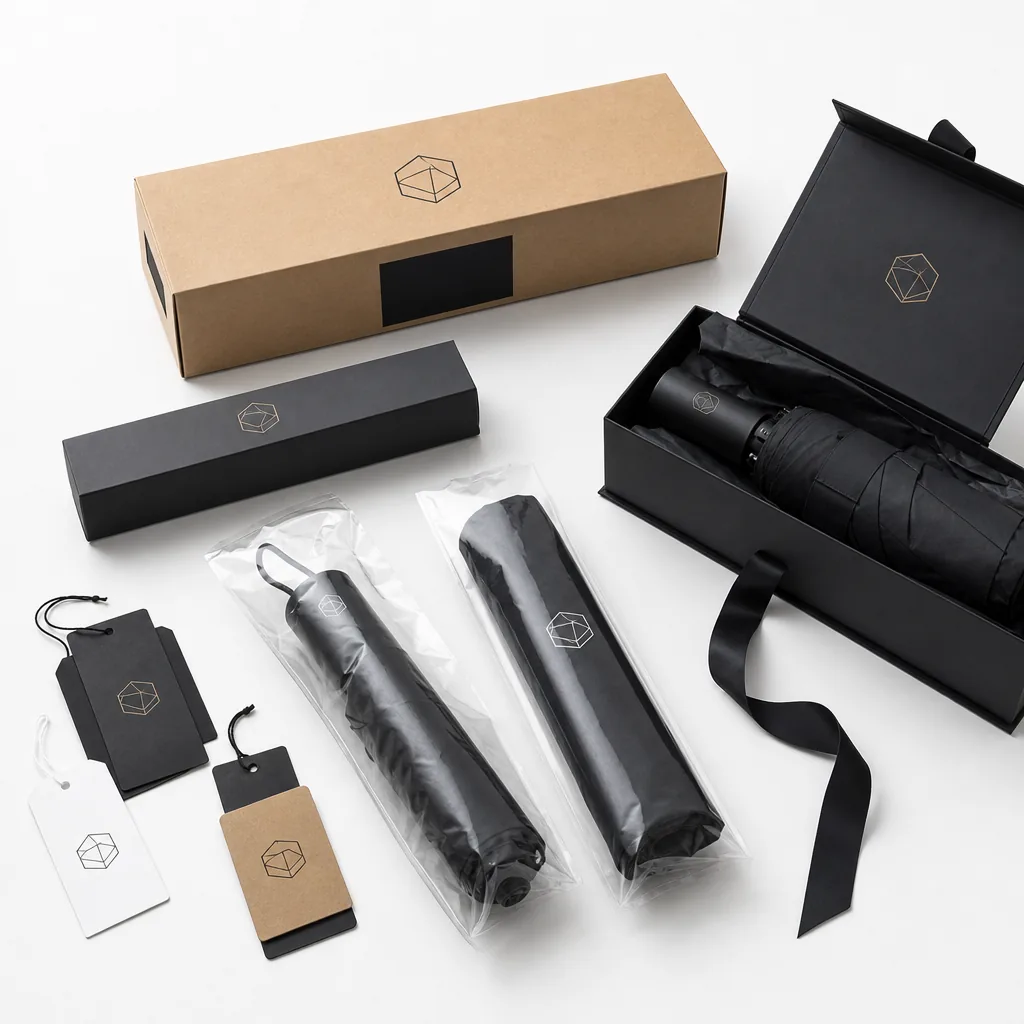
Plastic-Free and Recyclable Umbrella Packaging Options
How to package umbrellas without the usual plastic — recyclable sleeves, mono-material boxes, paper-based wraps — balanc...
Read More »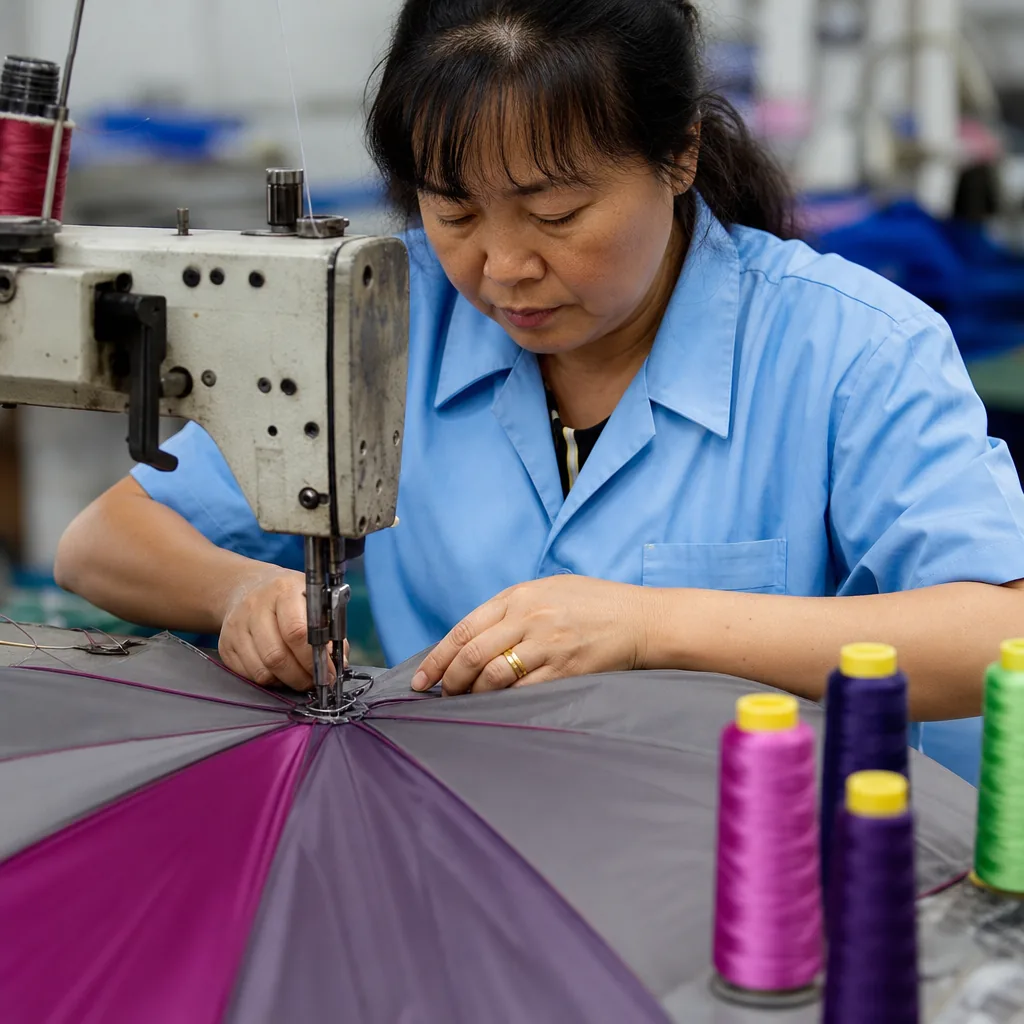
Designing Umbrellas for Manufacturability in OEM Production
Reduce defects, tooling risk, and unit cost by designing umbrellas around proven frame specs, fabric standards, and fact...
Read More »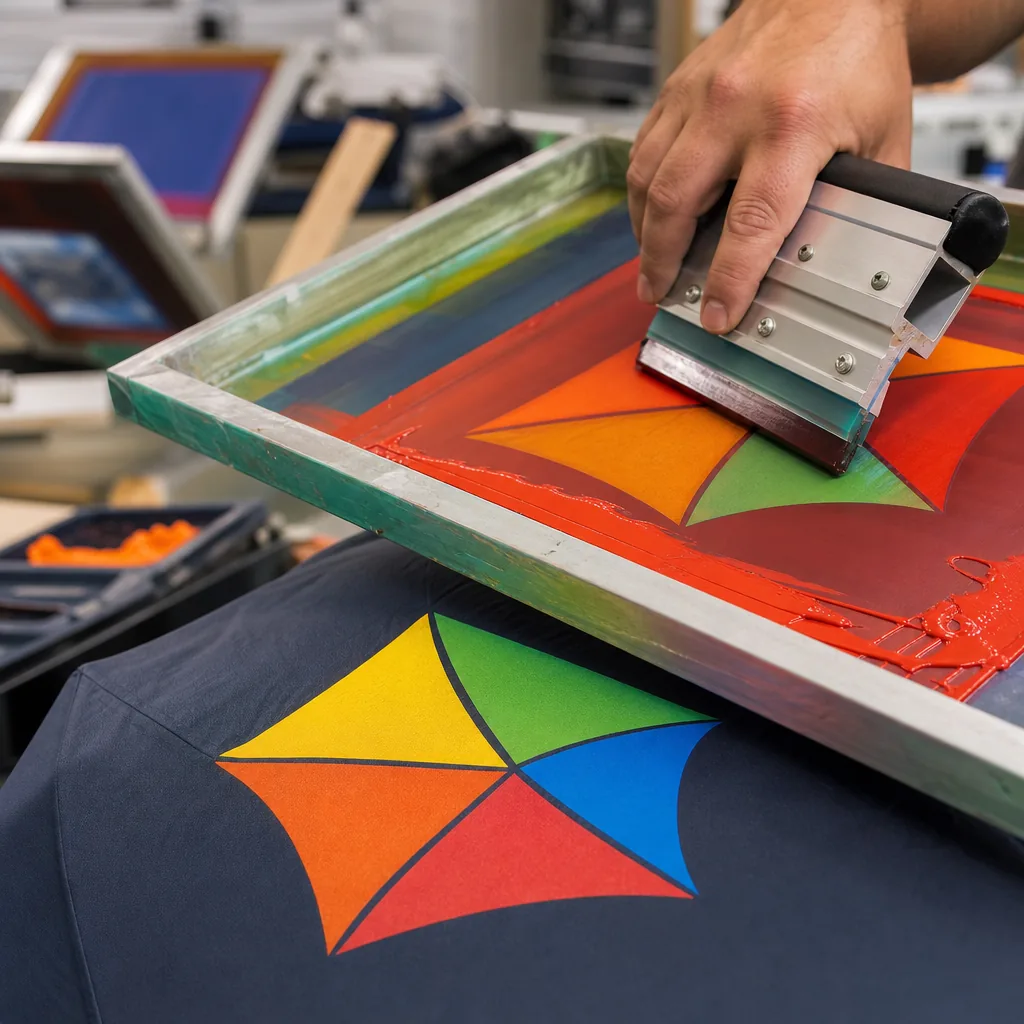
Eco-Minded Umbrella Packaging for Private-Label Brands
Plan recyclable umbrella packaging with FSC paper, kraft boxes, reduced plastic, and factory specs that support brand go...
Read More »