Retail-Ready Private Label Umbrellas: Labels to Cartons
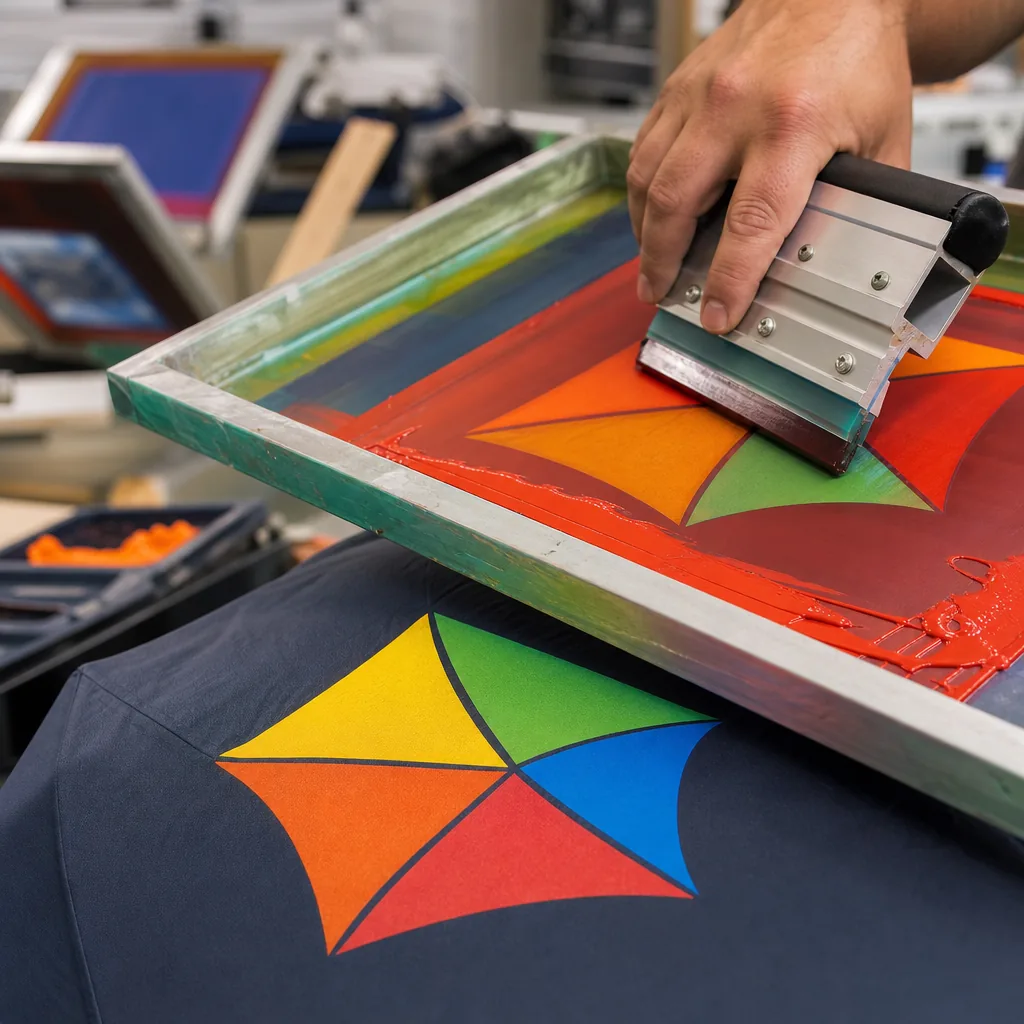
Retail-ready umbrella programs usually slip not because the canopy print is difficult, but because barcode labels, care tags, carton marks, and inspection standards are confirmed too late. On our Songxia factory floor, private label umbrellas wholesale orders move fastest when packaging specs, AQL checkpoints, and FOB or DDP handover details are locked before fabric cutting, so every finished carton can pass warehouse receiving without rework.
Define the Retail Unit Before Production
Lock the retail unit before you lock the artwork, because a label built around the wrong physical umbrella will create rework all the way from sewing to carton packing. For private label umbrellas wholesale, I ask buyers to confirm the selling SKU name in plain language first: “23-inch auto-open 8K straight umbrella, black 190T pongee, EVA handle” is better than an internal code like UMB-1029. The SKU name should match the purchase order, barcode file, hangtag, inner carton label, and master carton mark. Canopy size must be stated by rib length, not open diameter alone: 21" compact, 23" standard stick, 27" golf, and 30" large golf umbrellas use different cutting dies, rib tooling, sleeves, and carton sizes. If the buyer changes from 23" to 27" after artwork approval, the retail umbrella labels and branded umbrella hangtags may still look correct on screen, but the packed unit weight, barcode placement, and carton quantity will be wrong.
Rib count and frame specification need the same discipline. An 8K umbrella is the normal retail baseline for compact and straight models, while 10K, 12K, and 16K frames change the canopy panel layout and the visual spacing of logo prints. A 16K pongee umbrella looks more premium on shelf, but it requires more sewing seams, more tip attachments, and a different inspection focus because panel tension must stay even around the crown. Buyers should also state whether ribs are steel, fiberglass, or mixed construction. Steel ribs keep cost down for promotional runs, but fiberglass ribs are preferred for windproof retail styles, especially double-canopy vented models rated around 50+ mph in controlled wind-tunnel testing. Handle type is not cosmetic only: straight EVA, curved plastic, rubberized crook, wooden J-handle, and soft-touch golf grips all change the hangtag string position, sleeve length, and how barcode umbrella packaging sits in a display carton.
Fabric grade should be written into the approved spec sheet before any woven label, care label, or UPC artwork is released. 190T pongee is common for mid-market private label umbrellas wholesale, while 210T pongee gives a tighter hand feel, better print surface, and stronger perceived value for department stores or brand retail. If the canopy is POE, PVC, or EVA instead of pongee, the buyer must confirm transparency, thickness, odor requirements, and whether printing will be screen, heat-transfer, or digital. Coatings also affect claims: Teflon water-repellent finishing and UV black coating with UPF 50+ should appear only if the production lot is specified and tested that way. Our standard practice at ZheBrella is to freeze the retail unit sheet before artwork lock, covering SKU name, size, rib count, fabric, coating, mechanism, handle, barcode position, umbrella carton marks, inner pack count, master carton count, and AQL 2.5 inspection points.
Required Labels, Tags, and Barcodes
Retail labeling fails most often because buyers approve the umbrella but forget the packaging system. For private label umbrellas wholesale orders, we lock the label map before bulk cutting: woven brand label on the sleeve mouth or outer sleeve panel, care label inside the canopy seam near one rib pocket, and country-of-origin mark either on the care label or a separate small satin label. A 190T pongee canopy has enough seam allowance to catch a care label cleanly, but POE/PVC clear umbrellas usually need a sleeve or handle label because heat-sealed panels do not like extra stitched inserts. For the U.S. market, “Made in China” must be permanent enough to reach the consumer, not only printed on the export carton. EU and UK buyers often add fiber content, importer address, and recycling icons; Japan buyers may require JAN format and tighter print registration.
Hangtags do the selling, barcodes do the receiving, and they should not fight each other. Branded umbrella hangtags are normally looped through the handle strap, tied to the sleeve zipper pull, or attached to the runner on golf umbrellas where the tag hangs flat in retail display. UPC/EAN codes should be printed at 80–100% magnification with quiet zones preserved; glossy black ink on coated art card scans better than low-density gray on kraft. For barcode umbrella packaging, we test scans after lamination because some matte films reduce contrast under warehouse scanners. Warning labels matter on auto-open and auto-open-close models: spring-force warnings belong near the handle or hangtag, while child-safety and suffocation warnings go on polybags when sleeves are individually bagged. Our standard practice at ZheBrella is to scan 20 random retail units during final AQL 2.5 inspection, not just approve a PDF proof.
Carton-level identification should match the retail unit exactly, especially when one PO includes mixed 21 inch folding umbrellas, 23 inch stick umbrellas, and 30 inch golf umbrellas. Umbrella carton marks usually show item number, color, canopy size, rib count such as 8K or 16K, quantity per carton, gross/net weight, carton dimensions, PO number, destination, and country of origin. If the buyer uses FBA, Walmart, or a 3PL, carton labels may need SSCC, case UPC, or routing labels applied on two adjacent sides, not over carton seams. Retail umbrella labels also need version control: a UPF 50+ hangtag cannot be packed with non-UV stock, and a windproof claim like “survives 50+ mph” should only go on tested double-canopy fiberglass frames. For private label umbrellas wholesale programs, I recommend one approved label sheet showing every woven label, care label, barcode, hangtag, polybag warning, and carton mark before deposit, because re-labeling 5,000 finished units can easily add 3–5 days and avoidable labor cost.
Packaging Choices for Shelf and E-Commerce
Packaging should be chosen from the sales channel backward, not from the lowest unit cost. For private label umbrellas wholesale, a clear OPP bag is fine for basic promotional orders because it keeps dust off the 190T pongee canopy and lets inspectors read the retail umbrella labels without opening the pack. The weakness is abrasion: black rubberized handles, plated tips, and printed panels can rub during truck vibration, especially on 23" auto-open and 27" golf umbrellas. A fabric sleeve gives better scratch protection and feels more retail-ready, but it hides the product unless you add a sewn label, sticker, or branded umbrella hangtags with item number, color, size, and care text. Printed sleeves are the middle ground for boutiques and resort shops: lower cost than color boxes, better branding than plain sleeves, and easier to replenish on shelf because the logo side can face outward.
Color boxes make sense when the umbrella is sold through supermarkets, gift sets, Amazon FBA-style programs, or department-store planograms where barcode umbrella packaging must scan fast at receiving and checkout. We normally ask buyers to place the UPC/EAN on a flat box panel, not across a seam or curved sleeve, with at least 80% magnification and a quiet zone kept clean of artwork. For telescopic 21" auto-open-close models, a 350–400 gsm color box with an inner paper cradle prevents the shaft from punching the end flap. For long stick umbrellas, especially 23" wooden J-handle or 16K windproof frames, the box must lock the handle position; otherwise DDP delivery vibration can crush crook handles or dent EVA grips before the carton reaches a U.S. warehouse.
Master cartons are where many good retail projects fail. Umbrella carton marks should show PO number, SKU, color, quantity, gross/net weight, carton size, country of origin, and scannable carton code if the retailer requires ASN receiving. For private label umbrellas wholesale, our standard practice is to test the pack by drop and compression before mass packing: 5-ply export cartons for mixed e-commerce shipments, edge protectors for color-boxed umbrellas, and dividers when metal tips or fiberglass ribs can abrade neighboring units. Keep carton weights practical, usually 12–18 kg, because overloaded cartons get thrown harder and handles suffer first. If DDP delivery includes courier legs after sea freight, leave less empty headspace, use tighter inner cartons, and avoid packing heavy 30" golf umbrellas above compact umbrellas with plastic handles.
Carton Marks and Import Documentation
Carton marks are not artwork decoration; they are the warehouse’s first control point for private label umbrellas wholesale orders. I ask buyers to approve a carton-mark sheet before mass packing, not after the first container is booked. The minimum data should include item number or SKU, buyer PO number, umbrella model and size such as 23" auto-open or 30" golf umbrella, color assortment, quantity per carton, gross weight, net weight, carton dimensions in centimeters, carton number sequence such as 1/120, and the required “Made in China” country-of-origin marking. If the order has mixed SKUs, do not allow a generic carton label; each carton needs a clean SKU-level mark so receiving teams can match it against the packing list without opening every box.
Retail umbrella labels and umbrella carton marks must agree with the commercial invoice, packing list, booking data, and customs declaration. For FOB Ningbo or Shanghai shipments, the factory usually prepares the invoice, packing list, carton measurements, gross/net weight totals, and HS code description for the forwarder; the buyer or nominated forwarder handles the import side. For DDP shipments, the tolerance is lower because the shipper is also responsible for duty, last-mile delivery, and often retailer appointment booking. One wrong carton size or underreported gross weight can trigger re-rating, customs questions, or missed DC delivery windows. Our standard practice at ZheBrella is to freeze carton data after pre-shipment inspection unless the buyer signs off on a repack.
Barcode umbrella packaging needs the same discipline as the outside carton mark. UPC, EAN, FNSKU, or retailer-specific barcodes should be verified with a scan test on printed stickers, polybags, branded umbrella hangtags, and master carton labels before production packing starts. For chain retail, I recommend one barcode location standard per SKU: hangtag for in-store scanning, inner polybag for warehouse handling, and carton label for inbound receiving. Procurement teams buying private label umbrellas wholesale should also approve whether the carton mark is printed directly on the kraft carton, applied as a white adhesive label, or both. Direct printing is durable for sea freight, while adhesive labels are better for late SKU changes, but they must use stronger glue if cartons will sit in humid ports for 20–35 days.
Quality Checks Before Retail Release
AQL 2.5 should be applied before retail release because labeling errors become chargebacks, not factory rework, once cartons hit a U.S. or EU distribution center. For private label umbrellas wholesale orders, I treat retail umbrella labels as functional components: woven neck label, care label, hangtag string, UPC/EAN sticker, polybag warning, and master carton mark all get checked against the approved packing spec. Placement tolerance should be tight: center label within ±3 mm, hangtag facing front panel, barcode sticker flat with no wrinkles over seams, and carton marks printed on two adjacent sides. Barcode umbrella packaging needs a scan test using an actual handheld scanner, not only a phone app; we scan at least 32 pieces per lot and reject if UPC/EAN, SKU, color, or size maps incorrectly. Color matching is checked under D65 light against the signed PPS or Pantone reference, especially for 190T/210T pongee where wet coating can shift navy, red, and charcoal after Teflon or UPF 50+ treatment.
Mechanical inspection matters just as much as branding because a good hangtag cannot save a weak frame. On auto-open and auto-open-close models, every sampled umbrella is cycled open and closed at least 5 times, checking button force, shaft lock, runner travel, and whether the canopy snaps fully without hesitation. Rib alignment is inspected with the umbrella fully open: 8K steel ribs should sit evenly without a twisted tip, fiberglass ribs should flex back without whitening, and 10K or 16K windproof frames need consistent rib length so the canopy does not pucker between panels. For double-canopy vented umbrellas, inspectors confirm the vent overlap is even and the top canopy is not stitched too tight, which can reduce wind release. Our standard practice at ZheBrella is to separate cosmetic defects, functional defects, and safety defects; a sharp rib tip, failed lock, unreadable barcode, or wrong branded umbrella hangtags are not treated as minor issues just because the fabric looks clean.
Packaging drop resistance should be verified before booking FOB or DDP shipment, not after the forwarder has loaded the container. Inner cartons are checked for correct quantity, polybag thickness, desiccant where required, and no compression marks on POE, PVC, or EVA canopies, which show dents faster than pongee. Master cartons should use export-grade corrugated board, normally 5-ply for 23 inch folding umbrellas and stronger board for 27 inch or 30 inch golf umbrellas, with umbrella carton marks matching the buyer’s PO, SKU, color code, carton number, gross weight, net weight, and dimensions. A practical drop test is 10 drops from 76 cm for cartons under 10 kg or adjusted by ISTA-style weight ranges: one corner, three edges, and six faces. After the drop, inspectors reopen the carton and check cracked handles, bent steel shafts, broken caps, scuffed retail boxes, shifted barcode labels, and crushed hangtags. For private label umbrellas wholesale programs, passing AQL is only acceptable when the product can move from container to shelf without repacking.
Frequently Asked Questions
Can ZheBrella apply retailer-specific UPC or EAN barcodes?
Yes. Buyers should provide barcode files, SKU mapping, and placement rules before bulk production so labels can be checked during pre-shipment inspection.
What is the usual MOQ for private label umbrella packaging?
Basic branded sleeves can start at lower MOQs, while custom color boxes or printed retail cartons usually require higher order quantities due to printing setup costs.
What information should be printed on retail umbrella care tags?
Most retail umbrella care tags include the fiber content or material description, opening and closing instructions, basic care directions, and country of origin. If the buyer sells in the U.S. or EU, the tag should also match local labeling rules before production starts.
How are barcode labels usually applied on private label umbrella orders?
Barcode labels are typically applied to the polybag, hangtag, or retail insert, depending on the customer’s scan process at the warehouse. For most import programs, suppliers confirm the barcode format, quiet zone, and placement location before mass production to avoid relabeling delays.
What carton mark details help customs and warehouse intake move faster?
Carton marks usually include PO number, SKU, quantity, carton number, gross and net weight, carton dimensions, and destination. Clear marks on at least two sides of each master carton help receiving teams and freight forwarders identify the shipment quickly.
Looking to Launch Your Custom Umbrella Line?
ZheBrella is a Zhejiang-based OEM/ODM umbrella manufacturer with 17 years of export experience. Free design, low MOQ from 100 pieces, windproof construction, full-color print.
Get Free Quote Now »People Also Search For
Related Articles

Private Label Umbrellas for Retail: Barcodes, Labels, and Cartons
Build retail-ready umbrella programs with the right labels, barcodes, carton marks, and packaging specs to reduce receiv...
Read More »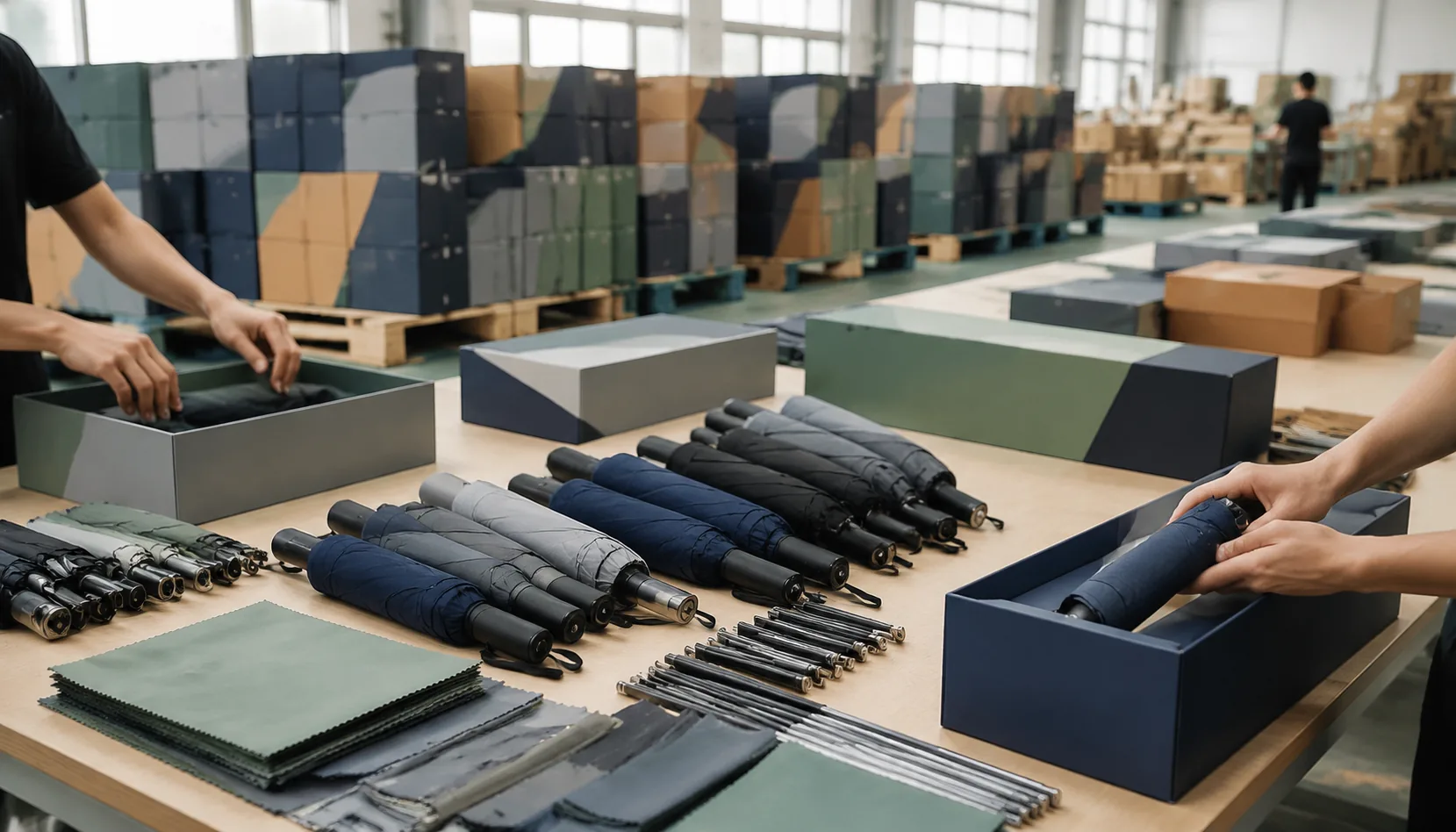
Branded Shipper Cartons for Retail Umbrella Rollouts
Use branded shipper cartons to improve retail receiving, protect umbrellas, and keep private-label rollout details clear...
Read More »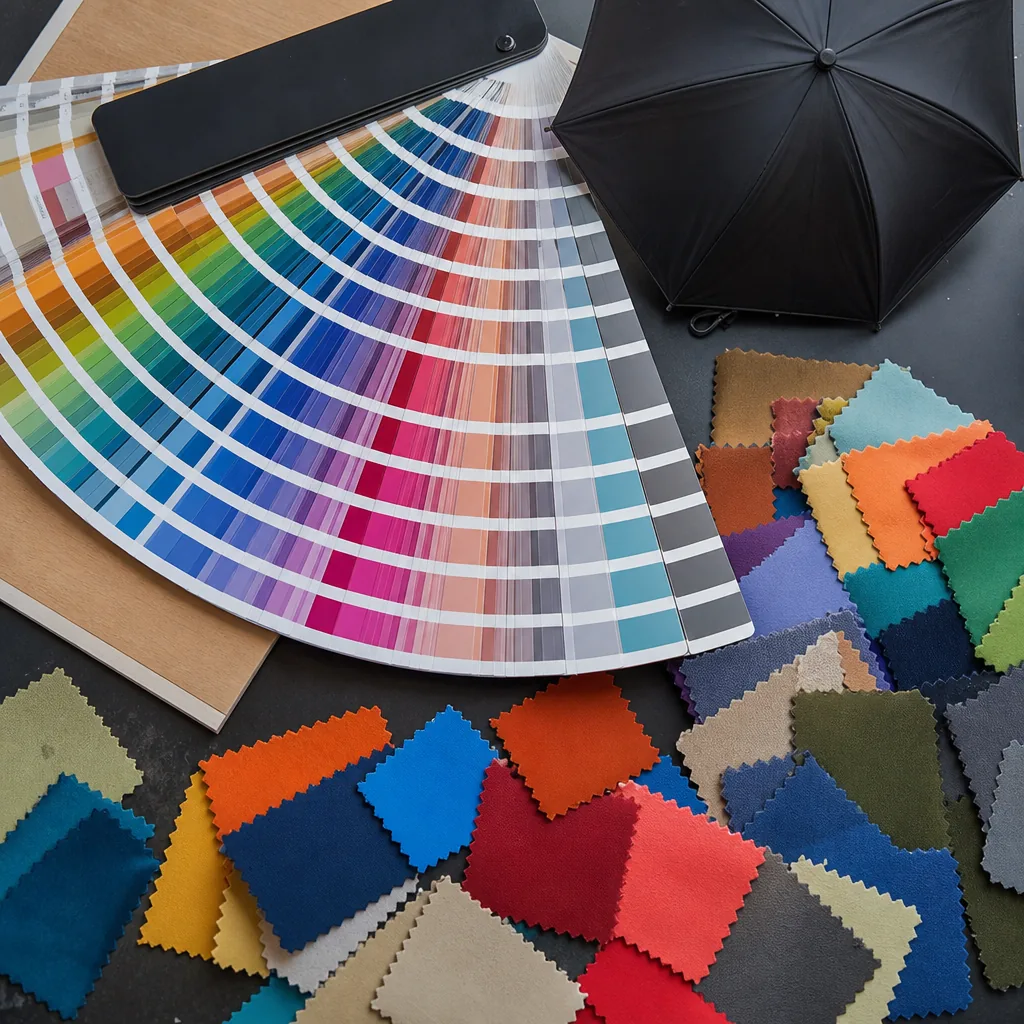
Premium Umbrella Inner Cartons for Private-Label Branding
Design branded inner cartons that protect umbrellas, improve retail handling, and keep private-label programs consistent...
Read More »