Straight vs Folding Umbrellas: Which Should You Customize?
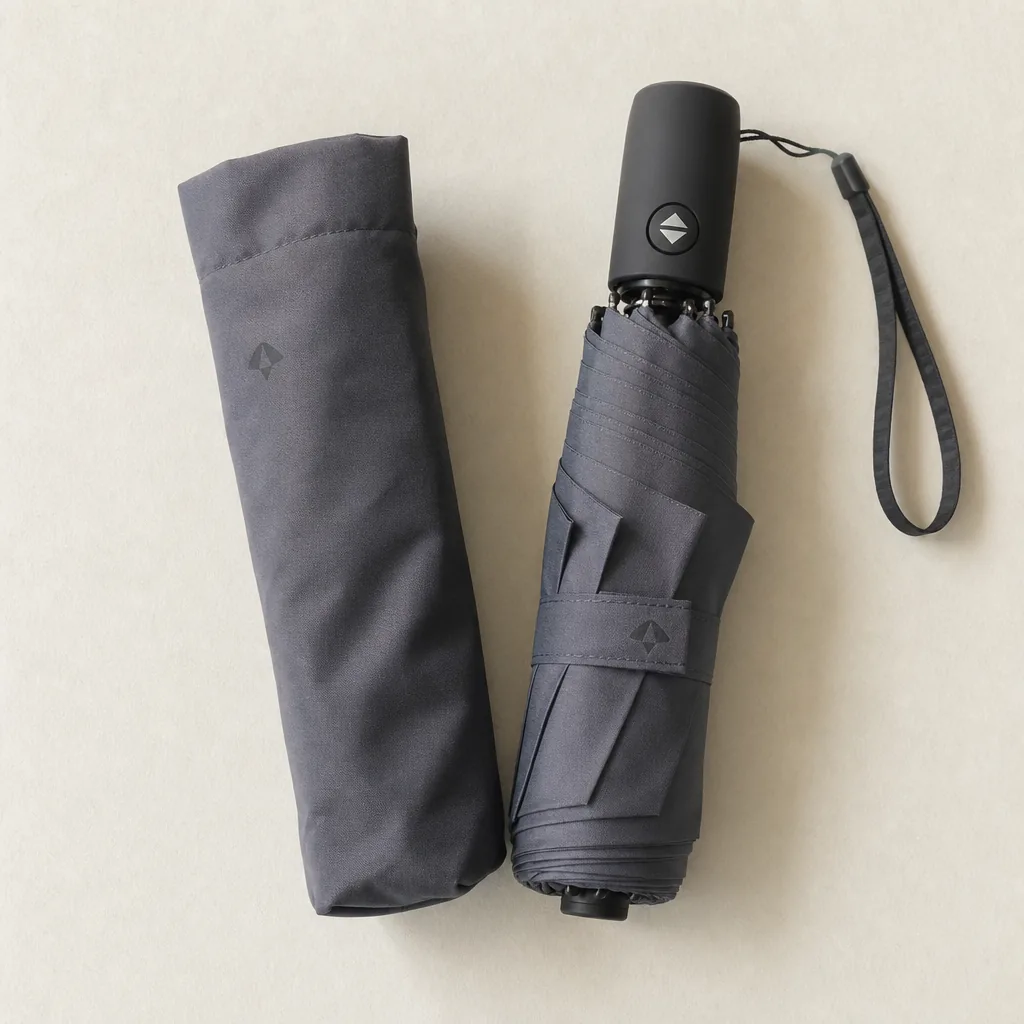
Choosing a straight vs folding umbrella for a branded program is usually a tradeoff between how the product will be carried and how it will be used. On the factory floor, we see straight sticks hold a larger print field and a sturdier frame, while folding models win when distributors need lower shipping volume and easier daily carry. The right choice depends on your customer’s use case, target price, and how much wear the umbrella must survive before the logo matters.
The core tradeoff: presence vs portability
If you are choosing a straight vs folding umbrella for customization, start with what the product has to do on the street, not what looks easier to ship. A straight umbrella gives you a longer shaft, a larger closed profile, and usually a more stable frame layout, so it reads as a more substantial object in hand and when branded. That matters for corporate gifts, retail umbrellas, and any stick umbrella custom order where the canopy has to carry a logo without the item feeling disposable. With 23" or 27" pongee 190T or 210T canopies, fiberglass ribs, and a heavier runner, the umbrella usually tolerates stronger wind and more frequent use than a compact fold-up built around smaller hinge points. If the buyer wants presence, fewer failure points, and a cleaner print field, the straight format usually wins the umbrella type comparison.
A folding umbrella wins when the real constraint is carry convenience. Once the canopy collapses into a 2-fold, 3-fold, or 5-fold frame, the product fits a handbag, backpack, or glove box, and that makes it much easier to sell for commuter use and travel kits. The tradeoff is mechanical complexity: every extra joint adds play, noise, and wear, especially if the opening system is auto-open-close rather than manual open. For folding umbrella branding, the canopy is often smaller, so your artwork has to work harder and the pole segments can interrupt the visual. In practice, that means a compact umbrella is better when the buyer values daily portability and low friction at point of use, while a straight frame is better when the buyer wants a more reliable rain shield, a larger logo area, and a product that feels closer to a premium tool than a convenience item.
From the factory side, the difference is not abstract. A straight frame can be built with 8K, 10K, or 16K ribs, thicker steel or fiberglass components, and a vented double-canopy layout that helps it survive 50+ mph gusts if the construction is honest. Folding models can still be good, but the margin for error is tighter because the telescoping shaft, hinge tolerances, and pack size all compete with durability. For a program with AQL 2.5, MOQ discipline, and FOB or DDP shipment planning, our standard practice is to decide the format before artwork is finalized, because the panel count, print placement, and handle style all change with the mechanism. If the buyer needs maximum brand presence and a tougher canopy, choose the straight vs folding umbrella based on performance first; if the buyer needs everyday carry, choose the fold-up and design the decoration around its smaller footprint.
Straight umbrellas: durability and big branding
In a straight vs folding umbrella decision, the stick model usually wins when the brief is durability first and print area second. The longer shaft gives you a simpler frame path, fewer joints, and less wobble at the runner, which matters when the canopy is 27" or 30" and the buyer expects it to survive real wind instead of just a photo shoot. A well-built stick umbrella custom order typically uses 8K, 10K, or 16K ribs with fiberglass on the tips and steel or fiberglass-reinforced shafts, depending on the target price and wind requirement. In our standard factory practice at ZheBrella, the premium feel comes from that cleaner structure: less folding hardware, smoother opening, and a canopy that sits flatter when printed.
The bigger canopy is the real commercial advantage. Straight umbrellas give you more visible panel area for logos, sponsorship marks, and full-panel art, especially on 23" and 27" models where a single brand can stay readable from several meters away. For buyers comparing umbrella type comparison options, this is where stick models outperform folding ones for event giveaways, golf programs, hotel use, and retail bundles. A 190T or 210T pongee canopy is common because it prints cleanly and holds color better than cheap polyester, and you can add Teflon water repellency or UPF 50+ UV coating when the use case calls for outdoor exposure. If the customer cares about a large logo and a more substantial hand feel, straight umbrellas are easier to justify.
Folding umbrella branding has its place, but it is usually a compromise between portability and brand impact. Once you add extra hinges, a compact shaft, and a smaller folded length, you lose some canopy span and some of the rigid premium look that procurement teams notice immediately. Straight umbrellas also tend to pass higher confidence thresholds in inspection because the build is easier to control at AQL 2.5: fewer moving parts, fewer failure points, and less variation in the open shape. That is why many corporate buyers treat the straight format as the safer choice for a long-run program, while folding models are reserved for travel, commuter retail, or lower-cost giveaway packs. If the goal is a durable presentation piece with strong print real estate, the straight model is usually the better investment.
Folding umbrellas: portability and giftability
Folding umbrellas win when the buyer cares about pocketability first. A 21-inch or 23-inch folding frame collapses small enough for a tote, glove box, or desk drawer, which is why this format sells well for commuter kits, conference bags, hotel rooms, and travel retail. In a straight vs folding umbrella decision, the folding style is usually the easier giveaway item because it is easier to ship, easier to carry after the event, and more likely to stay with the user. If you are comparing an umbrella type comparison for promotion, the compact form has a practical advantage: people keep it because it solves the daily problem of rain without feeling bulky.
Auto-open and auto-open-close mechanisms make folding models more attractive for gifting because they feel like a step up from a basic manual umbrella. A one-button open is standard for most corporate programs, while auto-open-close gives the faster “one hand in, one hand out” behavior that commuters like in tight spaces. For stick umbrella custom projects, the straight shaft can feel more premium and stronger in the hand, but the folding frame still has room for real branding when you use a larger canopy panel, a matching sleeve, or a printed strap. Our standard practice is to match the mechanism to the user scenario: manual for budget mailers, auto-open for general promotion, and auto-open-close for retail-style gifts.
Broad gifting appeal comes from the fact that a folding umbrella feels useful without being awkward to receive. It fits seasonal giveaways, new-hire kits, trade show handouts, and client welcome packs because it has immediate utility and low storage burden on the buyer side. Folding umbrella branding also gives you more flexibility on decoration methods: screen print for simple logos, heat-transfer for tighter artwork, and sublimation for all-over graphics on pongee 190T or 210T canopies. If the goal is high redemption and repeat use, I usually recommend folding over straight unless the recipient is expected to value a more classic, executive look. The straight vs folding umbrella choice is not about which one is better in the abstract; it is about which one people will actually carry, open, and keep using.
Print area and brand visibility
A straight vs folding umbrella comparison usually starts with the canopy, but the real difference for branding is the geometry around the shaft and panels. A stick umbrella custom layout gives you a cleaner, larger uninterrupted print field because the ribs are longer and the panels are less crowded by hinges, runners, and folded joints. On a typical 23" or 27" straight umbrella, you can place wider logos or full-panel artwork without fighting seam breaks as much. That matters for outdoor visibility too: when the canopy is open, a straight umbrella reads at a distance because the mark sits higher and the silhouette is more stable in wind. For trade shows, golf events, and street promotion, that extra visual real estate is why buyers still choose straight frames when the logo has to be seen from 20 to 30 feet away.
Folding umbrella branding is more constrained because the mechanism eats into usable space. Once you add telescoping sections, hinge points, and a compact runner, the panels are smaller and the print zones get split into narrower wedges. That does not make folding useless; it just changes the print strategy. Simple center logos, repeated brand marks, and high-contrast text work well, especially on 21" or 23" models where the goal is portability and frequent carry, not billboard-style exposure. For an umbrella type comparison, folding units win in bags, cars, and commuter use, but they usually lose on remote visibility because the canopy is lower and the printed area is interrupted more often. If the client wants folding umbrella branding, I usually recommend keeping the artwork bold and limited to one or two colors so it stays readable when the umbrella is moving.
Outdoor visibility depends on more than panel size. Color choice, canopy material, and print method all affect how far a logo can be read in rain or low light. On pongee 190T or 210T, screen print gives stronger contrast for basic logos, while sublimation works better for full-color graphics but can fade visually if the design is too busy. A double-canopy vented windproof straight model is also easier to notice in a crowd because the vent line breaks the silhouette and adds depth; a compact folding frame tends to disappear visually once it is collapsed or held close to the body. Our standard practice is to match the decoration method to the structure, not force the same artwork onto every frame. If the priority is maximum brand visibility in open air, straight vs folding umbrella is not a close contest: straight gives the larger canvas and better distance read, while folding gives convenience and lower carry volume.
Cost, MOQ, and which to pick by goal
If you are choosing a straight vs folding umbrella for a custom program, start with the end use, not the catalog photo. A stick umbrella custom order usually makes sense for premium corporate gifting, golf programs, hotel amenities, retail display, or any campaign where the umbrella is part of the brand statement. The shaft and ribs are simpler, the panel geometry is cleaner, and you get better print real estate on a 23" or 27" canopy with 190T or 210T pongee, plus higher perceived value. Folding umbrella branding is better when the user needs portability, commuter convenience, or mass distribution, especially in 21" or 23" auto-open-close formats that fit bags and glove compartments. If the buyer wants the lowest landed cost per impression, folding usually wins on shipping density, but straight umbrellas win on shelf impact and fewer moving parts to fail.
Cost is not just unit price. With the same panel count, a straight umbrella often has lower tooling complexity and fewer failure points, so the QA burden is easier to control at AQL 2.5. Folding models add more hardware, more hinge wear, and more assembly steps, which matters if you are comparing an umbrella type comparison across 8K, 10K, or 16K builds. For budget-sensitive programs, a 23" manual straight umbrella with steel ribs and a simple POE canopy is usually the cheapest credible option. For a more durable spec, fiberglass ribs, a vented double-canopy, and UPF 50+ coating raise cost but also reduce claims in windy or sunny markets. Lead times are typically shorter on standard straight frames because the component stack is simpler; folding pieces often need more coordinated parts supply.
Pick straight umbrellas when the goal is executive gifting, golf, hospitality, or retail resale, because the format looks more substantial and carries larger logos cleanly on the canopy and sleeve. Pick folding umbrellas when the goal is mailers, event giveaways, commuter use, or e-commerce shipping efficiency, because carton volume and freight weight matter more than visual presence. For high-volume promotional work, FOB pricing can favor folding because more units fit per case and per pallet, but DDP buyers should also factor in damage risk and replacement rate. Our standard practice is to match the mechanism to the audience: auto-open-close folding for convenience-driven users, manual straight umbrellas for a more durable feel, and windproof vented straight frames when the spec calls for 50+ mph resistance. That is the real straight vs folding umbrella decision: brand image, logistics, and failure rate, not just shape.
Frequently Asked Questions
Are straight umbrellas more durable than folding ones?
Generally yes. A straight stick umbrella has a single-piece shaft and fewer rib joints, so it is sturdier and longer-lived. Folding umbrellas trade some durability for the convenience of fitting in a bag.
Which umbrella type is better for promotional gifts?
It depends on the goal. Folding umbrellas are giftable and portable, ideal for mass handouts. Straight umbrellas offer a larger branding canopy and a more premium feel for higher-tier gifts and outdoor visibility.
Which umbrella type usually gives the largest branding area for OEM printing?
Straight umbrellas usually offer more usable panel space and a cleaner canopy layout, which makes them better for larger logos and detailed artwork. Folding umbrellas can still be branded well, but the smaller canopy and more seams often limit print size.
What MOQ should a buyer expect for customized straight and folding umbrellas?
For most OEM/ODM factories, MOQ is often 500 to 1,000 pieces per model and color, depending on frame, fabric, and print method. Folding umbrellas usually have more component options, so the MOQ can be a bit stricter if you request special colors or packaging.
How do lead times compare between straight and folding umbrella orders?
Sample development is commonly 5 to 7 days, while bulk production is often 30 to 45 days after artwork and sample approval. Folding umbrellas may take slightly longer if you need custom mechanisms, special handles, or mixed-color panels.
Looking to Launch Your Custom Umbrella Line?
ZheBrella is a Zhejiang-based OEM/ODM umbrella manufacturer with 17 years of export experience. Free design, low MOQ from 100 pieces, windproof construction, full-color print.
Get Free Quote Now »People Also Search For
Related Articles

Best Stick Umbrella Specs for Retail and Corporate Buyers
Compare stick umbrella frames, canopies, handles, and QC checkpoints for retail, corporate gift, and uniformed service s...
Read More »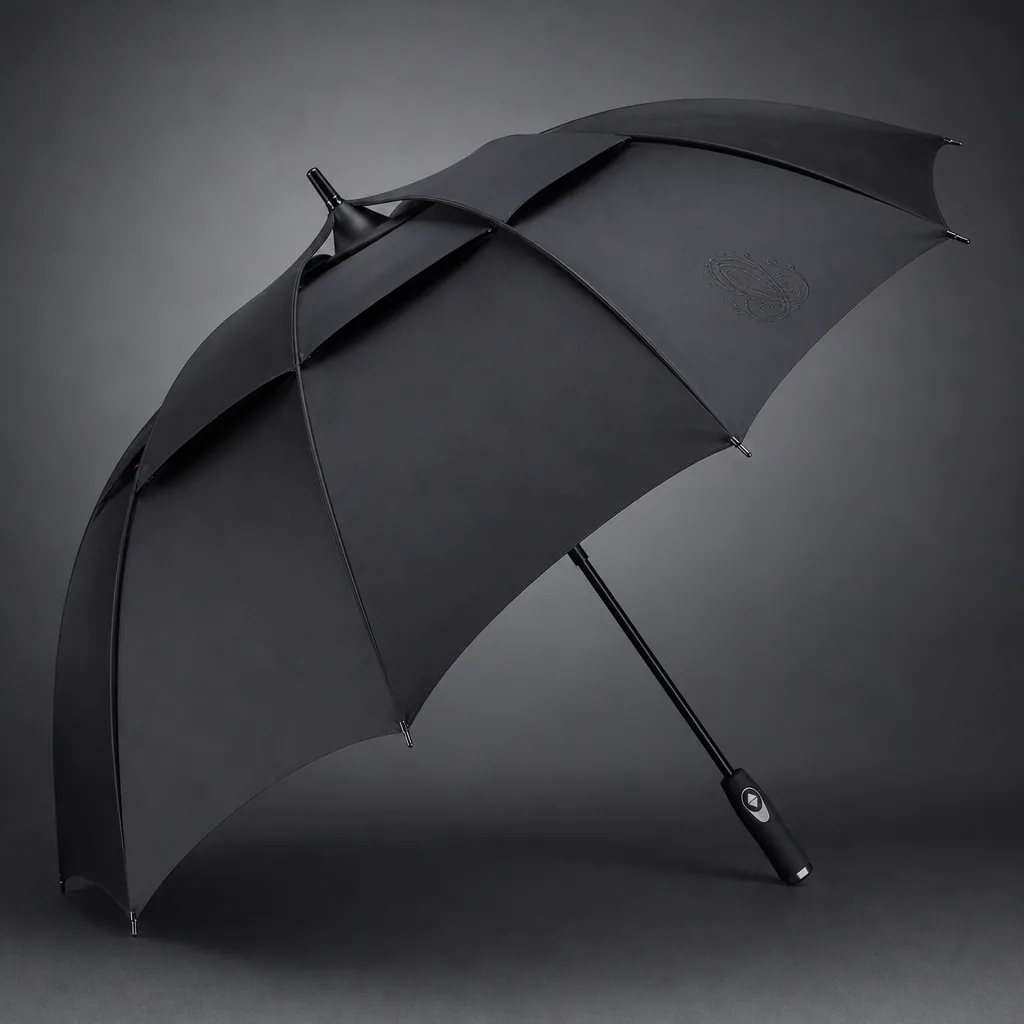
Custom Stick Umbrellas: Buyer Guide for Premium Brand Programs
Compare stick umbrella frames, canopy fabrics, handles, opening systems, MOQ, and QC checks for premium retail, hospital...
Read More »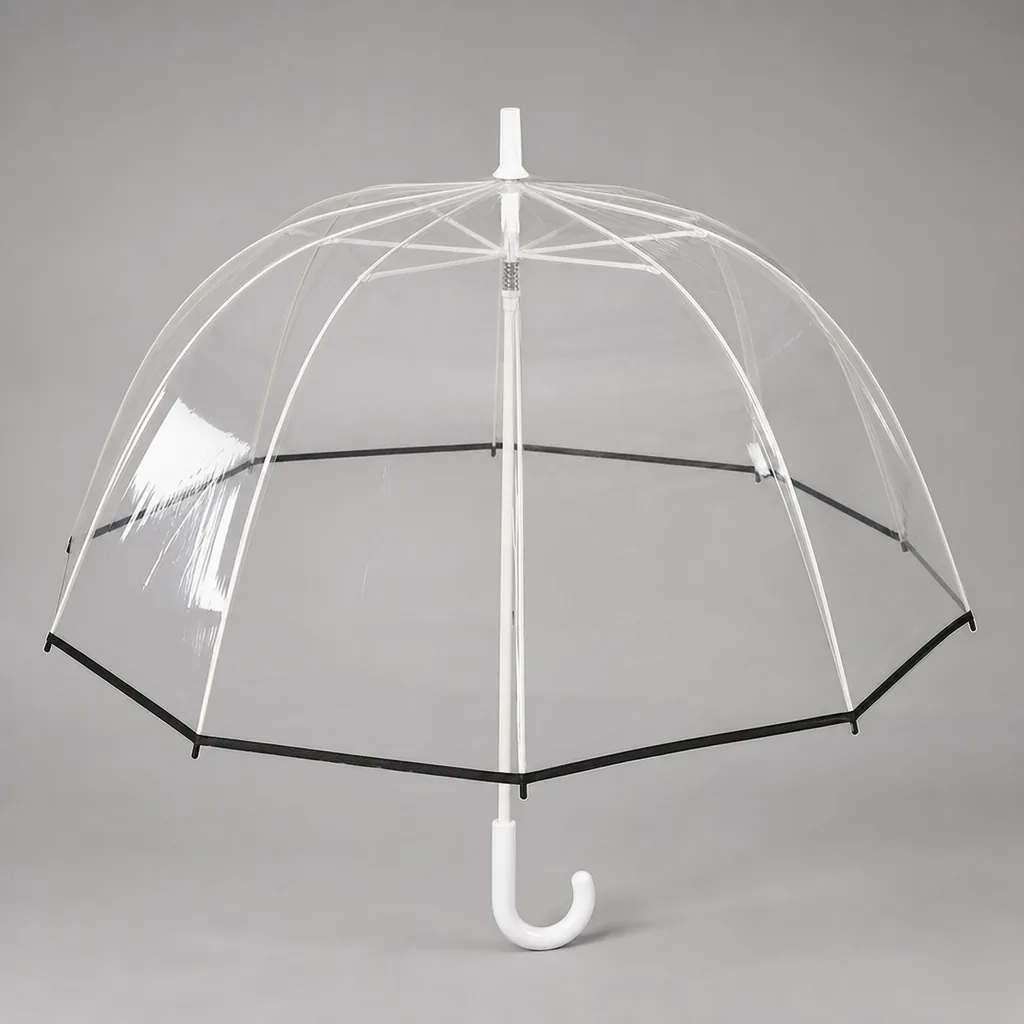
Executive Stick Umbrellas: Specs for Corporate Gift Buyers
Choose executive stick umbrellas with the right shaft, ribs, canopy fabric, handle finish, logo method, MOQ, QC, and lea...
Read More »