How to Choose a Walking Umbrella for Retail and Promo Use
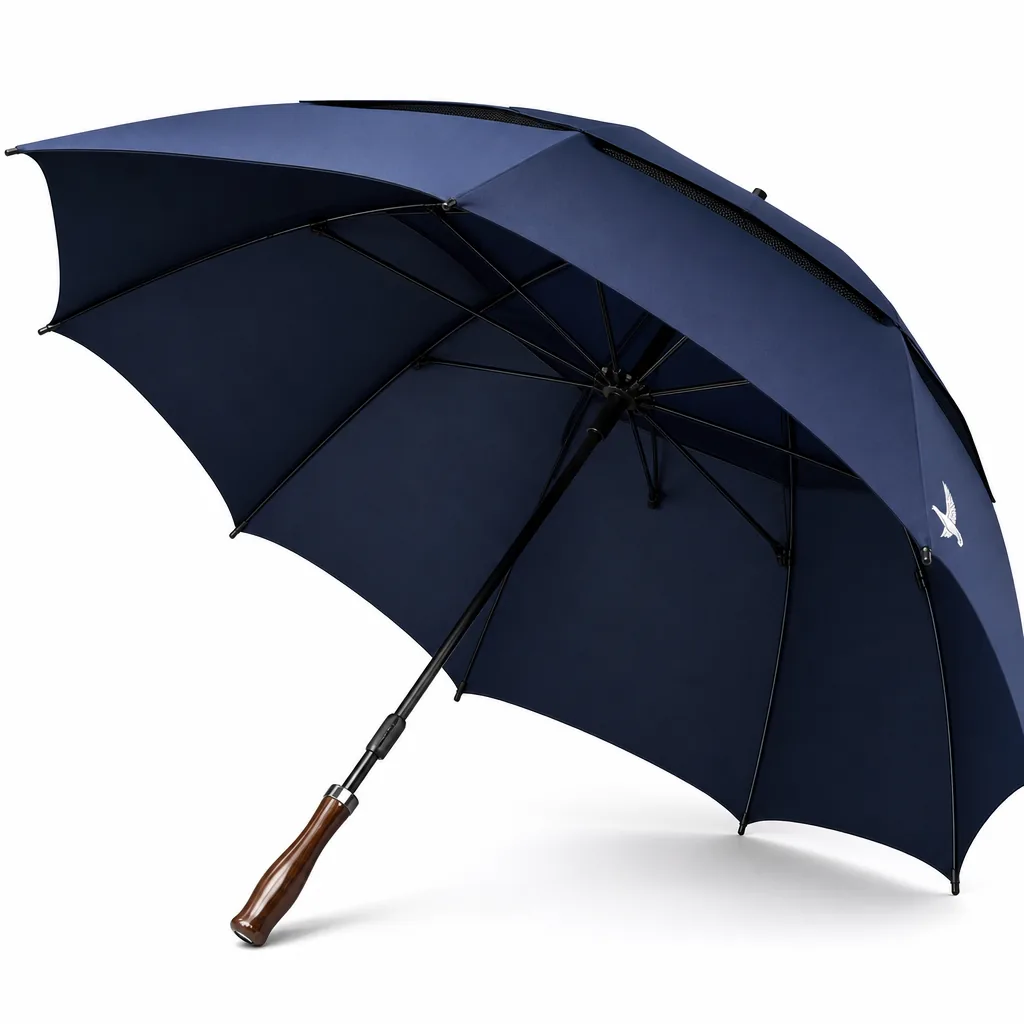
Choosing a walking umbrella for retail or promo use is less about picking a pretty canopy and more about locking down the right build before orders leave the factory floor. The wrong shaft, ribs, handle, or print method can turn a simple SKU into returns, broken samples, and missed margins. For buyers, the key is to match the walking umbrella specification to real use, branding needs, and the durability customers expect.
Walking umbrella use cases and target buyer profiles
Walking umbrellas fit best in retail, corporate gifting, hospitality, and higher-visibility promotion because they trade portability for presentation and durability. A typical walking umbrella specification for these buyers is 21" to 27": 21" for compact city use, 23" as the standard retail size, and 27" when the buyer wants more coverage and a stronger in-hand presence. End users usually expect a manual or auto-open button, a crook or straight handle, and enough canopy span to cover a coat or business outfit without feeling flimsy. For the canopy, 190T or 210T pongee is the common choice because it prints cleaner than low-grade PVC and feels more substantial in daily use. That makes the straight umbrella a better fit than a folding model when appearance, shaft strength, and branding area matter more than pocket-sized carry.
For a straight umbrella buyer guide, the frame spec usually drives both cost and durability. A custom umbrella frame with a fiberglass rib structure and steel shaft typically gives better wind resistance and a better weight balance than an all-steel build, especially for hotel entrances, museum shops, banks, and commuter-facing brands. Promo programs often keep the build simple to control budget: 8K or 10K ribs, manual open, straight handle, and a 190T or 210T pongee canopy. That approach keeps MOQ umbrella orders practical while still delivering a product that feels more premium than a folding umbrella. Corporate gifting and hospitality buyers also need consistent color, individual packaging, and AQL 2.5 inspection standards because the umbrellas go to employees, guests, or VIPs, not anonymous mass distribution. Choose a straight umbrella when it will stay by a door, in a car, or at a concierge desk; choose a folding model only when daily bag carry is the priority.
Frame choices: steel, fiberglass, and mixed-build options
Steel is the cheapest frame choice for a walking umbrella, and it still makes sense for mass retail when the target price is tight. A basic custom umbrella frame in steel usually pairs a 190T pongee canopy with an 8K layout and a 10 mm or 11 mm shaft. That build is fine for promo giveaways and low-cost retail, but it is heavier than fiberglass and more vulnerable to rust at the ferrule, rivets, and slider if plating is thin. Buyers who need better carry comfort or longer in-store life should not overspec the canopy print and under-spec the frame; the frame drives breakage, return rate, and the true walking umbrella specification. For FOB or DDP planning, steel keeps unit cost down, but only if the buyer accepts lower wind performance and shorter service life.
Fiberglass is the better choice when flexibility and wind recovery matter more than the lowest landed cost. Fiberglass ribs and stretchers bend and spring back better than steel, so they reduce permanent set and snapped ribs in daily commuter use. A practical middle-ground spec is a 10K or 12K fiberglass frame with a 10 mm shaft and a 190T or 210T pongee canopy; that is usually strong enough for standard retail without the weight penalty of a full steel build. Mixed-build options often give the best balance for MOQ umbrella orders: steel shaft with fiberglass ribs, or steel upper shaft with fiberglass lower sections and ribs. Buyers should keep wind claims realistic. For an 8K frame, 30 mph is a defensible target; for a reinforced 16K frame with strong joints, 40–50 mph is plausible if the design is tested and the umbrella has not been overpromised. Anything beyond that needs actual bend-cycle and wind testing, not marketing copy.
Rib count changes both appearance and cost. An 8K frame is simpler, cheaper, and easier to quote for promotion programs, but it creates wider panels and a more basic look. A 16K frame gives finer panel shaping, better load sharing, and a more premium feel, which can help in retail if the buyer wants a cleaner shelf presentation. The tradeoff is straightforward: more ribs mean more parts, more labor, and more inspection points, so the unit price rises. Shaft thickness matters just as much. A tube that is too thin feels loose and shortens service life; a shaft that is too heavy discourages everyday carry. For a straight umbrella buyer guide, start with the use case first—promo, commuter, or retail shelf—then select the rib count, shaft wall thickness, and steel/fiberglass mix to match cost, durability, and lead time rather than chasing inflated wind claims.
Canopy fabric and protection specs to request
For a walking umbrella specification, start with the canopy fabric and print method. Pongee 190T is the lower-cost option: lighter in hand, slightly more translucent, and usually the better fit for high-volume promo runs with simple 1–2 color artwork. Pongee 210T has a denser weave, which improves rain resistance, reduces pinholing, and gives cleaner edges for logos, fine text, and full-panel printing. It also feels more substantial on a retail shelf, which is why 210T is usually the safer default for a straight umbrella buyer guide aimed at store programs. If you are managing MOQ umbrella orders, 190T can still be the right choice when the price target matters more than a premium hand feel. Ask the factory to confirm panel alignment, seam density, and color fastness expectations before sampling; for retail use, you want the canopy to hold color after repeated wet-dry cycles and sun exposure.
Specify UPF 50+ only when the umbrella will be sold as a sun-protection item or used for outdoor events, golf, beach, or other UV-exposure channels. Standard pongee blocks rain but does not deliver meaningful UV protection without a coating such as silver, black, or another UV-treated finish. That layer can change the hand feel, so request a sewn sample and check whether the canopy still opens and closes cleanly. Also ask for double-needle seam construction, reinforced top cap finishing, and leak control at the panel joints; failures usually start at the seams, not in the fabric face. For retail programs, set a color fastness target before production so printed and solid-color canopies do not fade quickly.
Venting is the other canopy spec to decide early. A vented double-canopy design improves wind release and can reduce inversion, but it changes the panel layout and may reduce available print area. If the end market sees stronger wind, pair the canopy with the right custom umbrella frame rather than assuming a thicker fabric will solve the problem. The practical buying rule is simple: lock in fabric grade, coating, seam quality, venting, and color fastness at the quote stage, then verify the approved sample before bulk production. That keeps cost, durability, and lead-time risk under control without over-specifying the order.
Handle, opening, and branding decisions
For retail and promo programs, the opening system should be specified first because it affects unit cost, weight, and return risk. Manual open is usually the better fit for tight MOQ umbrella orders: fewer moving parts, lower assembly cost, and less chance of spring or runner failure in transit. Auto-open raises perceived value and works well for gift sets, but it adds a button mechanism, slightly more carton weight, and a higher inspection burden if the runner is weak. In a walking umbrella specification, state the operation type, shaft construction, and basic test expectation, not just “auto” or “manual.” For bulk shipping, manual models usually pack a little tighter, while auto-open units need more clearance around the runner and tip to reduce FOB or DDP damage claims.
Handle choice drives how the umbrella feels in hand and how efficiently it packs. J-hook handles are the standard retail format because they hang on display hooks and shopping carts, while straight handles suit corporate gifting and boxed presentation. Grip material changes both cost and perceived value: PP and wood-look handles are compact and economical; EVA and molded rubber feel more premium but add tooling cost and bulk. A custom umbrella frame should match the handle weight so the shaft does not twist during use. If the grip is oversized or soft-touch, check carton fit early, because a bulkier handle can reduce units per carton and raise freight cost. For distributors, a simple matte finish often hides minor shaft scuffs better than gloss, which helps keep inspection outcomes closer to AQL 2.5.
Branding should be planned around the opening style, panel count, and packing format. Panel print works best on an open canopy, especially on 8K or 16K walking umbrellas where a logo can be split cleanly across panels without crowding the seams. On a pongee canopy, screen print is the practical choice for solid logos and lower decoration cost, while heat transfer fits smaller runs and more detailed artwork. Sleeves and belly bands improve giftability and keep cartons neat for distribution, but they do not replace direct print when shelf impact matters. Put print placement in the walking umbrella specification and state whether the artwork must survive repeated folding at the ribs, because heavy ink near seam lines can crack. For brand owners, the trade-off is straightforward: more decoration improves presentation, but it also adds handwork, slows packing, and increases the risk of print defects during inspection.
MOQ, sampling, QC, and trade terms for import orders
Before you issue a PO, lock the walking umbrella specification in writing: open size, 21"/23"/27"/30" canopy, 190T or 210T pongee canopy, steel or fiberglass ribs, 8K/10K/16K rib count, manual or auto-open-close, shaft diameter, handle style, and print placement. Those details determine unit price, MOQ umbrella orders, carton loading, and the final custom umbrella frame build. If the canopy is single-layer or vented, state it now; if you need UPF 50+ or a Teflon coating, include that too. A stable quote only works when the factory is pricing the same build on every line of the order, not a loose description that changes after sampling.
Treat sampling as a schedule, not a favor. Require three signoffs: artwork approval, blank test sample, and pre-production sample, each dated and tied to the exact file version or Pantone reference. If the logo, panel count, or panel layout changes after approval, stop the schedule and reissue the sample. For promotional programs, separate sample lead time from bulk lead time, and confirm whether the sample charge is refundable or credited against the PO. This protects launch dates and prevents the most common delay: remaking samples after fabric, ribs, or handles have already been booked.
Put QC and trade terms into the PO, not email. State AQL 2.5 for inspection and list critical defects as zero tolerance: broken tips, failed open/close function, major print misregistration, and frame failure. Add carton specs in full: units per carton, inner polybag yes or no, carton dimensions, gross weight, and pallet requirement. Then define FOB or DDP by named port or destination so freight, duty, and delivery responsibility are clear. Typical lead times are 30–45 days for repeat artwork and 45–60 days for new artwork or a new pongee canopy, but only after artwork approval, deposit, and packing data are complete and the production slot is released.
Frequently Asked Questions
What is the best frame build for a retail walking umbrella?
For most retail programs, a fiberglass or mixed fiberglass-steel build offers a better balance of durability and cost than all-steel. If the market is windier, specify 8K or 16K ribs and ask for sample testing before mass order.
When should a buyer specify UPF 50+ on a walking umbrella?
Specify UPF 50+ when the umbrella will be sold for sun protection, outdoor events, or summer retail assortments. Ask the factory to confirm the coating, fabric, and test method so the claim matches the product spec.
What frame specs should I request for a walking umbrella sold at retail?
For retail programs, ask for a fiberglass or reinforced metal frame, 8-rib or 16-rib options depending on wind performance, and a shaft thickness that matches the target price point. Many buyers also request a metal tip and runner tested for at least 5,000 open-close cycles to reduce returns.
What canopy fabric works best for custom promo walking umbrellas?
Pongee is the most common choice for a smoother print surface and better water shedding than basic polyester. For mid-range promo orders, 190T or 210T pongee is typical, and many importers choose UV coating if the umbrella will be used as a premium giveaway.
How should I plan MOQ and lead time for a custom walking umbrella order?
A typical MOQ for OEM walking umbrellas is often 300 to 500 pieces per color or design, but it can be higher for special handles or custom frames. Standard production usually takes about 25 to 35 days after sample approval, with additional time needed for packaging or test reports.
Looking to Launch Your Custom Umbrella Line?
ZheBrella is a Zhejiang-based OEM/ODM umbrella manufacturer with 17 years of export experience. Free design, low MOQ from 100 pieces, windproof construction, full-color print.
Get Free Quote Now »People Also Search For
Related Articles
How to Specify a Stick Umbrella for Retail and Hotel Buyers
Learn how to spec stick umbrellas for retail and hotel programs, including ribs, canopy fabric, handle options, MOQ, QC,...
Read More »
How to Choose a 2-Fold Umbrella for Retail Programs
Compare 2-fold umbrella builds, rib counts, fabrics, and pack size so buyers can source the right retail model with fewe...
Read More »
Buyer Guide to Sun and Rain Umbrella Specs for Dual Use
Specify one umbrella for sun and rain with the right fabric, frame, coating, and testing so retail and promo programs me...
Read More »