Buyer Guide to Sun and Rain Umbrella Specs for Dual Use
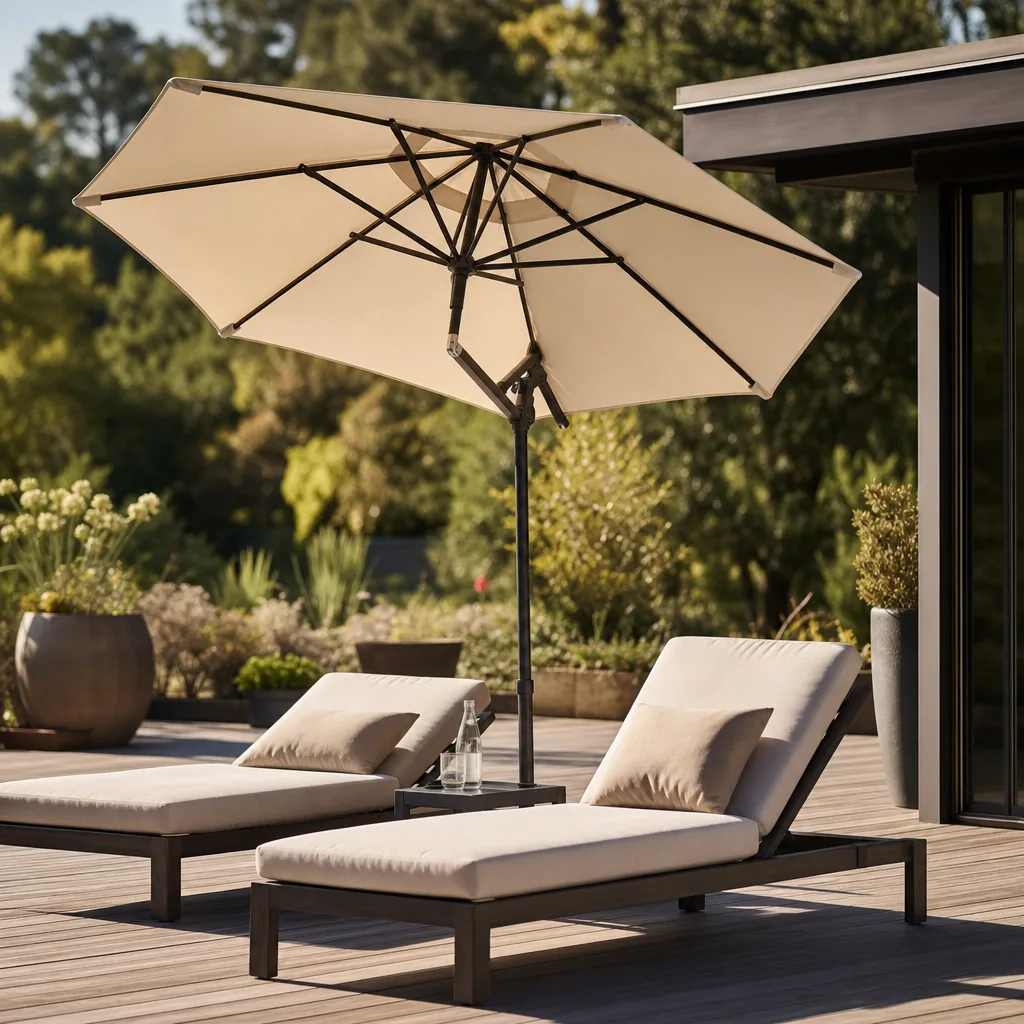
Buying a sun and rain umbrella sounds simple until one spec has to perform in UV, wind, and sudden downpour without adding cost or complaints. On the factory floor, the difference comes down to how the canopy fabric, coating, frame gauge, and test standard work together, because a product that feels fine in samples can fail after retail handling or promotional use. The right build starts with choosing materials and validation that match both weather demands, not just the lowest unit price.
- 1. Start with the use case: rain protection, UV blocking, or both
- 2. Specify the canopy fabric and coating for UV and water performance
- 3. Build the frame for both corrosion resistance and everyday use
- 4. Balance canopy size, weight, and user comfort
- 5. Set compliance, sampling, and order terms before production
Start with the use case: rain protection, UV blocking, or both
A dual-use sun and rain umbrella makes sense when one SKU has to handle both UV exposure and sudden showers. That is common in retail chains, tourism programs, golf shops, and outdoor staff uniforms, where the same product may be carried all day and used across seasons. Start with the use case before you choose decoration or handle style: rain-only buyers can usually stay with a 190T or 210T polyester or pongee canopy, while shade-only buyers are better served by a dedicated parasol or larger UV canopy. For an OEM buyer guide, define climate, seasonality, and user expectations first. Hot, humid markets with strong UV need different materials than cool, wind-heavy cities or short commuter trips, and the wrong spec drives returns as fast as the wrong color.
For a true sun and rain umbrella, specify the build layer by layer: canopy fabric, coating, frame, size, and opening system. A UPF 50+ umbrella with a pongee canopy, UV silver or black coating, and a water-repellent finish gives better sun blocking and faster water shedding than a basic rain-only build. In windy coastal or street-use programs, a fiberglass frame is usually a safer choice than all-steel ribs, especially in 21" to 23" folding sizes with 8K or 10K ribs that are carried daily. For retail or resort programs that need more coverage, 16K vented double-canopy constructions improve stability but add weight and cost. Choose compact carry, commuter convenience, or longer outdoor exposure before you lock the spec.
Buyers should separate function from logistics early, because both affect cost and lead times. For tourists or staff programs, decide whether manual, auto-open, or auto-open-close operation fits the user and the expected failure rate. Then set the commercial terms up front: MOQ, target AQL 2.5 inspection level, and whether you need FOB or DDP pricing. Lead times shift with canopy coating, print method, and frame sourcing, so seasonal demand should be planned before placement. For many programs, a 23" auto-open-close sun and rain umbrella with a fiberglass frame is a practical middle ground; if users need more coverage or longer outdoor duty, a 27" build is often the better fit.
Specify the canopy fabric and coating for UV and water performance
For a sun and rain umbrella, the canopy spec should be set by opacity, UV control, print quality, and dry time. Pongee 190T is the entry point: it is light, folds cleanly, and takes screen print or heat transfer well, but it usually needs a coating or backing to perform as a true dual-use canopy. Pongee 210T is the more practical OEM choice for most folding umbrellas because the tighter weave reduces pinholes, improves rain shedding, and holds color better on printed panels. If the buyer needs stronger blackout performance or a more premium hand feel, higher-density pongee can work, but the finish must be checked for seam leakage, needle holes, and cracking at the fold lines after repeated opening. For smaller folding models, the canopy is often 21" to 27"; larger coverage usually adds weight and changes drying time. A fiberglass frame is the better match when wind flex matters more than the lowest unit cost.
Do not assume UPF 50+ from fabric weight alone. Request finished-product UPF 50+ testing when the umbrella will be sold for long outdoor exposure, because weave density, panel overlap, color, and coating all change the result. Black coating is the most reliable way to reduce transmitted UV through light outer fabrics; silver backing is useful when the buyer wants a reflective interior and lower heat buildup. If rain performance matters, specify a water-repellent finish such as DWR or a PU/acrylic treatment, since a base pongee canopy will not bead water consistently on its own. Ask the factory to confirm coating thickness, flex crack resistance, and spray performance on preproduction samples before mass cutting starts, especially for a compact sun and rain umbrella that will be opened and closed daily.
An OEM buyer guide should lock the full canopy spec before production: fabric count, coating position, target color, UPF test standard, water-spray result, and acceptable rub or abrasion limits. Those details drive MOQ, lead times, and remake risk more than most buyers expect. If the order uses 190T, 210T, or a higher-density pongee canopy, the approval sample should also show whether the finish is black-backed, silver-backed, or top-coated for water repellency. That prevents late changes after pattern cutting begins and keeps the quote stable for bulk production. At ZheBrella, we verify shade, coating behavior, and water shedding on preproduction samples before release to bulk, because fixing a canopy spec after cutting starts costs more than choosing the right finish at the start.
Build the frame for both corrosion resistance and everyday use
For a sun and rain umbrella, the frame spec should be driven by corrosion resistance, opening cycle life, and landed cost. Fiberglass is the safest default for ribs because it does not rust, flexes in gusts, and is less likely to split a pongee canopy during repeated use. Steel still has a place in straight shafts or other load-bearing points when the buyer wants a lower piece price and a firmer carry feel, but exposed steel needs plating, powder coat, or another anti-corrosion finish for humid or coastal markets. Aluminum is useful when weight reduction matters, especially in travel formats; it cuts carry fatigue, but thin-wall aluminum can dent or drift out of alignment faster than a fiberglass frame, so wall thickness and tube tolerances must stay controlled.
Rib count and joint quality determine how the umbrella survives daily opening and closing. An 8K structure is a practical baseline for everyday use because it keeps cost down while giving enough canopy support for a compact build. A 16K structure creates a rounder profile and better tension distribution, which is useful on a UPF 50+ umbrella or larger canopy, but only if the spreader joints, ferrules, and runner fit tightly. Stronger joints matter more than rib material alone: loose rivets, weak notch points, or poor hinge fit will develop play after a few hundred cycles. Well-made fiberglass ribs with reinforced joints usually hold alignment better than cheaper mixed-metal assemblies, especially when the umbrella is opened and closed multiple times a day.
For an OEM buyer guide, specify shaft wall thickness, rib diameter, joint reinforcement, and the coating system before you approve print or color. If the design uses exposed metal, require plated or stainless fasteners and confirm the anti-rust treatment on steel parts. Match the frame to the use case: a travel sun and rain umbrella may justify an aluminum shaft for lower weight, while a retail model can support thicker fiberglass ribs for longer service life. Lead times track with complexity as well. Standard 8K or 10K builds usually move faster, while custom 16K or mixed-material frames add days because assembly, tolerance control, and AQL 2.5 inspection take longer.
Balance canopy size, weight, and user comfort
Arc size is the first decision that affects both shade and portability in a sun and rain umbrella. A 21" or 23" foldable model is usually best for handbag or backpack carry because the closed length stays compact and the packed diameter is easier to manage on a daily commute. Move to 27" or 30", and you gain more shade for the shoulders and upper body, which helps during walking, transit waits, or cart use, but you also add weight, bulk, and a wider folded profile. That extra coverage is not free: larger canopies use more pongee canopy material, longer ribs, and a stronger stretcher set, so unit cost rises before printing, packaging, or carton changes are added. In an OEM buyer guide, the key question is whether the umbrella still matches the intended carry method without becoming inconvenient.
Handle ergonomics should track finished weight, not just the CAD drawing. A slim EVA or rubberized grip works well on lighter manual styles, while a model above about 450–500 grams can cause hand fatigue on longer walks if the handle shape is poor. Auto-open or auto-open-close hardware improves convenience, but it adds parts and can shift balance if the shaft and ferrule are not controlled. A fiberglass frame is usually the better comfort choice than steel because it lowers weight and flexes under gusts instead of sending shock into the wrist; an 8K or 10K fiberglass frame often carries more comfortably than a heavier 12K steel build of similar size. For an UPF 50+ umbrella, a 190T or 210T pongee canopy is the practical mid-market spec: it holds up in sun and rain, dries quickly, and sews cleaner than low-grade polyester. Teflon coating, venting, or a larger 27" to 30" arc all raise material cost and can extend lead times by several days, so confirm the tradeoff before sampling and mass production.
Set compliance, sampling, and order terms before production
Do not approve a sun and rain umbrella from a PDF alone. Request a physical pre-production sample and check three items on the bench: Pantone color match, coating performance, and logo placement on the panel or sleeve. If the product is sold as an UPF 50+ umbrella, confirm whether the rating applies to the fabric only or to the finished canopy, and ask for the test method used on the pongee canopy or other shell material. For a fiberglass frame, verify rib count, tip alignment, and opening tension before sign-off. This is the cheapest point to correct print position, seam allowance, coating finish, or panel registration before bulk cutting starts.
Put the commercial terms in writing before deposit. The OEM buyer guide should specify AQL 2.5, carton dimensions, inner-pack count, master-pack quantity, and any insert requirements for hangtags or warning labels. Confirm MOQ by colorway and by packaging format, since retail cartons and export master packs often differ. Lock the trade term as FOB or DDP, name the party responsible for freight and destination rework, and define who books the forwarder. These terms set landed cost, damage exposure, and claim handling far more than the factory unit price.
Match lead times to the actual spec, not the sales sheet. A standard custom sun and rain umbrella with a printed pongee canopy and fiberglass frame usually takes 30 to 45 days after sample approval and deposit; first-time custom programs often need 45 to 60 days because artwork, panel cutting, and line setup add steps. Changes to panel count, vent style, handle finish, or individual retail packing can add days and increase MOQ. Freeze carton spec and master-pack structure before bulk sewing starts, then keep the approval sample, carton master, and PO terms aligned so the order stays on schedule.
Frequently Asked Questions
Can one umbrella really work for both heavy rain and strong sun?
Yes, if the buyer specifies the right fabric density, UV coating, and frame strength. A dual-use model should still be chosen based on the primary use, because rain and sun performance are not identical priorities.
What spec should a buyer ask for if they want UV protection?
Ask for UPF 50+ verification, not just a dark color claim. Pair that with a dense pongee canopy and a coating or backing designed to reduce UV transmission.
What canopy spec works best if the same umbrella must handle both UV protection and daily rain use?
For dual-use programs, buyers typically choose 190T pongee with a black UV undercoating or silver outer coating, depending on the design brief. A common retail-ready target is UPF 50+ with hydrostatic performance suitable for light-to-moderate rain, then validating both claims through fabric and finished-goods testing before mass production.
How should a buyer balance UV performance with color accuracy on custom printed umbrellas?
Black UV coatings usually preserve external print appearance better than silver coatings, which can affect color presentation and metallic reflectivity. If exact Pantone matching matters, request a pre-production sample on the final coated fabric and confirm whether the coating is applied on the inside or outside panel surface.
What is a realistic OEM timeline for a dual-use umbrella that needs new materials and compliance testing?
If stock components are used, sampling often takes 7-15 days, while a new coated fabric or frame configuration can push development to 20-30 days. Bulk production is commonly 35-60 days after sample approval, and lab testing for UV and physical performance can add about 5-10 working days depending on the test scope.
Looking to Launch Your Custom Umbrella Line?
ZheBrella is a Zhejiang-based OEM/ODM umbrella manufacturer with 17 years of export experience. Free design, low MOQ from 100 pieces, windproof construction, full-color print.
Get Free Quote Now »People Also Search For
Related Articles
UPF 50+ Umbrella Fabric and Frame Guide for Sun Protection
Specify fabrics, coatings, canopy coverage, and frames that deliver UPF 50+ performance for retail and promotional sun u...
Read More »
Blackout Coated Rain Umbrellas: Retail Buyer Spec Guide
Specify blackout coated rain umbrellas with UPF 50+, pongee fabric, frame choices, print limits, MOQ, and AQL checks for...
Read More »
Blackout Coated Umbrellas: Buyer Specs for Rain and Sun
Source blackout coated umbrellas with the right pongee, UPF 50+ layer, frame, print method, and QC tests for rain-and-su...
Read More »