Supply-Chain Mapping and Traceability for Umbrella Importers
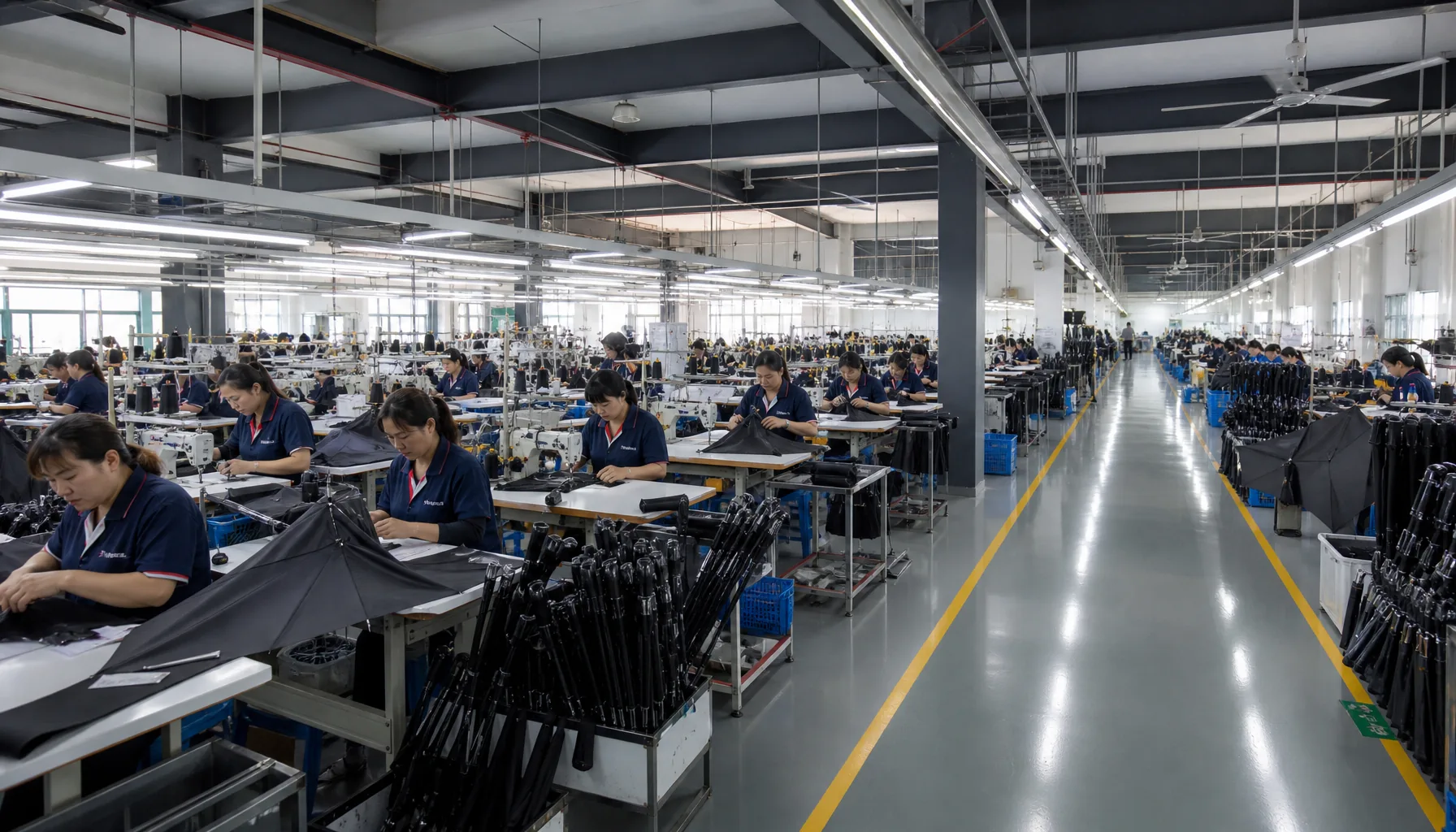
For umbrella importers, the risk rarely sits at the final assembly line; it hides in the fabric mill, the frame stamper, the coating house, and the logistics links between them. From our factory floor experience, umbrella supply chain mapping has become essential for proving compliance, tracing defects back to root cause, and reducing surprises when an upstream supplier changes materials, labor practices, or process controls.
Why mapping beyond tier 1 matters
If you stop at the assembly factory, you are missing where most of the real risk sits. In umbrella supply chain mapping, tier 1 is usually just the plant that cuts fabric, assembles frames, and packs cartons; the upstream nodes are where the compliance problems start. Fabric mills can source dyes and coatings with restricted chemicals, frame makers may use recycled steel with weak material controls, and coating shops can apply UV, Teflon, or waterproof finishes without stable documentation. If a buyer only audits the assembler, they can still end up with noncompliant pongee 190T or 210T, inconsistent fiberglass quality, or a canopy finish that fails REACH, PFAS, or buyer-spec durability tests.
A proper umbrella traceability program has to include the fabric mill, frame supplier, rib wire or fiberglass sub-supplier, handle factory, printing shop, and any external coater. That is what umbrella due diligence actually looks like on the ground: checking purchase records, batch codes, dye lots, coating formulas, and whether the same sub-supplier feeds multiple factories. I have seen a clean-looking assembly plant pass a customer audit while the hidden sub-supplier was the one using unstable resin, low-grade steel wire, or undocumented labor practices. If you want traceable umbrella sourcing, you need to know which plant made the canopy cloth, which shop bent the ribs, and which line applied the final coating before the product ever reaches the assembler.
What to map for an umbrella
For umbrella supply chain mapping, start with the four nodes that actually determine quality and lead time: canopy fabric mill, rib/frame supplier, coating and printing partner, and packaging converter. If the importer only knows the final assembler, they miss the failure points that create most claims: delamination in coated pongee, broken steel tips from poor tempering, ink rub-off on sublimation, and carton collapse in humid transit. In practice, umbrella traceability should tie each finished SKU back to the fabric lot, rib set, coating batch, and pack-out date, not just a generic purchase order.
The canopy fabric mill matters because 190T and 210T pongee, POE, PVC, and EVA do not behave the same under UV coating, heat-transfer printing, or seam sealing. A proper umbrella sub-supplier audit should verify fabric lot control, coating chemistry, colorfastness, and whether the mill can document GSM, width, and finishing batch. On the frame side, you need separate visibility for fiberglass ribs, steel ribs, runners, tips, springs, and ferrules, because a supposedly identical 8K auto-open model can vary a lot if one sub-supplier uses recycled steel wire or inconsistent fiberglass layup. That is where umbrella due diligence pays off.
Packaging is not an afterthought; it is part of traceable umbrella sourcing because weak cartons, wrong polybag gauge, or missing hangtags can create chargebacks before the product even reaches retail. For customs and claims control, map the packaging converter, master carton spec, barcode application, and any country-of-origin marking step. Our standard practice is to link these nodes into one batch record so a buyer can trace a failed 21-inch auto-open-close umbrella back through the print house, frame shop, and pack-out line, which is the only practical way to make umbrella supply chain mapping useful instead of just paperwork.
Drivers: compliance, ESG, and due diligence laws
Umbrella supply chain mapping is no longer a nice-to-have spreadsheet exercise; it is what importers need when customs, retailers, or auditors ask where the steel wire, fiberglass ribs, polyester yarn, and coating chemicals actually came from. Forced-labor rules and import detentions are pushing buyers to document every tier that matters: canopy fabric mills, dye houses, rib extruders, plating shops, handle molders, and carton suppliers. If you cannot show who made the 190T pongee, who galvanized the steel, and which factory assembled the 16K frame, you do not have umbrella traceability — you have a bill of materials with gaps.
The EU side is moving in the same direction through due-diligence expectations, and that pressure is spreading into US and UK retail compliance programs. In practice, umbrella due diligence means tracing labor risk, country-of-origin claims, chemical compliance, and subcontracting behavior before the PO ships, not after a problem surfaces. A real umbrella sub-supplier audit looks at whether the canopy printer outsources night shifts, whether the rib supplier runs parallel lines without disclosure, and whether second-tier material sources can be matched to purchase records, test reports, and batch codes.
Customer ESG demands are also getting more specific, especially for promotional-product distributors and private-label brands that sell to schools, airports, and corporate accounts. They want traceable umbrella sourcing with evidence on recycled content claims, PFAS-free or low-fluorine water repellency, packaging reduction, and factory social compliance, not vague statements on a product page. Our standard practice is to keep a tiered supplier register tied to lot numbers, inspection records, and production dates so an importer can answer basic questions fast: which factory built the umbrella, which sub-supplier supplied the components, and which shipment carried the risk.
Getting traceability data from suppliers
Getting useful traceability starts with forcing the first-tier supplier to name its own upstream sources, not just hand over a trading-company certificate and a glossy factory profile. For umbrella supply chain mapping, I want a written bill of materials that lists the frame mill, fabric mill, coating house, handle maker, and any printing subcontractor, plus the exact material spec for each: 190T or 210T pongee, POE, PVC, fiberglass rib, steel shaft, EVA grip, and coating type such as Teflon or UV 50+ treatment. If a supplier cannot identify where the ribs, tips, fabric, and mechanism come from, that is not traceable umbrella sourcing; it is guesswork with a purchase order attached.
Certificates matter, but only if they match the actual factory and product. A real umbrella traceability file should include business license, export registration, ISO 9001 if they claim it, and product test reports for REACH, CA65, or local chemical limits when relevant; for retail programs, I also ask for colorfastness, spray test, and wind resistance results tied to the exact 21-inch, 23-inch, 27-inch, or 30-inch style being bought. On the floor, the fastest way to spot a weak file is a mismatch between the named legal entity, the address on the invoice, and the site where sewing, printing, or final assembly actually happens. That is where umbrella due diligence starts: verify the paper trail against the physical process, not against what the salesperson says over email.
For higher-risk programs, an umbrella sub-supplier audit should go beyond the umbrella assembler and inspect the sub-tier shops that cut canopy panels, plate frame components, or do heat-transfer printing. I look for batch coding, incoming inspection records, inline AQL 2.5 reports, and retained samples so a buyer can trace one failed umbrella back to a specific fabric lot or rib lot within hours, not days. In practice, the best suppliers can show a chain from raw material receipt to carton label and carton count, with photos or ERP records for each step; if they cannot, your corrective action should require lot-level identification, approved sub-supplier lists, and written disclosure of any outsourced stitching or printing before the next PO is released.
Using the map to reduce risk
A usable umbrella supply chain mapping tells you where the failure will happen before the customer does. If a ferrule supplier in Shangyu slips a week, or a fabric dyer loses a shade lot, you can isolate the problem to one rib set, one canopy roll, or one container instead of freezing the whole PO. That matters because umbrellas are not single-part goods; a 23" auto-open stick umbrella with steel shaft, fiberglass ribs, and 190T pongee has at least four critical dependency layers, and each one can break the schedule. Good umbrella traceability lets a buyer decide quickly whether to release partial shipment, rework one colorway, or reroute production to a backup line without guessing.
The compliance side is just as practical. When you have umbrella supply chain mapping down to the frame shop, sewing line, printing partner, and carton plant, an umbrella sub-supplier audit becomes a targeted check instead of a broad fishing expedition. That is how you verify REACH, cadmium, phthalates, PFAS-free coating claims, and carton labeling without stopping every vendor at once. For traceable umbrella sourcing, the useful documents are not glossy certificates; they are lot numbers on canopy rolls, incoming IQC records, sewing batch codes, and shipping marks tied back to each PO. If a market authority questions a 16K vented windproof model with UV coating, you can show exactly which resin batch, which fabric mill, and which test report belong to that shipment.
Visibility also cuts financial risk because it shortens the time between problem detection and corrective action. If one sub-supplier is late on fiberglass ribs, you can switch to an approved alternate, change the mix to steel for one order, or reschedule AQL 2.5 inspection before cartons are packed, instead of discovering the shortage at loading. We use this kind of umbrella due diligence to protect lead times in the 25-40 day range and to keep FOB and DDP commitments realistic when raw material prices move or port schedules slip. In practice, the value of umbrella supply chain mapping is simple: fewer blind spots, faster containment, and a much better chance of shipping the right umbrella, with the right compliance file, on the first try.
Frequently Asked Questions
Why should I map my umbrella supply chain beyond the factory?
Because the assembly factory buys fabric, frames, coatings, and packaging from sub-suppliers who carry their own compliance and ESG risk. Forced-labor enforcement, chemical compliance, and customer due-diligence requirements increasingly demand visibility past tier 1 — and you can't manage risk you can't see.
How do I get sub-supplier information from my factory?
Build it into the relationship: request a supplier disclosure of key sub-tier sources (fabric mill, frame maker), collect their certificates (OEKO-TEX, GRS, compliance reports), and verify through audits. Reputable factories will share this; reluctance to disclose is itself a risk signal.
What sub-tier information should an umbrella importer request from the factory?
At minimum, ask for the names and locations of the fabric mill, frame supplier, coating/lamination supplier, and any outsourced printing or packaging vendors. For compliance reviews, request material specs, batch records, and a current supplier list tied to the production order.
How far back should umbrella traceability go for due diligence?
Most buyers map at least two tiers: the assembly factory plus the critical sub-suppliers for fabric, frames, and coatings. If the sourcing program includes ESG or restricted-substance checks, traceability should extend to the raw material source or the certificate holder for those inputs.
What lead time impact should buyers expect when adding traceability requirements?
If the factory already keeps organized supplier records, document collection usually adds 3-7 business days to the onboarding or audit cycle. If sub-suppliers are not already approved or documented, verifying them can add 1-3 weeks before purchase order release.
Looking to Launch Your Custom Umbrella Line?
ZheBrella is a Zhejiang-based OEM/ODM umbrella manufacturer with 17 years of export experience. Free design, low MOQ from 100 pieces, windproof construction, full-color print.
Get Free Quote Now »People Also Search For
Related Articles
Building Backup Umbrella Suppliers to De-Risk Tariffs and Delays
How to qualify and maintain a second umbrella supplier without doubling overhead — when dual-sourcing pays off, how to s...
Read More »
Tariff-Risk Hedging Through Multi-Country Umbrella Sourcing
How umbrella importers use multi-country sourcing, valuation strategy, and contract terms to hedge tariff volatility — w...
Read More »Beyond China: Evaluating Vietnam and India for Umbrella Sourcing
A realistic look at sourcing umbrellas outside China — what Vietnam and India can and can't do today, the cluster and co...
Read More »