Umbrella Buyer Approval Packs for Faster Brand Sign-Off
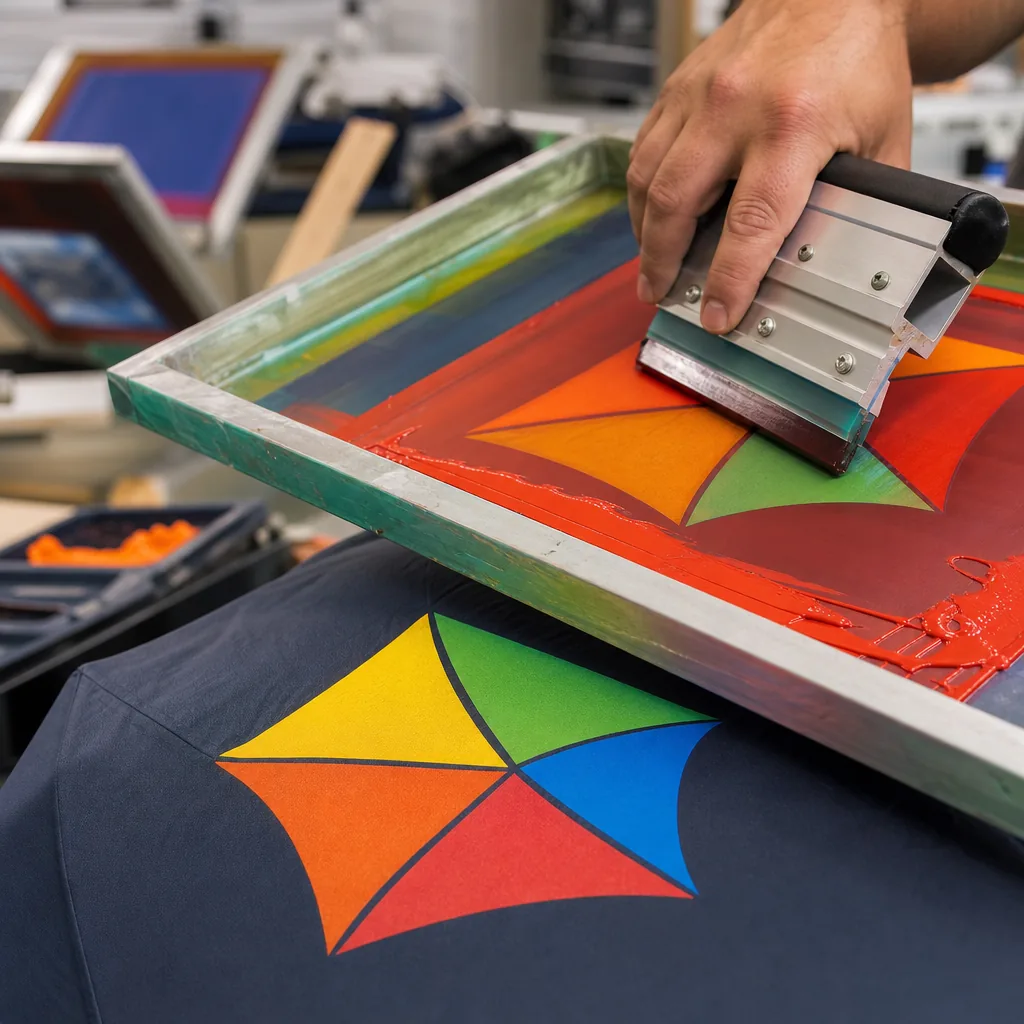
Procurement teams lose time when a sample looks right but still fails on branding, carton size, trim color, or shipping requirements. A practical umbrella approval pack closes those gaps early by showing exactly how the product will be built, packed, and delivered before launch dates start slipping. On the factory floor, we see that most delays come from assumptions, not production, so the pack has to prove fit before anyone signs off.
What a Buyer Approval Pack Must Prove
A proper umbrella approval pack has to prove four things at once: what the finished umbrella looks like, what it is built from, how it is packaged, and whether it has already passed the basic factory checks. The minimum set is a finished sample, a spec sheet, color references, a packaging mockup, and a test summary. The sample should show the actual canopy fabric, print placement, handle finish, runner action, and stitching quality, because procurement cannot approve a drawing and then hope the production batch matches it. The spec sheet should lock down panel count, size, frame material, open mechanism, fabric weight, coating, and carton details. If the buyer is reviewing branded umbrella samples for a retail launch or promotion, they need one umbrella approval pack that shows the full configuration, not five separate files with missing context.
Scattered emails slow down sign-off because every department looks at a different version of the truth. Procurement cares about MOQ lead times, brand teams care about color accuracy, and packaging teams care about insert cards, polybags, and carton marks. When those items live in separate threads, someone eventually approves the wrong Pantone, the wrong hook-and-loop strap, or the wrong retail box size. A single buyer sign-off pack removes that ambiguity by tying the sample photos, fabric swatches, and artwork proofs to one revision number. It also makes it easier to compare options across manual, auto-open, and auto-open-close models, especially when the buyer is deciding between 21-inch, 23-inch, or 27-inch formats for different channels.
The test summary is not decoration; it is the proof that the pack is production-ready. At minimum, it should note opening-cycle checks, basic wind resistance, print adhesion, and visual inspection results against AQL 2.5, so the buyer knows the sample is not just cosmetically correct. If the umbrella uses fiberglass ribs, UV coating, or a vented double-canopy structure, those details belong in the same pack because they affect both cost and lead time. Our standard practice is to keep the approval pack tight enough that a buyer can forward it internally without rewriting anything. That is the real value: one complete record that procurement, branding, and operations can all sign off on without another round of clarification emails.
Show the Construction Tiers Clearly
A practical umbrella approval pack should show the construction ladder, not just the print. The value tier is usually an 8K frame with steel ribs and a 190T pongee canopy, often manual or auto-open, because that combination keeps the cost down and still gives buyers a clean shape for logo approval. On the shelf, this signals a price-first promotional umbrella: acceptable for giveaways, school events, and short-term campaigns, but not something a retailer will position as premium. If the buyer wants a stronger visual step-up without jumping to the top of the range, move to 8K or 10K fiberglass ribs with auto-open and a 210T pongee canopy. That shift tells the customer the umbrella has better flex, better hand feel, and less cheap shine in the fabric, which matters in branded umbrella samples used for internal sign-off.
The mid-tier buyer sign-off pack should make the difference obvious in the hand and in the photos. Fiberglass ribs, a tighter 210T pongee, and auto-open usually read as a better commercial product because the frame flexes under wind instead of bending permanently, and the fabric looks denser under store lighting. This is the sweet spot for most corporate gifts and retail private label orders, especially when MOQ lead times matter and the buyer wants one sample fast, then a production slot that does not drag on for weeks. If the canopy is printed, use a clean panel layout and show the stitch lines, runner, and tip finishes, because that is where approval delays usually happen. A good umbrella approval pack also states the intended pack-out and carton count, so procurement can compare landed cost instead of guessing from a loose sample.
Premium needs to look structurally different, not just more expensive. A 16K double-canopy vented windproof build with fiberglass ribs, auto-open or auto-open-close, and a 210T pongee or upgraded coated fabric signals a product meant for stronger wind performance and higher shelf confidence. Add UPF 50+ treatment or Teflon-style water shedding when the buyer is targeting outdoor retail, golf, travel, or premium corporate programs, because those claims change how the umbrella is merchandised and priced. The construction story should be explicit in the approval pack: where the vent opens, how the ribs are distributed, and whether the frame is meant to survive 50+ mph gusts in testing. In our standard practice at ZheBrella, we also attach AQL 2.5 inspection terms and realistic MOQ lead times so the buyer can sign off on both appearance and production risk before placing the order.
Include the Commercial Numbers Buyers Check
The numbers that decide whether an umbrella approval pack turns into a purchase order are usually MOQ, sample cost, lead time, and freight terms. For a typical POE or pongee 190T promotional umbrella, MOQ is often 500 to 1,000 pieces per color or artwork, while a branded umbrella sample can run USD 30 to 120 depending on the frame, printing method, and whether we need to make a custom color panel. Buyers care less about the sample itself than about whether the factory can hold the same panel registration, handle, and canopy material at scale. In practice, concept dies when the MOQ is too high for a campaign test, or when the sample lead time stretches beyond 7 to 10 days and the production lead time sits at 25 to 35 days after approval.
A buyer sign-off pack should also show the inspection standard and the shipping basis in plain numbers, not vague promises. AQL 2.5 is the usual acceptance level for general umbrella programs, and buyers will ask whether the carton check covers open-close function, canopy tension, print alignment, tip finish, and carton drop risk. FOB terms usually work when the buyer already has a freight forwarder, while DDP is more useful for first-time importers who want landed cost clarity. For standard 23-inch auto-open models, a packed carton is often 24 or 36 pieces per master carton, with net and gross weights listed because that changes pallet count and freight class. If those numbers are missing, the approval pack is incomplete, even if the artwork is signed off.
For an umbrella approval pack to move fast, the buyer needs to see the commercial numbers that affect reorder economics, not just visuals. That means MOQ by SKU, sample charge, production lead time, carton quantity, and whether the quote is FOB Ningbo or DDP to the destination warehouse. On branded umbrella samples, the choice between manual, auto-open, and auto-open-close can change the cost sharply, and the same is true for 8K versus 10K fiberglass ribs or a double-canopy vented windproof frame. Our standard practice is to separate prototype pricing from mass-production pricing so the buyer can compare true landed cost before sign-off. If the approval pack shows stable MOQ, realistic lead times, and a clean AQL 2.5 target, the project usually moves from concept to purchase order without another round of revision.
Package the Brand Story and Compliance Proof Together
A proper umbrella approval pack should not be a loose folder of artwork files. Put the logo usage page, retailer-specific copy, barcode art, country of origin statement, care instructions, and carton markings into one approval deck, then lock each item to a single reference code. That lets procurement, compliance, and packaging teams review the same version instead of trading separate PDFs with different edits. For branded umbrella samples, I also include a flat mockup showing imprint location, Pantone targets, and the exact panel count, because a 23-inch 8K umbrella does not read the same as a 27-inch 16K vented frame once the logo wraps over the seam.
The fastest buyer sign-off pack is the one that answers compliance questions before they are asked. Add material declarations for canopy fabric, ribs, shaft, handle, and tips, plus lab evidence for the finish or coating where it matters, such as REACH, azo dye, phthalates, or Prop 65 support for U.S. retail programs. If the canopy is pongee 190T or 210T, state the composition clearly; if it is POE, PVC, or EVA, say so and show the intended use limitations. Our standard practice at ZheBrella is to attach any available test reports, MSDS sheets, and fiber content declarations in the umbrella approval pack so the buyer can compare it against retailer compliance rules without another round of email clarification.
The deck should also connect approval to production reality, not just design intent. Put the MOQ, MOQ lead times, sample lead time, carton pack-out, and AQL 2.5 inspection target on the same summary page so commercial and quality teams know what they are signing. If the barcode is GS1, list the code number and quiet-zone requirement; if the product is for export, show the origin marking exactly as it will appear on the hang tag or carton. When those details are bundled together, the buyer sign-off pack becomes a working control document instead of a cosmetic presentation, and that is what cuts the back-and-forth on revisions, reprints, and first-batch release.
Use the Pack to Cut Revisions After Sampling
A proper umbrella approval pack cuts the usual back-and-forth because it puts the buyer in a fixed review sequence: first design, then construction, then logistics. Start with the visual set, including logo placement, Pantone targets, panel count, canopy fabric, handle finish, and any trim or label callouts. Once that is approved, stop changing artwork. Most delays I see come from customers treating branded umbrella samples like a moving target, which forces new screens, new transfer files, and sometimes new fabric cutting. The pack should also show exact canopy diameter, rib length, shaft type, and open mechanism so the buyer is not approving a picture while the factory is building a different umbrella underneath it.
The construction section of the umbrella approval pack should be more technical than most buyers expect. List rib material, fiberglass versus steel, rib count, fabric grade such as pongee 190T or 210T, coating, seam style, and whether the umbrella uses manual, auto-open, or auto-open-close operation. If the order includes a vented double canopy or windproof frame, that needs to be signed off before tooling, not after the first sample arrives. This is where a buyer sign-off pack saves time: it makes the factory and the customer agree on the build method before any mass-order material is cut. That reduces sample cycles, prevents artwork changes from spreading into structure changes, and keeps MOQ lead times predictable instead of turning into a chain of revisions.
Logistics belongs in the approval pack too, because packaging mistakes are expensive and usually unnecessary. Lock carton dimensions, inner-pack counts, barcode placement, polybag or sleeve style, and any retail-ready inserts before production starts, then confirm how many units fit per master carton and what pallet pattern the customer wants. If the buyer needs export carton marks or DDP routing details, those should be part of the signed package, not a separate email thread after sampling. For production control, the same pack should define inspection points and the acceptance standard, including AQL 2.5 for appearance and function checks. That gives both sides a clear reference when the bulk order lands, and it avoids the common problem where the sample looked right but the shipment was judged against a different assumption.
Frequently Asked Questions
What should be in an umbrella approval pack for a first-time buyer?
Include one production-intent sample, a spec sheet, logo artwork, packaging dimensions, and the key commercial terms. If the order is for retail, add barcode placement and outer-carton labeling details as well.
How detailed should the commercial terms be before sampling?
They should cover MOQ, target unit price, sample cost, lead time, and the likely shipping term. That gives the buyer enough information to approve the project without waiting for a second quote cycle.
What should be included in an umbrella approval pack for a new brand launch?
A solid pack should include a physical sample, canopy print proof, Pantone color references, handle and ferrule specs, packaging dieline, and carton markings. Many buyers also request a photo set showing all critical details before they sign off on production.
How many sample units are usually needed for internal approval?
Most procurement teams only need 1 to 3 fully finished samples, plus one print strike-off if artwork or color matching is sensitive. If the order has multiple variants, plan on one sample per SKU to avoid confusion during sign-off.
How does an approval pack help with MOQ and lead time planning?
It locks down specs before tooling or bulk materials are released, which reduces change orders and late revisions. For most OEM umbrella programs, that can save 3 to 7 days on sample-to-order handoff and prevent delays that push bulk lead time beyond the original MOQ schedule.
Looking to Launch Your Custom Umbrella Line?
ZheBrella is a Zhejiang-based OEM/ODM umbrella manufacturer with 17 years of export experience. Free design, low MOQ from 100 pieces, windproof construction, full-color print.
Get Free Quote Now »People Also Search For
Related Articles
Retail Gift-With-Purchase Umbrellas: Pack Design and Fulfillment
Build gift-with-purchase umbrella programs with the right specs, pack formats, MOQ, and QC steps to support retail promo...
Read More »Umbrella Packaging Cost Breakdown for Brand Buyer Decisions
Compare sleeves, cartons, inserts, and premium packouts by MOQ, FOB/DDP impact, and lead time so brand buyers can choose...
Read More »
How to Build Retail Gift Packs Around Umbrella SKUs
Plan umbrella gift bundles with accessories, inserts, and pack-out rules that protect margins, simplify QC, and improve ...
Read More »