Umbrella Programs for Outdoor Dining and Patio Hospitality
Choosing patio umbrellas for restaurants is less about picking a color and more about balancing wind load, fabric wear, lead time, and landed cost across repeated outdoor service. On the factory floor, we see where programs fail: underspecified ribs, weak stitching, coatings that peel early, and MOQs that do not match seasonal demand. The right build starts with the frame, fabric, and price structure working together before the first order goes out.
How patio use changes the umbrella spec
Restaurant patios, sidewalk seating, and hotel terraces do not behave like the same job, so patio umbrellas for restaurants should not all be built to the same spec. A tight sidewalk footprint usually wants a 7.5' to 9' round canopy or a 6.5' x 10' rectangle with a lighter center pole so servers can move around tables without hitting chairs. Open hotel terraces can justify 9' to 10' square or market-style frames with thicker aluminum or powder-coated steel poles, because the umbrella is sitting in a more exposed wind path and often shading larger table groups. For fabric, 210T pongee is the practical baseline when you want cleaner printing, better color hold, and less edge flutter than thin polyester. For windy sites, a vented double-canopy and fiberglass ribs usually beat a decorative but stiff frame that snaps under repeated gusts.
Auto-open umbrellas are useful when staff are opening and closing units several times a day, especially for lunch-to-dinner turnover or event setups where speed matters more than long-term outdoor storage. They are a good fit for outdoor dining umbrellas in moderate wind zones, but I would not treat auto-open as a substitute for a stronger frame. The mechanism adds convenience; it does not fix a weak rib package or an undersized pole. For daily service, a larger manual frame is often safer because it has fewer moving parts, less play in the runner, and better resistance to wear from constant cycling. If the patio is exposed, I would rather spec a manual 8K or 10K frame with reinforced joints than a cheap auto-open model that becomes sloppy after one season.
Wind load is where hospitality use gets expensive, because a patio umbrella that works in a showroom can become a liability on a terrace with channeling wind between buildings. For windproof patio umbrellas, look at the full system: rib material, hub thickness, venting, pole diameter, and the weight base or in-ground sleeve, not just the canopy size. A 9' umbrella with fiberglass ribs and a proper vent will usually survive daily restaurant use better than a heavier-looking steel frame with poor flex behavior. At ZheBrella, the standard practice is to match the construction to the site, not the catalog photo, and that matters when an OEM umbrella factory is asked to build for hospitality instead of retail. If the operator wants easy handling, auto-open umbrellas make sense; if the location sees strong gusts, I would prioritize a sturdier manual frame and keep the open-and-close routine simple for staff.
Frame and fabric choices that survive daily service
For patio umbrellas for restaurants, the frame choice should start with how hard the seating area gets used, not with price. Fiberglass ribs flex and return to shape when a server bumps them or a gust hits the canopy edge, which is why they hold up better in mixed weather and crowded aisles. Steel ribs feel stiffer on day one and can be fine under a sheltered awning, but once the coating chips, rust starts at the joints and the whole umbrella looks tired fast. On a busy patio, that matters more than a small difference in upfront cost. Our standard practice as an OEM umbrella factory is to match the rib package to the exposure level, not to force one construction across every account.
Fabric weight changes service life and cleanup speed more than most buyers expect. 190T pongee is lighter and dries a bit faster after a quick rain, so it works for lower-traffic outdoor dining umbrellas that are opened and closed several times a day. 210T pongee adds more yarn density, better splash resistance, and better shape retention after repeated folding, which is why I would rather spec it for wind-exposed venues and premium patio umbrellas for restaurants. The fabric also takes printing and coating more cleanly, so logos stay sharper and the canopy stays less blotchy after wash-downs and sun exposure.
Double-canopy vented construction makes sense when the site is truly exposed, not just because it sounds stronger. A vent lets hot air bleed out and reduces the lifting force that can invert the umbrella during sudden gusts, which is exactly what you want for windproof patio umbrellas on open rooftops, pool decks, and curbside dining. Add UPF 50+ coatings when the seating is used all day in direct sun, because shade without UV protection still lets the canopy degrade and fade early. For those locations, I would also look at auto-open umbrellas for faster daily setup, then specify stronger pole hardware and replaceable canopy panels so maintenance does not turn into a full unit swap every season.
Branding, color matching, and print methods
For patio umbrellas for restaurants, canopy color is not a decoration choice first; it is a visibility choice. Dark navy, charcoal, and forest green hide stains and photo inconsistency, but they also absorb more heat and can flatten logo contrast in bright sunlight. Light sand, white, and soft gray show PMS matches better and make printed logos read from across a patio, but they need cleaner fabric control and stricter sewing tolerance because every shade variation shows up. On 210T pongee, I expect color drift to be managed by lot, not by wishful approval at the sample stage. If the dining area has mixed shade patterns, the canopy should be chosen to separate the brand from the background, not to match the furniture exactly.
PMS matching matters more than most buyers think because the same logo can look correct on a swatch and wrong on a 10-panel canopy under direct sun. With outdoor dining umbrellas, the real issue is how the color behaves across seams, valance edges, and the underside view from seated guests. A solid single-panel print gives the cleanest read, but once you move to a full 8K or 10K canopy, each panel seam breaks the image and can distort small type. For windproof patio umbrellas, I usually recommend one main logo position plus one supporting mark, not three or four placements. More placements increase needle holes, add visual clutter, and make the canopy look like a trade-show banner instead of a hospitality product.
Print method should follow the logo geometry and the service life target. Screen printing is still the best choice for simple spot colors on 210T pongee when the artwork is bold and the run is large; heat transfer works better for short runs, gradients, and sharper text, but it is less forgiving on high-flex areas near the seams. Sublimation is fine on white or very light fabric, yet it depends on the fabric chemistry and usually makes more sense when the entire panel is image-heavy. For auto-open umbrellas used in restaurant patios, keep the branding to one or two faces, usually the outward-facing panel and one valance or alternate panel. An OEM umbrella factory should also confirm ink abrasion, UV fade, and wash resistance before approving a layout, because a logo that looks good for one season but cracks at the fold line is not usable in hospitality.
Ordering terms, MOQ, and quality control
For patio umbrellas for restaurants, the first thing to lock down is style-specific MOQ, because the number changes a lot with frame complexity and decoration. Straightforward outdoor dining umbrellas with a manual open steel frame and one-color canopy usually start around 300 to 500 pieces per color, while windproof patio umbrellas with fiberglass ribs, vented double-canopy tops, or printed valances often need 500 to 1,000 pieces to make production efficient. Auto-open umbrellas and larger 10K or 12K builds usually sit on the higher end because the runner, spring set, and hub parts have to be staged in bulk. As an OEM umbrella factory, ZheBrella treats MOQ as a tooling and material planning issue, not a sales number, so the real driver is whether the spec can be run without stopping the line for one-off parts or mixed fabric lots. Sample approval should be treated as a real checkpoint, not a formality. For patio umbrellas for restaurants, we normally send a pre-production sample for frame fit, open-close action, canopy tension, and color match before mass cutting begins. If the order uses 210T pongee, UV coating, or custom printing, the buyer should inspect stitch density, seam alignment, panel symmetry, branding placement, and whether the canopy sits cleanly on the tip and runner without twisting. For auto-open umbrellas, test the release button several times, check spring return, and confirm there is no rubbing in the shaft. Once the sample is approved, we freeze the BOM, confirm carton marks, and sign off on the golden sample so the production line has a fixed reference instead of chasing late changes. Before shipment, inspection should be done to AQL 2.5 at the carton and finished-goods level, with real attention to frame function and packing accuracy. For outdoor dining umbrellas, I would check rib straightness, ferrule fit, canopy stains, skipped stitches, loose tips, failed tips on the seam tape, and broken or scratched parts from transit. Windproof patio umbrellas need open-close cycling, tilt lock engagement, and a basic load or shake test on the frame; if the rib set is fiberglass, confirm no splintering at the ferrules. Packing for chain accounts usually means polybag plus insert card, barcode label, master carton marks, and mixed-size palletization by store or DC, with spare parts packed separately if the buyer requests it. Standard runs usually ship in 25 to 35 days after sample approval and deposit, while customized colors, printed panels, or special handle components typically need 35 to 50 days, depending on fabric and hardware availability.
FOB vs DDP for multi-location hospitality programs
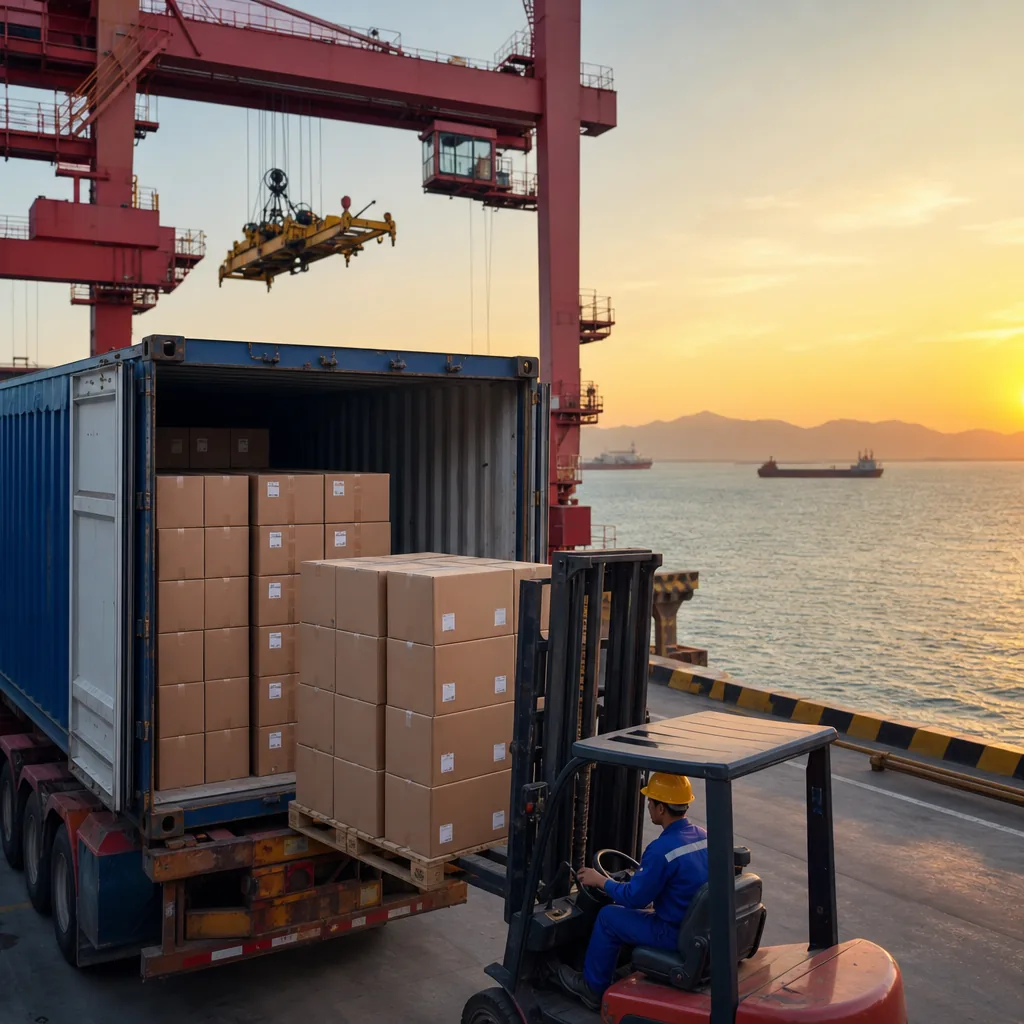
FOB works when the buyer has a real import operation and wants control over freight, duty, and domestic distribution. For patio umbrellas for restaurants going to multiple markets, FOB lets you buy ex-port price, then manage ocean or air freight into your own DCs, split shipments by region, and allocate costs cleanly by location. That matters when one store group needs 200 units in Texas, another needs 80 in Florida, and a third wants pallet drops to Canada. DDP looks simpler on paper because duty, customs clearance, and final delivery are bundled, but the margin is usually buried in the quote and you lose leverage on routing and timing. For outdoor dining umbrellas with mixed specs such as 210T pongee canopies, fiberglass ribs, or auto-open umbrellas, I prefer FOB when the buyer has predictable replenishment and a capable logistics team.
For multi-location hospitality programs, the real issue is landed-cost planning. A DDP quote should be tested against the full chain: factory price, export docs, ocean freight, insurance, destination handling, duty, brokerage, inland delivery, and any residential or limited-access surcharge if the umbrellas are going to rooftop bars or resort properties. If you do not break those numbers out, you cannot compare a DDP offer against a FOB offer from an OEM umbrella factory on equal terms. That comparison is especially important for windproof patio umbrellas because the canopy, frame gauge, and packaging density can change cube cost enough to shift the landed price by a meaningful amount. ZheBrella’s standard practice is to quote the product separately from freight assumptions so the buyer can see what changes when the program moves from one port, one DC, or one carrier lane to another.
Replenishment timing is where programs win or fail. For patio umbrellas for restaurants, place the production order 60 to 90 days before peak weather months, then add 20 to 35 days for ocean transit and domestic receiving if you are shipping FOB, or a little less if you are using a tightly managed DDP lane with booked space. The lead-time buffer matters because spring demand never arrives evenly; a single heat wave can pull forward an entire quarter of orders. The practical rule is to stage inventory by region, keep reserve stock at the primary DC, and avoid shipping direct to every store unless the rollout is small. For outdoor dining umbrellas, especially larger 10-foot or 11-foot models with vented canopies and heavier bases, a late replenishment order is usually more expensive than holding two extra weeks of inventory.
Frequently Asked Questions
Which umbrella size works best for restaurant patios?
The right size depends on table spacing, guest traffic, and wind exposure. Smaller foldables work for carry-to-table service, while larger patio frames are better for fixed outdoor dining zones that need broader coverage.
Should patio programs choose fiberglass or steel ribs?
Fiberglass is usually better for coastal or windy patios because it flexes and resists corrosion. Steel can lower upfront cost, but it is heavier and needs better rust protection if the umbrellas stay outside for long periods.
What MOQ usually works for a restaurant patio umbrella program?
For OEM patio umbrellas, many factories start around 300-500 pieces per model and color. If you need multiple sizes or canopy colors, the MOQ is often split by specification, so keep the frame and fabric combo consistent to control cost.
Is 210T pongee durable enough for outdoor dining umbrellas?
Yes for moderate commercial use, especially when paired with a fiberglass rib frame and proper UV coating. For high-exposure terraces or coastal locations, buyers often upgrade to thicker polyester or solution-dyed fabrics to improve color retention.
What should buyers expect for FOB pricing on custom patio umbrellas?
FOB price depends mainly on canopy size, frame material, opening style, and logo method. As a reference, auto-open contract-grade umbrellas with fiberglass ribs and custom printing usually price higher than standard manual models, and sample approval can add 7-15 days before mass production.
Looking to Launch Your Custom Umbrella Line?
ZheBrella is a Zhejiang-based OEM/ODM umbrella manufacturer with 17 years of export experience. Free design, low MOQ from 100 pieces, windproof construction, full-color print.
Get Free Quote Now »People Also Search For
Related Articles
Custom Umbrellas for Outdoor Dining Operators and Venues
Plan umbrella programs for patios and terraces with durable frames, windproof canopies, and ordering terms that fit hosp...
Read More »
Umbrella Programs for Outdoor Dining and Patio Restaurants
Source patio umbrellas that handle weather, brand the dining space, and meet commercial buying needs for restaurants, ba...
Read More »
Umbrella Programs for Outdoor Dining and Hospitality Venues
Learn how hospitality buyers specify umbrellas for patios, terraces, and resort spaces with wind resistance, sizing, bra...
Read More »