Custom Umbrellas for Outdoor Dining Operators and Venues
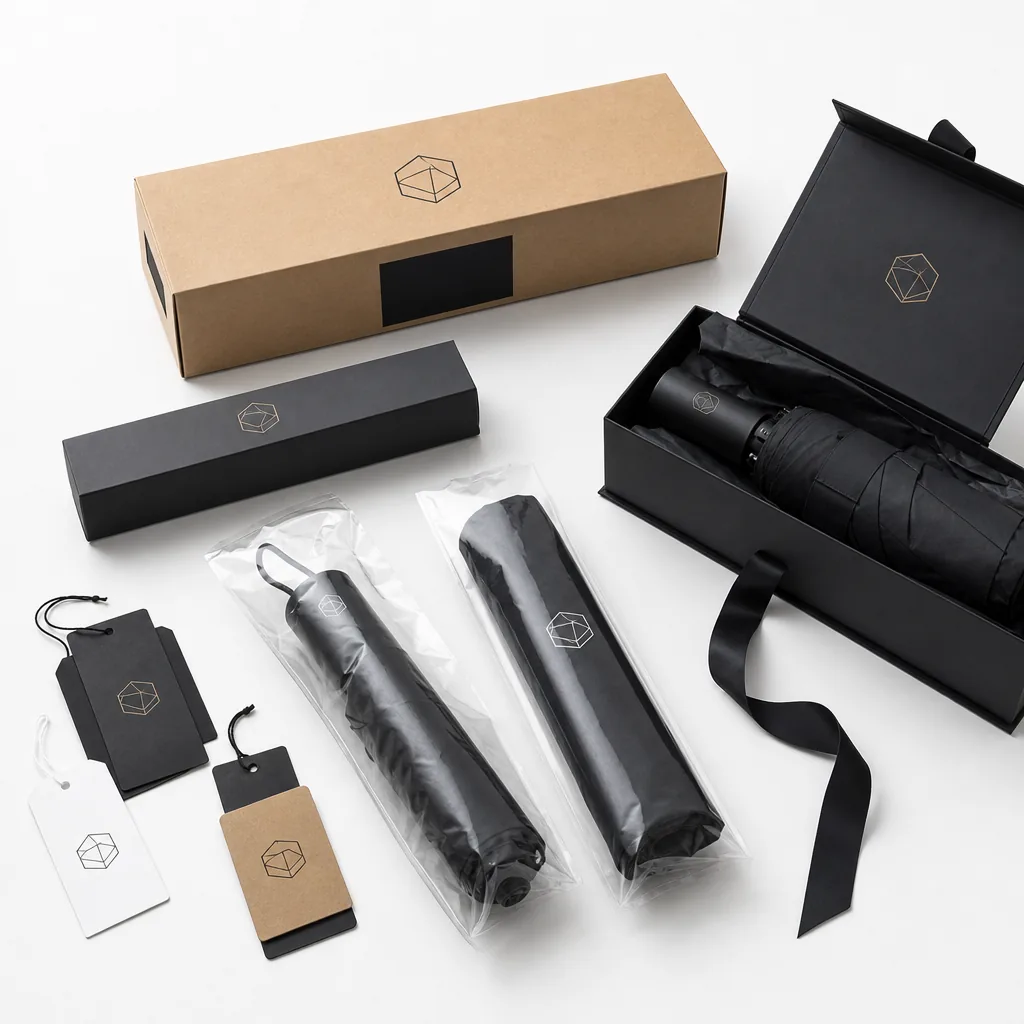
Outdoor dining operators need umbrellas that do more than shade a table; they have to hold up to wind, daily opening and closing, tight patio layouts, and brand standards without creating maintenance headaches. At the factory floor, we see the same failure points again and again: undersized frames, weak seams, poor hardware, and ordering terms that do not match hospitality budgets. That is why custom umbrellas for restaurants have to be specified as part of the whole site plan, not as a decorative afterthought.
Why patio umbrella programs matter for revenue and comfort
Patio umbrellas are not decoration; they are operating equipment. Good outdoor dining shade keeps tables usable in full sun, light rain, and shoulder-season wind, which matters when a lunch seat or dinner seat would otherwise sit empty. In our factory work, the restaurants that buy custom umbrellas for restaurants usually do it because they want predictable coverage across an entire terrace, not a mix of mismatched stock canopies that leave gaps. A proper program also helps guest dwell time: people stay longer when they are not chasing glare, heat, or a sudden shower, and longer stays usually mean better beverage sales and fewer abandoned tables.
For most venues, the useful range is 7.5' to 11' square or round canopies for standard four-top and six-top layouts, with larger 13' to 16' models reserved for banquet patios or shared seating zones. Common pole diameters are 38 mm, 48 mm, and 58 mm; once you move into heavier patio umbrellas with fiberglass ribs and larger vented tops, the pole has to match the real wind load, not just look substantial. A branded program makes sense when the venue has multiple locations, a fixed terrace plan, or a need to control color and logo placement; if you are buying one-off replacements, generic stock can be cheaper, but it rarely matches well over time and it ages unevenly.
The practical cutoff is volume and consistency. If you need the same size, frame, and artwork across 20, 50, or 200 units, an OEM umbrella factory can lock in fabric spec, pole finish, crank or push-up hardware, and replacement-part compatibility, which is hard to do with retail stock. For exposed sites, I would also separate true patio umbrellas from a windproof golf umbrella style: the golf frame can handle harder gusts in handheld use, but for fixed outdoor dining shade you want a base, a vented canopy, and a structure sized for the site, not for portability. That is the difference between an umbrella that sells tables and one that becomes a maintenance problem after the first storm.
Frame and canopy specs that survive daily hospitality use
For custom umbrellas for restaurants, the frame choice matters more than the print. Fiberglass ribs flex and recover better when a gust hits an exposed terrace, while steel ribs feel stiffer but will bend permanently if an operator forces them in the wind. In hospitality, I usually look at 8K or 16K constructions before I look at color, because rib count affects canopy support, panel shape, and how the umbrella behaves after months of daily opening and closing. A solid patio umbrella for outdoor dining shade should also use a reinforced hub and stretcher joints; weak connectors fail long before the fabric wears out. At an OEM umbrella factory, the first question is not “How big?” but “How often will staff cycle it, and who is responsible for closing it before weather turns?”
Double-canopy windproof designs are worth the extra sewing on exposed decks, especially if the venue wants something closer to a windproof golf umbrella than a decorative café shade. The vent lets pressure bleed out instead of loading the ribs, which is why these frames survive better in open courtyards and rooftops. On canopy fabric, pongee 190T is the baseline for many commercial jobs, but 210T gives a tighter hand, better drape, and usually a cleaner print surface for branding. For permanent installations, I prefer manual crank or push-up systems because they’re simpler to service, less likely to jam, and easier to leave locked in place; auto-open makes sense at a host stand or for quick-turn service, but it adds moving parts that can be abused by rushed staff.
If the site is truly busy, the right answer is usually a heavier frame with fiberglass tension points and steel in the mast, not all-steel everywhere. That mix gives enough stiffness for daily hospitality use without turning the pole into a corrosion problem after a season of rain and cleaning chemicals. For patio umbrellas that stay outside, ask for specified wind guidance, not vague marketing claims; the real test is whether the structure holds shape under repeated gusts and stays serviceable after one bad storm. ZheBrella’s standard practice is to match the opening system to the operating pattern, then confirm fabric weight, rib spec, and canopy diameter before production starts, because changing those after approval is where lead time and cost blow up.
Branding and color choices for visible hospitality spaces
For custom umbrellas for restaurants, the cleanest branding usually comes from screen printing on the valance or one panel, with heat-transfer or sublimation used when the logo has more colors or a gradient that screen setup would distort. On patio umbrellas, the logo is most legible when it stays away from seams, vent windows, and rib pockets; once you wrap artwork across panels, registration starts drifting and the mark looks cheap from ten feet away. An OEM umbrella factory should ask for a vector logo, a Pantone target, and a hard approval on strike-offs, because PMS matching on dyed canopy fabric is never perfect — expect a practical tolerance, not a laboratory match, especially on pongee 190T or 210T.
Canopy color changes both perceived temperature and long-term appearance. Dark colors feel cooler to guests because they block glare better, but they also absorb more heat and can fade faster under strong sun, while lighter shades reflect more light and show dirt sooner. For outdoor dining shade, I prefer solution-dyed or well-coated fabric when the site is fully exposed, because cheap surface-dyed cloth looks good for a month and then the brand color drifts under UV. If you need a windproof golf umbrella look for a larger café terrace, that same logic applies: deeper colors hide hardware and look premium, but they need better pigment load and UV stability if the venue wants the shade structure to stay presentable through a long season.
Do not claim UPF 50+ unless the fabric construction and coating actually support it, with test data to back the statement; a coated polyester or pongee canopy can qualify, but ink coverage alone does not make a sun-protection claim valid. The useful specification is the full package: fabric basis weight, coating, weave tightness, and test method, because a bright printed logo can still sit on a canopy that performs poorly in the field. For custom umbrellas for restaurants, I tell buyers to separate brand color from functional color: approve one master shade for the guest-facing side, then confirm how it prints on the underside and whether the edge binding or vent trim breaks the palette in real light.
Procurement, testing, and replenishment for multi-site operators
For custom umbrellas for restaurants, the buying mistake I see most often is treating patio umbrellas like a one-off décor item instead of a replenishable operating part. A practical MOQ is usually 100 to 300 pcs per size/color when you want real customization, with 500 pcs becoming common once you ask for Pantone-matched canopy fabric, logo printing, or special pole finishes. For outdoor dining shade programs across multiple sites, insist on AQL 2.5 for critical defects: open seams, crooked canopies, missing ribs, bad tilt hardware, loose finials, and failed opening cycles. If the umbrella is meant to live on a terrace, the construction should be specified like equipment, not like a promotional item: fiberglass ribs over steel where wind load matters, 190T or 210T pongee, and a double-canopy vented build if you expect gusts.
Carton packing needs to be decided before production starts, because it affects breakage, freight cube, and warehouse labor. For 21" to 30" umbrellas, I recommend individual polybag plus master carton with edge protection, rib sleeves, and tip caps taped down so they do not puncture the canopy in transit; long-handled models may need reinforced carton corners and drop-test validation. Spare-part planning should be written into the PO for ribs, tips, ferrules, runners, and stretchers, especially for multi-site operators that cannot wait for a full re-run when one location loses parts. A good rule is 1–2% spare parts by component count for the first rollout, higher if the installation is exposed to regular wind, rough storage, or heavy daily use.
Lead times are usually straightforward if approvals are disciplined: 3–5 days for sample setup after artwork and spec sign-off, 5–10 days for physical samples, 20–35 days for bulk production after sample approval, and 7–15 days for repeat orders when materials are already reserved. If you need a windproof golf umbrella style mechanism or larger outdoor dining shade units with reinforced fiberglass ribs, add time for hardware sourcing and load testing. An OEM umbrella factory should also confirm replenishment cadence in writing, because restaurants and hospitality groups often need staggered deliveries by site rather than one large shipment; that is where repeat-order planning matters more than nominal price. For imported programs, FOB is fine if your team controls freight, but DDP is usually cleaner when multiple venues need landed-cost certainty and tight delivery windows.
FOB and DDP buying models for venue rollout
FOB works best when the buyer already knows freight, customs, and destination handling, because the factory quote stops at the export port and the buyer controls the rest. For custom umbrellas for restaurants, that matters when you are ordering patio umbrellas in mixed sizes, such as 21-inch compact models for café tables and 27-inch or 30-inch units for larger terraces, because carton counts and cube can change freight cost more than the umbrella unit price itself. An OEM umbrella factory will usually quote by piece and carton, then build around pallet dimensions; if you do not lock carton count early, the shipment can look cheap on paper and expensive once the forwarder books space.
DDP is the cleaner option for operators that want landed-cost simplicity and fewer moving parts. With DDP, the seller handles export filing, ocean or air freight, import clearance, duty, and final delivery, which is easier when you are rolling out outdoor dining shade across multiple venues on a fixed opening schedule. The tradeoff is less flexibility: if the buyer wants split drops, staggered deliveries, or last-minute date changes, DDP pricing usually gets padded to cover that risk. In practice, we see DDP chosen more often for chain buyers who need a single delivered number per location rather than a freight file full of line items.
Seasonal demand changes the whole freight plan, especially for spring and early-summer launches when patio umbrellas and windproof golf umbrella style frames are both competing for container space. If the order is palletized efficiently, you can protect the canopy and ribs better and reduce damage claims, but palletization also increases volume, so a 40HQ may fill faster than expected when you are shipping long-shaft outdoor dining umbrellas. The factory should confirm carton dimensions, pallet height, and ready date before booking, because a two-week slip at peak season can push delivery past your opening window. For restaurant groups, the real decision is not just FOB versus DDP; it is whether the rollout schedule can absorb freight variability without delaying terrace seating revenue.
Frequently Asked Questions
What umbrella specs work best for restaurant patios in windy areas?
Look for fiberglass ribs, a double-canopy windproof structure, and a reinforced pole. A 16K frame is often better than an 8K frame when the site sees frequent gusts or open exposure.
How should a multi-location restaurant handle reorders?
Keep the same fabric code, print file, and frame spec across locations so replacements match. Ask the factory to hold repeat-order records and confirm MOQ, lead time, and carton configuration for future replenishment.
What canopy size works best for restaurant table layouts?
For most 4-person tables, 2.5 m to 3 m canopies are the standard range. Venues covering banquet tables or lounge seating often move to 3.5 m or larger, but buyers should also confirm clearance between umbrellas, bases, and service aisles.
What ordering terms are typical for a custom patio umbrella program?
For OEM hospitality orders, factories commonly set MOQs by model and fabric color, often starting around 100 to 300 units per design. Sample production usually takes 7 to 14 days, while bulk lead times are often 30 to 45 days depending on frame style, printing method, and peak season capacity.
Which frame and base specs help reduce damage in windy outdoor dining areas?
Buyers typically look for fiberglass ribs or reinforced aluminum frames paired with vented canopies to improve wind stability. For many commercial patio setups, heavier bases in the 25 kg to 50 kg range are used, though the exact requirement depends on canopy diameter and whether the umbrella is freestanding or inserted through a table.
Looking to Launch Your Custom Umbrella Line?
ZheBrella is a Zhejiang-based OEM/ODM umbrella manufacturer with 17 years of export experience. Free design, low MOQ from 100 pieces, windproof construction, full-color print.
Get Free Quote Now »People Also Search For
Related Articles

Umbrella Programs for Outdoor Dining and Patio Hospitality
Learn what specs, fabrics, and MOQ levels work for patio programs, from fiberglass ribs and 210T pongee to windproof fra...
Read More »
Umbrella Programs for Outdoor Dining and Patio Restaurants
Source patio umbrellas that handle weather, brand the dining space, and meet commercial buying needs for restaurants, ba...
Read More »
Umbrella Programs for Outdoor Dining and Hospitality Venues
Learn how hospitality buyers specify umbrellas for patios, terraces, and resort spaces with wind resistance, sizing, bra...
Read More »