Wooden Shaft Umbrellas: Buyer Guide for Premium Retail
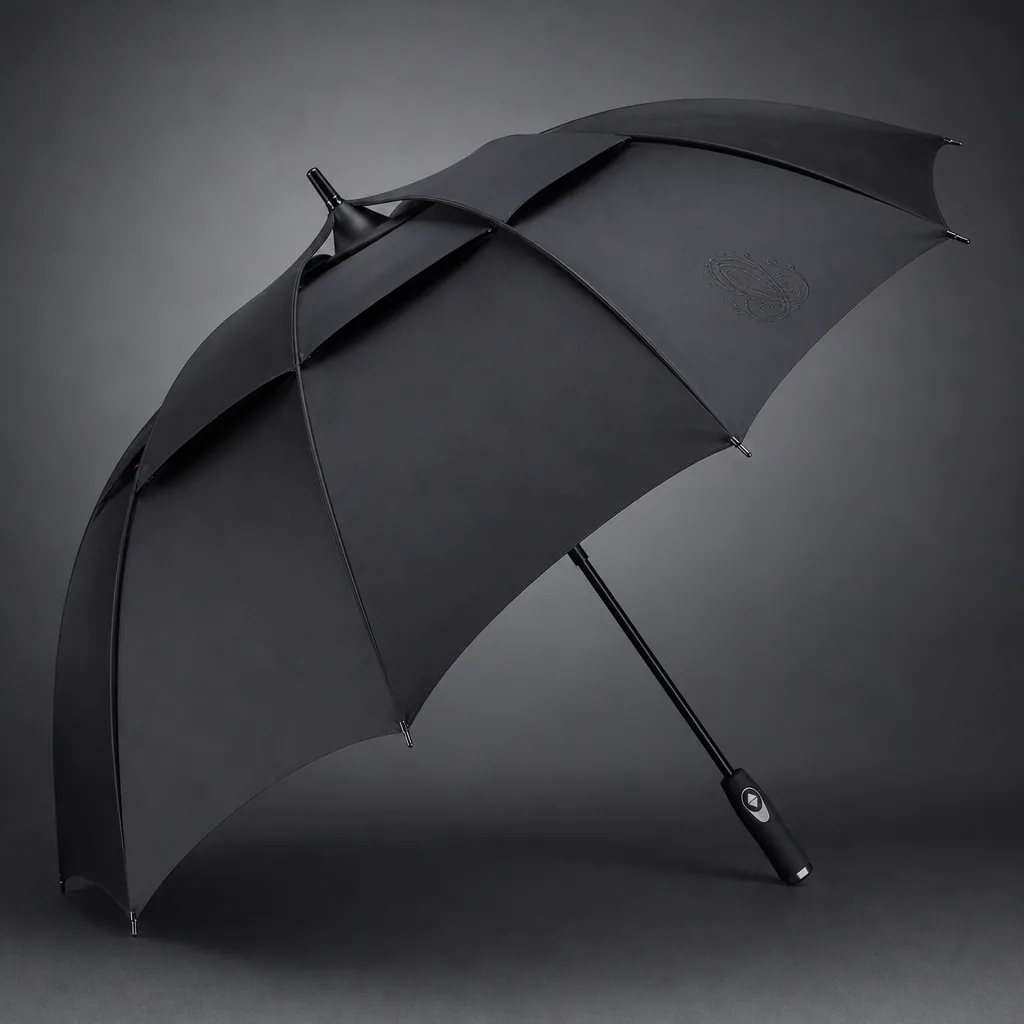
Premium retail umbrellas fail fast when the wood shaft is poorly dried, the crook handle is weakly fixed, or the pongee canopy looks good in samples but twists after frame assembly. As a wooden shaft umbrella manufacturer, we check moisture content, shaft straightness, rib tension, runner fit, tip alignment, and open-close balance before discussing MOQ, packaging, or FOB/DDP terms. Buyers who understand these details can separate decorative samples from umbrellas that hold up in real sell-through.
Positioning Wooden Shaft Umbrellas for Premium Retail
Wooden shaft umbrellas sit in the premium retail lane because the buyer is paying for presence, not pocketability. Department stores usually position 23" and 25" models near leather goods, rainwear, and men’s accessories, where a straight umbrella can justify a higher ticket than a folding model with the same canopy fabric. Heritage brands often want 25" or 27" ribs, 8K or 10K frames, a natural wood shaft, and a curved crook handle because the silhouette matches classic outerwear and tailored clothing. For retail umbrella sourcing, the key is to avoid overbuilding the product into something heavy and slow-moving. A 23" canopy works for women’s fashion and urban customers; 25" is the balanced unisex size; 27" reads more executive and is better for markets where customers expect full shoulder coverage.
Hotel boutiques and corporate executive gift programs buy wood handle umbrellas for a different reason: they look permanent. A guest taking a straight umbrella from a five-star lobby or a client receiving one in a presentation box sees varnished wood, metal tips, and a full-length shaft before noticing technical details like 190T pongee, Teflon water repellency, or a fiberglass rib upgrade. That first impression matters. Compact umbrellas win on convenience, but premium stick umbrellas win on perceived value, especially when paired with a subtle logo on one panel, a woven label, or laser marking on the handle. In production, the danger is cheap-looking wood: uneven stain, visible filler, loose crook joints, and rough ferrules can make a $12 FOB umbrella feel like a $3 giveaway.
A capable wooden shaft umbrella manufacturer should guide the buyer on construction trade-offs before sampling. Steel ribs give a sharper traditional profile and lower cost, while fiberglass ribs improve wind recovery and reduce warranty risk; mixed frames are common for OEM straight umbrellas. Manual open is still preferred for classic wooden models because the runner action feels cleaner and there is less mechanism weight, though auto-open can work on corporate gift lines. Our standard practice at ZheBrella is to confirm rib length, shaft diameter, canopy fabric, handle wood species, logo method, and AQL 2.5 criteria before quoting, because small choices change the finished retail impression. For premium retail, the umbrella must stand upright in a display, open smoothly, close tight, and feel balanced in the hand; that matters more than shaving a few cents from the frame.
Frame, Rib, and Shaft Specs to Confirm
The shaft is the first spec I confirm on premium stick umbrellas because it controls both the hand feel and the reject rate. A true solid wood shaft, usually beech, maple, or ash, gives the cleanest retail presentation, but it must be properly dried to avoid bending after sea freight. I like to see moisture content controlled around 8% to 12% before cutting and polishing. Laminated wood shafts are more stable and less likely to warp, especially on 23" and 27" models, though the glue line must be hidden under a good stain and lacquer. For wood handle umbrellas, crook handles should be steam-bent or formed from matched wood, not roughly joined with visible filler. Ask the wooden shaft umbrella manufacturer to confirm shaft diameter, straightness tolerance, lacquer thickness, and whether the tip, ferrule, and handle are assembled with screw, glue, or both.
For the frame, 8K is the classic retail configuration, but the rib material changes the umbrella’s personality. Steel ribs give premium stick umbrellas a traditional weight and a sharper profile when closed, and they keep the FOB price lower for department-store programs or gift-box sets. The downside is recovery after inversion; once a steel rib is bent, the consumer usually sees it forever. Fiberglass ribs cost more, but they flex back better in gusts and are a smarter choice for windy city markets, golf-course retail, and higher-end OEM straight umbrellas. On a 23" canopy, I normally expect steel ribs around 2.8 to 3.0 mm, while fiberglass ribs should be checked for consistent pultrusion, clean end caps, and no splintering at the rib-to-stretcher joint.
Do not treat the runner and stretcher system as minor hardware. A wooden shaft umbrella with a beautiful crook handle can still feel cheap if the runner sticks or the spring catch is weak. Metal runners, usually zinc alloy or plated steel, give a firmer slide than plastic and suit premium positioning, but plating adhesion must pass a basic rub test before mass production. For retail umbrella sourcing, I recommend buyers request pre-production samples with both opening-cycle testing and wind testing, not just appearance approval. A realistic factory check is 500 open-close cycles and a controlled wind-tunnel target such as 35 to 45 mph for steel ribs or 50+ mph for fiberglass ribs with a well-balanced 8K frame. Confirm spare parts availability too: tips, ferrules, runners, and rib sets should match the approved sample, or repairs and repeat orders become messy.
Canopy Fabric, Coating, and Color Control
For premium stick umbrellas, canopy fabric is where retail buyers should stop trying to save pennies. I normally specify 190T pongee for mid-premium ranges and 210T pongee when the umbrella needs a tighter hand feel, cleaner print surface, and better drape on 23" or 27" straight frames. Pongee uses finer yarn than basic polyester taffeta, so it packs smoother around a wooden shaft and does not look as crinkled on the shelf. Standard polyester is still workable for price-point programs, but it tends to show more shine variation and needle marks after sewing. For wood handle umbrellas positioned as gift, fashion, or department-store items, 210T pongee with 8 panels is the safest specification. As a wooden shaft umbrella manufacturer, we also check fabric shrinkage before bulk cutting because even a 2-3% difference can pull the canopy off-center after tip stitching and final tensioning.
Water repellency should be defined by finish, not by vague words like “rainproof.” A proper retail umbrella uses a durable water-repellent coating that beads water quickly and passes a spray test before production release. Teflon finishing is common for higher-end OEM straight umbrellas, but buyers should confirm whether it is genuine branded treatment or a generic DWR finish, because the cost and performance are not the same. For sun-and-rain collections, UPF 50+ coating can be added to the underside or built into a darker pongee construction, especially for black, navy, forest green, burgundy, and charcoal canopies. Silver coating gives stronger sun blocking but can look too utilitarian for premium retail; a black UV coating usually feels more refined. If the range includes both rain-only and UV versions, mark them clearly in the tech pack so packing, hangtags, and carton labels do not get mixed during AQL 2.5 inspection.
Color control is a bigger issue on wooden shaft umbrellas than many retail umbrella sourcing teams expect, because the long straight silhouette exposes every panel under store lighting. Pantone matching should be approved on actual bulk fabric, not only on a paper chip or lab dip, and dark colors need special attention because navy, black, and deep green can shift between dye lots. Our standard practice at ZheBrella is to cut all eight panels for one canopy from the same fabric roll whenever possible, then check panel-to-panel shade under D65 light before sewing. For striped, logo, or contrast-binding designs, tolerance should be written into the purchase order: for example, Delta E under 1.5 for solid premium colors and clear rejection rules for visible shade jumps between adjacent panels. Heat-transfer logos, screen printing, and sublimation each react differently on 190T versus 210T pongee, so confirm print color after coating, not before it.
Branding, Packaging, and Retail Presentation
For premium stick umbrellas, branding should look intentional, not loud. On wooden shaft models, I normally recommend a discreet one-color logo on one or two canopy panels, placed 6–8 cm above the edge so it is visible when carried but not shouting across the street. Screen printing works well on 190T or 210T pongee; heat transfer is cleaner for fine lines, while sublimation only makes sense when the entire canopy artwork is part of the retail concept. A woven label can be sewn into the internal seam or near the tie strap for a quieter brand cue. For wood handle umbrellas, the handle is often the best branding area: a small engraved metal plaque, laser mark, or debossed end-cap gives a higher perceived value than a large canopy print. A wooden shaft umbrella manufacturer should confirm logo position on a pre-production sample because rib alignment, panel curvature, and seam allowance can shift artwork more than buyers expect on OEM straight umbrellas.
Retail presentation is where many sourcing projects lose margin. A basic polybag is acceptable for wholesale or corporate programs, but premium retail umbrella sourcing usually needs a printed sleeve, kraft paper wrap, fabric storage sleeve, or rigid gift box depending on the selling channel. For department stores, we usually design the sleeve opening so staff can inspect the canopy color without fully unpacking the product. Hang tags should carry the brand story, fabric specification such as 210T pongee or UPF 50+ coating if applicable, care instructions, and country of origin. Barcode labels must be scannable on both the individual sleeve and master carton, with SKU, color, size, and PO number matching the buyer’s system exactly. Carton markings should include gross weight, net weight, carton dimensions, quantity, destination, and any retailer routing code; mistakes here can cause chargebacks even when the umbrella itself passes inspection.
Packaging for retail import programs should be tested like a product component, not treated as decoration. A 23-inch wooden shaft umbrella with a curved handle can damage its own gift box if the insert is weak or the carton is under-filled. Our standard practice at ZheBrella is to run a carton drop test from 76 cm on corners, edges, and faces for standard export cartons, then check whether tips, ferrules, handle lacquer, and printed sleeves are scuffed. For FOB orders, buyers should confirm carton strength, usually 5-ply K=A or K=K for heavier stick umbrellas, and make sure moisture control is included during the humid season in Zhejiang. For DDP retail programs, packaging also has to survive warehouse relabeling, palletization, and last-mile handling. A competent wooden shaft umbrella manufacturer should submit the barcode layout, hang tag artwork, carton mark proof, and packing method with the pre-production sample before mass production, not after AQL 2.5 final inspection has already started.
MOQ, Inspection, and Shipping Terms
For premium stick umbrellas, MOQ is usually driven less by the steel or fiberglass frame and more by the wood components and canopy fabric. A realistic planning range is 500–1,000 pieces per color for OEM straight umbrellas with a standard crook handle, 23" or 27" shaft, 8K or 10K ribs, and 190T/210T pongee canopy. If the buyer specifies stained maple, beech, ash, bamboo, or a custom-shaped wood handle, the handle supplier may require a higher run because cutting, sanding, staining, and clear-coat finishing are batched processes. Dark solid fabrics are easier to consolidate; custom Pantone-dyed pongee, jacquard, or full-panel sublimation can push MOQ higher. As a wooden shaft umbrella manufacturer, we normally advise buyers to lock the handle finish and fabric color before approving the pre-production sample, because changing either one after wood staining or fabric cutting creates waste and schedule pressure.
A practical lead time is 30–45 days after sample approval and deposit, assuming no special packaging or retail compliance testing delays. First samples for wood handle umbrellas usually take 7–12 days if using available shaft and handle molds; custom engraving, metal badges, leather straps, or FSC-related documentation can add another week. Production should be staged in three checkpoints: incoming inspection for wood shaft straightness, moisture content, and surface cracks; in-line inspection after canopy sewing and rib attachment; and final inspection after packing. For retail umbrella sourcing, I recommend AQL 2.5 major / 4.0 minor at minimum. Check canopy defects such as skipped stitches, oil marks, color shading, loose tips, and uneven panel tension. Also test runner movement, opening force, spring lock engagement, ferrule alignment, handle finish, varnish bubbles, logo position, and carton drop resistance.
FOB and DDP should be compared before the purchase order is signed, not after cartons are packed. FOB Ningbo or Shanghai gives the buyer control over freight, insurance, and customs clearance, which works well for retailers with their own forwarder or consolidated China programs. DDP is easier for smaller distributors because the supplier or freight agent quotes one landed cost to the warehouse, but it hides variables such as duty classification, port congestion, and last-mile delivery surcharges. Wooden shaft umbrellas are longer than compact models, so carton dimensions matter: a 27" straight umbrella carton may ship by volumetric weight, especially for air freight or courier. For sea shipment, confirm master carton strength, moisture protection, silica gel use, barcode placement, and pallet requirements. Premium retail packaging should be tested early because gift boxes and hang tags can change carton count and freight cost.
Frequently Asked Questions
Are wooden shaft umbrellas suitable for windy markets?
They can be suitable for moderate wind if specified with quality ribs and secure runner construction. For coastal or high-wind cities, buyers should consider fiberglass ribs or a reinforced 8K frame rather than a low-cost all-steel build.
Can the wood handle color be matched across repeat orders?
It can be controlled within an approved tolerance, but natural wood grain will vary. Buyers should approve a stained finish standard and keep a signed pre-production sample for repeat-order comparison.
What wood options are commonly used for premium straight umbrella shafts and crook handles?
Common options include maple, beech, and solid wood crook handles, depending on the target price point and finish. For retail programs, buyers often request a stained or lacquered surface plus a color consistency check across the production lot.
What QC points matter most when buying wood handle umbrellas for premium retail?
Inspect handle and shaft finish for scratches, uneven stain, cracks, and glue marks, then verify canopy tension, runner movement, and tip alignment. A practical pre-shipment check usually includes open-close testing, carton drop review, and spot checks against approved samples.
What MOQ and lead time should importers expect for OEM straight umbrellas with wooden shafts?
A typical OEM MOQ is around 500 to 1,000 pieces per design, depending on fabric color, handle style, and packaging requirements. Production often takes about 35 to 50 days after sample approval and deposit, with longer timing if custom molds or special wood finishes are required.
Looking to Launch Your Custom Umbrella Line?
ZheBrella is a Zhejiang-based OEM/ODM umbrella manufacturer with 17 years of export experience. Free design, low MOQ from 100 pieces, windproof construction, full-color print.
Get Free Quote Now »People Also Search For
Related Articles
Wooden Shaft Umbrellas: OEM Guide for Retail Brands
Specify wooden shaft umbrellas with the right rib count, canopy fabric, handle finish, branding method, packaging, MOQ, ...
Read More »
Wooden Stick Umbrellas: OEM Buyer Guide for Premium Orders
Compare wooden shaft, steel, and fiberglass stick umbrella specs, from 8K ribs and 190T pongee to MOQ, AQL 2.5 checks, a...
Read More »
Wooden Stick Umbrellas for Premium Retail and Hotel Programs
Choose wooden stick umbrellas for hotels and retail with the right shaft, handle, rib material, canopy fabric, logo meth...
Read More »