8K vs 16K Umbrella Ribs: Which Build Fits Your Market?
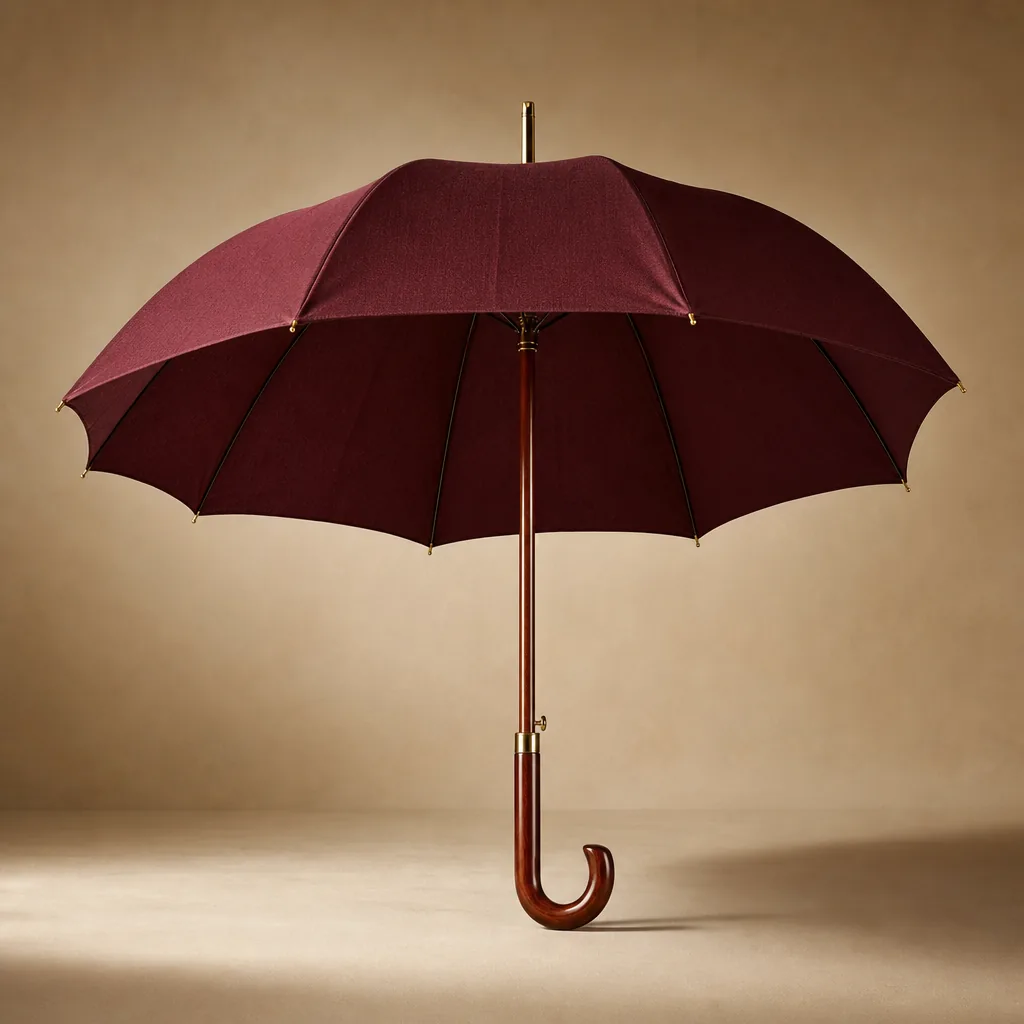
Choosing between 8K umbrella ribs and 16K builds is not just a spec decision; it affects wind performance, carry weight, unit cost, and whether your order can clear a target MOQ without compromising quality. On the factory floor, the right frame depends on how the umbrella will be used, packed, priced, and sold, so the best option for retail, promo, or events is rarely the same.
What 8K and 16K Actually Mean in an Umbrella Build
Rib count is a structural choice, not a canopy size number. An 8K umbrella is not automatically a smaller umbrella than a 16K model; it simply uses eight main ribs instead of sixteen, which changes how the canopy is supported, how the cloth is tensioned, and how the umbrella feels when you open and carry it. On the floor, 8K umbrella ribs usually give a simpler frame with fewer moving parts, lighter weight, and a more direct opening feel. That can be the right tradeoff for a promotional auto-open umbrella or a value retail program where cost, pack-out weight, and speed of assembly matter more than refined wind performance.
More ribs distribute load more evenly across the canopy. With 16K umbrella ribs, the fabric sits under finer tension, so the panel shape tends to look cleaner and the canopy resists flutter better in gusts. That does not mean every 16K frame is stronger by default; the result still depends on the shaft, stretcher geometry, rib material, and ferrule design. But in practice, a higher rib count usually gives a tighter hand feel, less panel distortion, and a more controlled collapse when the umbrella folds. For a windproof umbrella build, that extra support can matter when you are using fiberglass ribs and want the canopy to hold shape instead of pumping air like a drum.
The business side matters too, because rib count affects parts count, assembly time, and umbrella MOQ. More ribs mean more wire, more rivets, more points to inspect, and more chances to reject a weak joint under AQL 2.5 standards. That is why factories such as ZheBrella treat 8K and 16K as different build targets, not just different price tiers. If the market wants an everyday 21-inch auto-open umbrella for giveaways, 8K may be the sensible choice. If the buyer needs a tighter-feeling frame for retail, golf, or storm-oriented programs, 16K umbrella ribs can justify the extra cost and lead time because the user immediately feels the difference in stiffness, closure control, and overall build quality.
Performance Tradeoffs: Wind, Weight, and Cost
For gust handling, 8K umbrella ribs are the practical baseline for a compact 21" or 23" auto-open umbrella when the buyer wants a light carry weight and a sane FOB price. A well-built 8K frame with fiberglass ribs and a proper runner will flex under wind, then recover instead of staying bent. Steel can feel stiffer at first touch, but once it takes a set, the umbrella loses symmetry and starts failing at the joints. That is why fiberglass ribs usually outperform steel in wet, coastal, or commuter use: they tolerate repeated bending and do not rust at the pivot points. On a promotional program, the limit is usually the canopy fabric and hub quality, not just the rib count.
16K umbrella ribs make sense when the customer is selling a premium windproof umbrella build, especially a 27" or 30" golf format with a vented double canopy. The extra ribs shorten the load path across the canopy, so the fabric does less snapping in sudden gusts and the frame keeps a rounder shape. That said, extra ribs are not free performance. If the stretcher wire, tips, and rib end caps are low grade, 16K only adds more parts to fail and makes the frame heavier in the hand. On a cheap 190T canopy, the buyer often pays for rib count that the fabric and stitching cannot fully use, which is why I treat 16K as a functional upgrade, not an automatic one.
Cost moves faster than people expect. A higher rib count raises raw material use, assembly time, and inspection load, so the price gap is not just the extra steel or fiberglass itself. In practice, going from 8K umbrella ribs to 16K umbrella ribs can add cost without enough benefit if the market is a giveaway item, a short-life event umbrella, or any order where the umbrella MOQ is tight and the buyer needs a simple approved sample quickly. For those programs, a clean 8K frame with decent fiberglass ribs, automatic opening, and a 190T or 210T pongee canopy is usually the better value. At ZheBrella, the rule is straightforward: pay for extra ribs only when the target market actually punishes wind failure, otherwise spend that budget on better joints, better coating, or better canopy sewing.
When Each Rib Count Fits Specific Buyer Segments
For promo programs, campus events, hotel giveaways, and most mass-market retail basics, 8K umbrella ribs are usually the right call. An 8-rib frame keeps the tool cost down, reduces part count, and is simpler to assemble with steel or fiberglass ribs on 21" and 23" compact umbrellas. That matters when you are trying to hit a tight umbrella MOQ and still leave room for screen print, heat transfer, or a small woven label. A manual-open or auto-open umbrella in this build is lighter in the hand, easier to carton-pack, and cheaper to ship by sea or air because the folded bundle is slimmer and the carton count per pallet is better. Buyers who need broad distribution and fast replenishment usually care more about predictable landed cost than about pushing the wind spec to the edge.
16K umbrella ribs make more sense when the product has to justify a higher ticket: golf accounts, executive gifts, premium retail, and branded client programs where the umbrella is part of the brand statement, not a throwaway giveaway. The extra ribs improve canopy tension and help the frame stay stable in a true windproof umbrella build, especially when paired with fiberglass ribs, reinforced stretcher points, and a double-canopy vented top. On 27" or 30" golf sizes, the 16K layout gives a smoother canopy shape and better load distribution in gusts, which is what buyers expect when they pay for premium performance. It is heavier and more expensive, but that is the tradeoff for a frame that feels more substantial and holds up better under repeated use.
For holding stock, branding, and logistics, 8K umbrella ribs are easier to manage at scale because the SKU is simpler, cartons are lighter, and the same canopy pattern works across more colorways without changing the frame spec. That makes forecasting easier for distributors who need mixed-case replenishment and short lead times. By contrast, 16K builds usually belong in narrower programs where you can absorb a longer production queue and a higher unit cost in exchange for stronger retail positioning. Our standard practice at ZheBrella is to steer high-volume promo orders toward 8K constructions and reserve 16K umbrella ribs for premium accounts that need a more durable presentation piece. If the buyer wants a fast-moving auto-open umbrella with flexible decoration and low freight exposure, 8K is the practical choice; if the brief calls for a heavier frame and a stronger shelf story, 16K is the better fit.
The Specs to Lock Down With the Factory
The first thing to lock down is the rib package, because 8K umbrella ribs and 16K umbrella ribs are not interchangeable once the tooling is set. Eight ribs usually fit a simpler family umbrella or a basic auto-open umbrella, while 16 ribs change the frame geometry, canopy tension, and how the umbrella handles gust load. If the buyer wants a real windproof umbrella build, I ask for the rib material first: fiberglass ribs for flex and memory, or steel for lower cost and higher stiffness in lighter duty models. Then specify the shaft gauge, because a 10 mm or 14 mm shaft changes the whole feel of the product. Runner design, tip type, and ferrule detail matter too, because sloppy interfaces create wobble, tip pullout, and premature failure in AQL 2.5 inspection.
Canopy fabric is the next decision, and it affects both cost and performance more than people expect. For mainstream promotional work, 190T pongee is the common baseline; for a tighter hand feel and better print definition, 210T is usually the better spec. If the target market expects rain protection plus some sun resistance, I push for PU or UV coating and call out UPF 50+ only when the coating and test method are actually defined. Single-canopy construction is fine for low-cost city umbrellas, but double-canopy vented construction is the right answer when the brief includes stronger gust resistance. In our standard practice at ZheBrella, I would not let a buyer compare 8K umbrella ribs against 16K umbrella ribs without also stating fabric denier, venting, and whether the panels are cut on the straight grain or bias, because those details change the finished canopy behavior.
For the factory spec sheet, the minimum set is simple: rib count, rib material, shaft gauge, runner type, tip construction, canopy fabric, and canopy structure. If the product is going into retail, add opening mechanism, because an auto-open umbrella and a manual model have different internal tolerances and failure points. If the customer is trying to hit a price point, umbrella MOQ usually drops lower on standard 23-inch or 27-inch frames than on custom sizes or mixed-color builds, but the tradeoff is less flexibility on fabric and handle options. I also want the buyer to state whether the model needs EVA, POE, or traditional pongee canopy material, because those choices affect seam sealing, print method, and perceived quality more than most spec sheets admit.
MOQ, Lead Time, and QC Checks Before Mass Production
MOQ is not one number across the board; it moves with colorway count, canopy fabric, handle, and whether the frame is already tooled. For a standard 8K umbrella ribs order with a known fiberglass ribs spec, I may accept a lower umbrella MOQ on one solid color, but once a buyer splits into three or four panels, custom Pantone dyes, or printed lining, the minimum jumps because cutting loss and sewing setup go up immediately. A windproof umbrella build with 16K umbrella ribs usually pushes the MOQ higher again if we need a different runner, stretcher geometry, or vented double-canopy pattern. At ZheBrella, the practical rule is simple: the more changes you ask for, the more pieces we need to spread setup cost across, especially on auto-open umbrella models where the mechanism and assembly line checks are more involved.
Lead time starts before the first sample is cut. If the frame is standard and the 8K umbrella ribs layout already exists, sampling can be quick, but new tooling for tip caps, handle molds, or a different fiberglass ribs thickness adds days or weeks before bulk production is realistic. Buyers planning FOB should lock carton spec, master carton count, and destination port early, because the packing ratio affects both freight and production scheduling. For DDP, I want the declared value, HS code assumptions, delivery address, and whether the route needs sea, rail, or air before we release mass production. If those details are still changing after the PO, the schedule slips first, then the cost follows.
Quality control has to be set before bulk starts, not after. We run AQL 2.5 on appearance, stitching, frame finish, and function, but the critical checks for a windproof umbrella build are open-close cycle testing, rib flex recovery, and canopy tension after repeated shocks. A decent batch should survive hundreds of cycles without the auto-open umbrella button sticking or the runner binding, and the frame should still snap cleanly without loose ferrules or cracked fiberglass splinters. Carton tests matter too: drop, compression, and vibration checks tell you whether the outer master carton will hold up in export transit, especially for FOB consolidation or DDP final-mile handling. If carton size, inner polybag count, or panel print direction is wrong, I stop the line and fix it before mass production moves too far.
Frequently Asked Questions
Is 16K always stronger than 8K?
Not always. Strength depends on rib material, joint design, shaft thickness, and canopy tension. A well-built 8K fiberglass frame can outperform a poorly made 16K steel one.
When should a buyer pay for 16K ribs?
Use 16K when the umbrella will face frequent gusts, larger canopies, or a premium retail position. For low-cost promotions, 8K is often the better value.
When should a buyer choose 8K instead of 16K for a custom order?
8K is usually the better fit when the priority is lower unit cost, lighter weight, and broad retail appeal. It is common for promotional, everyday, and mid-market auto-open umbrellas where the canopy size is standard and the target price has to stay competitive.
Does 16K always mean a stronger umbrella?
Not always. A 16K frame typically gives better canopy stability and a more premium feel, but overall strength also depends on rib material, shaft thickness, runner design, and canopy size. A well-built 8K umbrella with fiberglass ribs can outperform a poorly engineered 16K model.
What is a realistic MOQ for testing both builds in one market?
For OEM/ODM production, many factories will start around 300 to 500 pcs per color or style, depending on canopy size, printing, and frame spec. If you want to test 8K and 16K side by side, it is common to split the order into two SKUs and sample both before scaling up.
Looking to Launch Your Custom Umbrella Line?
ZheBrella is a Zhejiang-based OEM/ODM umbrella manufacturer with 17 years of export experience. Free design, low MOQ from 100 pieces, windproof construction, full-color print.
Get Free Quote Now »People Also Search For
Related Articles
8K vs 16K Umbrella Ribs: How Buyers Choose the Right Build
Learn how rib count changes wind resistance, canopy shape, weight, and cost so you can choose an 8K or 16K build with fe...
Read More »
Choosing Umbrella Venting, Ribs, and Frame Specs for Brands
Compare vented canopies, rib counts, and frame materials so buyers can match wind performance, cost, and branding to eac...
Read More »
Business Gift Umbrellas: How to Choose a Spec That Sells
Compare canopy size, rib count, and fabric to spec business gift umbrellas that protect users, carry branding well, and ...
Read More »