8K vs 16K Umbrella Ribs: How Buyers Choose the Right Build
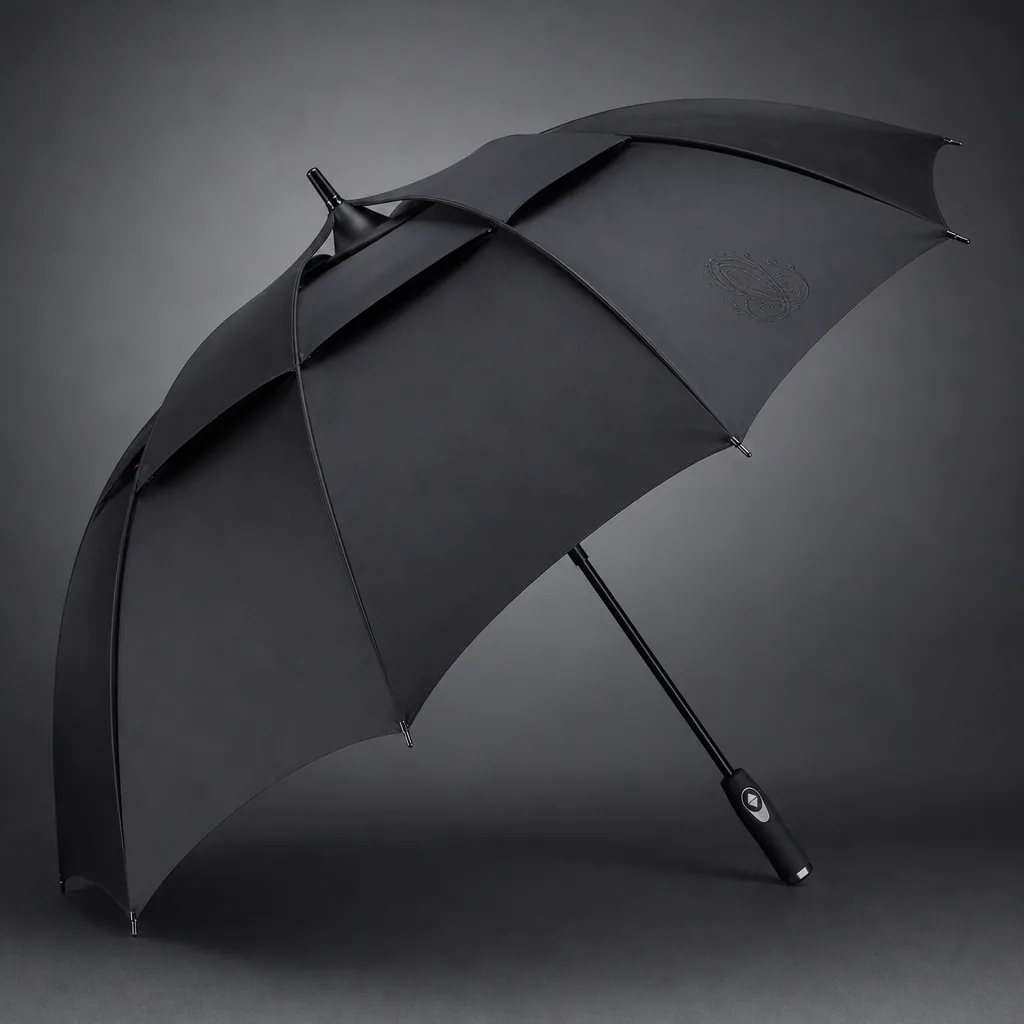
Choosing between 8K umbrella ribs and 16K construction is not just a spec comparison; it changes how the frame carries wind, how the canopy opens, and where cost shows up in production. On the factory floor, the tradeoff usually comes down to strength, weight, and consistency across a shipment, especially when buyers are balancing retail price against returns and field failures. Knowing what the rib count really changes helps avoid sourcing surprises before the order is locked.
What rib count actually changes
Rib count changes how the canopy is supported, but it does not magically make an umbrella stronger. An 8K umbrella ribs frame gives you eight load points around the runner, which is usually enough for a clean, standard round profile on a 21" or 23" compact or a basic stick umbrella. The real effect is on canopy tension: fewer ribs mean each span between points is wider, so the fabric has to do more work to hold shape. If the cutting, stitching, and stretch allowance are right, that can still look sharp. If the geometry is sloppy, you get a loose crown, flat spots, and a product that looks cheaper than the materials suggest.
With 16K umbrella ribs, the canopy is supported more often around the perimeter, so the circle usually looks smoother and the panels hold their curve better under light wind. That is why buyers often read higher rib count as higher perceived quality. But roundness comes from the whole frame stack-up, not just the count: stretcher length, rib angle, tip positioning, runner travel, and joint tolerance all have to match. I have seen 16K frames that look worse than a good 8K umbrella ribs build because the apex sat too high or the tips were not aligned evenly. A higher count only helps when the pattern and hardware are balanced to it.
The material matters just as much as the count. Fiberglass ribs flex and recover better than cheap steel in a windproof umbrella build, so a 10K or 16K frame with fiberglass ribs can feel more stable in hand even before you test it in gusts. On the factory floor, we judge quality by how the canopy sits closed, how evenly it opens, and whether the panel seams stay under tension without puckering. Buyers should also connect rib count to commercial reality: more ribs usually mean more parts, more assembly time, and a higher umbrella MOQ break point because the frame cost and labor both rise. If the customer wants a premium appearance, choose rib count with the right geometry first, then confirm the frame can survive repeated open-close cycles without losing alignment.
8K versus 16K in rain and wind
8K umbrella ribs are the classic mid-market build: eight main ribs give enough structure for a 21" to 23" compact or a basic stick umbrella without making the frame feel heavy. In light rain, they open cleanly, hold a pongee 190T or 210T canopy flat enough, and the end user usually describes the feel as easy and familiar. The tradeoff is flexibility under load. When a city gust hits, the frame moves more, the canopy can show visible sag between ribs, and cheaper steel tips start transmitting that movement straight into the shaft. For everyday commuter use, that is acceptable; for buyers chasing a stronger windproof umbrella build, it is the first place the limits show up.
16K umbrella ribs change the behavior more than the spec sheet suggests. Doubling the rib count does not make the umbrella rigid; it shortens the unsupported span of each panel, so the canopy stays rounder in gusts and sheds water more evenly. With fiberglass ribs, the frame can flex and return instead of bending permanently, which matters when the umbrella is opened and closed dozens of times a week. In repeated cycle testing, the user feels less wobble at the top and less flutter at the edge of the canopy. That tighter shape also reduces the annoying drip line after rain, because the cloth is not drooping between wide rib gaps the way an 8K frame often does.
For buyers, the choice is usually not “strong versus weak,” but “how much performance do I need for the MOQ I can actually move.” 8K umbrella ribs keep tooling and cost lower, which is why they are common for promo orders, basic retail packs, and larger runs where price control matters. 16K umbrella ribs cost more in parts and assembly, but they pay back in a better end-user feel: smoother opening, less canopy sag, and fewer complaints about the umbrella flipping in a normal downtown wind. If the order is aimed at transit commuters, school programs, or branded retail, the 16K build usually earns its keep. If the order is purely for price, 8K is still the practical floor.
Materials behind the rib count
Rib count is only the starting point. An 8K umbrella ribs frame built with proper fiberglass side ribs, decent main shaft steel, and tight ferrules can outperform a sloppy 16K umbrella ribs structure made from thin, soft metal. In practice, the real difference is how the load moves through the frame: the main ribs carry the opening force, the stretcher geometry keeps the canopy tension even, and the ferrules decide whether the joints stay aligned after repeated cycling. For a normal folding umbrella, 8K umbrella ribs usually give a cleaner balance of weight, cost, and repairability, while higher rib counts are often chosen to increase canopy shape control rather than raw strength.
Material choice changes the failure mode. Fiberglass ribs flex and return, so they are the first choice for a windproof umbrella build when the buyer wants resistance to inversion and less metal fatigue. Steel ribs are stiffer and cheaper, but if the rib thickness is too thin or the plating is poor, they bend at the knuckle or crack at the rivet after a few hard gusts. Aluminum keeps weight down, which helps on compact frames, but it needs better section design because thin aluminum stretchers can twist under side load. The number on the spec sheet matters less than whether the rib profile, ferrule fit, and spring tension were matched to the canopy size and opening style.
For buyers comparing 8K and 16K frames, I look first at where the umbrella will be used, because the wrong material mix is what causes most returns. A 16K frame with low-grade steel and loose ferrules can feel heavier without being stronger, while a well-built 8K frame with reinforced fiberglass ribs, proper rib thickness, and a clean hub layout can pass real outdoor use more reliably. Our standard practice at ZheBrella is to confirm the rib alloy or fiberglass spec, the ferrule material, and the opening cycle before we quote, because those details drive durability and umbrella MOQ more than the rib count alone. Buyers who focus only on 8K versus 16K usually miss the real question: whether the frame is engineered for the canopy size, wind load, and target price point.
How rib count affects sample approval
When I approve a sample, rib count matters less than how the frame behaves in the hand. An 8K umbrella ribs sample should open in one clean motion, with no sticking at the runner, no grinding at the joints, and no wobble in the center shaft. I check symmetry first: every rib should land at the same angle, the tips should sit evenly around the canopy edge, and the canopy should not pull to one side when fully opened. If the sample is an auto-open model, rib count can change the feel of the spring release, so I watch the opening speed and make sure it is fast but not violent. A frame that snaps open too hard usually creates tip misalignment or stress at the stretchers, especially on a light 8K frame.
For 16K umbrella ribs, the approval standard is tighter because there are more contact points and more chances for inconsistent tension. The canopy should look round, not faceted, and the fabric should be evenly stretched without loose panels between ribs. Fiberglass ribs usually give better flex and recovery in a windproof umbrella build, but the sample still has to hold its geometry under hand pressure; if one rib sits higher, the whole umbrella looks cheap before it ever sees wind. I also check closing force on auto-open-close models. A good sample closes with firm resistance but does not require a hard pull that strains the user or twists the rib ends. Too much closing force usually means the frame tolerances are off or the runner finish is poor.
Packaging fit is part of sample approval, not an afterthought, because a frame that performs well but damages the carton is still a bad sample. The umbrella should slide into the sleeve without forcing the tips, and the folded length has to match the bag, carton, and shipping spec exactly. This matters more when the umbrella MOQ is low and the buyer is trying to lock a production standard from the first sample run. I check whether the tip caps rub through the canopy, whether the tie strap lands where it should, and whether repeated open-close cycles change the rib alignment. On 8K umbrella ribs and 16K umbrella ribs alike, the sample passes only if the mechanics, the fabric tension, and the packed size all stay consistent together.
Buying specs to finalize before production
The first thing to lock is the frame spec, because that drives everything else. Start with rib count and rib length, then tie that to open diameter, not just the size label. A 21-inch compact usually lands around 38 to 42 inches open, while 23-inch and 27-inch builds move into larger coverage and heavier loading. If the buyer wants a lighter city carry, 8K umbrella ribs are the normal starting point; if the brief calls for a stronger windproof umbrella build, 16K umbrella ribs with fiberglass ribs are usually the better bet. Do not treat rib count as decoration. It changes shaft loading, runner resistance, and the failure point in gusts. Get the exact open diameter, closed length, and rib material into the PO before sampling starts, or you will waste time arguing over a sample that was never built to the real target.
Canopy fabric is the next decision, and it should be matched to use case, not habit. For promotional and retail umbrellas, pongee 190T is the common baseline; 210T gives a denser hand feel and slightly better water break. If the buyer wants a smoother print surface or a budget rain item, POE or PVC may make sense, but those materials behave differently in folding, cold weather, and odor control. Handle choice matters more than many buyers admit: EVA is comfortable and inexpensive, rubberized grips improve feel, and straight plastic handles are fine for giveaways. Print method should be specified by artwork and quantity, not guessed by the factory. Screen print works for simple logos, heat transfer handles more colors, and sublimation is best when the canopy fabric supports it. Put the required panel count, logo placement, and color tolerance in writing so the approved sample matches the production run.
The commercial terms have to be written with the same precision as the hardware. State the umbrella MOQ, target lead time, and trade term before cutting tooling or booking materials. A custom order with standard components may ship in 25 to 35 days after sample approval, but a new handle, special fabric, or packing requirement will push that longer. FOB is the cleaner choice when the buyer already has freight control; DDP makes sense when the importer wants a landed price with customs handled, but it must specify the destination and duty basis. For reference, the same platform can be built in multiple ways depending on whether the order is a gift program, retail SKU, or outdoor promotion. Our standard practice is to confirm rib count, canopy diameter, fabric, handle, print method, MOQ, lead time, and FOB or DDP status in one sheet before production starts, because that is what prevents disputes at inspection and shipment.
Frequently Asked Questions
Does 16K always mean stronger than 8K?
No. Strength depends on rib material, profile, and joint design, not rib count alone. A well-built 8K fiberglass frame can outperform a weak 16K steel frame.
Which rib count is better for promotional orders?
8K is usually the better value choice when price, speed, and broad usability matter. 16K makes more sense for premium retail programs that need a smoother canopy and a higher-end look.
For a 500-piece OEM order, does choosing 16K usually change the unit price much?
Yes. In most quotes, a 16K build costs about 10% to 25% more than a comparable 8K frame because it uses more material and more assembly time. The exact gap depends on shaft type, fiberglass grade, and canopy size.
Is rib count alone enough to define wind resistance for a custom umbrella order?
No. Rib count matters, but the full frame spec is more important: fiberglass ribs, center shaft thickness, stretcher design, and vented canopy structure all affect performance. A well-built 8K can outperform a weak 16K frame in real wind tests.
What MOQ should I expect if I want both 8K and 16K versions in one program?
Many factories will ask for 500 to 1,000 pieces per style or color, with separate tooling or frame setups counted as separate SKUs. Sample lead time is often 5 to 7 days, and bulk production is commonly 30 to 45 days after approval.
Looking to Launch Your Custom Umbrella Line?
ZheBrella is a Zhejiang-based OEM/ODM umbrella manufacturer with 17 years of export experience. Free design, low MOQ from 100 pieces, windproof construction, full-color print.
Get Free Quote Now »People Also Search For
Related Articles
How to Choose a Windproof Folding Umbrella for Buyers
Compare folding umbrella builds for windy markets, including double-canopy vents, fiberglass ribs, auto-open systems, an...
Read More »
Double-Canopy Windproof Umbrella Specs for Retail Buyers
Learn how to specify double-canopy windproof umbrellas with the right ribs, vent size, MOQ, and pricing terms for retail...
Read More »
8K vs 16K Umbrella Ribs: Which Build Fits Your Market?
Compare 8K and 16K umbrella ribs by wind resistance, weight, cost, and MOQ so you can match the right build to retail, p...
Read More »