How to Choose a Windproof Folding Umbrella for Buyers
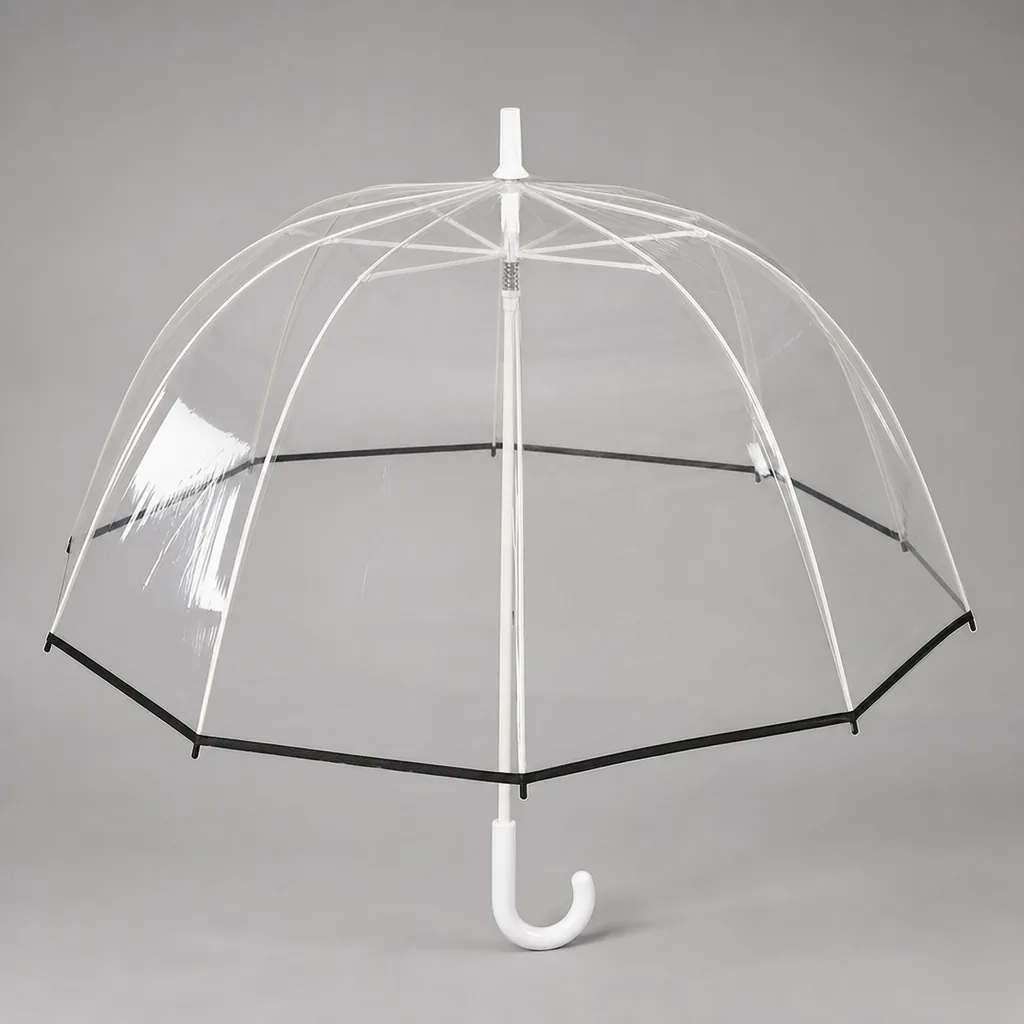
Buying a windproof folding umbrella for a windy market is less about style and more about how the frame survives real gusts, repeated openings, and pocket-sized packaging. On the factory floor, the difference usually comes down to venting design, rib material, shaft stiffness, and whether the auto-open mechanism adds failure points or useful speed. For B2B buyers, the challenge is balancing storm performance, carton cost, and acceptable warranty risk before a sample ever reaches the shelf.
- 1. Match the folding format to the market and bag size
- 2. Understand the windproof structure: venting, canopy tension, and rib choice
- 3. Specify canopy fabric for durability, water resistance, and UV use
- 4. Choose the opening system, shaft construction, and handle
- 5. Confirm testing, MOQ, pricing basis, and production timeline
Match the folding format to the market and bag size
Match the folding format to the buyer’s bag size first, then set the OEM specification around the use case. For commuting, a 3-fold umbrella is usually the best balance: packed length about 28 to 33 cm, open coverage around 98 to 108 cm on a 21" to 23" canopy, and enough room for fiberglass ribs without making the frame feel overly stiff. That size fits a backpack side pocket, laptop bag, or briefcase sleeve, so it is the standard choice for office programs, retail, and everyday rain use. If the goal is a windproof folding umbrella that still carries comfortably on transit, 3-fold is the default format because it keeps portability and frame strength in the same package.
A 2-fold umbrella makes more sense when the market wants a straighter, more substantial profile and can accept a longer packed length, usually 34 to 38 cm. The extra length gives room for a thicker center pole, stronger rib geometry, and better load handling, especially on a double canopy umbrella designed for higher wind resistance. It fits travel retail, executive gifts, and premium promotions where durability matters more than handbag portability. The tradeoff is simple: it is less convenient for small bags, but it usually feels stronger in hand and holds shape better in gusts than an ultra-compact design.
A 5-fold format is a portability play, not a strength-first option. Packed length can drop to about 18 to 23 cm, which suits small purses, travel pouches, and giveaway kits, but the shorter ribs and tighter joint structure reduce wind resistance unless the OEM specification adds reinforcement. Open span is often only 90 to 96 cm, so coverage is smaller than a 3-fold or 2-fold model. That makes 5-fold useful for promotion and lower shipping volume, but not ideal for daily urban use where frame durability matters. For most buyers, the 3-fold windproof folding umbrella remains the safest default because it gives the best mix of cost, coverage, and frame strength.
Understand the windproof structure: venting, canopy tension, and rib choice
A windproof folding umbrella works by managing air pressure, not by looking heavier. A double canopy umbrella uses a vented upper panel to let wind pass through the crown, which reduces lift on the tips, stretcher joints, and runner. That matters on a 3-fold umbrella because the shorter shaft and compact frame leave less room for flex, so the canopy pattern has to stay taut without becoming drum-tight. For OEM specification review, request the panel count, vent size, opening force on auto-open models, and fabric spec such as 190T or 210T pongee. Those details affect both cost and field performance more than cosmetic frame thickness. If the vent is too small or the canopy tension is inconsistent, gusts will still load the frame even when the umbrella looks “reinforced.”
Fiberglass ribs usually outperform steel ribs in gusty conditions because they flex and recover instead of taking a permanent set. Steel can feel stiffer on day one, but once it bends, the frame often goes out of alignment and joint failure follows. Fiberglass ribs and fiberglass stretchers are the safer choice for a windproof folding umbrella sold for daily commuting, especially when paired with a vented canopy and a controlled tension pattern. Rib count matters too: 8K frames use fewer parts, so they are lighter, lower cost, and easier to repair; 16K frames spread wind load more evenly and hold a rounder canopy profile, but they add sewing steps, inspection points, and replacement complexity. In buyer terms, choose 8K for simple, cost-sensitive programs and 16K when stability and shape retention matter more than part count.
The tradeoff is not just strength versus price; it is also service risk. More ribs can improve load distribution, but only if the stitching, rib length, and runner fit are consistent across the whole batch. If the canopy tension is uneven, a 16K frame can still twist, and the extra joints increase the chance of a mismatch during repair or spare-part replacement. For sourcing, ask the factory to confirm AQL 2.5 inspection on key points such as rib alignment, vent stitching, and auto-open spring force. That keeps the OEM specification measurable and reduces the chance of receiving a frame that looks windproof but fails in real use.
Specify canopy fabric for durability, water resistance, and UV use
Write the canopy spec into the OEM specification, not as a color or price option. For a windproof folding umbrella, 190T pongee is the standard entry point for a 3-fold umbrella: it is light, dries fast, and accepts printing well for retail or promotional orders. 210T pongee is the better commercial choice when the buyer wants a tighter weave, slightly better hand feel, and less fabric growth after repeated auto-open cycles or wind loading. If the frame uses fiberglass ribs, the canopy still needs enough recovery to stay aligned after flexing; otherwise the ribs may survive while the panels look loose. Buyers should confirm panel count, stitch density, and whether the canopy is for everyday rain use or for a higher-wear program with frequent carry and repeat opening.
For sun-plus-rain products, ask for UPF 50+ explicitly; do not rely on a dark color or a dense weave. The factory should state whether UV performance comes from the base fabric, a black-out layer, or a coating, because a rain-only canopy can pass visual checks and still miss the UV brief. This is especially important on a double canopy umbrella, where ventilation helps wind release but does not automatically improve sun protection. The canopy spec should also cover water resistance: seam sealing on stitched joins, reinforced corners at stress points, and controlled stitch tension around the runner and vent openings. Without those details, the first failure is usually seam leakage or corner tearing, not rib breakage.
The practical buying rule is to lock the fabric grade, UV target, and reinforcement details before sample approval. A 190T canopy may be acceptable for cost-driven FOB orders, but 210T is usually the safer choice when the buyer wants fewer returns and better appearance after wind tests. Ask the supplier to show the exact canopy construction on the pre-production sample: panel stitching, corner patches, seam sealing, and any coating used for water repellency or UPF 50+. For bulk orders, confirm the inspection plan as well, including AQL 2.5 if the program needs tighter control on seams and canopy defects. That keeps quotes comparable across vendors and reduces the risk of approving a sample that cannot be repeated in production.
Choose the opening system, shaft construction, and handle
For a windproof folding umbrella, the opening system should match the buyer’s use case and acceptable failure risk. Auto-open is the lowest-cost choice for promotions and bulk giveaways, but the spring and runner take the full release load, so wear shows up first in the button and latch. Auto-open/close costs more, but it fits commuter and retail programs because one-hand operation improves daily use; it also demands a stronger center shaft, tighter rivet control, and consistent button travel. Manual operation has the fewest moving parts and is usually the safest choice for lower-cost OEM specification orders, but it trades speed for durability. In repeat-use markets, the button must press smoothly and reset cleanly, or returns increase even when the canopy and ribs still pass basic inspection.
Shaft and handle choices should be tied to size, wind exposure, and price target. Steel shafts are stiff and economical, but they add weight and can rust if the plating is thin; aluminum lowers carry weight, while fiberglass shafts flex better in gusts and pair well with fiberglass ribs on a double canopy umbrella. For a 3-fold umbrella, loose telescoping tolerances create wobble, poor button alignment, and premature wear at the joints. Handle material should match the channel: EVA keeps costs down for giveaway orders, while PU and TPR improve grip for commuter use in rain. Straight plastic handles are acceptable for entry-level programs, but they should still be paired with a centered button and firm latch engagement so the opening system feels reliable after repeated use.
Confirm testing, MOQ, pricing basis, and production timeline
If you are sourcing a windproof folding umbrella, ask for test data before you discuss artwork or handle style. Require cycle testing on the shaft, runner, and auto-open mechanism, plus a wind simulation report on a production sample, not a showroom unit. For a double canopy umbrella, the report should show resistance to inversion and seam failure under gust load; for fiberglass ribs, it should document repeated flex cycles without splintering, whitening, or loose tips. Put AQL 2.5 in the PO for moving parts and canopy defects so both sides use the same inspection target for bent ribs, skipped stitches, loose springs, and paint scratches.
Buyers also need a clear MOQ and pricing basis. A 3-fold umbrella in 190T pongee with auto-open and a standard sleeve often supports a lower MOQ than a fully customized OEM specification with Pantone-matched panels, UV coating, or a special handle, but the supplier should state the minimum by colorway and print method. Ask for written pricing on an FOB basis, such as FOB Ningbo or FOB Shanghai, or DDP if you need landed cost to your warehouse. The quote should separate unit price, tooling if any, carton pack, and freight assumptions so you can compare suppliers on equal terms.
Confirm lead times in days, not vague promises. For a windproof folding umbrella sample, 7 to 12 days is realistic when the frame is standard and artwork is final; new mold work, a revised handle, or a changed canopy fabric will add time. For bulk orders, 25 to 35 days after sample approval and deposit is a normal window for a standard 3-fold umbrella, with Zhejiang peak season pushing production longer. Lock the sample, confirm the AQL 2.5 checklist, and approve mass production only after color, function, and carton marks are signed off. That sequence reduces rejection risk and keeps the order moving from test proof to shipment with fewer disputes.
Frequently Asked Questions
What makes a folding umbrella truly windproof?
A windproof folding umbrella usually combines fiberglass ribs, a vented or double-canopy design, and reinforced joints. No umbrella is storm-proof, but these features help it flex and recover in gusts.
Should buyers always choose auto-open for folding umbrellas?
Not always. Auto-open is convenient for commuters and promotions, but manual models can be lighter, less complex, and sometimes lower risk for long-term reliability. The best choice depends on price point and target user.
What rib material is best for a windproof folding umbrella in bulk orders?
For most buyer programs, fiberglass ribs offer the best balance of flexibility and return strength in gusts. A common OEM setup is fiberglass ribs with a steel shaft, while higher-cost models may use full fiberglass components for better corrosion resistance.
How does a double-canopy design affect cost and performance?
A double-canopy or vented canopy improves wind release and reduces inversion, but it usually adds material and sewing cost. Buyers should expect a higher unit price than a standard single-canopy 3-fold umbrella, especially if they also specify reinforced stitching or a higher denier canopy fabric.
What should a buyer specify when ordering an auto-open windproof folding umbrella OEM?
Key specs include open size, folded length, canopy fabric, rib count, rib material, handle type, and opening mechanism. For factory quoting, also confirm target MOQ and required testing standard, since auto-open systems and reinforced frames can affect both lead time and unit cost.
Looking to Launch Your Custom Umbrella Line?
ZheBrella is a Zhejiang-based OEM/ODM umbrella manufacturer with 17 years of export experience. Free design, low MOQ from 100 pieces, windproof construction, full-color print.
Get Free Quote Now »People Also Search For
Related Articles
Travel Umbrella Specs Buyers Should Lock Before Sampling
Define compact umbrella specs before sampling: folded length, weight, ribs, pongee grade, mechanism, and packaging to cu...
Read More »
Double-Canopy Windproof Umbrellas: Buyer Selection Guide
Compare double-canopy builds, vent vents, rib materials, and MOQ so buyers can source windproof umbrellas that match ret...
Read More »
Double-Canopy Windproof Umbrella Builds for Retail Buyers
Learn how double-canopy vents, rib choice, and frame layout improve wind resistance, and what specs retailers should req...
Read More »