All-Over Pattern Printing for Private-Label Umbrellas

Private-label umbrella buyers often approve a clean repeat on screen, then find the finished canopy has broken motifs at the seams, color drift between panels, or logos pulled off-center by rib tension. On our Songxia production floor, all-over umbrella printing starts with the fabric width, panel shape, rib count, cutting allowance, and sewing sequence—not just the artwork file. Getting those details right before sampling is what keeps repeat patterns consistent through bulk production and AQL inspection.
How All-Over Patterns Differ From Standard Logo Prints
A standard logo print is usually one or two positions: one panel, two panels, or maybe the sleeve, with artwork kept inside a safe area so the seam, tip, and rib pockets do not interfere. All-over umbrella printing is a different job because the artwork becomes part of the canopy construction. For a repeating pattern umbrella, the factory must decide whether the print is a true repeat across cut panels or simply a random repeat where each panel is cut from printed fabric without matching the neighboring panel. Random placement is cheaper and acceptable for small florals, dots, camouflage, abstract graphics, and busy promotional patterns. Controlled alignment costs more because every triangular panel must be cut in sequence, and the sewing team must keep the print direction consistent from panel one through panel eight or ten.
Engineered umbrella panel artwork is the most demanding version because the design is built around the umbrella’s geometry, not just tiled like wallpaper. A 23-inch 8K canopy has eight curved triangular panels, while a 27-inch golf umbrella may use 8K or 10K construction with wider panel faces and longer seam lines. If the buyer wants a stripe to run cleanly over ribs, a border to circle the canopy edge, or a brand mascot to sit centered on alternating panels, the artwork must be laid out to the exact panel template with bleed, seam allowance, top cap clearance, and tip pocket position marked. On 190T pongee printing, we normally allow enough bleed to absorb cutting and sewing movement, because even a 2–3 mm shift becomes visible when lines are supposed to meet at the rib seam.
The right print method depends on quantity, fabric, and design complexity. Screen printing is still the practical choice for private-label umbrellas with simple one- to three-color repeats and higher MOQs, often 500–1,000 pieces per design, because the ink is solid and unit cost drops after screens are made. Digital printing is better for lower-volume sampling, many SKUs, or photographic artwork where screen setup would be inefficient, but color control must be checked carefully on coated pongee. Sublimation is my preferred route for full-color, edge-to-edge all-over umbrella printing on polyester fabrics, especially 190T or 210T pongee, because the pattern bonds well and keeps the hand feel soft. For PVC, POE, or EVA clear canopies, the process changes completely; buyers should not approve artwork until the factory confirms adhesion, transparency, and scratch resistance on the actual material.
Fabric, Color, and Print Method Considerations
Fabric choice decides half the result before ink ever touches the canopy. For private-label umbrellas, 190T pongee is the normal commercial sweet spot: tight enough for clean registration, soft enough to fold well, and cost-efficient for 21", 23", and 27" programs. 210T pongee has a denser hand and slightly smoother surface, so fine lines in umbrella panel artwork usually hold better, especially on fashion or retail-grade orders. The tradeoff is higher fabric cost and sometimes slower drying during production. Polyester does not absorb ink like cotton; most umbrella printing relies on ink bonding to the fiber surface or dye migration under heat. That is why 190T pongee printing needs controlled temperature, pressure, and dwell time, not just a good-looking digital file. On repeating pattern umbrella jobs, we check whether the repeat crosses seam lines cleanly, because each canopy is built from separate triangular panels, not printed as one round sheet.
Dark-ground printing has hard limits that buyers often underestimate. A navy, black, forest green, or burgundy canopy will mute most inks unless a white underbase is used, and that adds cost, thickness, and another registration risk. Sublimation is excellent for bright all-over umbrella printing on white or light polyester, but it cannot print white and performs poorly on dark dyed pongee. Screen printing can place stronger spot colors on dark grounds, but it is less suitable for complex full-panel repeats unless the artwork is simplified. Heat transfer can solve some small-logo problems, but large coverage transfers may feel plastic and can crack at fold lines after repeated opening. If a customer wants a luxury dark canopy with pale beige florals, I usually recommend printing the pattern on white pongee first, then controlling the dark background in the artwork instead of starting with dark stock fabric.
Coatings change color more than most Pantone books admit. Silver UV backing, black-out layers, and UPF 50+ coatings can reduce fabric flexibility and slightly shift the face color, especially after heat is applied. A white 190T pongee before coating and the same fabric after UV treatment can print differently because the coating affects heat transfer, ink penetration, and final gloss. Teflon water-repellent treatment is usually applied after printing or specified as a compatible finish, because poor sequencing can reduce adhesion or cause uneven beading. Our standard practice at ZheBrella is to approve color by printed fabric swatch, not by PDF or Pantone code alone. For production, a realistic tolerance is usually Delta E 2.0–3.0 for controlled retail work and wider for promotional orders, depending on fabric lot, coating, print method, and lighting. Pantone is the target language; bulk fabric is the reality check.
Designing Around 8K and 16K Panel Structures
Panel count is the first constraint I check before approving umbrella panel artwork, because an 8K canopy and a 16K canopy do not read the same when opened. An 8K straight umbrella, usually 23" or 27", has eight wider triangular panels, so a floral, checker, logo repeat, or diagonal stripe has more uninterrupted space between seams. That makes the pattern look bolder, but it also makes any mismatch at the seam more obvious. A 16K canopy breaks the circle into narrower slices, which improves visual symmetry for radial designs but compresses the repeat scale. If the artwork was built as a flat rectangle and simply dropped onto each panel, the open umbrella can show pinwheel distortion, uneven logo spacing, or a hard break at the top notch near the ferrule.
For all-over umbrella printing, the repeat must be designed panel by panel, not treated like T-shirt yardage. On 190T pongee printing, we normally allow seam allowance of about 7–10 mm per side depending on sewing method, and that hidden fabric still affects where stripes, borders, or small logos land after assembly. Folding umbrellas, especially 21" and 23" 3-fold auto-open-close models, have shorter panels and tighter curvature, so small repeating patterns work better than oversized graphics. Double-canopy windproof styles add another complication: the outside canopy may be vented, while the lower canopy is visible through the gap, so the repeat direction and color contrast must be checked on both layers. A repeating pattern umbrella can look clean in a mockup but messy once ribs, tips, vents, and seam tension pull the fabric into its real shape.
Prototypes are not optional before bulk cutting private-label umbrellas with complex repeats. A digital proof only confirms color placement; a sewn pre-production sample confirms whether the pattern aligns at the seams, whether the top cap hides the center join, and whether the design still looks balanced when the ribs are under tension. Our standard practice at ZheBrella is to make at least one full-size sample using the actual frame type, fabric weight, and print method before releasing 500, 3,000, or 10,000 pieces to cutting. For sublimation, heat-transfer, or screen-printed panels, even a 2–3 mm registration drift per panel can become a visible 16–24 mm error around an 8K canopy. On 16K styles, the error is divided across more seams, but labor cost and inspection time increase because there are twice as many joins to check under AQL 2.5.
Sampling, MOQ, and Production Lead Time
MOQ depends less on the umbrella frame and more on the printing process and how much setup waste the job creates. For digital all-over umbrella printing on 190T pongee, a practical starting MOQ is usually 100–300 pieces per design, because there is no screen plate cost and color changes are manageable. Sublimation on white 190T or 210T pongee is often 300–500 pieces per design, especially when the umbrella panel artwork must align across 8K or 10K panels. Rotary or flatbed screen printing for a repeating pattern umbrella normally starts around 500–1,000 pieces per colorway, because screens, ink matching, and panel registration waste become real costs. For private-label umbrellas with custom handles, woven labels, printed sleeves, and retail cartons, buyers should expect 500–1,200 pieces as a realistic combined MOQ, even if the canopy printing itself can start lower.
Sampling should be treated as a production rehearsal, not a pretty photo. A digital strike-off or printed fabric swatch can usually be finished in 3–5 days after vector artwork and Pantone references are confirmed. A full pre-production sample with the actual 21", 23", 27", or 30" frame, ribs, runner, tips, sleeve, and packaging normally takes 7–12 days for standard manual or auto-open models. Auto-open-close folding umbrellas, double-canopy vented windproof builds, and special coatings like Teflon or UPF 50+ can push sampling to 12–18 days. Our standard practice at ZheBrella is to approve both the open-canopy view and the closed roll-up view, because all-over umbrella printing can look correct when open but show awkward pattern breaks when wrapped and strapped.
Bulk lead time starts only after artwork, sample, deposit, and packaging files are approved; calendar promises made before that are just guesses. For digital or sublimation 190T pongee printing, normal production is 20–30 days for 500–3,000 pieces. Screen-printed private-label umbrellas usually need 30–40 days because screen making, ink curing, sewing allocation, and AQL 2.5 inspection add steps. Complex retail programs with barcoded cartons, hang tags, mixed SKUs, or 10K/16K fiberglass windproof frames should be planned at 45–60 days before vessel departure. FOB Ningbo or Shanghai works when the buyer controls freight, but DDP to the U.S. or Europe adds customs, duties, trucking, and 25–45 days of transit by sea. For retail resets, trade shows, or promotional events, build the launch calendar backward from the in-hands date, not the factory completion date.
Quality Checks for Pattern Consistency
Pattern consistency has to be checked before sewing, not only after the umbrella is assembled. For all-over umbrella printing, we first lay out the cut panels in rib sequence, usually 8K or 10K for standard 23" and 27" private-label umbrellas, and confirm that panel 1 through panel 8 follows the approved umbrella panel artwork. A common failure is not bad printing but wrong panel mixing after cutting, especially when a repeating pattern umbrella uses small logos, diagonal stripes, or border elements that look similar at a glance. For 190T pongee printing, our standard practice is to keep one approved pre-production canopy as the visual master, then compare production panels under D65 light before stitching. If the buyer wants a continuous match across seams, the purchase spec must state the allowed registration shift clearly, such as seam-to-seam pattern mismatch not exceeding 3 mm on straight geometry and 5 mm on organic artwork.
After sewing, seam registration and ink coverage should be checked on opened canopies at normal viewing distance and again at arm’s length. I do not recommend approving only flat fabric swatches for all-over umbrella printing, because the final canopy is a curved structure pulled by ribs, tips, and stretchers; a pattern that looks balanced on the cutting table can twist once mounted to an auto-open frame. Inspectors should check whether logos are clipped at the crown, whether repeats drift around the ferrule, and whether high-contrast artwork lines jump at the seam. Ink coverage should be even from the center cap area to the hem, with no pale bands, pinholes, ghosting, or over-saturated patches. On sublimation and heat-transfer jobs, pay special attention to dark navy, black, and red, because uneven heat pressure can create cloudy zones near panel edges.
Rub resistance and canopy shape are part of the same quality decision, because a beautiful print is useless if it scuffs during packing or distorts after assembly. For promotional and retail private-label umbrellas, we normally test dry rub and wet rub on printed areas, then open and close samples repeatedly to check whether ink transfers onto the tie strap, sleeve, or adjacent panels. Final inspection should follow AQL 2.5, with critical defects such as wrong pattern sequence, wrong brand color, or inverted panel treated separately from minor cosmetic issues. The purchase spec should define acceptable pattern shift numerically, include a signed artwork layout showing panel order, and state whether registration is judged at every seam or only at key logo positions. Also inspect canopy tension: no sagging between ribs, no twisted tips, and no uneven scallop at the hem after the umbrella is fully opened.
Frequently Asked Questions
Can a repeating pattern match perfectly across every umbrella seam?
Usually not perfectly, because each panel is cut and sewn separately. A realistic spec should define an acceptable seam shift, often a few millimeters, and confirm it on a pre-production sample.
Is all-over printing suitable for folding umbrellas?
Yes, but folding frames create tighter fabric folds that can make dense patterns look busier. Buyers should test the print on the actual 3-fold or 5-fold frame before approving bulk production.
How much artwork tolerance is normal at umbrella panel seams on an all-over print?
For mass production, a seam shift of about 2-5 mm is typically acceptable depending on rib count, fabric stretch, and print method. If your pattern has tight geometric lines or logos crossing seams, request a pre-production sample and define seam tolerance in the approval standard.
Does rib count affect how a repeating pattern should be built for private-label umbrellas?
Yes. An 8-rib umbrella uses different panel proportions than a 10-rib or 16-rib frame, so the repeat size and artwork placement must be adjusted to each canopy structure. Buyers should confirm the final panel template before color separation or digital print output.
What should be checked during AQL inspection for printed umbrella canopies?
Key checkpoints include color consistency against the approved swatch, panel-to-panel pattern alignment, seam registration, print sharpness, and visible smudging or white gaps near stitching. For private-label orders, many buyers also add carton-level checks to confirm the same approved print version is packed across the shipment.
Looking to Launch Your Custom Umbrella Line?
ZheBrella is a Zhejiang-based OEM/ODM umbrella manufacturer with 17 years of export experience. Free design, low MOQ from 100 pieces, windproof construction, full-color print.
Get Free Quote Now »People Also Search For
Related Articles
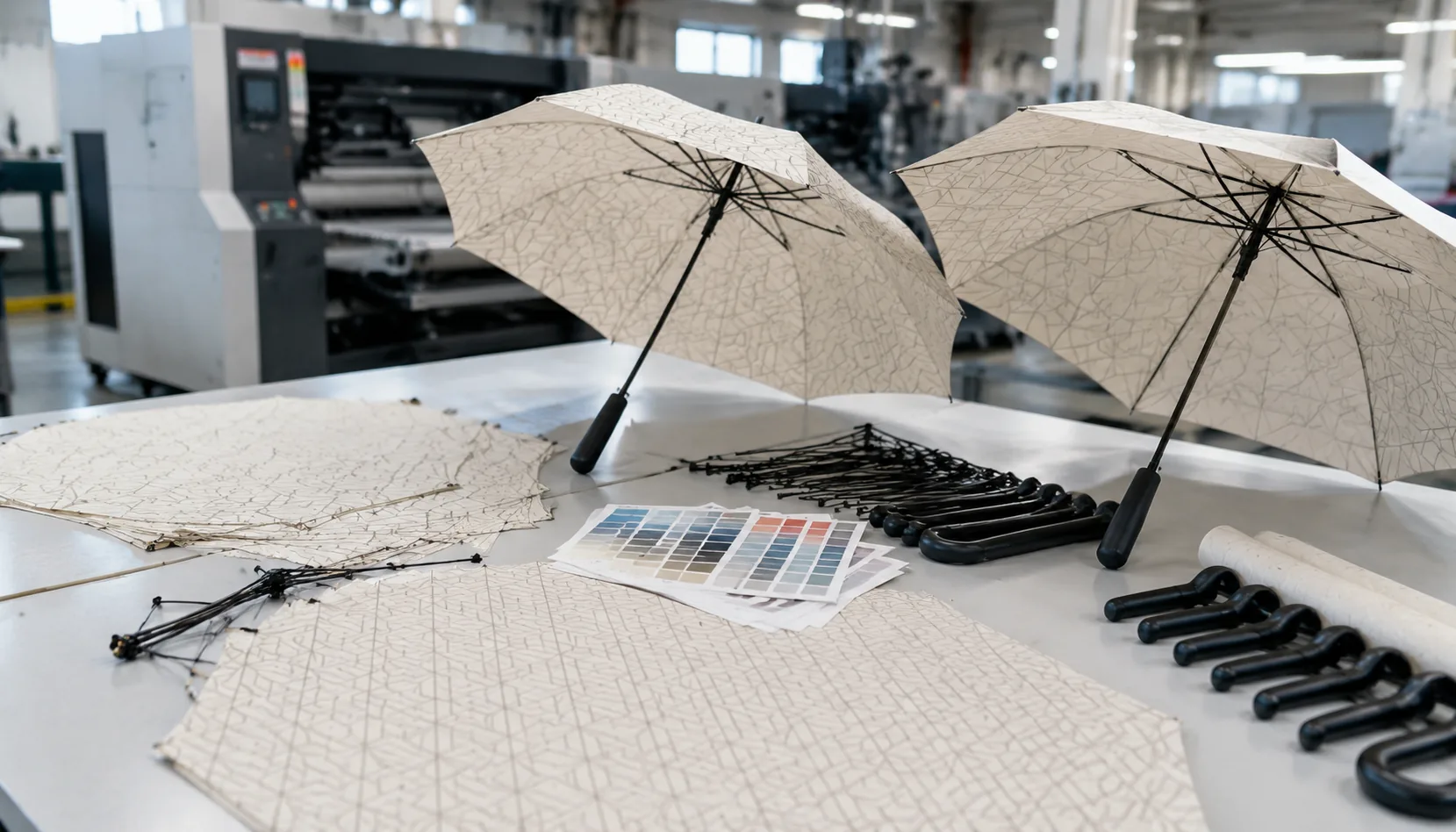
Repeat Pattern Printing for Private-Label Umbrella Lines
Plan repeat pattern umbrella printing with clean panel matching, fabric choices, and inspection standards for scalable p...
Read More »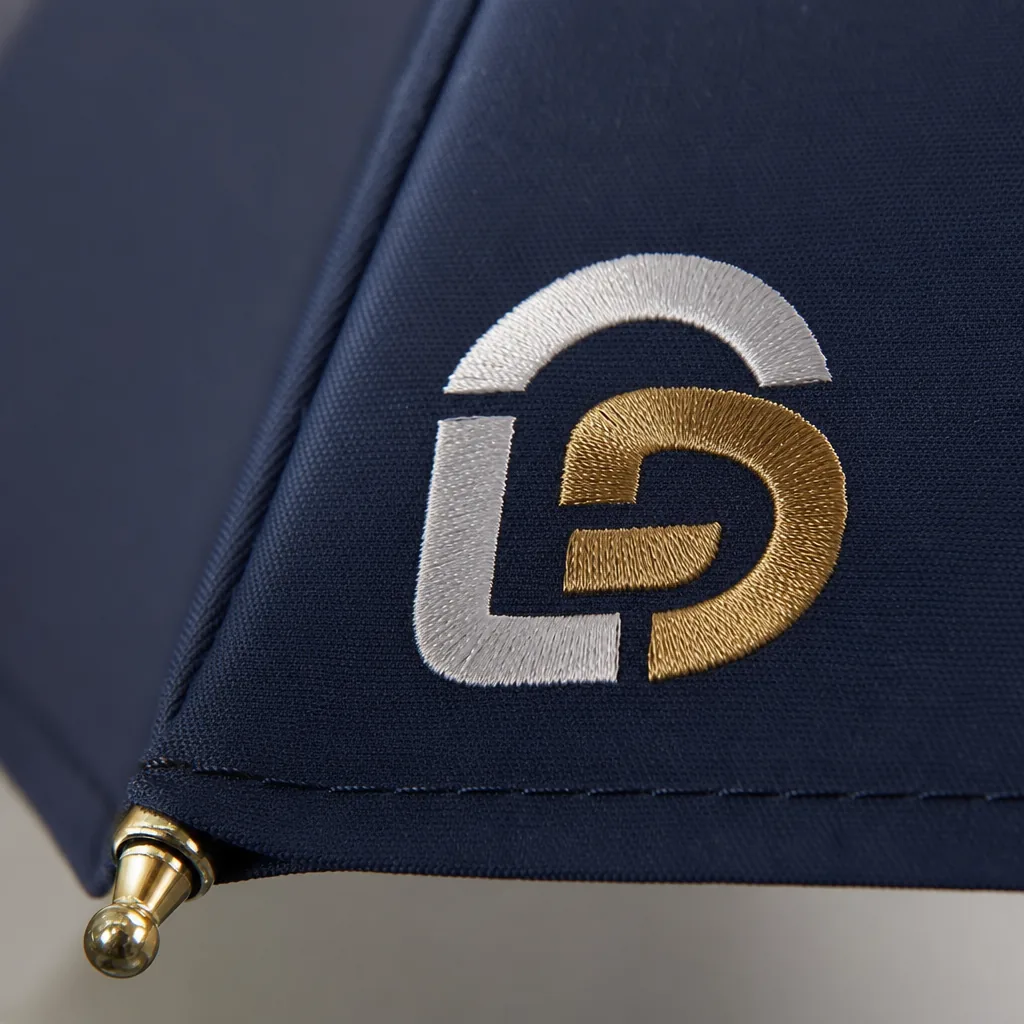
Repeat Pattern Printing for Private-Label Umbrella Canopies
Plan repeat-pattern umbrella artwork with clear panel repeats, 190T/210T pongee choices, sampling steps, MOQs, and QC ch...
Read More »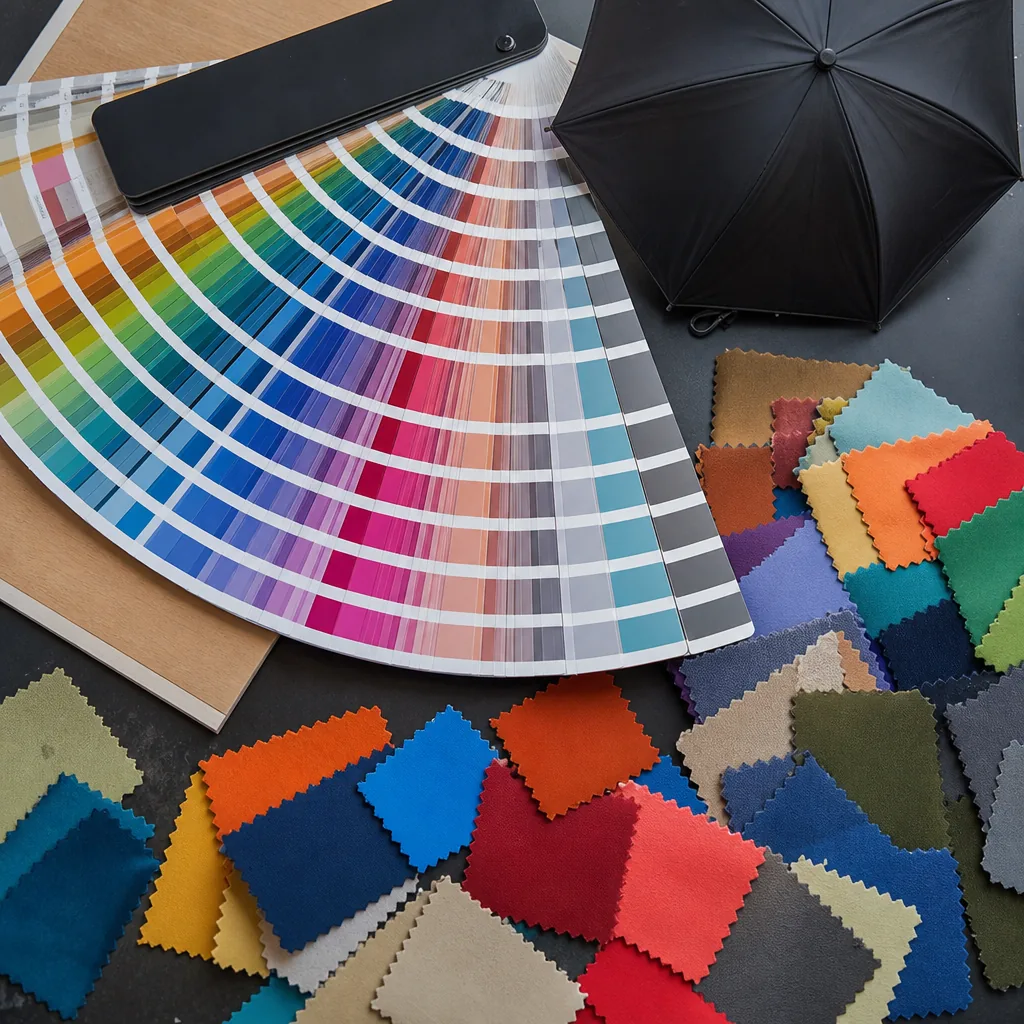
All-Over Repeat Patterns for Private-Label Umbrellas
Build private-label umbrella patterns that repeat cleanly across panels with the right fabric, rib count, artwork scale,...
Read More »