Branded Umbrellas for Retail Merchandising and Storefront Sales
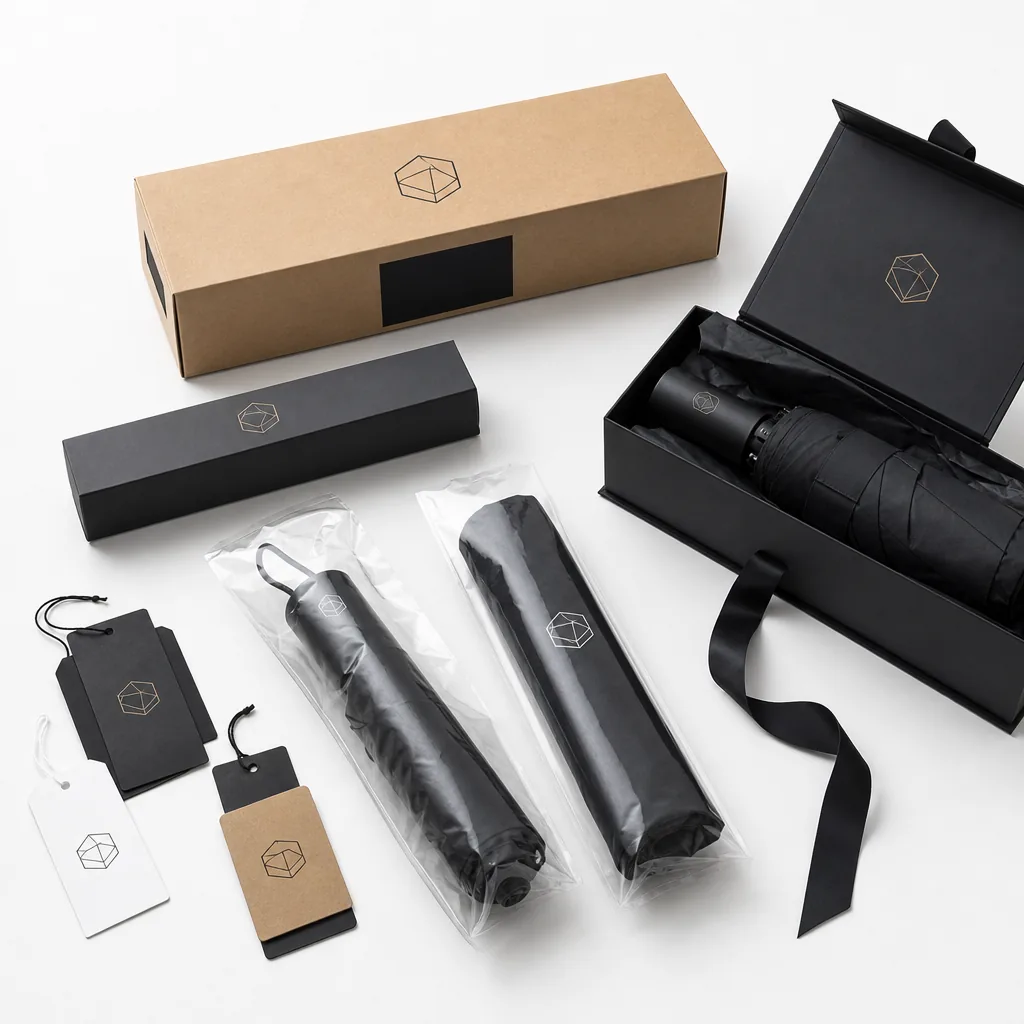
Retail umbrella merchandising only works when the product, display, and replenishment plan all match how customers buy at the shelf and at the storefront. At the factory level, we see the difference in frame strength, canopy sizing, print placement, and carton packing long before a buyer notices sell-through or margin pressure. A retail-ready umbrella line needs the right mix of price points, colors, and pack counts to move quickly, stay presentable, and avoid seasonal overstock.
- 1. Which umbrella styles sell best in retail environments
- 2. How material and frame choices affect shelf appeal and returns
- 3. Building a retail assortment by price band and margin target
- 4. Packaging and in-store display tactics that increase sell-through
- 5. Quality control and replenishment rules for retail programs
Which umbrella styles sell best in retail environments
Compact umbrellas usually produce the fastest sell-through in retail umbrella merchandising because they solve an immediate need at the lowest opening price. Build the core line around a 21-inch compact in 190T pongee with auto-open and 8K steel ribs for commuter bags, glove boxes, and handbag carry. Step up to a 21-inch or 23-inch compact in 210T pongee when you need a denser canopy, smoother hand feel, and a more giftable finish. Price tiers should map to visible hardware: value models use 8K steel ribs to hold cost, while mid-tier versions add auto-open-close and fiberglass ribs for better flex under gusts and a clearer durability story at shelf. For retail SKU planning, limit compacts to three roles: one entry-price commuter model, one upgraded fabric model, and one weather-focused compact with improved rib flex. That tighter wholesale umbrella assortment reduces slow colors, keeps replenishment simpler, and makes the trade-up path obvious to the customer.
Stick umbrellas sell on perceived value, while golf and bubble shapes anchor the upper end for different reasons. A 23-inch or 27-inch stick umbrella with 8K steel ribs works well for hotel gift shops, museum stores, and storefront sales because the straight shaft and full silhouette look more formal than a compact at a similar functional size. Move that same shape to 210T pongee, fiberglass ribs, and auto-open, and the higher ticket feels justified without changing the use case. Golf umbrellas compete on coverage and frame presence: a 30-inch model in 210T pongee with 8K or 16K ribs and double-canopy venting reads as premium immediately, with 16K signaling refinement and 8K keeping cost more accessible. Bubble umbrellas win on visibility and fashion, especially in 21-inch clear POE or PVC for tourists and urban walk-in traffic. The most effective umbrella display strategy separates shapes by use case and price tier: compact for convenience, stick for gifting, golf for maximum coverage, and bubble for style and visibility.
How material and frame choices affect shelf appeal and returns
Fiberglass ribs are what keep a retail umbrella from turning into a return problem the first week it gets used. Steel shafts still make sense for cost-controlled programs, but once you move into branded retail umbrellas that need to survive repeated opening, wind gusts, and cashier-counter abuse, fiberglass ribs and a reinforced steel shaft combination is a safer claim set. In retail umbrella merchandising, I look at the frame first because frame failure drives the ugliest complaints: broken rib tips, bent shafts, and canopies that invert in a mild storm. A double-canopy vented windproof build is not just a feature line; it changes how the umbrella releases pressure in wind, which is why it can support a durability claim that a plain single-canopy model cannot. For retail SKU planning, that difference usually justifies a higher shelf price and lower return risk.
Coatings matter just as much as the skeleton. A UV coating with UPF 50+ is one of the few features shoppers can understand quickly, especially for fashion and commuter umbrellas sold near entrances or in seasonal displays. On the floor, that helps the umbrella display strategy because the sign can lead with sun protection instead of vague ‘premium quality’ language, which buyers ignore. Our standard practice is to separate canopy materials by use case: 190T pongee for value-driven retail, 210T pongee when you need a denser hand feel and better print definition, and POE or PVC only when the assortment calls for clear or promotional looks. Those choices affect complaint patterns: thin fabrics get pinholes, cheap coatings peel, and poor sewing tension shows up as seam leakage after the first hard rain.
Handle style is a bigger pricing lever than most merchandisers admit. Straight EVA handles read more like commuter goods, while curved plastic or rubberized grips feel more traditional and are easier to hang on hooks, which matters in a wholesale umbrella assortment with limited shelf depth. If the handle feels slippery, customers blame the whole umbrella even when the frame is fine, so retail umbrella merchandising has to treat grip, weight, and opening mechanism as part of the product story, not afterthoughts. Manual, auto-open, and auto-open-close models each create a different return profile: manual is cheapest but less convenient, auto-open sells well at mid-tier price points, and auto-open-close adds cost but often reduces handling complaints. The best retail SKU planning is not about stocking every option; it is about matching frame, coating, and handle to the price band so the shopper understands why one umbrella costs more and complains less after purchase.
Building a retail assortment by price band and margin target
Build the wholesale umbrella assortment around three price bands and keep each band tied to a clear cost and margin target. Entry SKUs should be 21" or 23" manual compact umbrellas with steel ribs, 190T pongee or POE canopies, and a basic sleeve; plan 20–30% of units, 500–1,000 pcs MOQ per color, and 48–60 pcs per carton to limit cash exposure and test shelf response. Core SKUs should carry the program: 23" or 27" auto-open styles with fiberglass ribs, 210T pongee, printed or solid canopies, and a cleaner handle spec; target 50–60% of units, 1,000–3,000 pcs MOQ, and 24–36 pcs per carton for private-label consistency and barcode-ready outer cases. Premium SKUs should stay at 15–20% of units and justify higher gross margin with 10K or 16K fiberglass frames, auto-open-close mechanisms, vented double-canopy construction, and Teflon or UPF 50+ coating. Typical gross margin bands are 35–45% for entry, 45–55% for core, and 55%+ for premium when the style is differentiated and not promo-led.
Treat retail umbrella merchandising as a landed-cost exercise, not just an assortment exercise. Use standard master cartons for entry and core so store DCs and marketplace prep centers can receive cleanly, and use tighter packing plus stronger inner protection on premium styles to cut transit damage and claims. For multi-store or omnichannel programs, FOB gives the retailer control of import duty, ocean freight, and domestic drayage, so it works best when the buyer has centralized receiving and can spread freight across volume. DDP fits smaller chains, Amazon-style fulfillment, and multi-node replenishment because the landed cost is fixed per unit and easier to compare across channels. Do not mix FOB opening buys with DDP replenishment in the same retail SKU planning file, or margin by channel will be distorted. A practical lead time is 25–35 production days plus freight buffer, with carton-drop and final inspection checks before release under AQL 2.5; that keeps the umbrella display strategy aligned with sell-through, not just purchase price.
Packaging and in-store display tactics that increase sell-through
Seasonal colorways should be planned like apparel and replenished like weather goods. For retail umbrella merchandising, keep a core wholesale umbrella assortment in black, navy, and charcoal, then layer in short-run spring colors such as pastel blue, blush, clear POE dome umbrellas, and school or event colors. In fall, shift inventory toward burgundy, forest green, and reflective trims. Because rain-driven demand spikes usually hit within 24 to 72 hours after a forecast change, put deeper stock behind the best sellers instead of spreading units evenly across every color. Pack by color family and mark master cartons on two sides so a store, DC, or 3PL can pull “Spring Print Mix” or “Core Black Compact” without opening cases. For floor execution, use front-of-store displays before the rainy season and counter displays at checkout for 21" or 23" compact umbrellas during active storms; move 27" golf umbrellas to the entrance so shoppers can buy before walking to parking lots.
Use hangtags and belly bands to make branded retail umbrellas easy to price, scan, and replenish. Hangtags should carry the product name, canopy size, rib count, fabric, and barcode; belly bands can hold color name, retail price, and seasonal callouts without changing the carton. Match the display copy to the build: an 8K compact with 190T pongee and a fiberglass rib frame needs different shelf messaging than a 16K golf umbrella with a larger canopy and steel shaft. Keep barcode labeling consistent across replenishment cartons to reduce receiving errors and speed SKU intake. For retail SKU planning, keep fewer low-velocity colors in each case pack and split cases only where shelf space is tight, because smaller case packs lower handling cost and reduce overstock risk in slow-moving seasonal shades. This umbrella display strategy works best when lead time, carton labeling, and case pack counts are confirmed before PO release.
Lead time and packing should follow the selling calendar, not the factory calendar. For FOB programs, production usually needs 30 to 45 days after artwork approval; DDP replenishment should be booked earlier when typhoon-season freight congestion affects Ningbo and Shanghai departures. Ask suppliers to confirm case pack counts, carton dimensions, and outer-label placement before PO release, because those details affect shelf replenishment and freight cube as much as canopy spec. In practice, retail umbrella merchandising performs best when the store can swap color families quickly as rain forecasts change, the barcode scans on first pass, and the assortment stays tight enough to protect margin. That means inventory depth, carton labeling, and display placement drive sell-through more reliably than a wide branded retail umbrellas assortment with too many slow movers.
Quality control and replenishment rules for retail programs
For retail umbrella merchandising, one final-carton check is too late. Use three QC gates that stop defects before they become write-offs. Start with a signed pre-production sample that locks every store-facing spec: 21" or 23" canopy size, 8K or 10K frame, manual, auto-open, or auto-open-close mechanism, 190T or 210T pongee, handle finish, hangtag, barcode placement, and carton pack-out. Then run an in-line inspection during frame and canopy assembly, when correcting weak runner springs, off-register logo print, lot-to-lot shade variation, rib-cap punctures, broken tips, or mixed SKU labels costs far less than after packing. Finish with a final random inspection to AQL 2.5 before shipment release. For vented double-canopy styles, check stitch balance and top-notch alignment during sewing; for clear dome umbrellas in POE or EVA, check haze, seam straightness, and yellowing risk. Opening-cycle tests, salt-spray checks on steel components, and water-shedding tests should be completed before final color and print approval so the approved sample reflects real production performance, not just appearance.
AQL 2.5 works for branded retail umbrellas because it ties defect grading to store risk and sell-through. A thread tail is minor; a canopy panel that opens crooked is major; a sharp burr on a rib joint is critical. That discipline protects a wholesale umbrella assortment because shoppers judge opening feel, canopy symmetry, and print consistency immediately. It also supports umbrella display strategy: if the fixture relies on color blocking, approve lab dips or Pantone tolerance before fabric cutting so replenishment lots do not drift and make the display look uneven. For retail SKU planning, set reorder triggers by weeks of cover, not by weather headlines. Typical timing is 5-7 days for samples, 25-35 days for production after approval and deposit, 18-35 days for ocean transit, and 7-12 days for air or DDP parcel at a higher unit cost. A 21" manual 8K umbrella in black 190T pongee usually replenishes faster than a 27" golf style with fiberglass ribs and UPF 50+ or Teflon coating. As a rule, place reorders with 6-8 weeks of stock remaining before peak rain or back-to-school, and 8-10 weeks before holiday gift programs or storm-season auto-open-close demand.
Frequently Asked Questions
What umbrella specs are easiest to sell in retail stores?
Most retail programs start with a compact auto-open model and a mid-size stick umbrella. Buyers usually prioritize 190T or 210T pongee, clean branding space, and a clear price-to-durability story.
How much inventory should a retailer order for a new umbrella line?
Start with a tighter SKU mix and enough stock for 6 to 10 weeks of sales, then replenish based on sell-through. AQL 2.5 inspection and reliable lead times are important so the next order arrives before weather-driven demand peaks.
What umbrella size mix works best for a retail-ready assortment?
Most retail programs perform well with a mix of 21-inch travel umbrellas, 23- to 25-inch standard umbrellas, and a smaller number of oversized or golf styles. A common starting point is 60% standard, 30% compact, and 10% premium or large-format models, then adjust by store type and weather demand.
What is a typical MOQ for branded retail umbrella orders?
For OEM/ODM retail umbrellas, MOQ is often 500 to 1,000 pieces per style or color, depending on printing method, fabric, and handle customization. Mixed assortment orders may be possible, but each design usually needs its own minimum production quantity.
How far in advance should a retailer place umbrella orders before peak season?
For seasonal inventory control, retailers should place orders about 60 to 90 days before the target selling period. If custom materials, packaging, or logo printing are involved, allow 90 to 120 days to cover sampling, approval, and production.
Looking to Launch Your Custom Umbrella Line?
ZheBrella is a Zhejiang-based OEM/ODM umbrella manufacturer with 17 years of export experience. Free design, low MOQ from 100 pieces, windproof construction, full-color print.
Get Free Quote Now »People Also Search For
Related Articles
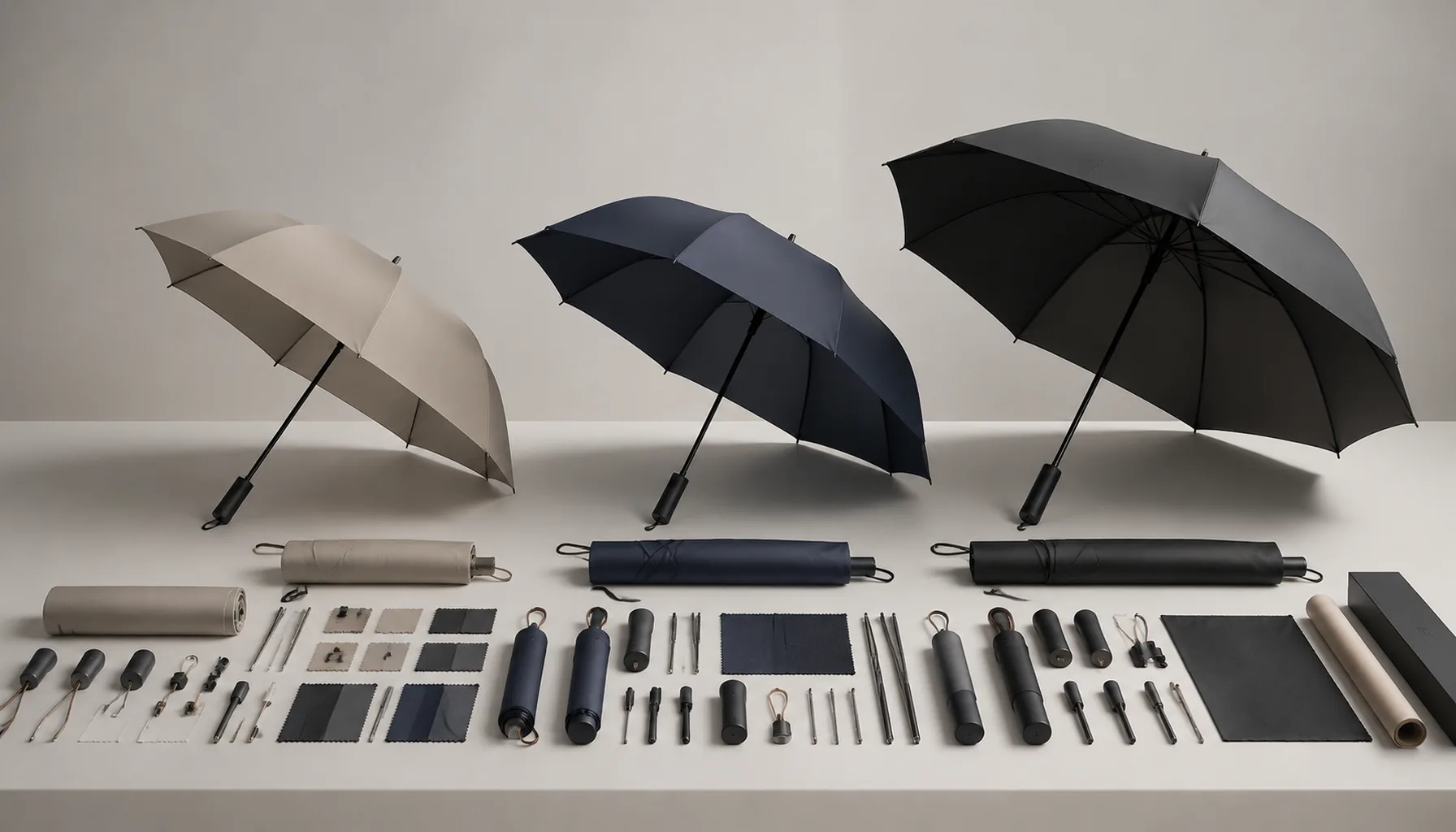
Retail Umbrella Line Planning: Good-Better-Best Specs
Build a retail umbrella range with clear good-better-best specs, target costs, MOQs, AQL checks, and packaging choices f...
Read More »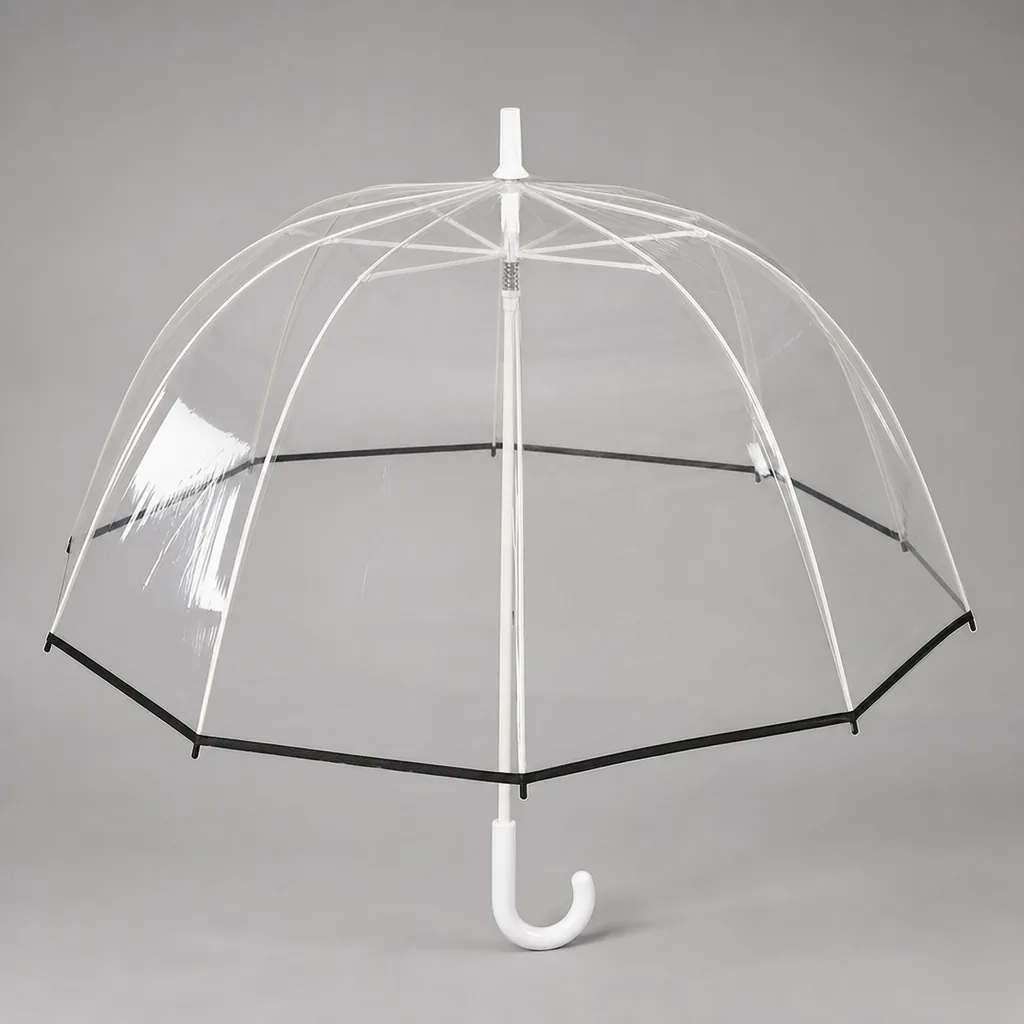
Merchandising Umbrellas in Retail: Display and Range Planning
How retail buyers build and display an umbrella range - good-better-best tiers, seasonal planning, and packaging that se...
Read More »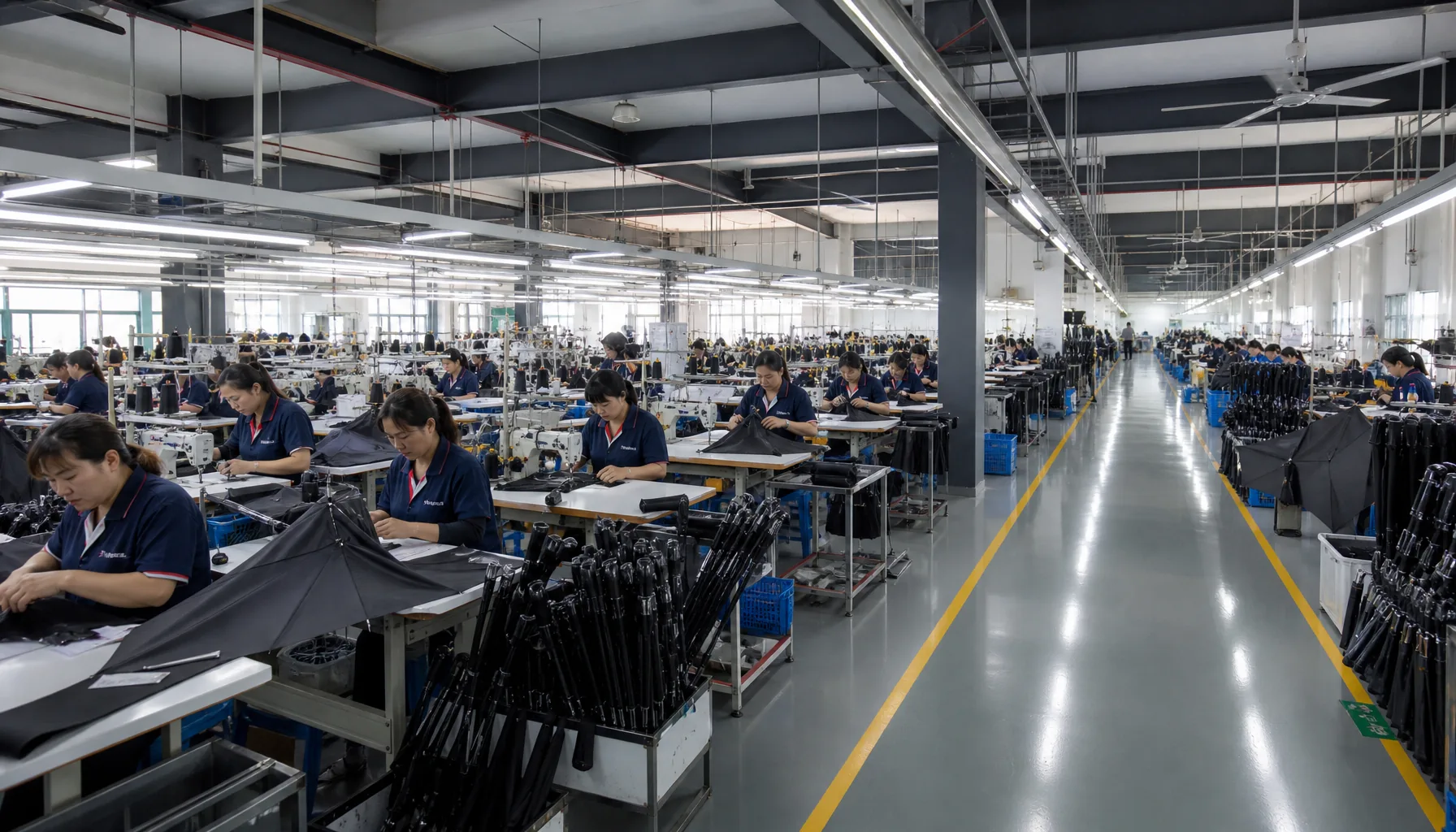
Multichannel Umbrella Retail: Wholesale, DTC, and Marketplace Mix
How umbrella brands balance wholesale, direct-to-consumer, and marketplaces without channel conflict — margin, control, ...
Read More »