Branded Umbrellas for Tourism and Visitor Experience Programs
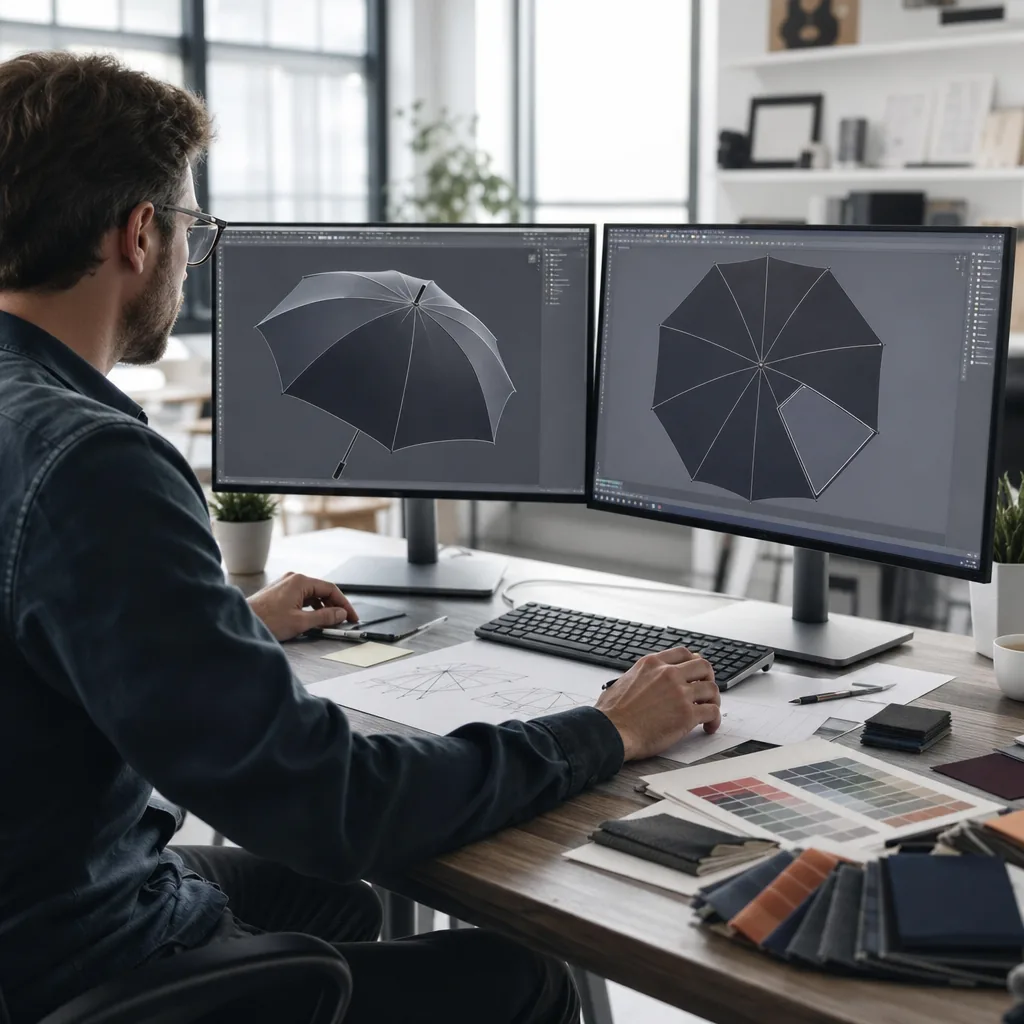
For tourism operators, an umbrella is not just a rainy-day giveaway; it affects guest comfort, brand visibility, retail margin, and how smoothly staff handle sudden weather. When buyers source tourism umbrellas, the hard part is balancing print quality, frame strength, packed size, delivery timing, and unit cost across programs that may serve museums, parks, hotels, cruise ports, or city events. On the factory floor, those choices show up in fabric cutting, rib selection, canopy tension, logo registration, and final inspection.
Where tourism operators use umbrellas
Use tourism umbrellas at every point where weather can slow a guest flow or make staff hard to identify: airport and ferry welcome desks, hotel concierge counters, museum entrances, theme-park gates, shuttle loading zones, guided tours, and outdoor queues. Free-issue or loaner stock should stay cost-controlled: a 21" or 23" manual-open model, 190T pongee canopy, steel shaft, and fiberglass ribs if the unit must survive repeated handouts instead of a single rainy afternoon. Guided tours need visibility first; a 27" canopy in a bright solid color or alternating panels turns the guide into a moving marker without forcing guests to search the crowd. Queue lines and shuttle bays need stronger frames because building gaps and waterfront sites create wind funnels. For those locations, specify double-canopy venting with fiberglass 8K or 10K ribs instead of a low-cost straight steel 8K frame to reduce breakage and replacement risk.
Operational backup stock has a different job than guest giveaways or paid souvenirs. Shuttle dispatchers, queue managers, golf-cart drivers, and outdoor ticketing staff need visitor experience umbrellas that open one-handed, dry fast, and tolerate daily handling in carts, racks, and umbrella stands. Auto-open is practical for staff deployment; auto-open-close fits VIP transfers where guests step in and out of vehicles repeatedly. Avoid PVC unless clear visibility is the requirement, because it creases and stiffens in cold weather. POE is cleaner for transparent dome umbrellas, while 210T pongee with a Teflon-type water-repellent finish is better for daily operating stock. At coastal attractions, a wind target around 50+ mph, fiberglass ribs, and consistent runner action matter more than extra logo positions.
Retail resale needs a separate bill of materials, price point, and inspection plan. Brand merchandise umbrellas for museum shops, resorts, wineries, cruise ports, and visitor centers must justify shelf price through tighter stitching, clean panel matching, smooth runner action, an EVA or rubberized handle, and packaging that can hang or stand without crushing the canopy. A practical retail range is three SKUs: 23" auto-open stick umbrellas, compact 21" folding umbrellas, and premium 27" vented models. Keep these custom logo umbrellas separate from loaner and emergency stock in OEM umbrella manufacturing because paid merchandise needs stricter logo registration, Pantone color matching, and AQL 2.5 inspection for printing, stitching, frame function, and sleeve fit. Standard lead time is usually 25-40 days after artwork approval; sublimation printing or custom molded handles can extend the schedule.
Choosing specs for comfort, durability, and resale
For tourism umbrellas, start with usable coverage, not logo placement. A 21-inch compact fits luggage, hotel rooms, and gift shop shelving, but it feels tight on walking tours when guests carry bags, cameras, or strollers. A 23-inch stick umbrella is the practical baseline for one adult. Use 27-inch and 30-inch golf sizes for resort shuttles, outdoor queues, VIP arrivals, and beach or theme park programs, not narrow old-town streets where large canopies block sightlines and slow foot traffic. Auto-open justifies the small cost increase in crowded tourist environments because guests can deploy the umbrella one-handed at bus doors, ticket gates, and attraction exits. Manual open is better for budget resale, children’s programs, and high-abuse use because the mechanism has fewer failure points. Auto-open-close suits city tours, but only after the shaft, runner, and spring system pass cycle testing; low-grade versions fail quickly under daily use.
Match rib count to wind exposure and service life. An 8K steel frame is acceptable for basic brand merchandise umbrellas sold as souvenirs, but visitor experience umbrellas used by operators should move to 10K fiberglass ribs or a fiberglass-and-steel hybrid. Steel ribs reduce unit cost and hold their shape in normal rain, but after inversion they often bend permanently. Fiberglass ribs flex back better, making them the safer choice for coastal promenades, mountain viewpoints, cruise ports, ferry terminals, and open plazas. For exposed sites, specify reinforced rib tips, a shaft material appropriate to the canopy size, and wind-tunnel survival at 50+ mph. A vented double canopy adds weight and cost, but it reduces inversion risk in gusts. A 16K frame can signal premium quality on larger models, but on 21-inch compacts it often adds weight without enough performance gain.
Do not under-spec the canopy. 190T pongee works for promotional giveaways, short events, and low-price custom logo umbrellas; 210T pongee gives a tighter hand, cleaner print surface, and stronger resale value. For full-color destination artwork, use sublimation on white 190T or 210T polyester to keep gradients and photo details clean. For one- or two-color logos, screen printing remains the most economical durable method. UPF 50+ coating adds value in sunny destinations such as beach resorts, desert attractions, theme parks, cruise excursions, and outdoor queues where the product functions as shade as much as rain protection. For rainy-city programs, prioritize water repellency, fast drying, and wind stability instead. In OEM umbrella manufacturing, ZheBrella locks fabric weight, rib material, opening mechanism, and coating before sampling, then checks production against AQL 2.5 so the approved sample and resale product match.
Designing for local identity and brand visibility
Effective tourism umbrellas start with a controlled visual system, not an overloaded map or full-panel collage. Use one primary canopy color from the destination identity, one accent color for piping, sleeve print, or closure strap, and one simplified icon set that can carry across 21 inch folding, 23 inch straight, and 27 inch golf models. A coastal program can specify deep blue 190T pongee with a white lighthouse mark; a mountain resort can use forest green with a single contour-line icon; a museum can use black 210T pongee with a small roofline graphic. These designs reproduce cleanly by screen printing, heat transfer, or digital sublimation and reduce registration risk compared with tiny landmarks spread across all panels. At a typical viewing distance of 6 to 20 feet on a 23 inch manual umbrella, a bold symbol and readable destination name will outperform detailed illustration.
Logo placement should follow how the product is seen and sold. Walking tours, hotel loaner programs, and outdoor queues benefit from one or two large canopy-panel logo prints because the umbrella is viewed from the side and above. Retail gift shops usually need a cleaner canopy: destination icons on alternating panels, with the stronger logo reserved for the sleeve and hangtag. Premium visitor experience umbrellas can carry identity through a woven closure-strap label, printed sleeve, and color-matched handle insert instead of turning every panel into advertising space. For repeatable OEM umbrella manufacturing, keep the same logo proportions across 8K and 10K frame layouts, then scale the print to panel width. This avoids redrawing artwork each time the buyer moves from a compact giveaway to a straight-handle or golf model.
Simple artwork protects cost, lead time, and brand consistency when repeat orders change size or product tier. A city tourism office may launch with 1,000 pieces for an event, then reorder 500, 3,000, or 10,000 pieces for seasonal campaigns, hotel partners, or retail. If the brand merchandise umbrellas use one or two Pantone colors, clean vector artwork, and panel graphics that fit both 8K and 10K ribs, the factory spends less time on resampling and has fewer shade disputes during production. The same destination program may need a low-cost steel-rib manual model for giveaways, a fiberglass auto-open model for hotels, and a double-canopy vented model for retail. Keeping the visual system stable lets buyers adjust fabric weight, rib count, handle, coating, MOQ, and FOB or DDP terms without making the line look inconsistent.
Procurement models for operators and gift shops
Use a split PO when one program needs both operational handout stock and gift-shop inventory. For visitor experience umbrellas, specify low-risk, fast-checking builds: 23" or 27" straight frames, fiberglass ribs where wind exposure is higher, 8K or 10K construction, 190T pongee, manual or auto-open runners, and a one-color logo on two panels. That keeps replacement cost controlled and makes AQL 2.5 inspection easier. For retail brand merchandise umbrellas, separate the spec and price tier: 21" auto-open-close folding models for museum shops, 27" golf umbrellas for resorts, and transparent POE dome umbrellas for gardens, observation decks, and rainy-photo locations. Keep the logo files and color standards consistent across both lines, but inspect different risks: runner strength, rib alignment, and open-close function for operations; print registration, barcode placement, hangtags, and retail packaging finish for shop stock.
Set MOQ by SKU role, not by a broad souvenir forecast. Standard custom logo umbrellas usually start at 500 to 1,000 pieces per design; custom molded handles, Pantone-dyed 210T pongee, full-panel sublimation, Teflon water-repellent coating, or UPF 50+ fabric can raise minimums and add material booking time. For seasonal tourism umbrellas, place 60-70% of the planned volume 30-45 days before peak arrivals, then release a replenishment batch after two weeks of sell-through and weather data. Track shop movement by size, retail price, and trigger event. A 21" folding umbrella may sell steadily all season, while a 30" double-canopy windproof model can spike around storms, golf events, cruise calls, and resort check-ins. Reserve a small non-retail buffer for staff use, lost-and-found replacement, and emergency handouts, because those units leave inventory without normal sales signals.
Choose FOB when a destination marketing organization or retail chain already consolidates China freight and can manage duties, inland trucking, and carton volume. Umbrellas cube out quickly, so carton dimensions can change landed cost as much as the unit price. Choose DDP when a smaller attraction, hotel group, or event planner needs a fixed delivered cost and less customs risk. Build the calendar backward from the first major tourist week: 3-5 days for artwork proofing, 7-10 days for material booking, 18-30 days for production depending on quantity and print method, and 2-4 days for AQL 2.5 inspection plus carton correction. For summer holidays, cherry blossom routes, ski resorts, monsoon travel, and cruise peaks, lock the first OEM umbrella manufacturing PO 75-90 days ahead and pre-book a smaller reorder slot so replenishment capacity is not absorbed by other factory orders.
Inspection, packaging, and logistics for public-facing use
Inspection for tourism umbrellas must match public use: frequent handoffs, wet returns, and visible brand exposure. Set final random inspection at AQL 2.5 for major defects and AQL 4.0 for minor defects, with zero tolerance for sharp rib tips, cracked handles, loose top caps, misfiring auto-open buttons, and logo ink transfer after a wet cloth rub test. During production, check rib alignment, runner lock strength, shaft straightness, canopy tension, seam stitching, and logo placement within a 2-3 mm tolerance. Before carton packing, require a 23 inch auto-open umbrella with 8K fiberglass ribs to complete 20 clean open-close cycles; for a 27 inch vented golf model sold as windproof, add a flip-and-recovery wind check. Keep signed pre-production samples, approved artwork, and carton photos on file so hotels, museums, ferry terminals, and tour operators can trace batch issues without delaying guest-facing programs.
Packaging for visitor experience umbrellas should survive repeated carton opening, desk-to-desk movement, and damp returns. Entry-level brand merchandise umbrellas can use individual polybags, but premium programs should specify fabric sleeves with sewn labels, desiccant, and hangtags listing barcode, item code, color, and destination program name. Use 5-ply export cartons, edge protection for long umbrellas, and keep gross weight under 18 kg where possible to reduce handling damage. Carton labels should show SKU, PO number, barcode, quantity, color, country of origin, and carton number on two adjacent sides. For custom logo umbrellas shipped to multiple attractions or hotel properties, avoid mixed cartons unless the buyer accepts higher sorting risk; one SKU per carton is cleaner for 21 inch folding, 23 inch straight, and 30 inch golf models. For DDP orders, approve barcode format, retail compliance labels, and carton marks before mass production.
Lead time depends on sample approval and component availability, not only factory capacity. A digital mockup is usually ready in 1-2 days; a physical sample takes 5-10 days with stock fabric and handles, or 12-18 days for custom-molded handles, Pantone-dyed 190T or 210T pongee, POE clear panels, or UPF 50+ coating. Bulk production typically runs 25-35 days after sample approval and deposit, with another 7-12 days during Canton Fair preparation or rainy-season promotion peaks. FOB Ningbo or Shanghai keeps OEM umbrella manufacturing simple; DDP to the United States or Europe needs extra buffer for customs, tariff classification, and delivery appointments. For public-facing tourism umbrellas used as loaners, guest recovery items, or merchandise, hold 3-5% spare inventory locally because lost sleeves, broken ferrules, and missing units cost less to replace from stock than by emergency air freight.
Frequently Asked Questions
Should tourism buyers use the same umbrella spec for staff and retail customers?
Not always. Staff umbrellas often need stronger frames and more conservative colors, while retail units can support more graphic branding and premium packaging. The best programs separate operational durability from shelf appeal.
What is the typical production lead time for a tourism umbrella order?
A standard order commonly needs around 30 to 45 days after artwork and sample approval, with longer timing for custom packaging or complex print layouts. Add freight time separately if the program must land by a fixed visitor season.
What umbrella styles work best for tourism and visitor experience programs?
Compact folding umbrellas are common for gift shops and visitor centers because they are easy to carry, while straight umbrellas are better for hotels, resorts, guided tours, and premium guest service. For outdoor attractions, buyers often choose windproof frames, pongee fabric, and automatic open mechanisms.
Can tourism operators order mixed umbrella designs in one production run?
Yes, many OEM umbrella factories can produce multiple logo or color versions under one order if the frame, fabric, and size remain the same. MOQs are usually easier to manage when only the print artwork changes, often starting around 500 to 1,000 pieces per design depending on specifications.
How long does production take for branded tourism umbrellas?
Sampling typically takes 5 to 10 days after artwork approval, and bulk production usually takes 25 to 45 days depending on order size, printing method, and packaging requirements. Importers should also allow time for carton marking, inspection, and ocean or air freight scheduling.
Looking to Launch Your Custom Umbrella Line?
ZheBrella is a Zhejiang-based OEM/ODM umbrella manufacturer with 17 years of export experience. Free design, low MOQ from 100 pieces, windproof construction, full-color print.
Get Free Quote Now »People Also Search For
Related Articles

Umbrella Programs for Museums and Cultural Attractions
Design museum and attraction umbrella programs that support guest service, retail sales, and rainy-day operations withou...
Read More »
Umbrella Programs for Campus and Visitor Transportation Services
Specify umbrellas for campuses and visitor transport, covering passenger comfort, weather exposure, branding options, an...
Read More »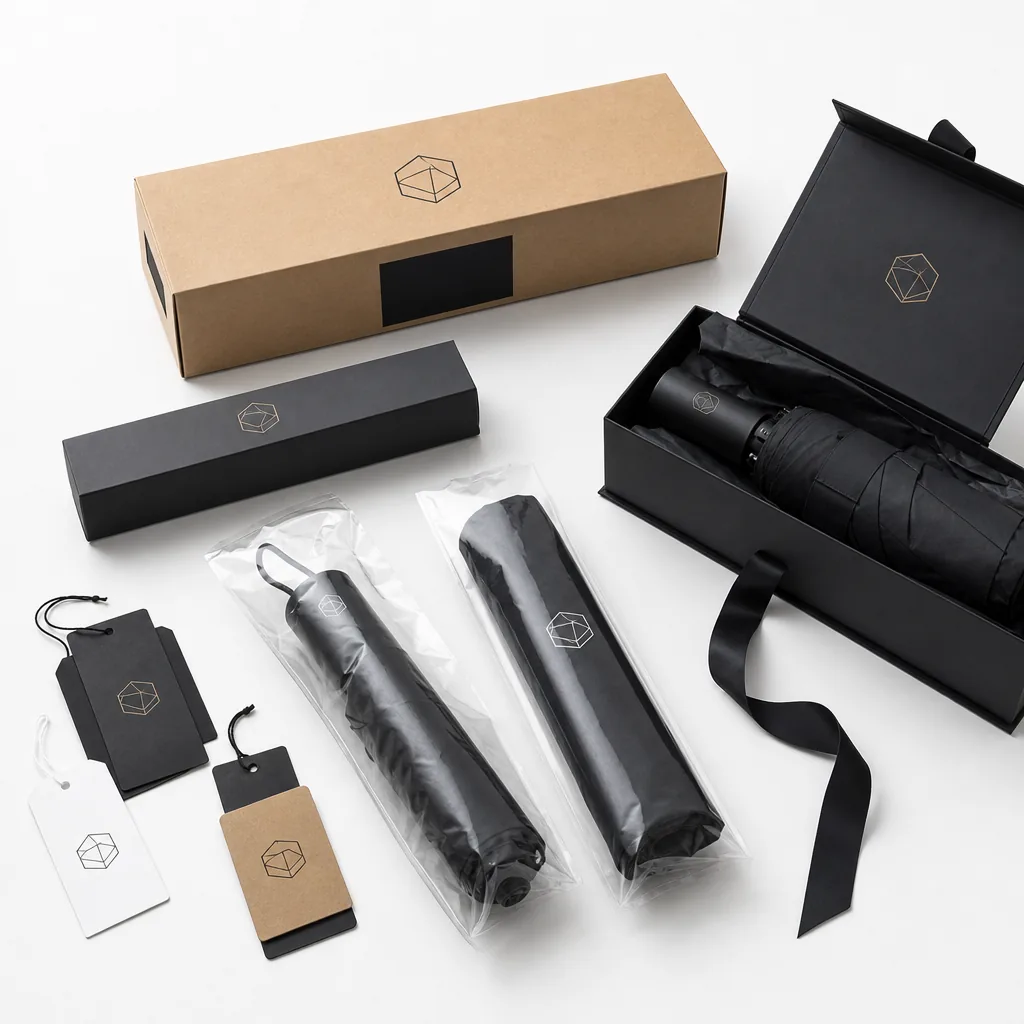
Umbrella Programs for Tourism Operators and Sightseeing Brands
Learn how tourism brands use branded umbrellas for guest comfort, wayfinding, and retail sales with durable specs, MOQ, ...
Read More »