Umbrella Programs for Tourism Operators and Sightseeing Brands
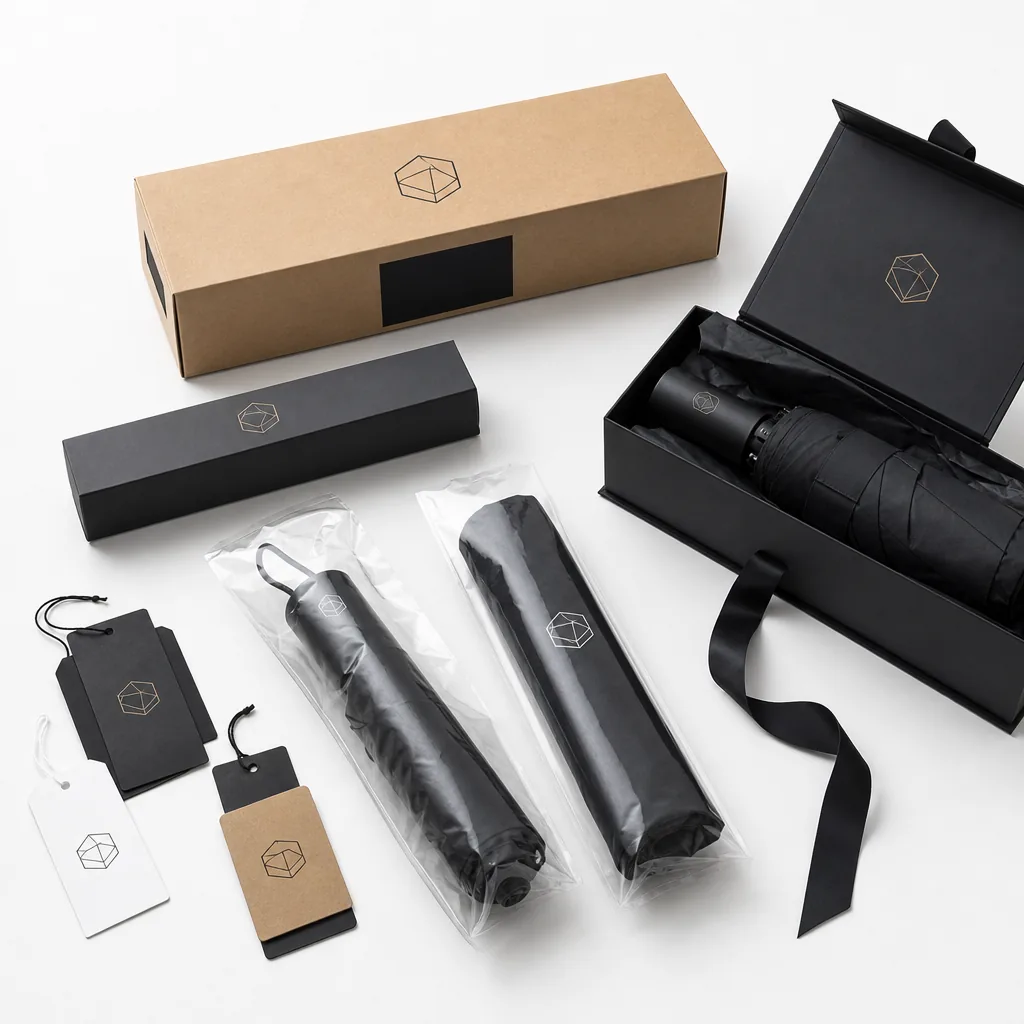
Tourism operators buy umbrellas for more than weather protection: they need a product that keeps guests comfortable, reinforces the brand, and survives daily handling by crews, guides, and retailers. From waterfront shuttles to theme parks and sightseeing desks, the real challenge is choosing `branded umbrellas for tourism operators` with the right durability, print quality, MOQ, and delivery window so the program works on the ground, not just on paper.
Tourism use cases across guest touchpoints
At shuttle pickups and curbside arrivals, the umbrella has to behave like a utility item, not a souvenir. That is where branded umbrellas for tourism operators make sense as a giveaway or controlled loaner: guests step off a coach, ferry, or airport transfer already exposed to rain, sun, and long walks with luggage. A 23" or 27" auto-open fiberglass frame with pongee 190T and a Teflon or UPF 50+ coating is the right spec here because it opens fast, survives rough handling, and does not feel disposable after one use. For destinations with heavy wind, I would move straight to windproof travel umbrellas with fiberglass ribs and a vented double-canopy rather than cheap steel, because bent frames at the first gust create more service complaints than they solve.
Ticketing queues and walking tours are different economics. In those moments, tourism amenity umbrellas work best as short-term loaners, especially for museums, attractions, and guided city walks where the weather changes after guests have already committed to the itinerary. A simple 21" compact manual-open model is usually enough for queue control and concierge desks, while a 23" auto-open-close version fits walking tour guides who need one-handed operation. If you want a higher perceived value without overpaying, custom logo umbrellas with clean screen print or heat transfer are enough; the goal is visibility and durability, not retail fashion, and AQL 2.5 inspection matters because weak push-button mechanisms and loose ferrules show up fast in daily circulation.
Souvenir retail is where the buyer is purchasing memory, not just weather protection, so the price point can move up. Sightseeing promotion umbrellas sell best when the graphics are destination-specific, the canopy color matches the brand palette, and the retail margin supports a heavier 8K or 10K frame with a cleaner finish. These are the pieces worth pricing as retail goods rather than free handouts, especially in hotel shops, attraction gift stores, and cruise terminals where guests already accept impulse purchases. ZheBrella’s standard practice is to separate loaner-grade and retail-grade builds early, because the wrong spec mix leads to either oversized giveaway costs or underpriced products that fail on the sales floor.
Choosing frames for wind and frequent handling
For branded umbrellas for tourism operators, the frame choice is usually the difference between a program that survives a season of guest handling and one that becomes a replacement headache. Fiberglass ribs flex and recover better in gusts, so they are the safer default for sightseeing promotion umbrellas and windproof travel umbrellas used on docks, open-top buses, and coastal walkways. Steel ribs feel stiffer and can be cheaper in low-end builds, but repeated opening, closing, and accidental twisting at hotel entrances or tour pickup points tends to bend steel faster, especially on larger 23" and 27" canopies. If the umbrella is going to be handed out, shared, and returned all day, I would not spec steel just to save a small amount per unit.
The rib count matters more than many buyers think. An 8K frame has fewer support points, so the canopy can feel lighter and open faster, but the load is concentrated and the umbrella usually shows wear sooner under frequent guest use. A 16K build spreads stress better across more ribs, which improves canopy shape, reduces panel flutter, and helps the frame recover after side gusts; that is why tourism amenity umbrellas intended for repeated use often move to 16K when the budget allows. ZheBrella’s standard practice is to match rib count to use case, not just price, because a good frame saves more money than a cheap one when the operator is replacing broken custom logo umbrellas every month.
Auto-open is the right choice when staff need to move people quickly through hotel lobbies, ticket counters, shuttle stops, or rain checkpoints, because one-handed deployment reduces bottlenecks and makes the guest experience feel organized. Manual-open models are fine for controlled use, but in tourism operations the delay is real when you are issuing umbrellas to a queue of visitors or collecting them back after a guide walk. For sightseeing promotion umbrellas, I would usually combine fiberglass ribs with auto-open if the program is service-facing, then reserve steel only for low-cost, short-life promotions where flexibility and wind survival are not the priority.
Canopy fabrics, visibility, and weather protection
For branded umbrellas for tourism operators, the canopy fabric is not a cosmetic decision; it controls how the print looks after a month of sun, salt air, and constant handling. Pongee 190T is the usual baseline because it prints cleanly, folds well, and keeps weight down for sightseeing promotion umbrellas, but 210T gives you a tighter weave, slightly better water beading, and a more premium hand feel. If the program depends on sharp logos, route maps, or sponsor graphics, 210T holds edge definition better under screen print and heat transfer because the surface is denser and less prone to wash-out on dark colors. For high-traffic tourism amenity umbrellas, I would avoid very thin polyester unless the buyer only cares about the lowest landed cost.
Water resistance matters more in tourist use than most buyers expect. People leave umbrellas wet in buses, hotel lobbies, ticket gates, and gift shops, so the canopy must shed water fast and dry without staining the print. Pongee 210T handles repeated wet-dry cycles better, especially when paired with a proper water-repellent finish; 190T is fine for short campaign runs, but it shows wear sooner on seams and tip panels. For windproof travel umbrellas, the fabric choice should be matched with fiberglass ribs and a vented double-canopy if the site is exposed, because a good canopy on a weak frame still fails in real weather.
If the program covers beaches, parks, boardwalks, or outdoor attractions, UPF 50+ should be treated as a functional requirement, not an upgrade. Sun protection is what guests actually notice when the umbrella is used for queuing, walking between exhibits, or sitting near water, and UV-coated pongee makes a difference in comfort and repeat use. Our standard practice is to specify UPF 50+ for custom logo umbrellas destined for outdoor hospitality programs, because it protects the user, preserves print color longer, and gives the buyer a real spec to put in a procurement sheet. That is especially useful when the same umbrella has to work as both a giveaway and a day-use product.
Retail and operational buying models
Tourism buyers should separate amenity stock from retail SKUs on day one, because the economics are different and the failure modes are different. Tourism amenity umbrellas are usually treated as issue-on-demand items for hotels, ticket counters, and shuttle points, so the real spec is durability, low unit cost, and fast replenishment. Retail umbrellas need cleaner decoration, tighter color control, barcode labeling, and packaging that survives shelf display; that is where sightseeing promotion umbrellas and custom logo umbrellas belong. If you mix the two programs, you end up overpaying for presentation on the amenity side and under-specifying the retail side, which is how margin disappears.
For branded umbrellas for tourism operators, I usually set separate MOQs by construction and decoration method: one MOQ for plain canopy stock, another for printed retail cartons, and a higher threshold if you want multiple PMS panels, hangtags, or individual polybags. A practical split is 300 to 500 pieces per color for amenity replenishment and 1,000 pieces or more for retail-grade assortments, because screen printing, heat transfer, and sublimation all have different setup economics. If the program needs windproof travel umbrellas, specify fiberglass ribs, auto-open or auto-open-close mechanisms, and 190T or 210T pongee early, since those details affect both cost and sampling time.
On trade terms, FOB makes sense when the buyer has in-house freight control, customs capability, and someone who can manage consolidations without creating a mess at port. DDP is better for smaller operators or regional sightseeing brands that want one landed price and do not want to chase brokerage paperwork, duty codes, or last-mile surprises. The rule is simple: if your staff is lean, buy DDP; if you have an import team and multiple SKUs moving together, FOB gives more control. For peak season, plan 35 to 45 days for standard production plus shipping buffer, and push the PO earlier if you need UV coating, double-canopy venting, or mixed packaging, because those options always stretch the schedule.
Inspection standards for guest-facing quality
Guest-facing umbrella quality starts with AQL 2.5, not with a pretty sample on a desk. For branded umbrellas for tourism operators, I would inspect canopy color consistency, logo placement, seam alignment, rib symmetry, and function on a statistically valid lot sample, then separate defects into critical, major, and minor before shipment. In practice, that means rejecting broken tips, misprinted panels, loose ferrules, bent shafts, and any opening that binds or snaps shut unevenly. Sightseeing promotion umbrellas get handled by tourists, guides, and hotel staff, so the bar is higher than for back-office giveaway stock: the umbrella has to look clean on first impression and still work after repeated use.
Handle finish is where a lot of otherwise acceptable tourism amenity umbrellas fail in the customer’s hand. The grip should have no flash, sharp mold lines, exposed metal edges, sticky paint, or odor transfer, and the logo application must survive rub testing without smearing or flaking. For custom logo umbrellas used in hotels, visitor centers, or tour buses, I would also verify cap fit, runner movement, and button response across the full opening and closing stroke. A practical shop-floor test is 20 to 30 open-close cycles per piece on a random sample, then a quick recheck for loose rivets, canopy slippage, and latch wear; if you are selling windproof travel umbrellas, add shake and inversion checks while the frame is under load.
Carton packing should assume rough storage, cross-stacking, and pallet vibration, because most damage happens after inspection, not during sewing. Use individual polybags, then sleeve groups with head-to-tail orientation so tips do not punch through the canopy of the next unit, and keep a corrugated divider or honeycomb insert between rows for larger cartons of custom logo umbrellas. Double-wall outer cartons help, but the real fix is controlling empty space: fill voids so the bundle cannot slide, and avoid overcompressing runners or handles. For long export moves, I prefer master cartons marked with upright arrows, moisture protection, and a clear piece count, because sightseeing promotion umbrellas often arrive with bent tips when packers prioritize cube efficiency over buffer space.
Frequently Asked Questions
Are auto-open umbrellas better for tourism operators?
Yes, when staff need to hand out umbrellas quickly during sudden weather changes or queue management. Auto-open improves speed, but manual-close models may be simpler for retail resale and lower-cost giveaways.
What spec is best for coastal or windy tourist sites?
A fiberglass frame with 16K ribs and a double-canopy windproof design is usually the safest choice. Pair it with pongee 210T if you want a more premium hand feel and better print performance.
What umbrella size works best for guided tours and group visibility?
For wayfinding, many operators choose 23-27 inch canopies in bright panel colors because they stay visible without being too bulky in crowds. For walking tours, compact telescopic models are easier for guides to carry, while full-size straight umbrellas work better for coach tours and attraction staff.
Should tourism operators separate guest-use umbrellas from retail umbrellas in the same order?
Yes. Guest-use umbrellas usually need stronger frames, simple 1-color logos, and higher replacement planning, while retail umbrellas need better packaging, hang tags, and souvenir-friendly colorways. Many buyers split the PO by function, even if both items ship in one container.
How far ahead should a sightseeing brand place an umbrella order before peak season?
A practical window is 45-60 days before the rainy or high-tourist season, especially for OEM colors, handle options, and retail packaging. If the order includes new molds, printed sleeves, or carton mark customization, buyers often allow 60-75 days to avoid missing launch dates.
Looking to Launch Your Custom Umbrella Line?
ZheBrella is a Zhejiang-based OEM/ODM umbrella manufacturer with 17 years of export experience. Free design, low MOQ from 100 pieces, windproof construction, full-color print.
Get Free Quote Now »People Also Search For
Related Articles

Umbrella Programs for Luxury Apartments and Property Managers
Plan branded umbrellas for leasing tours, resident amenities, and valet desks with durable specs, MOQ guidance, and reor...
Read More »
Branded Umbrellas for Tour Operators and Sightseeing Brands
Build umbrella programs for city tours and sightseeing brands with the right canopy size, weather specs, branding, and d...
Read More »
Branded Umbrellas for Apartment and HOA Amenity Programs
Plan resident umbrella amenities with durable specs, MOQ choices, logo placement, and FOB/DDP timelines for apartments, ...
Read More »