Choosing Umbrella Sizes for Retail, Events, and Travel Use
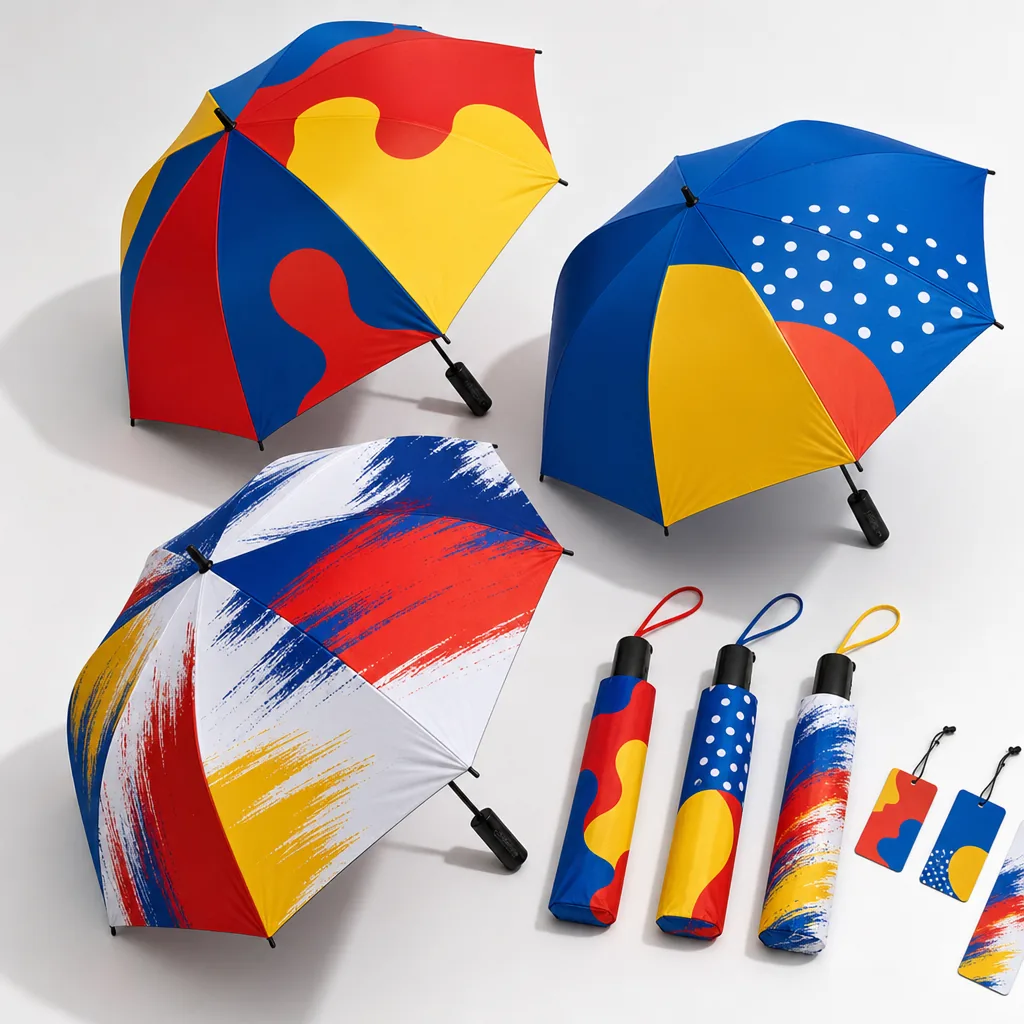
Choosing the right umbrella is rarely about one dimension alone; buyers need to balance canopy coverage, portability, packaging, and the way each size performs in real use. From retail shelves to event tents and carry-on travel, the wrong spec can mean higher returns, awkward storage, or umbrellas that look good on paper but fail on the factory floor. This umbrella size guide is built from that production reality.
How canopy diameter maps to use case
The practical `umbrella size guide` starts with finished canopy diameter, not handle length or folded length. In production, a 38-42 inch travel umbrella is the compact end: it packs small, fits commuter bags, and covers one adult plus a backpack without turning into a sail on a windy sidewalk. Once you move into 48-52 inch models, you get the usual retail sweet spot for promotions and general merchandise because the coverage looks substantial on shelf, prints well, and still keeps weight and carton count manageable. At this stage, `umbrella canopy diameter` matters more than marketing language; buyers are really choosing between portability, coverage, and decoration area.
For `retail umbrella sizing`, the gap between standard and larger formats is where most mistakes happen. A 42-48 inch umbrella often reads as a personal product, while 48-52 inches begins to feel like a true all-purpose consumer item for daily rain. Above that, 54-68 inch canopies change the use case completely: they are built for golf, stadium seating, outdoor queues, and branded giveaways where visibility and shoulder coverage matter more than pack size. The larger the arc, the more rib load and wind exposure increase, so frame spec should follow the diameter rather than be chosen separately.
`Event umbrella specs` usually favor 54-68 inch golf and patio formats because planners want two people under one canopy or a visible branded surface that photographs well. A 54-60 inch umbrella is common for golf buyers who need room for clubs and a second person, while 62-68 inch patio styles are better for entrances, outdoor service lines, and fixed-use hospitality settings. For travel, the opposite logic applies: `travel umbrella dimensions` should stay tight enough for daily carry, which is why 38-42 inch umbrellas remain the commuter choice even though they do not feel impressive on paper. The right size is the one that matches the actual body count, bag space, and weather exposure, not the one that looks biggest in a catalog.
Frame structure choices by size
For larger umbrellas, fiberglass ribs usually beat steel because they flex instead of staying rigid and transferring every gust into a permanent bend. That matters once you move past compact formats and into a real umbrella canopy diameter used for retail umbrella sizing or event umbrella specs, where the frame has to hold shape under repeated opening cycles and light wind. In an umbrella size guide, I’d treat fiberglass as the safer choice for 23" and above when the buyer expects better rebound, fewer snapped tips, and less canopy distortion along the edge.
Rib count changes how the umbrella behaves more than many buyers realize. An 8K frame is the common baseline: lower part count, acceptable for basic promo use, but you will see more panel sag on broad canopies. A 10K frame gives better roundness and panel tension, which is why it shows up often in mid-tier retail umbrella sizing. A 16K frame distributes load much better on larger domes, especially when paired with fiberglass ribs, and it keeps the canopy looking tighter after repeated use; that matters when the umbrella is supposed to look straight on a shelf or stay clean-lined at an event entrance.
Aluminum shafts make sense when weight control is the priority, especially for travel umbrella dimensions where every ounce is felt in a bag or carry-on. They are also useful in mid-range retail programs where the buyer wants a lighter product without paying for a full fiberglass structure. Steel shafts still win on raw cost for bulk orders, and for simple manual umbrellas or low-priced promotional programs that get handed out by the thousands, steel is often the honest answer because it keeps unit price down even if the finished umbrella is heavier and less refined in hand.
Fabric weight, coverage, and UV performance
For an umbrella size guide, the fabric spec matters almost as much as the frame size, because a 48-inch canopy in thin polyester behaves very differently from the same diameter in tight pongee. Pongee 190T is the workhorse for retail umbrella sizing: it has a smoother hand, decent water beading, and enough surface stability for screen print or heat transfer without the weave telegraphing too badly. Pongee 210T costs more, but the tighter construction gives a cleaner drape, better ink hold, and a slightly more premium feel when customers open and close it every day. If the buyer cares about logo sharpness or wants a more polished unboxing impression, 210T is usually the safer call.
For print quality, 190T is fine for simple one-color logos, but it can look a little soft on large panels or full-coverage graphics, especially after repeated wet-dry cycles. 210T handles saturated colors and finer registration better, and it tends to wrinkle less at the seams, which matters when you are comparing travel umbrella dimensions or tighter compact models that get folded hard. In practice, I ask clients to choose fabric by use case: promotional giveaways can live with 190T, while retail programs and higher-margin SKUs usually justify 210T because the canopy looks cleaner on shelf and after use.
Buyers should request UPF 50+ coatings whenever the umbrella is meant for real sun protection, not just rain coverage. That spec matters most for beach umbrellas, patio formats, and any product sold against heat or UV claims, because plain dark fabric is not the same thing as tested UV blocking. Double-canopy builds change the airflow in a useful way: the vent reduces lift in gusts, lets heat escape, and keeps the canopy from ballooning, while still giving broad coverage across the umbrella canopy diameter. For event umbrella specs, that vented structure is often the difference between a product that stays usable in wind and one that inverts on the first bad gust.
Size, portability, and opening mechanism tradeoffs
The useful umbrella size guide starts with what the buyer actually needs to carry, store, and hand out. In retail umbrella sizing, canopy diameter matters more than marketing terms: a 21-inch travel frame is usually too small for commuting comfort, while 23-inch or 27-inch sticks cover a single adult properly; 30-inch models are more of a golf or storm-use product. For travel umbrella dimensions, procurement teams should ask for both open span and closed length, because a compact 10K or 8K frame with a 100 cm canopy can still fail a briefcase test if the shaft collapses too long.
Auto-open and especially auto-open-close mechanisms solve real user friction, but they add parts that can fail: trigger spring, slider, and the latch all become wear points. They also increase folded length by a few centimeters and usually add 30 to 80 grams compared with a manual version in the same canopy class. For corporate programs, I would ask vendors to quote a target closed length of 28 to 33 cm for pocket umbrellas and 25 to 30 cm folded weight if the piece is meant to live in a tote or car door pocket; once you move into larger event umbrella specs, the acceptable closed length rises, but so does the need for a sturdier shaft and rib set.
The practical rule is to match mechanism to use case, not to chase the shortest possible folder. A manual umbrella is lighter and usually tougher for high-abuse giveaways, while an auto-open-close unit makes sense when the buyer wants one-handed use and can tolerate the extra failure risk and service returns. ZheBrella’s standard practice is to specify the umbrella canopy diameter, closed length, and packed weight together in the PO, because that is the only way to compare suppliers on equal terms; otherwise one factory quietly shifts metal thickness or handle size and the product no longer fits the retail box or mailer.
What to confirm before sampling and ordering
For a serious umbrella size guide, the first thing to lock down is the geometry, not the marketing name. Ask for the umbrella canopy diameter in the open position, the open arc, and the folded length, because those three numbers tell you whether the piece actually fits a trolley bag, gift box, or retail peg hook. Then specify rib count and build: 21"/23"/27"/30" sizes, 8K or 10K for compact models, and whether the frame uses fiberglass ribs, steel ribs, or a mixed structure. For retail umbrella sizing, buyers also need the fabric callout spelled out as pongee 190T or 210T, POE, PVC, or EVA, plus any Teflon or UV coating if the customer expects water shedding or UPF 50+ performance.
Handle and packing details matter more than people think, especially when a product is being sold through chain stores or handed out at events. Confirm straight, J-hook, EVA, rubberized, or wooden handle style; manual, auto-open, or auto-open-close mechanism; and whether the canopy is single-layer or double-canopy vented for windproof use. For event umbrella specs, I always insist on carton pack-out, inner box requirement, polybag versus sleeve, label placement, and whether mixed colors or assorted sizes are acceptable. Those choices change labor time, carton count, and freight density, so they are not cosmetic decisions.
Do not request pricing before the order structure is clear. Lock MOQ, acceptable quality level such as AQL 2.5, target lead time in days, and whether the sample should match production fabric, frame, and print method exactly. Ask for FOB and DDP quotes at the same time if you want to compare factory price against landed cost; FOB is useful for your own freight control, while DDP shows the real delivered number when customs clearance, duties, and last-mile charges matter. For travel umbrella dimensions, this is especially important because a 28 cm folded stick umbrella and a 17 cm mini automatic do not behave the same in freight, packaging, or shelf planning.
Frequently Asked Questions
What umbrella size is best for retail gift programs?
Most gift programs work well with 21-23 inch folding umbrellas because they balance portability and perceived value. If the audience is executive or travel-focused, ask for a lighter frame and a folded length under 13 inches.
Should larger umbrellas always use fiberglass ribs?
Not always, but larger canopies usually benefit from fiberglass in the main ribs or stretcher system because it flexes better in wind. For lower-cost orders, some buyers use mixed constructions with steel shafts and fiberglass ribs.
What umbrella size works best for event giveaways when shipping cost matters?
For large event programs, buyers usually choose 21 to 23 inch folding umbrellas with an open diameter around 95 to 105 cm. This size balances usable coverage with lower carton volume, making freight and on-site storage easier than 27 to 30 inch stick umbrellas.
How does canopy size affect logo visibility on custom umbrellas?
Larger canopies give more printable area per panel, but they also increase fabric use and shipping volume. For most promotional orders, a 23 inch 8-panel umbrella provides enough panel width for a clear 1-color or 2-color logo without moving into oversized event specs.
What size details should buyers confirm before approving umbrella packaging?
Confirm open diameter, rib length, closed length, handle type, and unit weight before final carton planning. For retail programs, also verify sleeve size, inner pack quantity, and master carton dimensions because small changes in handle shape or folding length can affect pallet fit and container loading.
Looking to Launch Your Custom Umbrella Line?
ZheBrella is a Zhejiang-based OEM/ODM umbrella manufacturer with 17 years of export experience. Free design, low MOQ from 100 pieces, windproof construction, full-color print.
Get Free Quote Now »People Also Search For
Related Articles
Choosing the Right Umbrella Canopy Size for Each Buyer Segment
Compare canopy sizes by buyer segment so you can match coverage, portability, branding space, and shipping efficiency to...
Read More »
How to Specify Umbrella Canopy Sizes for B2B Orders
Learn how canopy diameter, arc, and open coverage affect use cases, freight, and branding when specifying umbrellas for ...
Read More »
Travel Umbrella Size Guide for Airline, Commute, and Retail Use
Compare folded length, canopy span, weight, and frame specs to choose travel umbrellas that fit airline, commute, retail...
Read More »