Choosing the Right Umbrella Canopy Size for Each Buyer Segment
Selecting the wrong canopy size can create problems fast: too small, and the umbrella disappoints in wind and rain; too large, and it becomes bulky to carry, costly to ship, and harder to brand cleanly. At ZheBrella, we see these tradeoffs on the factory floor every day, where coverage, frame balance, panel layout, and carton efficiency all have to work together for each buyer segment. This umbrella canopy size guide helps align those requirements with real production constraints.
How canopy size changes user experience
The fastest way to use an umbrella canopy size guide is to start with what the buyer actually needs to cover: one person, a commuter bag, two people walking side by side, or a table. Canopy diameter is what changes the experience, not the handle finish or color. A 38"–42" canopy is normal for compact travel use, 43"–48" fits most folding commuter umbrellas, 48"–52" works for standard city sticks, and 54"–62" is where golf umbrella dimensions start making sense for stronger rain protection and logo visibility. Once you get beyond that, the product shifts from personal carry to shared coverage, and the frame weight and wind load matter a lot more than buyers expect.
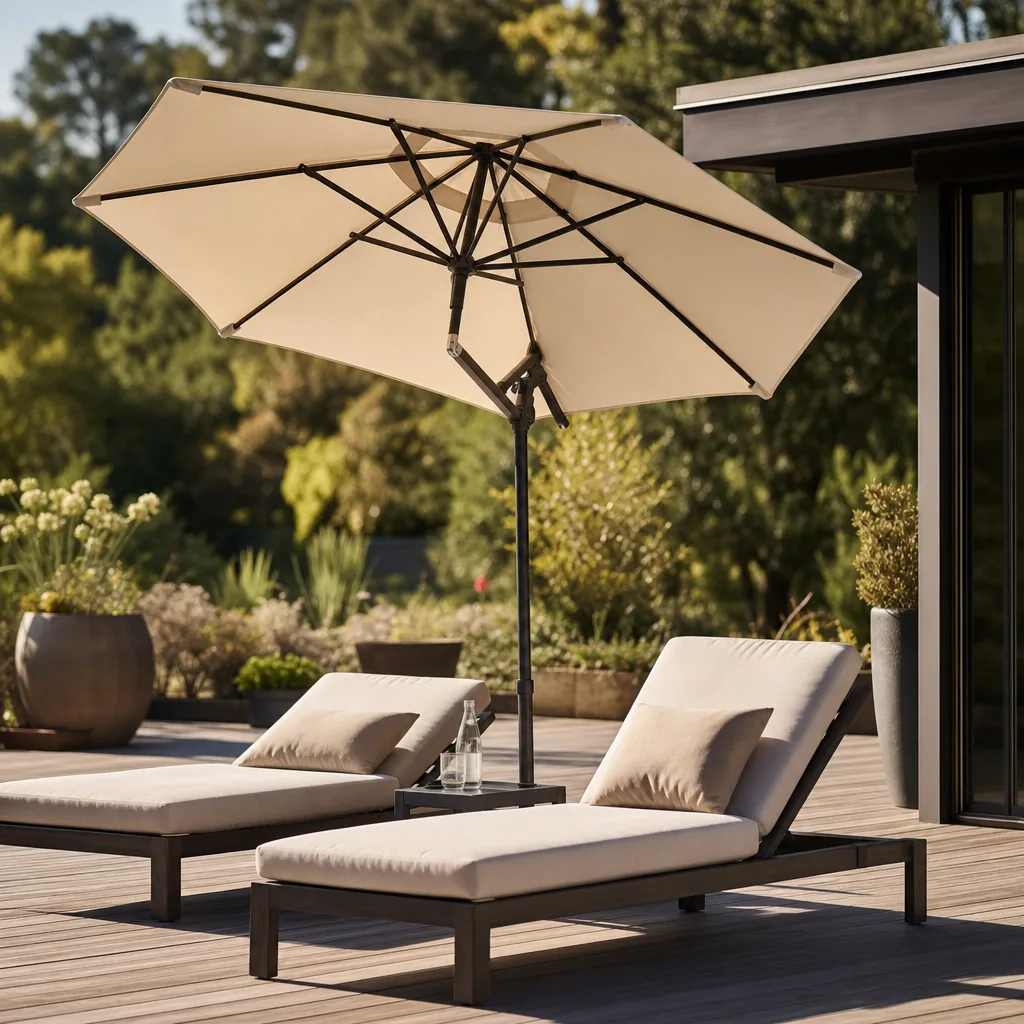
Portability is usually the first trade-off. Smaller folding umbrella size models pack easily into a tote or briefcase, but they leave shoulders and backpacks exposed in real rain, especially when wind pushes the canopy sideways. City umbrellas sit in the middle: enough coverage for daily commuting without becoming awkward on a train or in a car. Golf and patio umbrellas move into larger coverage bands, often 60"–68" and up, where the canopy becomes a branding surface as much as a rain shield. That is why custom umbrella sizes need to be matched to the end use instead of ordered by habit; a larger canopy gives more print area, but it also increases opening force, frame stress, and shipping volume.
For retail umbrella sizing, I look at the buyer segment before I look at the artwork. A convenience-store promo item can survive with a small canopy if price and pack size are the priority, while a corporate gift or outdoor hospitality program usually needs a wider canopy for visible logos and better user comfort. In practical terms, compact umbrellas favor portability, city umbrellas balance coverage and daily carry, golf umbrellas favor two-person rain protection and stronger branding, and patio umbrellas prioritize fixed placement and large print panels. That is the core of any good umbrella canopy size guide: match umbrella canopy diameter to the body size, use case, and branding goal, then confirm the frame and fabric can support it without turning the product into a hassle to carry.
Which buyer segment fits each size range
For retail programs, the safest umbrella canopy size guide starts with the middle of the market: 21" to 23" folding styles for everyday carry, and 42" to 48" canopy diameter for compact gift sets that need a shelf-friendly profile. In practice, folding umbrella size matters as much as canopy width because buyers care about bag fit, weight, and carton density. Retail umbrella sizing gets messy when brands mix a small frame with a deep dome canopy, so I always check rib geometry, not just the stated diameter. For most mass-market replenishment orders, 190T pongee with fiberglass ribs gives a better balance of cost and breakage rate than thin steel on the same size.
Corporate gifting usually lands in the 23" to 27" range, especially when the buyer wants a logo that stays readable without the umbrella feeling oversized at reception or commuting use. A 23" auto-open is the workhorse; a 27" version gives more print area and reads as a better-value gift without jumping into full golf umbrella dimensions. For custom umbrella sizes, the useful question is not whether the canopy is larger, but whether the frame can survive repeated opening in an office or hotel setting. ZheBrella’s standard practice is to match that segment with 190T or 210T pongee, auto-open mechanisms, and fiberglass shafts when the client wants lower return rates.
Hospitality, sports events, and outdoor promotions need bigger coverage, so the buyer segment usually shifts to 30" golf umbrellas or double-canopy vented windproof constructions. Those golf umbrella dimensions are what you specify when guests are standing in queues, walking stadium lots, or moving between shuttle points; the extra canopy diameter is not a luxury, it reduces complaints and replacement demand. For promotional campaigns, I usually separate by use case: 21"-23" for mass handouts, 27" for premium mailers and corporate activations, and 30" for event visibility and sponsor branding. If the brief is unclear, the right umbrella canopy size guide is to start with destination, wind exposure, and print area, then select rib count, fabric, and open mechanism after that.
How frame design interacts with canopy size
In an `umbrella canopy size guide`, the first thing I tell buyers is that canopy diameter cannot be treated as a cosmetic choice. Once you move from a compact folding umbrella size into larger walking or golf formats, the load on the shaft and rib set rises fast because wind pressure grows with exposed surface area. A 21" or 23" foldable can get away with a lighter steel frame in some retail programs, but once you push into 27" or 30" golf umbrella dimensions, a thin shaft and soft ribs will twist, invert, or develop hinge play after a few hard gusts. That is why the canopy spec has to be matched to the frame spec, not selected in isolation.
For larger custom umbrella sizes, I usually recommend fiberglass ribs over straight steel when the buyer cares about wind survival and repeated opening cycles. Fiberglass flexes and returns; steel holds shape but can stay bent once overloaded. On big canopies, especially vented double-canopy windproof builds, the upper panel releases pressure before it rips stitching or folds the frame backward. A good frame package for larger retail umbrella sizing also needs a thicker shaft wall, reinforced stretch points at the runner, and properly crimped tips so the fabric does not saw itself apart at the rib ends. Without that, a large umbrella looks impressive on paper and performs badly outdoors.
The practical rule is simple: the bigger the umbrella canopy size guide number, the more the frame has to earn its keep. A compact 8K folding umbrella may be fine with a lighter auto-open mechanism and moderate rib gauge, but an oversize 16K golf canopy usually needs stronger rib geometry, better hub material, and often a double-canopy vented windproof layout to stay stable in real wind instead of just passing a showroom test. At ZheBrella, standard practice is to size the shaft, ribs, and canopy together, then validate the build with sample opening cycles and wind checks before locking the production spec. That is the difference between a usable umbrella and one that only looks good in a catalog.
How fabric choice affects large-canopy performance
For an umbrella canopy size guide, fabric choice matters almost as much as frame size when the canopy gets large. On 58"–68" golf umbrella dimensions, 190T pongee is the standard budget-to-midrange option: it feels softer in the hand, cuts and sews cleanly, and sheds water well enough for everyday rain use if the coating is decent. 210T pongee is denser and a little heavier, with a tighter weave that usually gives a cleaner drape, better stitch stability at panel seams, and slightly better resistance to water penetration at the same coating level. In practice, the 210T upgrade is worth paying for when the buyer wants a more premium look, less panel sag, and fewer complaints about the canopy looking thin under bright light.
The cost gap is not huge on one sample, but it becomes real on production runs, especially with custom umbrella sizes where panel area goes up fast. A larger canopy means more fabric, more thread, and more stress on the hem and tip pockets, so the stronger weave helps the umbrella keep its shape after repeated wet-dry cycles. For folding umbrella size programs, the fabric decision is usually driven by pack weight and price sensitivity; 190T is still common because buyers want a lower FOB number and don’t mind a slightly less substantial hand feel. For retail umbrella sizing, though, the visible quality difference between 190T and 210T is enough that many brands treat 210T as the safer default for mid- to upper-tier SKUs.
UV coatings and UPF 50+ requirements change the conversation because water resistance is not the whole job. If the umbrella is sold for beach, golf, outdoor events, or long exposure in high-UV markets, a standard rain coating is not enough; you need a proven UV layer, darker backing, or a fabric spec that can actually support UPF 50+ claims after printing and sewing. That is where ZheBrella’s standard practice is to confirm the coating system before locking the umbrella canopy diameter, because a large canopy with weak UV performance creates warranty problems fast. In short, 190T and 210T both work for rain, but once the buyer needs sun protection, the coating spec matters as much as the base cloth.
How to specify the size correctly to a factory
Use exact measurement language, not “big,” “medium,” or “travel.” A proper umbrella canopy size guide starts with open canopy diameter, arc span, folded length, and if needed the rib length measured tip-to-tip. For a golf model, say “65-inch arc, 58-inch open diameter, 39-inch shaft length,” or whatever the drawing shows. For a folding model, state the closed length first, then the open diameter, because buyers often mix up folding umbrella size with canopy spread and end up approving the wrong sample. If you want custom umbrella sizes, send a spec sheet with canopy fabric type, rib material, and handle style together with the dimensions; otherwise the factory can build the right size with the wrong overall proportions.
At ZheBrella, the cleanest request is to separate “canopy diameter” from “overall umbrella length” and from the packaging target. Golf umbrella dimensions usually run 55 to 68 inches open diameter, while retail umbrella sizing for compact models often sits around 38 to 46 inches open diameter with 11 to 15 inches folded length. Those numbers drive tooling and carton layout differently: a larger canopy means longer ribs, more fabric consumption, and usually a higher MOQ because cutting loss and frame setup cost rise. A small change from 23 inches to 27 inches can also push the umbrella from one master carton pattern to another, which affects how many pieces fit per export carton and whether the carton stays under common freight limits.
Buyers should also state whether the dimension is finished product or fabric cut size, because factories do not read those the same way. Finished open diameter is the useful commercial number; canopy cut size is larger because seams, hem allowance, and crown gathering take up material. For a clean RFQ, write: open diameter, arc span if relevant, folded length, ribs, shaft, and target carton quantity. That lets the factory check AQL 2.5 inspection tolerance, estimate DDP or FOB pricing, and tell you upfront if the size will change carton loading from, say, 60 to 48 pieces per master carton. If the size is borderline for the shipment method, the factory should flag it before sampling, not after the first production lot is packed.
Frequently Asked Questions
Is a larger canopy always better for promotional umbrellas?
Not always. Larger umbrellas improve coverage and branding visibility, but they can raise freight cost, packing size, and breakage risk if the frame is underbuilt.
What size is most common for retail folding umbrellas?
Many retail programs sit in the middle range because they balance portability and coverage. The final choice should depend on target users, market price point, and whether auto-open or windproof features are required.
How much logo space do I gain by moving from a compact folding umbrella to a golf umbrella?
A typical 21-inch folding umbrella offers noticeably smaller printable panels than a 27-30 inch golf style. In most OEM programs, upgrading to a golf umbrella can increase usable logo area by roughly 30-50%, depending on panel shape, number of ribs, and whether you print one panel or full wrap.
Which canopy sizes usually ship most efficiently for high-volume retail programs?
For retail replenishment, compact 3-fold umbrellas and standard 23-24 inch straight umbrellas usually balance carton density and freight cost best. Oversized golf umbrellas deliver more coverage, but they reduce pieces per carton and often increase dimensional shipping cost on export orders.
What canopy size range is most practical if I need one umbrella program for multiple buyer groups?
For mixed-use programs, buyers often choose a 23-24 inch straight umbrella or a 21-22 inch folding model because these sizes fit broad retail and promotional use. MOQ commonly starts around 500-1000 pieces per color for custom production, with lead times of about 35-50 days after sample approval.
Looking to Launch Your Custom Umbrella Line?
ZheBrella is a Zhejiang-based OEM/ODM umbrella manufacturer with 17 years of export experience. Free design, low MOQ from 100 pieces, windproof construction, full-color print.
Get Free Quote Now »People Also Search For
Related Articles
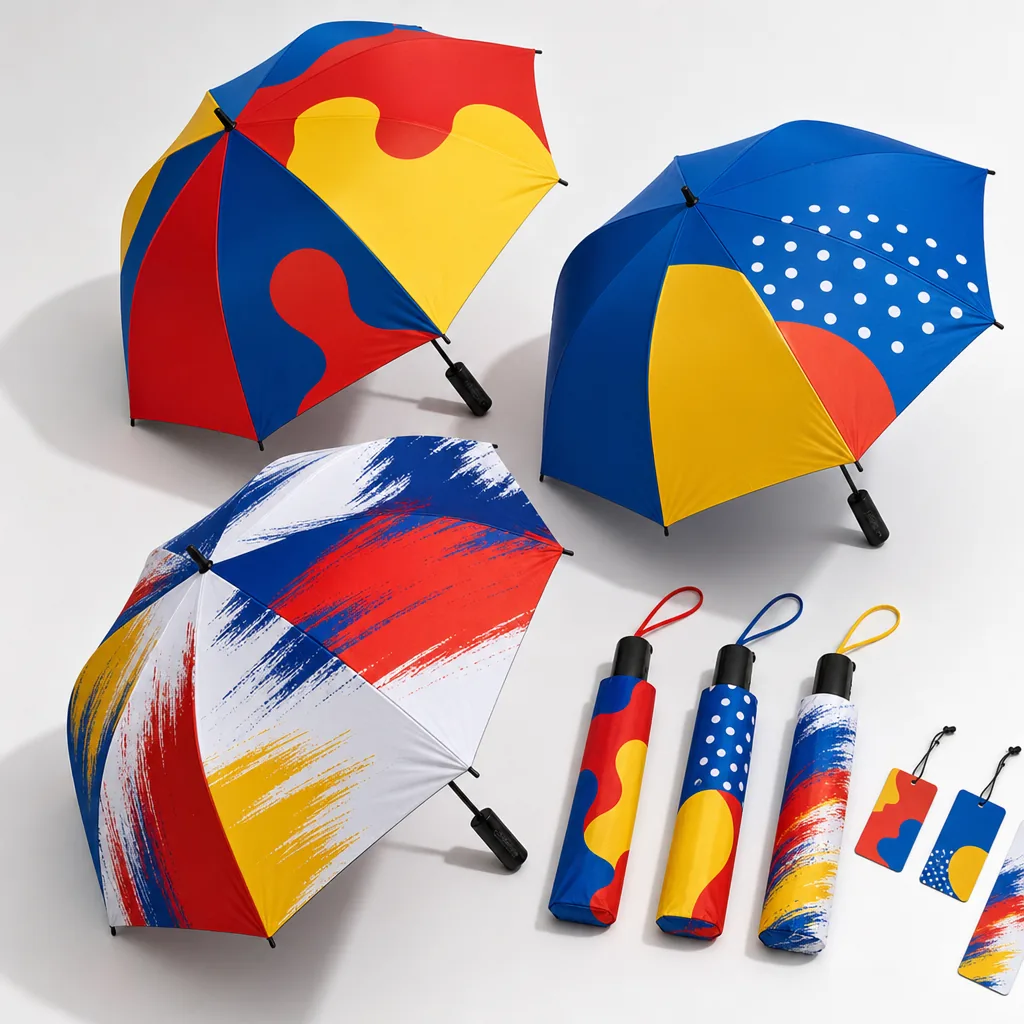
Choosing Umbrella Sizes for Retail, Events, and Travel Use
Compare umbrella sizes by use case, canopy diameter, and packaging needs so buyers can match specs to retail, event, and...
Read More »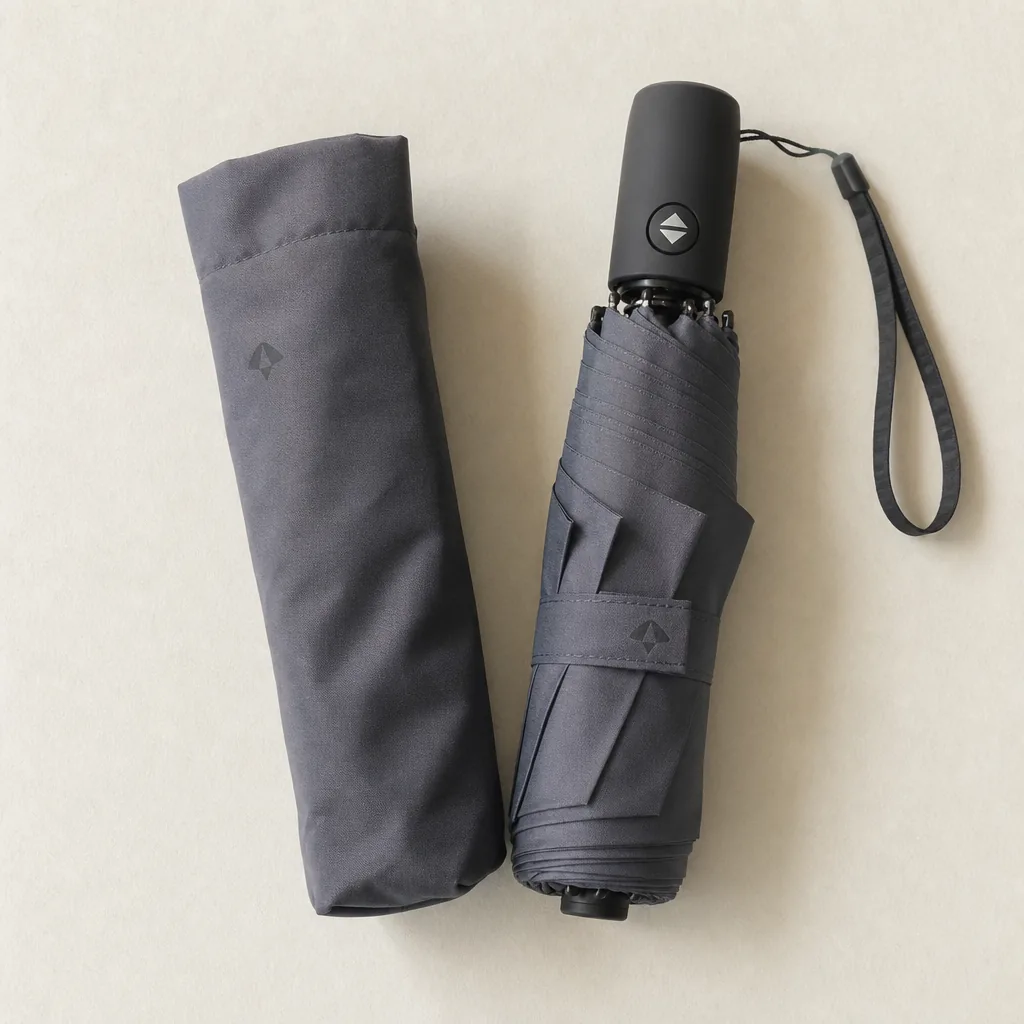
How to Specify Umbrella Canopy Sizes for B2B Orders
Learn how canopy diameter, arc, and open coverage affect use cases, freight, and branding when specifying umbrellas for ...
Read More »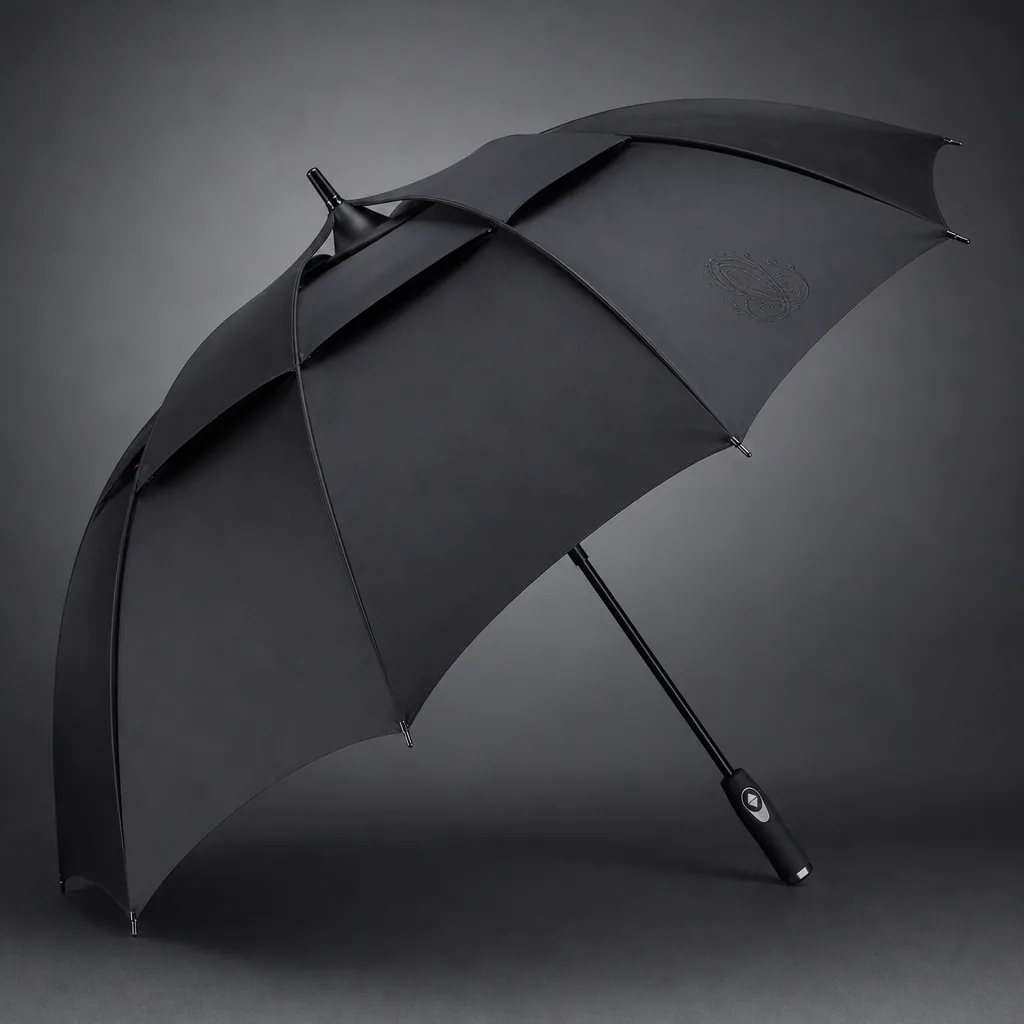
Umbrella Size Specifications: Arc, Diameter, and Fit
Clarify umbrella arc, open diameter, rib length, and folded size so buyers can compare supplier quotes and avoid wrong-f...
Read More »