Umbrella Canopy Size Guide: Arc, Diameter, and Coverage
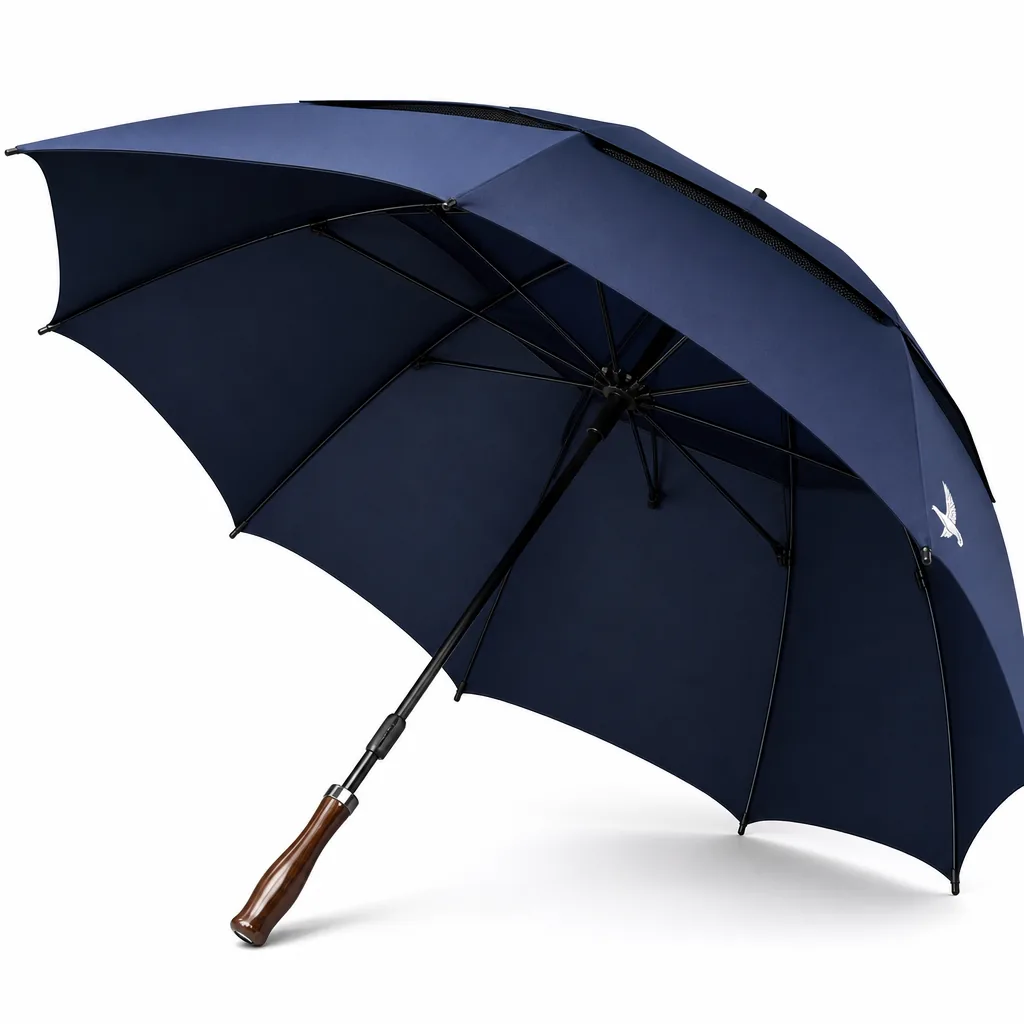
Choosing the wrong canopy size creates familiar buyer problems: umbrellas that look ample on paper but leave people exposed, feel heavy in hand, or push shipping costs higher than expected. A practical umbrella canopy size guide starts with the three measurements factories actually use—arc, open diameter, and rib length—because each one affects coverage, structure, and pricing differently across folding, straight, and golf styles.
How Umbrella Size Is Actually Measured
The umbrella canopy size guide starts with one simple point: the size on a spec sheet is not always the same measurement buyers think they are comparing. Arc length is the curved span from tip to tip across the open canopy, open diameter is the straight-line width across the canopy, and rib length is the physical frame length from the center runner to the tip. On a typical 21-inch folding umbrella, the 21 inches usually refers to rib length or frame length, not the open diameter. A 23-inch straight umbrella is often quoted the same way, while the actual open diameter can land much wider depending on canopy shape and venting.
In umbrella arc vs diameter terms, the arc is always larger than the diameter, sometimes by a meaningful margin on deep-cone canopies. That is why one supplier may call a product a 42-inch umbrella while another lists the same build as 37 inches, especially if one is quoting arc and the other is quoting diameter. For a golf umbrella canopy size, the difference matters even more because 27-inch or 30-inch ribs can produce a very broad coverage area, but the exact number depends on rib count, panel cut, and how tightly the canopy is stretched over the frame. Buyers who skip this distinction end up comparing unrelated numbers.
For custom umbrella specifications, I always ask for all three dimensions: rib length, arc, and open diameter, plus the canopy style. A compact umbrella coverage claim can look generous on paper, but a short 21-inch frame with a deep dome will cover less shoulder area than a flatter 23-inch straight model with a wider spread. The cleanest purchasing rule is to match the measurement method before comparing quotes, because suppliers may describe the same umbrella differently depending on whether they sell by frame size, canopy span, or retail-friendly diameter.
Matching Canopy Size to Buyer Use Case
For a practical umbrella canopy size guide, start with the use case instead of the label on the spec sheet. A 21" to 23" compact umbrella is the right starting point for retail shelves, giveaways, travel kits, and mailers because it keeps packed length and weight under control. In real use, that size usually gives one-person rain protection with enough compact umbrella coverage to keep a backpack or handbag dry, but it is not the size I’d pick if the buyer expects two adults to stand side by side without shoulder spill.
A 23" to 25" straight umbrella is the better fit for corporate programs, hotel amenities, and branded resale where the customer wants a cleaner look and a little more coverage than a pocket model. This is where umbrella arc vs diameter matters: some buyers see a 23" arc and assume the diameter will match, but the open spread is what determines shoulder room. In practice, these sizes work for one person with a coat or tote, and they are borderline for two people unless both are standing close and accept wet elbows.
For outdoor promotions, stadium giveaways, and sponsorship events, a golf umbrella canopy size in the 27" to 30" range is the safer call because it gives a much wider dry zone and handles shared use better. That extra span is what lets two people walk together without one person taking most of the runoff, but it also adds bulk, wind load, and shipping cost, so it should be matched to the channel, not just the logo size. When we define custom umbrella specifications, we usually lock canopy size together with rib count, shaft material, and open mechanism so the buyer gets the right coverage without overbuilding the product.
How Size Affects Frame Strength and Weight
Larger canopies do not just add fabric; they multiply the bending load on every moving part, which is why the umbrella canopy size guide starts with frame stress, not graphics or color. A 21" compact umbrella with a tight canopy can get away with lighter steel ribs and a simple runner, but once you move into 23", 27", or 30" golf formats, the leverage from the edge of the cloth starts punishing the stretchers and shaft in gusts. The same umbrella arc vs diameter confusion matters here: arc length looks impressive on paper, but diameter is what tells you how much sail area the wind is really pushing against.
On larger builds, the weak point is usually not the canopy panel itself; it is the joint stack from stretcher tip to rib ferrule to shaft collar. Steel ribs are cheaper and fine for low-cost promotions, but they add weight and fatigue faster on wide frames, especially when a user opens and closes the umbrella repeatedly in wind. Fiberglass ribs cost more, but they flex instead of kinking, which is why they are the standard choice for larger 8K, 10K, and 16K constructions. Our standard practice is to spec the rib count to the intended canopy span, because an underbuilt shaft with an oversized top will fail at the runner or the handle socket long before the cloth tears.
A double-canopy vented windproof build changes the loading pattern by letting air escape instead of turning the top panel into a parachute, which is the only reason some 30" golf umbrella canopy size guide entries can claim decent wind performance without absurd weight. For custom umbrella specifications, buyers should match canopy size to rib material, not just ask for the biggest print area: a 190T pongee canopy over fiberglass ribs behaves very differently from a PVC or EVA promotional top over steel. In practice, the extra few grams of stronger ribs are cheaper than a pile of bent returns, especially when the umbrella has to survive real use in 50+ mph conditions rather than sit in a catalog.
Fabric and Printing Implications by Size
In an umbrella canopy size guide, fabric choice matters more as the panels get larger, because 190T pongee and 210T pongee behave differently once you start stretching them across a wide arc. On a 21" or 23" compact frame, 190T is usually stable enough for basic print work, but small panel widths leave very little room for seam drift, so a logo can look cramped or get clipped near the edge. On a 27" or 30" frame, 210T holds shape better under tension and gives a cleaner face for graphics, especially when the umbrella canopy size guide has to account for actual usable panel width instead of just the nominal arc.
The umbrella arc vs diameter question becomes practical the moment you lay out artwork. A golf umbrella canopy size usually gives you broader panels and more forgiving seam placement, while compact umbrella coverage forces tighter tolerances because the ribs converge faster and the print area tapers sharply toward the tips. In production, distortion shows up first at the panel edges and along the stitch line, so the same logo that looks centered on a mockup can shift once the canopy is tensioned. That is why custom umbrella specifications should always state whether the artwork is designed for arc measurement, flat panel width, or finished open diameter.
Full-panel printing needs more tolerance than spot logos, especially if the design runs close to the ribs or spans multiple panels. Edge-to-edge artwork on 210T pongee is more predictable than on lighter fabric, but even then you need allowance for shrinkage after heat setting, seam take-up, and the extra visual compression near the vent or top crown. UPF 50+ coating can also affect print behavior because coated fabric may slightly change ink adhesion and hand feel, so we normally test registration on the actual panel count before approving large runs. If the brief includes full-panel coverage, gradient artwork, or exact brand color matching, the production file should leave generous bleed and avoid placing critical text where the seam will pull the image out of square.
Spec Sheet Details to Confirm Before Ordering
The first thing to lock down in an umbrella canopy size guide is the difference between arc and open diameter, because buyers mix those up constantly and it changes the real coverage. Arc is the curved measurement over the top of the canopy; diameter is the straight-line span when the umbrella is fully open. For a golf umbrella canopy size, arc numbers like 60" or 68" can look impressive, but the open diameter is what tells you how much rain protection you actually get. For compact umbrella coverage, the open diameter matters even more because a 38" canopy can feel fine on paper and still be too small for one person in a real downpour.
Before production, I ask for a complete spec sheet, not a loose email description. The essentials are arc, open diameter, closed length, rib count, shaft material, fabric weight, auto-open or manual mechanism, and packing dimensions. Those are the fields that control tooling, carton count, shipping volume, and whether the finished unit matches the buyer’s custom umbrella specifications. If any one of those is vague, you end up with disputes over whether the canopy is too shallow, the handle too long, or the carton too bulky for retail sets.
Do not approve bulk without a physical sample, ideally a pre-production sample and one confirmed size sample against the approved drawing. Measure the canopy spread, rib symmetry, and closed length on the actual sample, not just the factory mockup, because a 5 mm error on each panel adds up fast across 8K or 10K constructions. Our standard practice is to run AQL 2.5 for size and symmetry checks before shipment, since that catches off-center tips, uneven panel tension, and canopy deviation before the carton leaves the line.
Frequently Asked Questions
Why does a 23-inch umbrella not have a 23-inch open diameter?
The 23-inch figure usually refers to rib length or arc-related sizing, not the straight-line diameter. Open diameter is smaller and should be confirmed on the supplier spec sheet before sampling.
Does a larger umbrella always need fiberglass ribs?
Not always, but fiberglass ribs are recommended for larger canopies or windy use because they flex better than steel. For 27-inch golf umbrellas, many buyers pair fiberglass ribs with a double canopy for improved wind resistance.
For OEM umbrellas, which measurement should I use on a spec sheet: arc, diameter, or rib length?
Use all three when possible. Arc is often used for sales listings, open diameter shows actual coverage, and rib length helps factories confirm frame structure and canopy patterning. For a purchase order, diameter plus rib length is usually the most practical combination.
What canopy size is typical for a compact folding umbrella in bulk orders?
Most compact folding umbrellas fall around 36 to 44 inches open diameter, depending on whether they are 3-fold or 5-fold models. For import orders, a 42-inch open diameter is a common balance between portability and coverage.
How much difference does canopy size make in freight cost and product weight?
Larger canopy sizes usually increase fabric usage, frame weight, and carton volume. Moving from a 42-inch compact umbrella to a 62-inch golf umbrella can add roughly 150 to 300 grams per piece, which affects shipping cost and container loading efficiency.
Looking to Launch Your Custom Umbrella Line?
ZheBrella is a Zhejiang-based OEM/ODM umbrella manufacturer with 17 years of export experience. Free design, low MOQ from 100 pieces, windproof construction, full-color print.
Get Free Quote Now »People Also Search For
Related Articles
Umbrella Size Specifications: Arc, Diameter, and Fit
Clarify umbrella arc, open diameter, rib length, and folded size so buyers can compare supplier quotes and avoid wrong-f...
Read More »Choosing the Right Umbrella Canopy Size for B2B Buyers
Compare umbrella canopy sizes, coverage, and shipping impact so buyers can match specs to events, retail, and corporate ...
Read More »
Travel Umbrella Size Guide for Retail and Corporate Buyers
Compare travel umbrella sizes, folded length, canopy coverage, and sourcing tradeoffs so buyers can choose the right mod...
Read More »