Keeping Umbrellas On-Brand: Color, Logo, and Kit Consistency
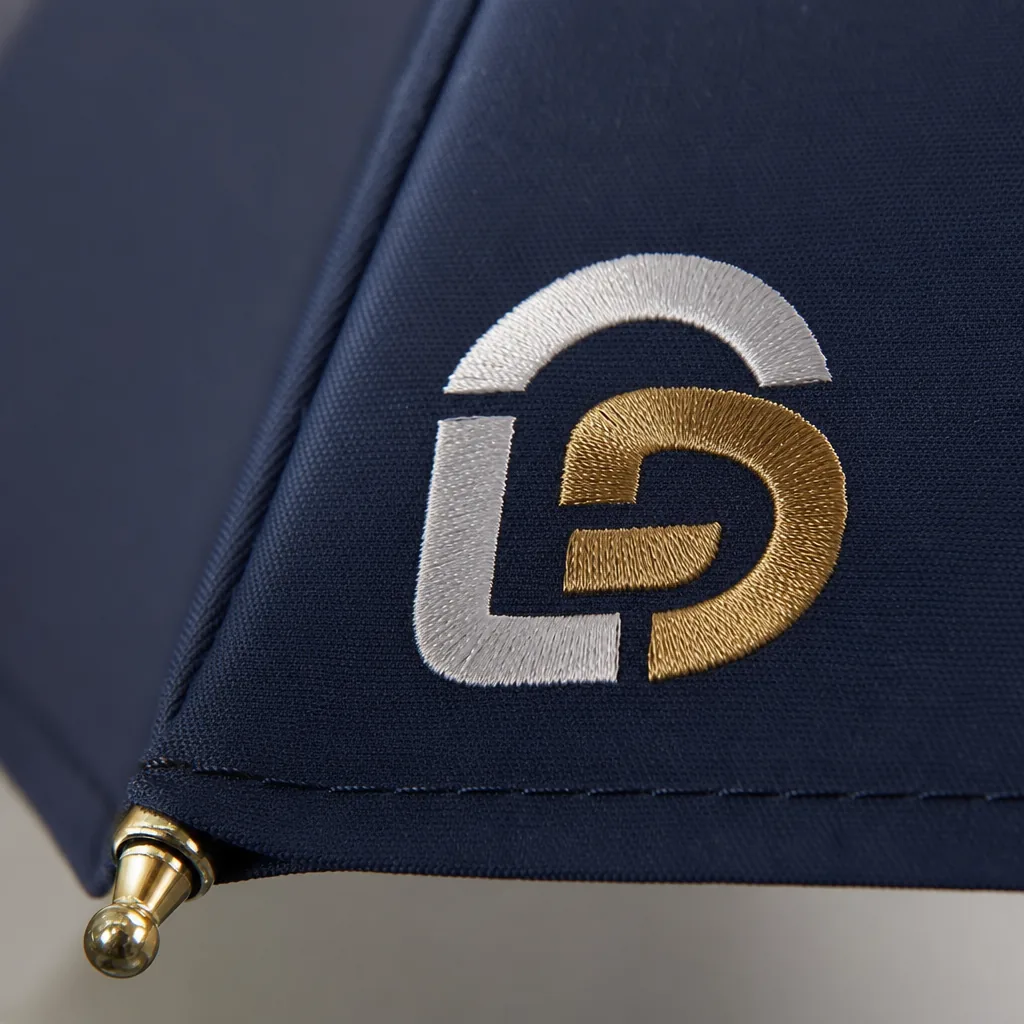
For buyers managing custom umbrella programs, the hardest part is not getting one approved sample right; it is keeping every reorder aligned with the same color, logo, and packaging standards. A brand consistency umbrella program depends on controlling fabric dye lots, print files, trim substitutions, and carton labels before production starts. From the factory floor, the difference between a clean repeat order and a costly drift is usually the quality of the spec sheet and how tightly it is followed.
Why brand drift happens on reorders
Brand drift on reorders usually starts with small tolerances that nobody bothers to lock down. A Pantone number gets translated into “close enough” by a second factory, a logo file gets redrawn from a screenshot instead of the original vector, and suddenly the canopy on the next lot looks a shade warmer, duller, or more saturated than the first shipment. On a brand consistency umbrella program, the real problem is not one bad batch; it is the accumulation of minor deviations across pongee 190T, 210T, or POE panels, different ink lots, and different curing temperatures. Even the same white ink can shift if the print pass, mesh count, or heat transfer settings change. When buyers approve a sample once and then rely on verbal confirmation for repeat orders, they leave too much room for interpretation.
Logo creep is just as common. The artwork may be scaled slightly, the stroke weight may be rebuilt by a local vendor, or the placement may move a few millimeters to avoid a seam, vent, or rib pocket. That sounds minor until the umbrella is opened in the field and the mark lands too close to a panel edge or the crown centerline looks off. For a corporate umbrella brand kit, the issue is usually a missing control file, not operator error: no vector master, no print-ready placement spec, no approved color break, and no record of whether the first run used screen print, heat transfer, or sublimation. Once those details are absent, every reorder becomes a new interpretation instead of a repeatable build. That is how an on brand umbrella becomes a near match instead of a consistent asset.
The practical fix is to treat umbrella brand guidelines like a manufacturing spec, not a marketing deck. Lock the canopy color to a physical swatch, define the exact logo file and placement coordinates, and tie both to the same BOM used for panel cutting, printing, and final inspection. Our standard practice is to keep master approvals for fabric shade, thread, ink, and packaging together so the reorder cannot drift between departments. This matters most when the program includes multiple sizes, such as 21 inch compact units and 27 inch golf umbrellas, because panel geometry changes the visual weight of the logo even when the artwork itself is unchanged. If the buyer wants repeatability, the reorder needs signed references for fabric lot, print method, handle finish, and carton labeling, plus a simple AQL 2.5 check against the first approved sample.
Locking color with references
Color control starts with one rule: never approve an umbrella from a screen image alone. For a brand consistency umbrella, the only reliable reference is a physical standard, usually a Pantone swatch, a signed master sample, or both. We lock the canopy color to a specific Pantone code, then record the substrate, coating, and print method because pongee 190T, pongee 210T, POE, and PVC all shift color differently under the same ink load. Our standard practice is to keep a retained golden sample and a production reference panel for each colorway, so the buyer can compare the fabric, logo ink, handle, and case against the same approved standard instead of chasing mismatched files.
The corporate umbrella brand kit should define more than the logo artwork. It needs the exact Pantone target, acceptable tolerance, the finish level on the frame components, and the approved placement for every mark on the canopy, strap, sleeve, and hangtag. If the umbrella brand guidelines are vague, factories will make reasonable guesses and you will get drift between reorders. In production, we check strike-off samples under standard light, then confirm the bulk lot against the approved reference before cutting. For two-color or wrapped logos, the print sequence matters because overprint trapping changes the final shade, especially on dark canopies and UV-coated fabrics.
On a real brand consistency umbrella program, the useful controls are measurable: Delta E tolerance, one approved Pantone source, and one frozen artwork file with no ad hoc edits from sales teams. If the buyer changes from manual opening to auto-open-close, or from steel ribs to fiberglass, the color approval should be repeated on the actual build, not assumed to carry over. ZheBrella treats this as a paperwork and sampling problem first, because once 5,000 units are sewn and printed, fixing a mismatched blue or gray costs more than redoing the entire strike-off stage. The cleanest process is simple: approve the reference, label it by SKU, and require every reorder to match that same physical standard before mass production starts.
Logo usage and minimum sizes
Logo placement on a canopy needs hard rules, not taste. For a brand consistency umbrella program, the safest practice is to keep a clear-space zone around the mark equal to at least 1.5 times the logo height, and never let art cross a panel seam, vent edge, or stitched tape line. On 190T or 210T pongee, a logo that sits too close to the rib line will distort when the canopy is tensioned, especially on 8K and 10K frames. For a 21" folding model, I would keep the print width in the 45-60 mm range for small chest logos and 70-90 mm if you want it readable at arm’s length; on 23" and 27" golf styles, 80-120 mm is more practical. ZheBrella’s standard practice is to approve artwork on a full-size panel layout, not a flat file, because the usable print area changes once the canopy is sewn and stretched.
Minimum size should be set by real viewing distance, not what looks clean on a screen. An on brand umbrella used at events or as a corporate umbrella brand kit item is usually seen from 1-3 meters away, so fine lines, reversed type, and thin serif fonts fail quickly, especially on dark POE, PVC, or EVA canopies. Keep the smallest stroke at least 0.35 mm for screen print and 0.5 mm for heat-transfer or sublimation if the fabric is textured; otherwise the ink fills in or the edge breaks after folding. Brand consistency umbrella rules should also define one approved logo version per canopy color: full-color only on light fabric, one-color white or black on saturated fabric, and no gradients unless the process is sublimation on polyester. For umbrella brand guidelines, I would specify a master art file, minimum logo height, Pantone or CMYK equivalents, and a no-print zone around hooks, tips, and tie straps so every batch stays visually aligned across 21", 23", 27", and 30" styles.
Documenting the umbrella spec
The most reliable way to keep a brand consistency umbrella from drifting is to freeze one retained spec and treat it as the production baseline, not a reference note. That spec should lock the exact canopy fabric, panel count, size, frame construction, handle style, logo placement, Pantone or PMS equivalents, print method, and acceptable color delta under daylight and retail lighting. If the program has multiple SKUs, the umbrella brand guidelines need to call out which details are fixed across the line and which are allowed to vary, such as 21" folding versus 23" stick models, auto-open versus auto-open-close mechanisms, or matte versus gloss handle finishes. At the factory level, I want the retained spec to include measurable tolerances, because “close enough” turns into mismatched batches fast, especially when procurement sources from more than one plant or print vendor.
A golden sample is the physical authority that sits above PDFs, emails, and artwork files. It should be signed off on the actual production materials whenever possible: the exact pongee 190T or 210T canopy, the real ferrule, the agreed rib count, the approved print location, and the final packaging insert. For a corporate umbrella brand kit, I recommend keeping one sealed master sample at the buyer side and one retained factory sample with a revision tag, date, and production code. ZheBrella’s standard practice is to pair that sample with a documented photo set showing open canopy, closed profile, logo close-up, and any special details like UV coating, vented double canopy, or heat-transfer placement. That matters because a sample seen in a showroom is often not the same as the one that survives mass production.
The spec should also define how changes get approved, because most brand drift happens through small exceptions that are never written down. If a logo moves 5 mm, the shaft color changes from black to silver, or a supplier swaps fiberglass ribs for steel, the change needs a new revision number and a fresh signoff against the retained sample. I also recommend adding a simple inspection rule tied to AQL 2.5 so the receiving team knows what to reject for color mismatch, print misregistration, fabric shade shift, or packaging inconsistency. For a brand consistency umbrella program, the goal is not just good-looking samples; it is repeatable output across reorder cycles, seasons, and factories. Once the retained spec is stable, the golden sample becomes the fastest way to settle disputes and keep the corporate umbrella brand kit aligned without re-litigating the basics on every PO.
Consistency across product types
A brand consistency umbrella starts with controlled color, not with a logo file. If the navy on a 23" auto-open stick umbrella is slightly different from the navy on a 2-fold travel model, buyers will notice before they notice the print method. In production, the real problem is not just canopy fabric; it is dye lot drift across pongee 190T, 210T, POE, and PVC, plus the way gloss changes perceived color under daylight versus store lighting. The practical fix is to lock the corporate umbrella brand kit to Pantone references, fabric swatches, and approved gloss levels for each umbrella type. A solid umbrella brand guidelines document should specify the exact canopy base color, handle finish, shaft color, stitching thread, and case material for every format, because a logo can be correct and the product still looks off-brand.
The same logo should not be treated the same way on every umbrella. A 16K vented golf umbrella gives you large panels and clean print zones, so screen print or sublimation can hold a bold mark without crowding the frame lines. A compact 21" folding umbrella usually needs a smaller mark, simpler placement, and more attention to how the logo sits near seams, snaps, or the strap. That is why a brand consistency umbrella program should define minimum logo size, safe margins from panel edges, and whether the mark goes on one panel, opposite panels, or the sleeve as well. If the brand uses metallic ink, tonal embroidery, or reflective print, those choices must be tied to the umbrella format and not left to each order, because the same treatment that works on a premium stick umbrella can look busy or unreadable on a travel frame.
Packaging is where most umbrella programs drift out of alignment. A corporate umbrella brand kit should cover hang tags, belly bands, sleeve art, carton marks, and even the insert card if the umbrella ships as a gift set. If the canopy is matte but the box is glossy with a different blue, the customer sees inconsistency before the product is opened. I also specify whether the brand wants a manual, auto-open, or auto-open-close product family, because mechanism choice changes how the umbrella is presented in retail and in executive kits. For multi-format orders, the safest approach is one master color standard, one logo master file, and one approved photo reference per size, from 23" commuter styles to 27" or 30" golf frames. That is the only way to keep an on brand umbrella program from fragmenting when procurement adds new SKUs later.
Frequently Asked Questions
How do I keep my umbrella branding consistent across orders?
Lock the canopy color to a Pantone reference, retain an approved golden sample, and document the exact logo placement, size, and clear space in the spec. Reordering against these references prevents the gradual color and layout drift that happens otherwise.
Why does my reordered umbrella look slightly different?
Without fixed references, fabric dye lots and re-set print screens cause small shifts between batches. Approving a signed lab dip and golden sample, and ordering against them, keeps reorders within an acceptable tolerance.
What color standard should a supplier use for repeat umbrella orders?
Use a Pantone reference for each canopy panel, trim, handle, and sleeve color, then keep the approved lab dip or production sample on file. For repeat orders, many buyers also set an acceptable delta-E target so the factory knows when a color shift is still within tolerance.
What should be included in an umbrella brand kit to avoid reorder errors?
A practical kit should include vector logos, Pantone codes, approved logo sizes, placement measurements, panel layout diagrams, and notes for handle, shaft, and sleeve colors. It also helps to include one approved physical sample or a high-resolution reference photo with date and order number.
How much can logo placement vary on a reprint umbrella order?
Most buyers set a placement tolerance of about 3 to 5 mm, but the exact range should be written into the spec sheet before production starts. If the umbrella has curved panels or multiple imprint locations, the first article sample should be signed off with measured placement marks.
Looking to Launch Your Custom Umbrella Line?
ZheBrella is a Zhejiang-based OEM/ODM umbrella manufacturer with 17 years of export experience. Free design, low MOQ from 100 pieces, windproof construction, full-color print.
Get Free Quote Now »People Also Search For
Related Articles

How Umbrella Color Blocking Improves Brand Visibility
See how panel colors, trims, and contrast blocks improve logo visibility on custom umbrellas while keeping brand colors ...
Read More »
Umbrella Trim Color Customization for Stronger Brand Recall
Learn which trim elements can be color-matched, what minimums apply, and how to use accents to improve brand recall with...
Read More »Matching Logo Colors Across Umbrella Fabrics and Parts
Learn how to keep logo colors consistent across pongee canopies, straps, cases, and plastic parts with realistic toleran...
Read More »