Custom Umbrella Cases and Bottles as Branded Carry Assets
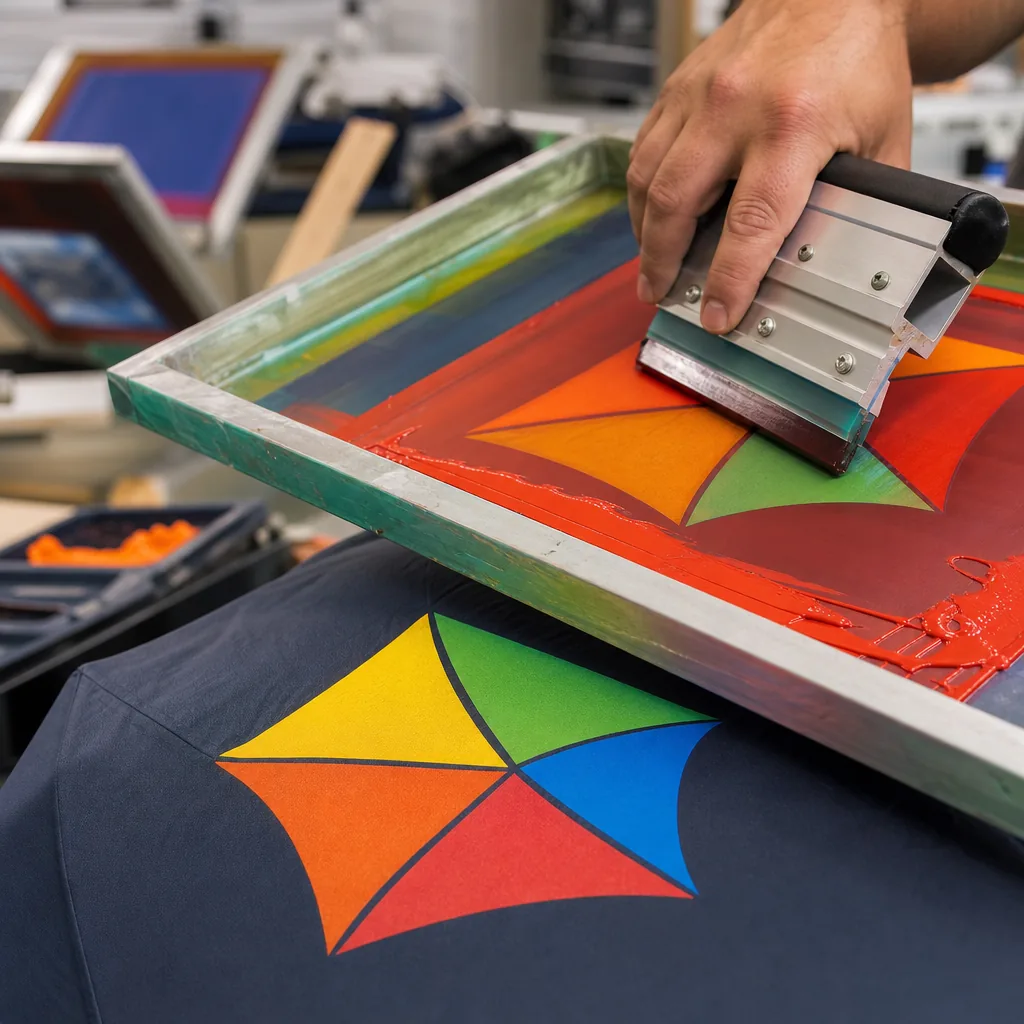
Buyers comparing umbrella sleeves to bottle-style carriers usually find the tradeoff is not just appearance, but print control, carton efficiency, and failure risk at the packing line. In our Songxia production runs, a branded umbrella bottle case often looks premium on paper yet changes mold cost, minimums, drying time after wet use, and master-carton density in ways that directly affect retail and promotional margins.
When a Carry Case Adds Branding Value
A branded umbrella bottle case delivers the most value when the umbrella spends as much time stored as it does open. That makes it a strong fit for retail gift lines, commuter SKUs, and any program where a 21-inch or 23-inch folding umbrella lives in a tote, backpack, glove box, or car door pocket between uses. For retail, the case creates a second display surface after pack-down: a molded EVA shell, structured zip sleeve, or PP bottle-style body presents a flatter, more durable print panel than a loose polyester pouch, so logos stay cleaner and more legible through shelf handling and daily transit. If the umbrella uses 190T or 210T pongee, the canopy may only be seen in rain; the case is seen every day. That shifts brand exposure from occasional outdoor use to routine storage, which is the more relevant metric for buyers selling giftable or travel-ready products.
Commuter products are the next clear use case, especially 21-inch and 23-inch auto-open-close frames built with fiberglass ribs and aluminum shafts to cut carry weight without moving into fragile low-cost construction. Here, a custom umbrella carrying case earns its keep in two ways: it contains residual drips after use and it keeps the brand visible on a desk, train seat, or office floor after the canopy is packed away. A logo umbrella bottle sleeve or structured shell also holds its shape better than a flat sleeve, which improves screen-print or heat-transfer registration for small text, QR codes, and 2-color PMS artwork. Event giveaways, hotel amenities, museum shops, and sponsor kits benefit for the same reason: the case can outlast the event itself and continue delivering promotional umbrella case branding each time the umbrella is stored, carried, or reused. For buyers, the tradeoff is straightforward—printed polyester sleeves are the lowest-cost option, while EVA and PVC or POE bottle-style cases cost more but provide stronger shelf presence and more repeat exposure separate from the canopy.
Case Formats, Materials, and Decoration Methods
Start with moisture control, because it drives both the case format and the return rate. A branded umbrella bottle case in ABS or PP is the safest choice for 21-inch to 23-inch folding umbrellas when users drop a wet umbrella into a tote, commuter bag, or car door pocket. The rigid shell contains runoff instead of transferring water into other items. ABS usually gives the cleaner cosmetic finish for retail or gift sets; PP is typically tougher on impact and more cost-efficient at higher volumes. EVA sits between the two: semi-rigid, lighter than injection-molded plastic, and quieter in travel use. Standard sleeves in 190T or 210T pongee, polyester, or oxford remain the lowest-cost custom umbrella carrying case option and pack more densely in export cartons, but they do little with residual water unless you specify a waterproof lining, welded inner layer, or drainage feature. That tradeoff is straightforward for buyers: fabric sleeves reduce unit cost and carton volume, while rigid or semi-rigid carriers reduce leak risk and add more retail value.
Zip cases become more practical as the umbrella gets larger or the frame needs more protection. For 27-inch golf umbrellas, vented double-canopy frames, or 10K and 16K fashion styles, a zippered EVA or fabric case protects tips and ribs better than a narrow slip sleeve and gives more usable area for promotional umbrella case branding. Fabric zip cases fold flatter and suit event, giveaway, and FOB export programs; molded EVA gives a more structured retail umbrella travel case look with better edge protection. Decoration needs to match the substrate. On 190T pongee, polyester, and other soft cases, silk screen is the standard for bold spot-color logos, while heat transfer handles gradients, fine text, and multi-color artwork better. EVA can take screen printing, but recessed badge areas, woven labels, or TPU patches usually hold up better on textured or curved panels. ABS and PP bottle carriers are better for pad print, molded marks, or applied labels. Pad print suits small logos on curved shells; molded-in branding is the most durable option on higher-MOQ tooling programs. Whatever format you choose, inspect print adhesion and scuff resistance at pre-shipment under AQL 2.5, especially on glossy ABS, and specify wipe-clean interiors, vent holes, or wider openings if the case will store wet umbrellas daily to limit mildew odor, coating transfer, and rust on steel rivets.
Matching the Case to Umbrella Specs and Performance
Size the carrier from the packed umbrella, not the artwork area. A 21-inch compact with a 3-fold shaft usually closes to 11-12 inches, while a 23-inch auto-open-close model is more often 12.5-13.5 inches because the spring pack and handle add bulk. If the case is even 0.4 inches short, the zipper and top seam become the load point and early failure is common. For a branded umbrella bottle case, lock the fit spec to two measurements: folded length and actual packed diameter. As a working allowance, add 8-12 mm over the true packed diameter before you choose a slim sleeve, bottle-style shell, or zip pouch with strap hardware. That tolerance directly affects user satisfaction and returns. If users need two hands or repeated force to load the umbrella, they stop using the case, no matter how strong the promotional umbrella case branding looks.
Canopy and frame construction change the required case size and strength more than many buyers expect. A 190T pongee canopy folds flatter and slides into a custom umbrella carrying case more easily than 210T pongee; 210T, especially with a Teflon water-repellent finish, keeps more bulk after a wet close. UPF 50+ treatments and heavier ink coverage also increase rolled diameter. Clear POE, PVC, or EVA canopies are stiffer than woven pongee, so a logo umbrella bottle sleeve needs more opening tolerance and a smoother lining to avoid sticking. Frame design matters just as much: steel ribs add weight and can break down weak bottom corners faster, while fiberglass ribs flex better and usually put less stress on compact 8K or 10K carriers. A heavier 16K frame, double-canopy windproof build, or larger foldable umbrella often needs denser webbing, reinforced stitching, or a semi-rigid base. For any retail umbrella travel case program, approve the carrier against a finished packed sample and confirm fit again at final inspection under AQL 2.5 rather than relying on a flat drawing alone.
Cost, MOQ, Lead Time, and Shipping Tradeoffs
Freight usually decides whether a branded umbrella bottle case is viable. A printed fabric sleeve ships flat or can be packed onto the umbrella before final polybagging, so carton efficiency typically falls only 3% to 8% versus the same umbrella without a case. For a 21-inch folding umbrella, buyers can often still load about 48 to 60 units per export carton. A molded bottle case changes that fast: the rigid shell adds dead space, traps air between units, and can cut the same packout to roughly 24 to 36 units per carton, depending on bottle diameter, cap profile, and handle shape. Under FOB Ningbo or Shanghai, the ex-factory add-on may still look reasonable, but ocean freight per delivered unit rises much faster than the case cost itself. Under DDP, the penalty is broader because the bottle can increase cubic volume, billing weight, and last-mile parcel brackets at the same time. If the design wastes 20% to 35% of container volume, a clean-looking concept can erode margin before arrival.
MOQ is usually the clearest dividing line between a custom umbrella carrying case and a rigid bottle. A sewn sleeve in 190T or 210T pongee, polyester oxford, or neoprene-style material typically starts around 1,000 to 3,000 pieces when decoration is limited to screen print or heat transfer and the run is combined with the umbrella order. That format usually avoids new tooling; buyers mainly pay for artwork setup, a possible screen charge, and a pre-production sample. A rigid plastic branded umbrella bottle case or logo umbrella bottle sleeve with a dedicated mold is more commonly 3,000 to 5,000 pieces minimum, and can reach 10,000 pieces when tooling cost must be absorbed across volume. Sampling and launch timing follow the same pattern: a sewn retail umbrella travel case can usually be sampled in 3 to 7 days and produced in 20 to 30 days after artwork and material approval, often in parallel with umbrella production. A molded bottle case typically needs 7 to 12 days for 3D confirmation and prototype review, plus another 12 to 20 days for tooling, trial shots, and revisions before sealed-sample approval; bulk production then runs about 30 to 45 days after sign-off. Budget beyond the quoted mold fee for cavity count, cap thread tolerance, leak testing, and color-matched resin trials, since each can extend schedule or raise launch cost.
QC, Compliance, and Approval Checks for Branded Cases
Start QC with fit testing, because a clean dieline does not prevent field complaints if the case binds. For any custom umbrella carrying case, test insertion and removal with the exact umbrella packed for sale—21 inch compact, 23 inch straight, or 27 inch to 30 inch oversized—using pilot-run samples, not a single hand-made prototype. Folded bulk changes across 8K, 10K, and 16K frames, and wet 190T or 210T pongee can add enough volume to turn an acceptable sample into a return. Soft sleeves need tolerance for canopy bulk and strap placement; EVA, PP, and bottle-style housings need confirmed clearance at the ferrule, tip, and handle. A branded umbrella bottle case also needs durability checks on real hardware: cycle zippers, snap caps, and twist-lock tops repeatedly and reject parts that bind, whiten, crack, or strip threads. For hard cases, add a 1 meter drop test before mass production to confirm no hinge cracking, edge denting, or cap pop-off.
Approve color and artwork from physical standards, not screens. For a logo umbrella bottle sleeve, compare production output to the signed PMS target or color chip under standard lighting, then check seam alignment, print registration, and final logo position with the case filled. Cylindrical wraps and heat-laminated EVA can shift artwork, so promotional umbrella case branding should be approved by millimeter from fixed reference points such as the zipper end, bottom edge, or mold split line. Keep barcodes on the flattest scannable panel and away from seams, hang tabs, and straps. Final inspection should run at AQL 2.5, with focused checks on odor, scratches, and pack-out accuracy. Odor screening matters most on PVC, EVA, PU-coated fabrics, and foam inserts, because a retail umbrella travel case can fail retailer intake even when appearance is acceptable. Verify glossy shells, matte coatings, logos, and metal trims stay scratch-free after inner packing, then confirm insert cards, barcode labels, polybags or tissue, carton counts, and shipper orientation so caps and handles do not rub in transit. If the case ships with the umbrella, confirm the approved umbrella model, handle type, and canopy color match before FOB release or DDP dispatch.
Frequently Asked Questions
Do bottle-style umbrella cases significantly increase shipping cost?
They can, because rigid cases usually reduce carton density and increase cubic volume compared with soft sleeves. Buyers should review packed carton dimensions before approving final packaging.
Are hard umbrella cases suitable for large windproof umbrellas?
They are usually better for compact folding umbrellas than for full-size golf or double-canopy models. Larger windproof umbrellas often need oversized cases that add cost and become less practical for retail carry.
Which case materials give the best branding result for bottle-style umbrella carriers?
Rigid PP or ABS bottle cases are best for clean spot-color or screen logo placement, while neoprene and polyester sleeves allow larger wraparound artwork. For retail programs, buyers often choose PP for shelf impact and polyester for lower unit cost.
How much can a custom umbrella case affect carton packing and freight cost?
Bottle-style hard cases usually reduce master carton efficiency versus standard sleeves, often increasing carton volume by roughly 10% to 25% depending on umbrella size and handle shape. Soft sleeves pack flatter and are usually the better option when ocean freight cost is a priority.
What are typical MOQ and lead times for branded umbrella cases ordered with umbrellas?
For OEM case-and-umbrella programs, common MOQs start around 1,000 to 3,000 sets depending on mold requirements, material, and print method. Repeat orders typically run 25 to 35 days, while new custom bottle-case developments can take 40 to 55 days including sample approval.
Looking to Launch Your Custom Umbrella Line?
ZheBrella is a Zhejiang-based OEM/ODM umbrella manufacturer with 17 years of export experience. Free design, low MOQ from 100 pieces, windproof construction, full-color print.
Get Free Quote Now »People Also Search For
Related Articles
Custom Umbrella Cases With Printed Branding for Retail Programs
Plan branded umbrella cases for retail and promotional orders with the right print method, materials, MOQ, and QC standa...
Read More »
Umbrella Sleeve Logo Design for OEM Retail and Promo Orders
Plan umbrella sleeve branding with the right print area, fabric, MOQ, and QC standards to improve retail presentation wi...
Read More »Custom Umbrella Sleeve Printing for Stronger Brand Presentation
Plan branded umbrella sleeves that look consistent with the canopy, control print quality, and fit procurement targets f...
Read More »