Custom Umbrella Cases With Printed Branding for Retail Programs
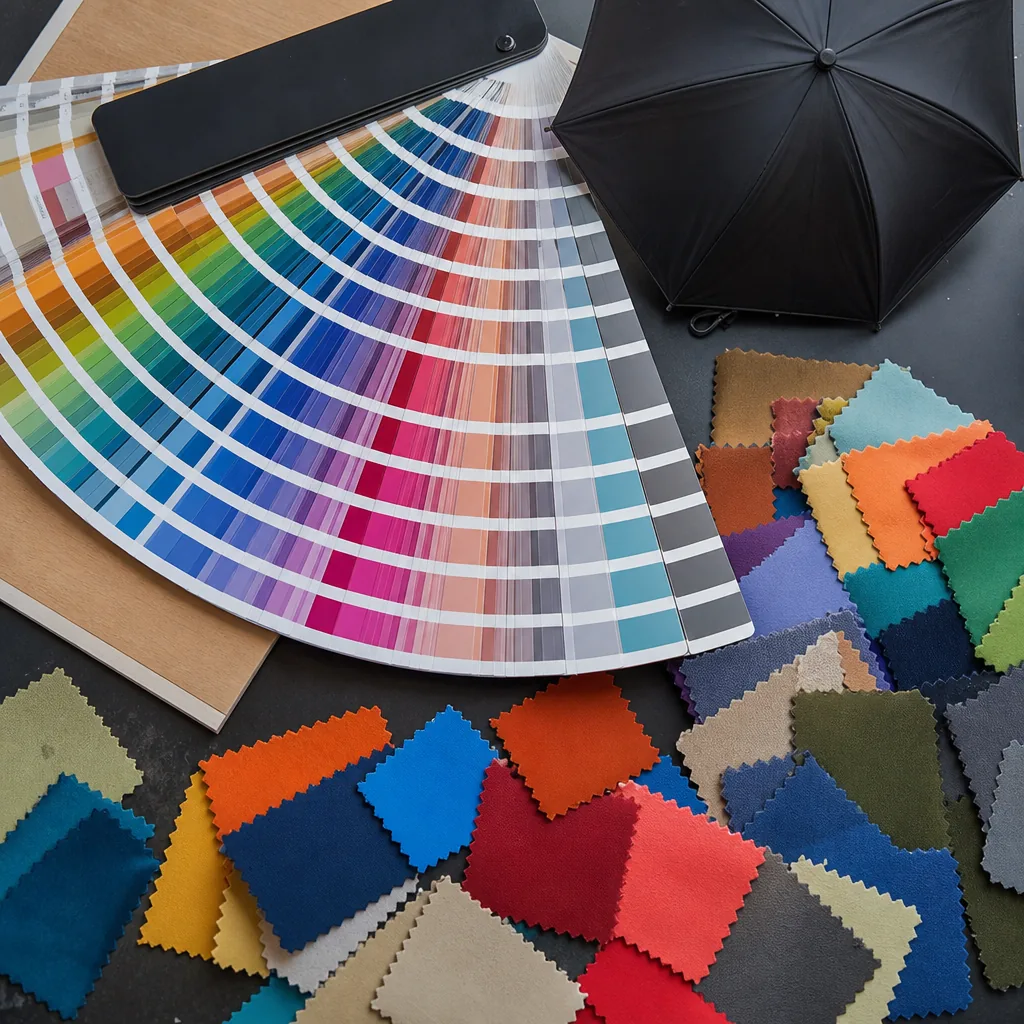
Retail programs often fail at the case, not the canopy: inconsistent logo color, weak zipper tape, and loose fit can make a branded set look mismatched on shelf. For custom umbrella cases, the right call depends on fabric hand, print method, minimums, and how the case runs through sewing and final inspection, especially when branded umbrella case printing has to stay consistent across large repeat orders.
Which Umbrella Styles Can Add a Branded Case
Choose the case format by umbrella geometry first, then place artwork. For folding umbrellas, the standard solution is a slip sleeve cut to the collapsed length of a 21-inch or 23-inch 3-fold frame, usually in the same 190T or 210T pongee as the canopy with an open top, single side seam, and finger strap. It is the lowest-cost route for branded umbrella case printing because material use and sewing time stay minimal, and it does the basic job: keeping a wet canopy contained after use. Straight and golf umbrellas work differently. A 27-inch or 30-inch frame, especially in 8K or 16K construction, is too long and rigid for a light pouch to add much utility, so many buyers skip the case entirely or move to a full-length sleeve with shoulder strap when transport matters for schools, resorts, golf events, or staff issue. For procurement, the distinction is simple: a standard sleeve is mainly functional on compact folding umbrellas, while on straight umbrellas it is usually added only for carrying convenience, cleaner handoff, or a retail presentation brief.
Zip cases and structured carry cases justify themselves only when they solve a real packing or merchandising problem. A zip pouch or zip-around printed umbrella carry case works well for bulkier folding umbrellas such as double-canopy minis, fiberglass-rib windproof models tested above 50 mph, or units with oversized rubberized handles that snag in a plain sleeve. The zipper keeps the pack compact, gives a flatter print area for a custom umbrella case logo, and supports a more gift-ready finish, but it also adds QC points: zipper tape alignment, puller durability, and fabric color matching should be checked separately even if the umbrella body is inspected to AQL 2.5. Structured carry cases sit at the premium end for executive straight umbrellas, golf umbrellas, gift sets, and retail umbrella case branding programs that require shelf presence. Padded polyester shells, EVA-backed panels, or molded inserts increase unit cost and usually extend lead time, so they make sense when the case must protect the product, elevate perceived value, or meet a presentation brief. In buyer terms: sleeves are functional, zip cases are functional plus gift-oriented, and structured cases are typically driven by retail display or premium positioning.
Printing Methods and Material Compatibility
Choose the print method by case material first, then fit the artwork to that process. On woven polyester and 190T or 210T pongee sleeves, branded umbrella case printing is usually lowest cost with screen printing when the logo is 1-2 solid colors. It gives strong opacity, including white on black fabric, and it flexes well on slim sleeves that are opened and collapsed repeatedly. If the art includes gradients, halftones, retail color matching, or outlines under 1 mm, heat transfer gives sharper edges and better small-text readability than standard screen printing. The tradeoff is durability: the transfer film can crack earlier on tight fold lines or near the mouth opening, especially where the case bends around the inserted umbrella. Artwork approval should account for construction as much as print resolution. A logo printed across a side fold, binding edge, or high-tension seam will distort in use even if the sample looks sharp when empty. For a custom umbrella case logo on woven fabric, the safest specification is a flat print area set away from side creases and the opening, with wash and rub testing on a filled sample rather than a flat panel.
PVC, POE, and other smooth plastic cases need tighter process control because adhesion and scuff resistance depend heavily on surface treatment. Direct screen printing can work on treated PVC, but inconsistent prep often causes ink lift first at the case mouth, where hand contact and abrasion are highest. For a printed umbrella carry case with small text, halftones, or multi-color graphics, heat transfer or offset-style transfer usually delivers better logo clarity than direct ink, especially on clear or glossy film. Performance differs by substrate: on pongee, a 1-color screen print often outlasts a detailed transfer in abrasion because the ink moves with the fabric; on PVC, a properly matched transfer can resist shelf scuffing and contact from metal tips or zipper pulls better than direct print. Mixed-material constructions, such as a clear PVC body with polyester trim, usually require split decoration rather than one process across all panels. Common umbrella pouch logo options are a spot print on the transparent body plus separate retail umbrella case branding on a fabric tab, trim panel, or woven label, which helps keep bulk yield stable and reduces rejects at inspection. Mild wipe cleaning is generally acceptable, but solvent cleaners can haze plastic and lift prints, so pre-production rub, scuff, and alignment checks remain standard risk control.
Design Specs Buyers Need to Lock Early
Lock the case pattern before artwork approval because fit errors drive the highest rework risk. A 10 mm mistake in sleeve length or gusset width is enough to cause zipper binding, split side seams, or pack-out failure at carton loading. The case dimensions must match the finished umbrella’s actual folded length, ferrule shape, runner bulk, and handle profile, not the nominal 21 inch canopy size. A 21 inch compact manual umbrella commonly folds to about 24–26 cm, while a 21 inch auto-open/close frame usually needs 28–31 cm because the spring tube, thicker shaft, and larger ABS handle increase bulk. That gap matters more on 8K fiberglass-rib frames and on auto-open or auto-open/close units with wider runners. Tell the writer to require an exact folded sample, target tolerance, and intended packing method before approving branded umbrella case printing. Hand insertion can accept a tighter sleeve; a packing line usually needs more entry clearance, a longer zipper run, or a wider gusset at the handle end.
Freeze zipper color, handle loops, lining, panel seams, and brand mark placement in the same approval round because each choice affects cost, lead time, and print yield. Stock nylon coil zippers in black or navy are typically the lowest-risk option; custom-dyed zipper tape or matched pullers often add 7–12 days and can raise MOQ above the umbrella order minimum. If the case includes a wrist loop, side carry loop, or peg hanger, specify loop width, stitch count, and expected pull load, then keep bartacks clear of panel seams and the print registration area, especially on heavier steel-shaft auto-open/close umbrellas. The writer should define whether the case is unlined, lined with 190T pongee, or EVA-backed for added structure. For the custom umbrella case logo, place the mark from the seam map, not from the flat art file: center it between the zipper and back seam on straight sleeves, and recheck distortion on tapered pouches. Keep artwork 8–12 mm away from seam lines and zipper stitching to protect AQL 2.5 print acceptance. Screen print is the practical choice for bold 1–2 color retail umbrella case branding; heat transfer is better for fine detail and smaller umbrella pouch logo options on a printed umbrella carry case.
Program Economics: MOQ, Sampling, and Shipping Terms
A custom case is cost-efficient only when the umbrella program can carry a second SKU without eroding margin. A stock black sleeve is still the lowest-cost path because it uses existing cutting dies, stock fabric, and standard packing, usually adding only a few cents per unit. With branded umbrella case printing, cost rises as soon as you fix fabric color, case size, closure, and print method for bulk production. For a basic polyester or 190T pongee sleeve with a one-color custom umbrella case logo, MOQ is typically 1,000-3,000 pieces when the case shares fabric with the umbrella canopy order. If the case needs a different fabric, a woven label, zipper, hang hole, EVA frosted body, or a molded puller, MOQ usually moves to 3,000-5,000 pieces because trim vendors have their own minimums and setup charges. For retail programs, that premium usually makes sense on repeat orders, or on launch orders where the case improves shelf presentation, barcode placement, or perceived value enough to offset added packing and accessory cost.
Sampling and shipping usually decide the real economics more than unit price alone. A standard sleeve with a screen-printed logo may need only one pre-production sample after artwork approval, but a printed umbrella carry case for retail often needs two or three rounds: a size proof, a print strike-off, and a final fit check with the actual 21 inch, 23 inch, or 27 inch umbrella. Fit risk is higher on telescopic auto-open-close styles because packed diameter changes between 8K and 10K frames and between 190T and 210T pongee. A practical schedule is 5-7 days for digital mockups, 7-10 days for a physical sample, and 3-5 days for revisions, which can add roughly two weeks before the normal 35-45 day production lead time begins. Under FOB terms, confirm whether cases ship assembled, inserted separately, or flat-packed, because carton cube can affect ocean freight more than the case upcharge. Under DDP, lock packaging specs earlier: late changes to retail umbrella case branding, barcodes, polybags, or case dimensions can change carton counts, gross weight, and customs descriptions.
Quality Control for Cases in Bulk Orders
Fit is the first failure point in bulk orders, so QC should start with the actual folded umbrella, not just the approved tech pack. A 21-inch compact with 8K ribs and a slim fiberglass frame may fit a 26-27 cm sleeve, while a 23-inch auto-open-close umbrella with thicker steel tube sections often needs about 30 cm of case length and a wider mouth to avoid stress at the zipper head. For every production lot, inspectors should test insertion and removal on physical samples and check for drag, canopy snagging, and catching at the strap, handle, or top notch. For branded umbrella case printing, confirm the artwork still reads correctly when the case is filled, because a logo that looks centered on a flat panel can shift on a round pouch or piped construction. Keep logo placement within a tight visual tolerance; even 3-5 mm of drift on a custom umbrella case logo is obvious when units hang side by side on retail pegs.
Function checks should focus on the components that fail first in store use: zipper, seams, print, odor, and color match. On a printed umbrella carry case, cycle the zipper repeatedly to catch tape waviness, slider burrs, missed teeth, and weak end stops; low-cost zippers often pass a visual check but jam under load. Check seam strength at the opening, side join, and hanging loop for even stitches per inch and balanced thread tension so the case does not twist or split when a wet umbrella is pushed inside. For umbrella pouch logo options such as screen print, heat transfer, or sublimation on 190T or 210T polyester, verify edge sharpness, registration, and no ghosting near seams across the run. Add a carton-opening odor check, especially on 190T/210T pongee and EVA or PVC-based transparent programs, where rushed curing can leave a solvent or plastic smell. Final inspection should follow AQL 2.5 for measurement, workmanship, print, and function. Approve color by reviewing the umbrella and case together under normal light, then pack master cartons with clean interiors, inner bags where needed, and unit orientation that prevents zipper abrasion, panel rubbing, compression creases, and shape distortion in transit.
Frequently Asked Questions
Can one umbrella case fit multiple umbrella models in a retail range?
Sometimes, but only if folded lengths and canopy bulk are close. If one model uses a thicker double-canopy windproof frame or different rib construction, fit can quickly become inconsistent.
Are custom cases worth it for giveaway campaigns?
Usually only for higher-value promotions or VIP kits. For cost-sensitive campaigns, a printed sleeve is often enough, while custom zip cases make more sense for retail resale or executive gifting.
Which print method works best for umbrella cases made from pongee or polyester fabric?
For solid 1-2 color logos, silk screen printing is usually the most cost-effective and durable option. For multi-color artwork or fine gradients, heat transfer is more precise, but buyers should confirm rub resistance and colorfastness during pre-production sampling.
What MOQ should buyers expect for custom printed umbrella cases in a retail program?
MOQ often starts around 500-1,000 pieces per colorway for standard fabrics and shapes, while fully custom case construction or matched sets may require 1,000-3,000 pieces. Final MOQ depends on print method, fabric sourcing, and whether the case is packed with umbrellas or supplied separately.
What QC points matter most for branded umbrella pouches before shipment?
Key checks include logo position tolerance, print adhesion, zipper function, stitching consistency, and color matching against approved Pantone references. For retail programs, many buyers also request AQL inspection, barcode verification, and carton labeling checks before container loading.
Looking to Launch Your Custom Umbrella Line?
ZheBrella is a Zhejiang-based OEM/ODM umbrella manufacturer with 17 years of export experience. Free design, low MOQ from 100 pieces, windproof construction, full-color print.
Get Free Quote Now »People Also Search For
Related Articles
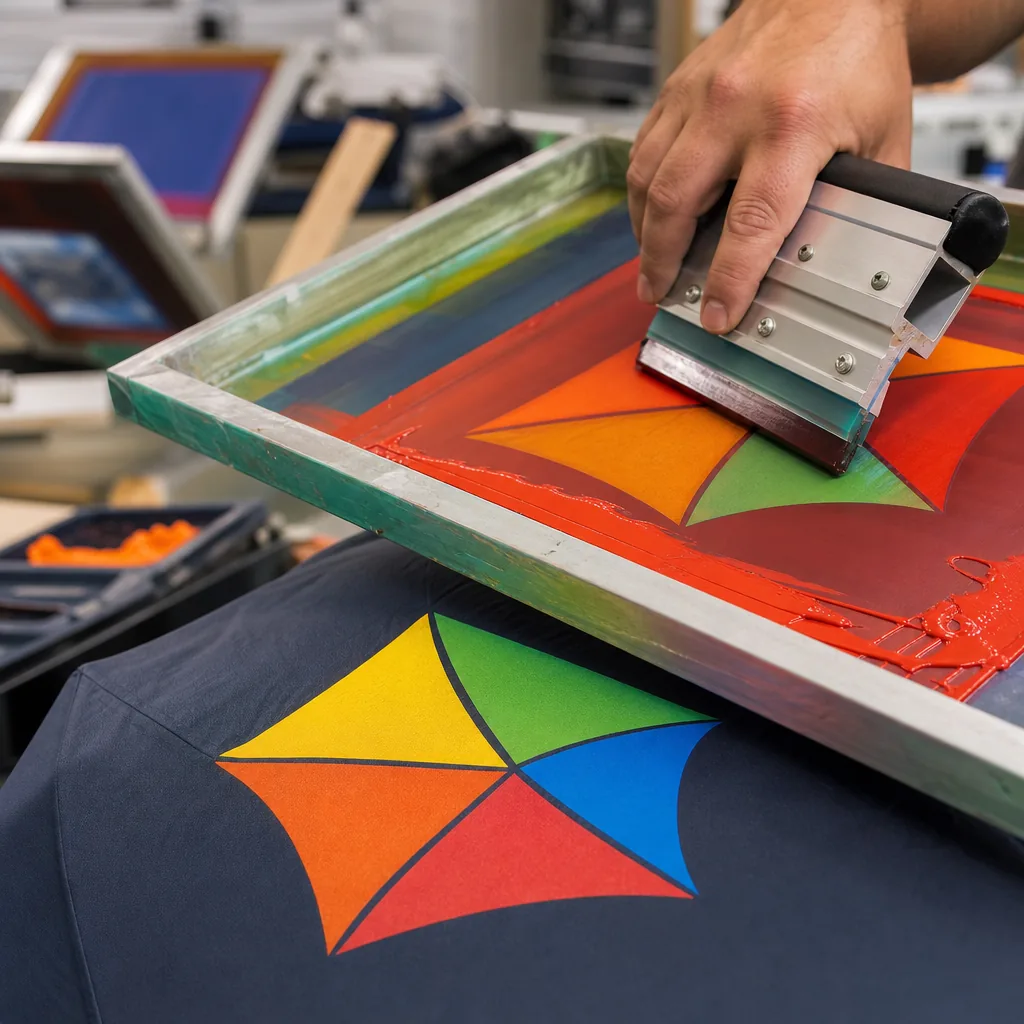
Custom Umbrella Cases and Bottles as Branded Carry Assets
Evaluate branded umbrella cases and bottle-style carriers for retail and promo programs, including print areas, material...
Read More »
Umbrella Sleeve Logo Design for OEM Retail and Promo Orders
Plan umbrella sleeve branding with the right print area, fabric, MOQ, and QC standards to improve retail presentation wi...
Read More »
Umbrella Tie Strap Branding for Repeat Retail Programs
Learn how printed and woven tie-strap branding improves retail consistency, with guidance on materials, logo limits, MOQ...
Read More »