Custom Umbrellas for Retail Private Label Launches
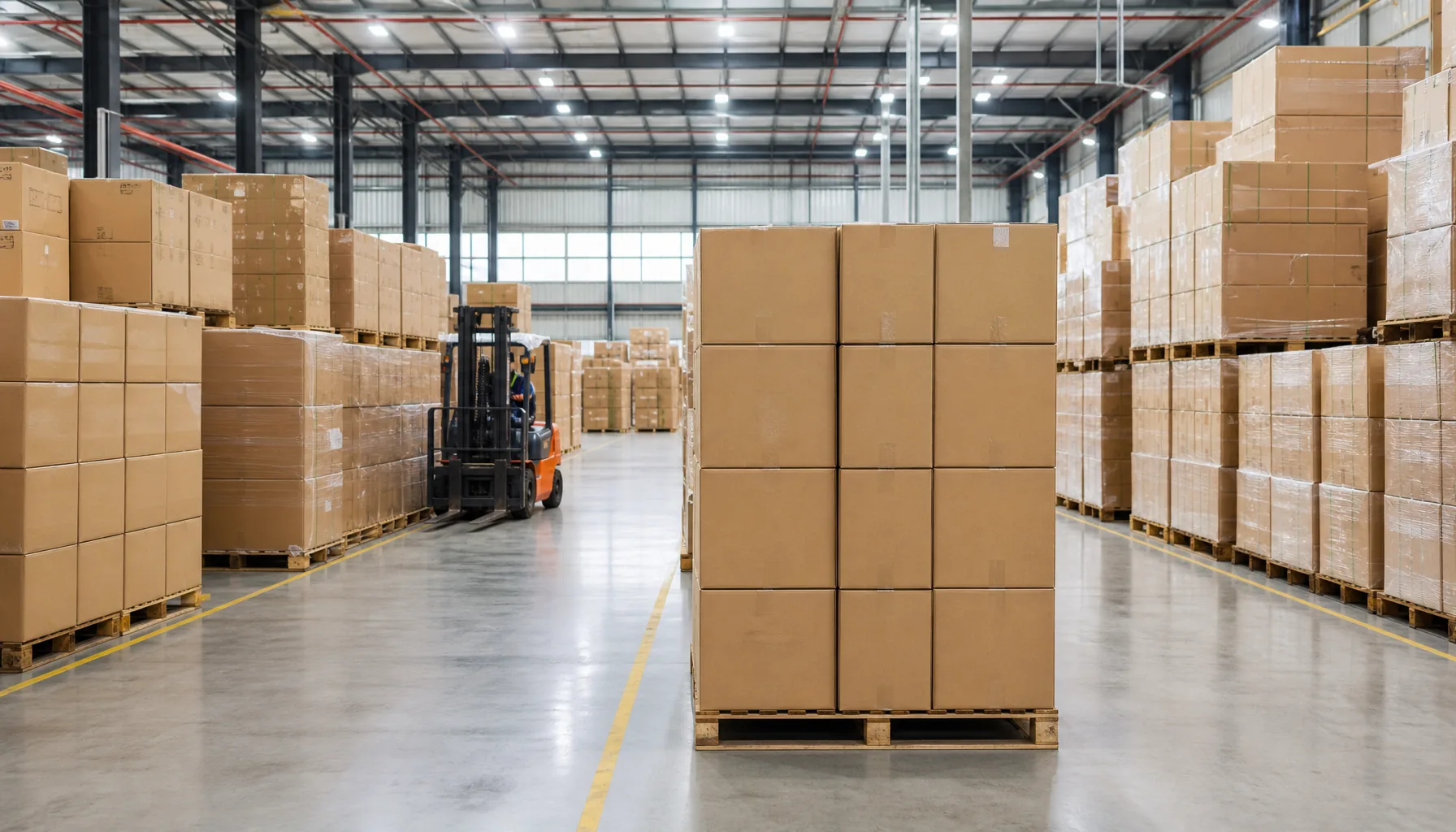
Private label umbrellas can look simple on a spec sheet and still create expensive problems at retail if canopy size, wind resistance, print placement, and packaging are not locked before production. At the factory floor, we see the real failure points: inconsistent panel tension, weak ribs, off-color trims, and QA gaps that turn a clean launch into a margin drain and a sell-through issue.
What private label buyers need from umbrella suppliers
Retail buyers care less about catalog variety and more about control: logo placement, handle color, canopy print accuracy, swing tag content, and carton labels that match their planogram. For private label umbrellas, the supplier has to handle branding cleanly across the product and the pack, because a retail rollout gets messy fast when the hangtag, barcode, and master carton do not line up. In practice, I see buyers ask for 21" folding models or 23" stick umbrellas with pongee canopy fabric, manual or auto-open mechanisms, and packaging built for shelf display rather than bulk shipment.
Retail umbrella sourcing usually starts with MOQ pressure and sample speed. For a basic custom umbrella OEM program, 300 to 1,000 pieces per color is a normal starting point, while more complex prints or special handles can push that higher; samples typically take 5 to 10 days if the frame and fabric spec are already known. OEM is the better fit when the retailer wants exact specs, exclusive artwork, or compliance paperwork tied to a house brand, while ODM makes more sense if the buyer wants to move faster with a proven canopy, handle, and frame combination and only change branding.
Compliance and replenishment are where weak suppliers fall apart. Buyers should insist on a written test standard, REACH or CPSIA where relevant, carton drop protection, and AQL 2.5 inspection on production lots, because a retail launch can survive a slightly slower sample but not a carton of crooked panels or inconsistent closure tension. Stable replenishment also means locked component sourcing for fiberglass ribs, steel shafts, and pongee canopy fabric, plus a clear lead time, usually 25 to 45 days after deposit depending on decoration and order size.
Choosing construction for retail price points
For private label umbrellas, the fastest way to miss a retail target is to spec the wrong frame for the price tier. Entry-level programs usually run steel ribs, 8K construction, and 190T pongee canopy fabric because the BOM stays tight and the umbrella still passes basic retail expectations. Once you move into mid-tier retail umbrella sourcing, fiberglass ribs become the better spend: they bend back instead of staying bent, cut down on returns, and let you move to 10K or 12K constructions without making the product feel flimsy. Premium custom umbrella OEM programs usually justify 16K frames, thicker ferrules, and 210T pongee because buyers can feel the tighter hand, cleaner drape, and better panel recovery as soon as they open it.
Auto-open adds cost, but it is the cheapest way to make a low-price umbrella feel more finished on shelf, so I use it heavily in mass retail and promotional private label umbrellas. Reverse-close mechanisms cost more because the runner, shaft tolerances, and spring package are more demanding, but they reduce dripping in cars and lobbies, which matters to shoppers who compare features in hand. Double-canopy vented designs are the most expensive of the three because they add cutting, sewing, and extra fabric, yet they also carry the clearest perceived value in windy markets: the umbrella looks engineered, not generic. On factory orders, that feature set only makes sense if the supplier can hold AQL 2.5 inspection standards and keep opening/closing cycles consistent across the carton.
For tiering, I would pair steel and 8K or 10K with manual or auto-open on entry programs, fiberglass and 10K to 12K with auto-open-close on mid-range, and fiberglass plus 16K with vented double-canopy and 210T pongee on premium. That split keeps the margin logic clean: you spend where the customer can see and feel it, not where it disappears inside the shaft. The real lesson in custom umbrella OEM work is that fabric weight, rib count, and mechanism choice have to match the shelf price; otherwise the product looks overbuilt for budget or underbuilt for the ticket.
Quality standards that protect the brand
For private label umbrellas, the first thing I look at is not the logo — it is whether the factory can hold AQL 2.5 inspection without excuses. In retail umbrella sourcing, that means sampling for critical, major, and minor defects at the agreed lot size, then rejecting what will trigger returns: broken tips, loose ferrules, bent ribs, and canopies that do not tension evenly on the frame. A custom umbrella OEM should also track color consistency across panels and between reorders, because a black canopy that shifts to charcoal or a brand Pantone that drifts by a few delta points looks cheap the moment it hits a store shelf.
Print registration matters just as much as the frame. On pongee canopy fabric, misaligned logos, blurred edges, and off-center repeats usually come from sloppy panel cutting, poor screen setup, or heat-transfer pressure that is not controlled; those defects are easy to miss in photos and expensive after shipment. We check the artwork against a physical placement spec, not just a PDF proof, because retail buyers care about whether the mark sits the same on every panel and whether seams cut through the design cleanly. Uneven canopy tension is another return driver — if one panel sags, the umbrella looks warped even before the first use.
Wind testing and carton-drop checks catch the failures that customers notice after the first storm or the first warehouse move. A retail-ready umbrella should survive repeated opening under load and a realistic wind test without rib twist, spoke separation, or tip fracture; if the frame cannot hold shape, the product may pass a visual check and still fail in the field. Carton-drop testing is the last line of defense for display sets and ship-to-store programs, because crushed corners and shifted trays often translate into scratched shafts, cracked handles, and bent tips. For private label umbrellas, those are the defects that damage the brand fastest because they show up as complaints, not just QC notes.
Packaging, labeling, and compliance for store shelves
For private label umbrellas, packaging is not decoration; it is part of the selling system and the cost model. Barcode labels need to scan at the store and at the distribution center, so I specify the actual EAN-13 or UPC placement before mass packing, not after production. Hang tags should carry SKU, color, canopy size, fabric content, country of origin, and care or warning text in the buyer’s market language. On a retail umbrella line, I also check that the warning label is durable enough to survive carton friction and humidity, because thin paper labels fail fast in transit. If the canopy is pongee canopy fabric, that should be stated clearly on the pack copy if your customer cares about premium handfeel or water shedding.
Master carton specs matter just as much as the product itself. A retail-ready pack usually means individual polybag or paper sleeve, then a defined inner count and outer carton count that fits pallet patterns without crushing tips or handles. For custom umbrella OEM programs, I want carton marks to show item number, colorway, quantity, gross and net weight, carton size, and destination code, because those details keep receiving clean and reduce chargebacks. AQL 2.5 inspection should cover packaging appearance, barcode readability, label accuracy, and carton condition, not just frame function. If the buyer wants shelf-ready units, the folding direction, hang hole position, and retail insert size need to be locked before the first bulk run.
FOB and DDP quotes change landed cost in a way many buyers underestimate. FOB covers factory delivery to the port and leaves ocean freight, import duty, inland trucking, customs brokerage, and local delivery on the buyer; DDP rolls most of that into one number, so the quote looks higher but the landed cost is easier to compare against shelf margin. For retail umbrella sourcing, that distinction decides who controls compliance paperwork, because under FOB the importer usually handles local testing declarations, label registration, and customs files, while under DDP the supplier or freight partner typically manages those documents for the destination market. The practical rule is simple: define who owns each document before production starts, or the shipment sits while someone argues over missing paperwork.
Lead times and replenishment planning for launches
For private label umbrellas, the real scheduling mistake is treating the first order like a simple purchase order instead of a launch calendar. In a normal factory slot, sample approval, frame prep, canopy cutting, sewing, printing, assembly, and final packing usually run 20 to 35 days for a basic 21" or 23" auto-open model, then another 5 to 10 days if the artwork needs extra color matching or packaging changes. A custom umbrella OEM order with 8K or 10K fiberglass frames can move faster than a fully decorated retail program, but only if the artwork, panel layout, and carton specs are locked before cutting starts. Once you add peak-season congestion, lead times stretch quickly because every line in Songxia is chasing the same rainy-season demand.
Retail umbrella sourcing gets risky when buyers ignore how much capacity disappears in March through July. At that point, the bottleneck is rarely just sewing; it is frame components, handle supply, and print queue time, especially for pongee canopy fabric with multi-pass screen work or sublimation. Our standard practice is to protect first launches with extra buffer stock, because a retailer that lands one good spring promotion can burn through an opening buy in days, not weeks. For that reason, I prefer initial orders sized to cover the launch plus a short replenishment window, then staged production lots so the second shipment does not depend on a fully open factory calendar.
Forecasted reorder points are what keep private label umbrellas from going out of stock right when rain starts. A clean planner sets a trigger based on sell-through rate, ocean transit, and the factory’s AQL 2.5 inspection release date, then reorders before inventory drops below the next 30 to 45 days of demand. That matters most for repeat programs, where the second order should be placed while the first shipment is still in motion, not after shelves are already empty. For seasonal retail, I would rather see one conservative opening buy and a planned top-up than a large initial commitment with no replenishment buffer, because missed rainy-week sales are hard to recover once shoppers switch brands.
Frequently Asked Questions
What umbrella specs work best for a private label retail line?
Most retailers start with a 48- to 58-inch canopy, fiberglass ribs for flexibility, and 190T or 210T pongee for better hand feel. Auto-open models sell well in mass retail, while double-canopy versions fit higher-priced collections.
How should a retailer evaluate landed cost?
Compare FOB pricing with DDP quotes so you can see what is included in freight, duties, and delivery. For retail programs, landed cost should be checked alongside packaging, inspection, and expected markdown risk.
What MOQ is typical for a private-label umbrella launch with mixed colors or prints?
For most OEM programs, MOQ starts around 500-1,000 pieces per style, but split colorways or multiple prints often require 300-500 pieces per SKU to keep material and printing setup efficient. If you need custom handles, woven labels, or retail cartons, the practical MOQ may increase.
Which retail-ready details should be locked before bulk production starts?
Approve canopy fabric, frame spec, color standard, barcode placement, hangtag, care label, master carton size, and drop-test requirements before PP sample signoff. These details affect both landed cost and shelf presentation, and changing them after material booking can add 7-15 days.
How should AQL 2.5 be applied for a seasonal umbrella order shipping to multiple stores?
Use AQL 2.5 for major defects and define critical points in advance, such as opening/closing function, print alignment, stitch quality, and carton markings by store code. For multi-store distribution, many buyers inspect both the finished umbrellas and the assortment accuracy in outer cartons to reduce allocation errors at DC level.
Looking to Launch Your Custom Umbrella Line?
ZheBrella is a Zhejiang-based OEM/ODM umbrella manufacturer with 17 years of export experience. Free design, low MOQ from 100 pieces, windproof construction, full-color print.
Get Free Quote Now »People Also Search For
Related Articles

Umbrella Solutions for Retail Private Label Collections
Create private label umbrella collections with the right frame, fabric, packaging, MOQ, and delivery terms for retail sh...
Read More »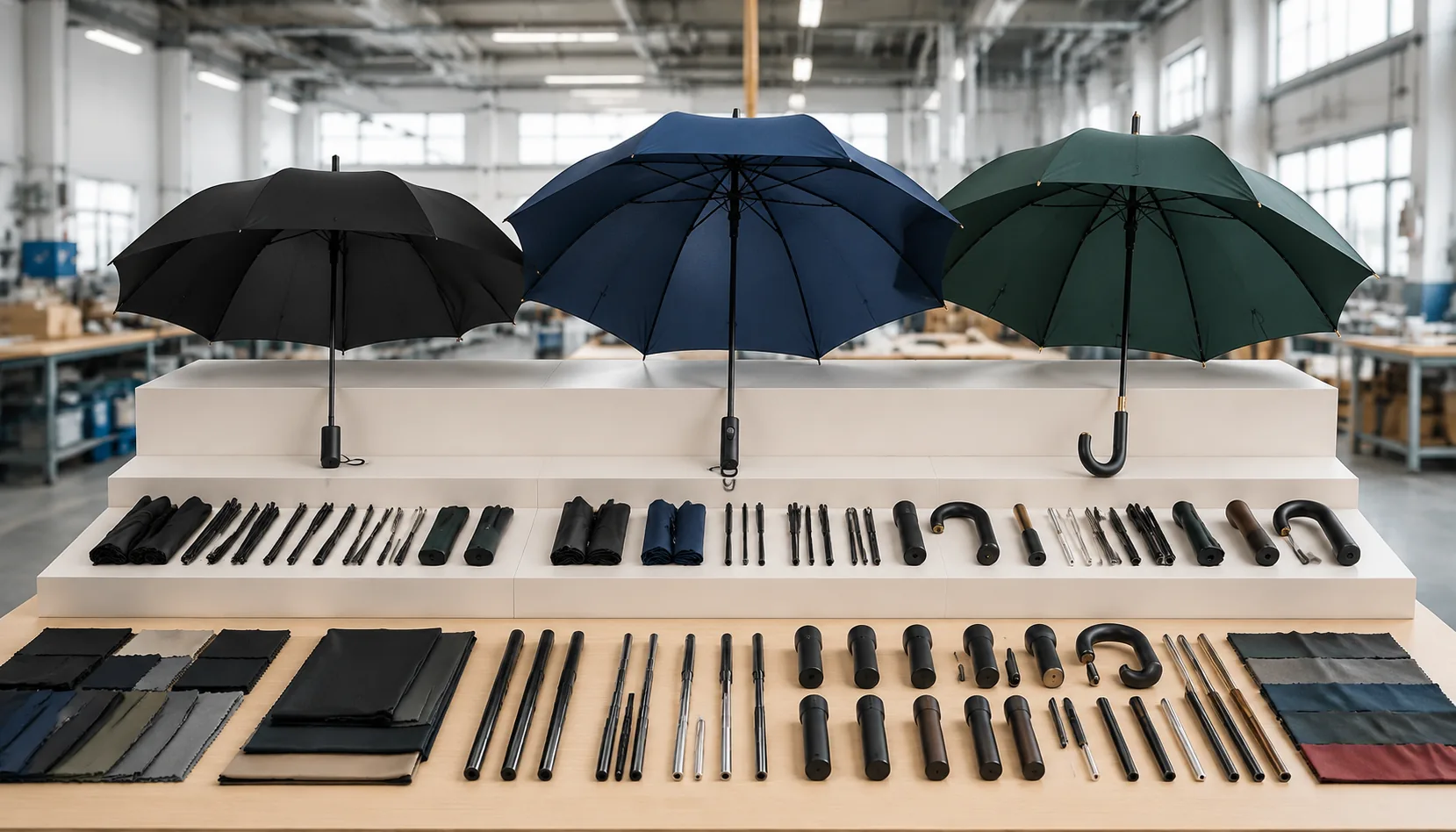
Private Label Rain Umbrellas: Good-Better-Best Specs
Build a good-better-best umbrella line with fabric, rib, mechanism, QC, MOQ, and packaging specs that fit retail price t...
Read More »Private-Label Umbrellas for Beauty Retail and Cosmetics GWP
Build umbrella gift-with-purchase and retail programs for beauty brands with premium materials, packaging specs, MOQ pla...
Read More »