Custom Umbrellas for Winery Tours and Vineyard Hospitality
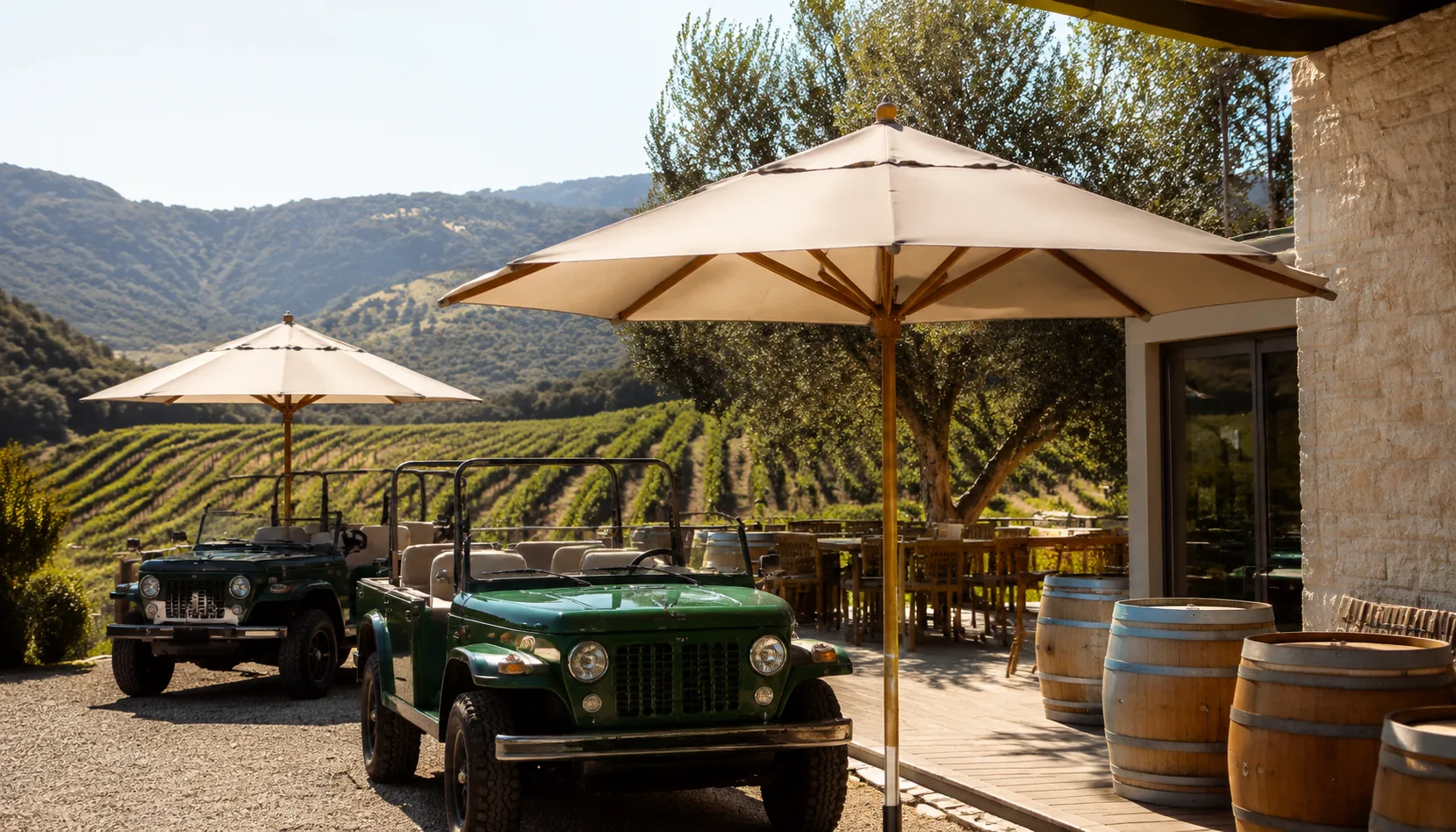
For wineries, umbrellas have to do more than keep guests dry; they need to look premium in photos, survive repeated tour use, and arrive before the tasting season or club event calendar tightens. When we build winery custom umbrellas on our Songxia factory floor, the early decisions that prevent trouble are fabric weight, UV coating, frame strength, logo position, MOQ, and a lead time that leaves room for sampling and packing control.
How Wineries Use Umbrellas Across Guest Touchpoints
The best winery custom umbrellas are not treated as giveaways; they are guest-flow equipment that happens to carry the estate’s story. On guided rows-to-barrel-room routes, vineyard tour umbrellas usually need a 27" or 30" golf profile, fiberglass ribs, and a double-canopy vent if the property gets valley gusts above 35 mph. I would avoid cheap 8K steel frames for tour use because one twisted rib in front of guests makes the brand look careless. A 190T or 210T pongee canopy with Teflon water repellency handles mist and light rain, while a UPF 50+ coating matters more for July afternoon walks than most buyers expect. For printing, winery crests, AVA maps, vine-row illustrations, or vintage-year marks work better as restrained one- or two-panel designs than full-canopy art, especially when photos are being taken during tastings.
Tasting-room loaners need different thinking than retail umbrellas. Staff need quick access near the host stand, patio doors, and parking shuttle point, so 23" auto-open models are practical when guests are carrying glasses, bottle bags, or charcuterie boards. White, cream, forest green, burgundy, and black canopies show wine branding cleanly, but I always warn buyers that pale fabric needs tighter packing and cleaner storage because cellar dust and tannin fingerprints show quickly. As tasting room promotional products, umbrellas also solve a real comfort problem: guests stay longer on terraces, move between buildings without rushing, and associate the label with a calmer visit. For outdoor pickup areas, club-release weekends, and wedding rain plans, a mixed set often works best: sturdy 30" staff umbrellas for escorts and lighter 21" compact auto-open-close umbrellas for guests to borrow or buy.
Wine club branded gifts and premium retail merchandise should be specified closer to accessory standards than event swag. A compact 21" 8K or 10K fiberglass frame with 210T pongee, matching sleeve, rubberized handle, and clean heat-transfer logo can fit into shipment boxes or member pickup bundles without feeling bulky. For estate shops, a 16K stick umbrella with wood-look crook handle, matte black shaft, and subtle woven label can retail beside corkscrews and picnic blankets at a higher margin than a basic souvenir. In hospitality umbrella sourcing, the practical checkpoints are MOQ, logo method, carton size, and inspection: our standard practice at ZheBrella is to confirm artwork placement on a pre-production sample, run AQL 2.5 inspection for frame function and print defects, and plan 25-35 days for production after sample approval, with FOB Ningbo/Shanghai or DDP options depending on the buyer’s import setup.
Choosing Specs for Sun, Rain, and Premium Feel
For winery custom umbrellas, I would start with 210T pongee before arguing about handle shape or print method. It has a tighter, smoother hand than basic 190T, drapes better over an 8K or 10K frame, and looks closer to retail merchandise than a giveaway item. For vineyard sun exposure, specify a silver or black UV coating tested to UPF 50+, not just “UV fabric” on a quote sheet. Guests standing between rows at noon feel the difference, especially during harvest-season tours where shade is part of the hospitality experience. A Teflon water-repellent finish is also worth adding because vineyard tour umbrellas need to move from dry sun to sudden rain without soaking through at the seams. For most tasting room promotional products, a 23" straight umbrella or 27" golf umbrella is the practical range: large enough for coverage, still manageable near tasting counters, shuttle vans, and outdoor terraces.
Fiberglass ribs cost more than steel ribs, but on open vineyard paths I rarely recommend all-steel frames unless the buyer is chasing the lowest unit price. Steel ribs are rigid and economical, but they deform when gusts hit across exposed rows; once bent, the canopy starts looking tired even if the fabric is still good. Fiberglass ribs flex and recover, which is why a 8K fiberglass or steel-shaft/fiberglass-rib hybrid is a better balance for hospitality umbrella sourcing. If the property gets strong afternoon winds, step up to a double-canopy vented windproof design and ask for a wind-tunnel target, such as surviving 50+ mph without rib breakage. For a premium guest experience, auto-open is fine for 23" models, while manual open is often more durable on 27" and 30" golf umbrellas used by staff, tour guides, and valet teams.
For branding, keep winery custom umbrellas restrained: one panel logo, a small sleeve mark, or tone-on-tone printing usually feels more premium than filling every panel. Screen printing works well on dark pongee for clean winery crests, while heat transfer is better for gradients or wine club artwork with small text. If the umbrella is positioned as wine club branded gifts, consider a rubber-coated crook handle, natural wood handle, or EVA grip depending on whether the brand leans heritage, modern, or outdoor-luxury. Our standard practice at ZheBrella is to confirm frame sample, fabric color lab dip, print proof, and open/close function before bulk cutting, because a small mismatch becomes expensive after 1,000 pieces. For import planning, realistic MOQs are often 300–500 units per color, with 25–35 days production after artwork approval, plus AQL 2.5 inspection before FOB Ningbo or Shanghai; DDP timelines depend heavily on carton size for 27" and 30" umbrellas.
Matching Umbrella Style to Brand Positioning
Wood-handle stick umbrellas are the right choice when the winery sells atmosphere, not just rain cover. For estate tours, wedding walkways, and tasting room entrances, a 23" or 27" manual-open stick umbrella with a curved wood handle, steel shaft, and 190T or 210T pongee canopy feels closer to a hospitality prop than a giveaway. I prefer fiberglass ribs over painted steel ribs for vineyard tour umbrellas because guests lean them against stone walls, barrel racks, and shuttle vans; chipped paint looks cheap fast. For heritage labels, stay with deep bottle green, burgundy, cream, charcoal, or navy, then match the canopy to Pantone under D65 light, not just from a screen proof. A small logo on one panel, printed with a low-sheen ink that mimics embroidery, usually looks more premium than a large white mark across two panels. Add a fabric sleeve with a woven-look label and a kraft hangtag if the umbrella will be displayed beside wine club pickup orders.
Compact travel umbrellas work better for modern tasting rooms, urban wine bars, and wine club branded gifts shipped in cartons with bottles or merchandise. A 21" auto-open-close model with 8K fiberglass ribs, black metal shaft, and Teflon-coated 210T pongee keeps the folded length near 11–12 inches, so it fits in tote bags, glove boxes, and club welcome kits without increasing freight too much. For tasting room promotional products, the mistake I see is over-branding: a compact umbrella already has less fabric area, so a full-panel logo can look like a conference freebie. Use tone-on-tone printing, a small mark on the sleeve, or a one-color logo on the closing strap. If the winery uses foil labels or embossed paper stock, we can echo that with metallic silver, muted gold, or raised silicone transfer on the sleeve rather than forcing the effect onto the canopy. For winery custom umbrellas sold retail, include a UPC hangtag, care instructions, and carton packing that protects handle finishes from scuffing.
For VIP tastings, owner dinners, resort partnerships, and high-end shuttle service, a 16K golf umbrella is the statement piece, but only if the scale matches the brand. A 30" double-canopy vented windproof umbrella with fiberglass shaft and ribs can survive 50+ mph wind-tunnel testing when the runner, tips, and sewing tension are properly controlled. The extra ribs create a rounder canopy profile, which looks excellent in photography outside rows of vines, but it also increases weight and cost; do not use it as a mass handout. In hospitality umbrella sourcing, I normally separate specs into guest-use inventory and gift inventory: guest-use umbrellas get darker canopies, reinforced tips, and numbered sleeves for housekeeping control, while gift units get cleaner packaging and better hangtags. Our standard practice at ZheBrella is to run logo strike-offs before bulk cutting, then inspect color, panel alignment, runner smoothness, and print adhesion under AQL 2.5. Well-built winery custom umbrellas should feel quiet, stable, and intentional, not like emergency rain gear.
Order Planning for Seasonal Tourism and Wine Clubs
For winery custom umbrellas, the safe ordering window is 60–90 days before the first real demand date, not before the event poster goes live. A normal program needs 5–7 days for artwork cleanup and digital mockups, 7–10 days for a pre-production sample, 25–35 days for bulk production after sample approval, 2–4 days for AQL 2.5 inspection and packing, then freight time. Air freight can land in about 5–8 days but hurts unit cost; ocean freight to the U.S. West Coast is often 18–25 days port-to-port before local delivery. If your peak period is May vineyard tours, July wedding traffic, or an October wine club shipment, build the calendar backward and include a one-week buffer for print correction or carton relabeling.
MOQ planning matters because most factories price vineyard tour umbrellas by design, not by the total umbrella count across unrelated logos. A practical starting MOQ is around 500 units per design for 23" auto-open stick umbrellas or 21" folding umbrellas with 190T or 210T pongee canopy fabric. If you want three estate labels, each with different PMS colors and canopy artwork, treat that as three production lots unless the panels share the same print screens or heat-transfer films. For hospitality umbrella sourcing, I usually push buyers toward fewer SKUs with better construction: fiberglass ribs over painted steel ribs for outdoor tasting areas, 8K or 10K frames for normal guest use, and a Teflon-coated canopy if staff will hand them out during wet tours.
Allocation should be decided before cartons are sealed, especially when umbrellas are used as tasting room promotional products and wine club branded gifts at the same time. Our standard practice at ZheBrella is to mark master cartons by destination, design, and quantity, then split-carton allocation by tasting room, hotel partner, event venue, or fulfillment center. For example, a 1,000-unit run of winery custom umbrellas might ship 300 pieces to the main tasting room, 200 to a downtown club pickup location, 350 to a 3PL for wine club inserts, and 150 held for distributor samples. That packing plan prevents staff from opening 40 cartons during crush season just to find the right logo. It also lets the forwarder quote FOB Ningbo or DDP door delivery accurately, because carton count, gross weight, and destination mix are locked before final inspection.
Inspection Standards for Guest-Facing Quality
Guest-facing quality should be inspected like a retail gift, not like a cheap rain giveaway. For winery custom umbrellas, our standard pre-shipment inspection uses AQL 2.5 for major defects and AQL 4.0 for minor cosmetic issues, with carton sampling pulled after final packing, not from a “clean” inspection table batch. On printed panels, we check logo registration against the approved artwork tolerance, usually within 2 mm for screen print and heat-transfer placement, and we reject blurred vineyard crests, broken serif lettering, pinholes in solid PMS areas, or dye migration on 190T/210T pongee. Color consistency is verified panel-to-panel and carton-to-carton under a light box, because a burgundy canopy that shifts toward purple will look wrong beside wine labels, tasting room signage, and staff uniforms.
Mechanical checks matter because vineyard tour umbrellas get opened repeatedly by guests, guides, valet staff, and tasting room hosts. Inspectors should open and close each sampled umbrella at least 5 times, confirming auto-open or auto-open-close mechanisms fire cleanly without sticking, handle buttons align, runners lock, and tips remain seated. Rib strength is checked by flexing steel, aluminum, or fiberglass ribs and confirming no cracked joints, loose rivets, bent stretchers, or weak spring tension. For larger 27-inch and 30-inch golf umbrellas, I prefer fiberglass ribs with 8K or 10K frames and a vented double canopy if the property has exposed hillsides or coastal wind; a good hospitality spec should survive 50+ mph wind-tunnel testing without inverting permanently.
Packaging inspection is where many tasting room promotional products lose their premium feel before they reach the property. Each umbrella should have a clean sleeve, correct hangtag or belly band, barcode if required, and no oil marks from frame assembly. For wine club branded gifts, we check individual polybags, desiccant use when appropriate, master carton burst strength, corner protection, and carton drop resistance so handles, ferrules, and printed sleeves do not arrive scuffed. FOB shipment still needs export cartons with clear shipping marks and balanced carton weight, usually under 15–18 kg; DDP shipment adds another layer of label accuracy, pallet condition, and final-mile handling risk. Good hospitality umbrella sourcing means the product arrives presentation-ready, not merely functional.
Frequently Asked Questions
What umbrella size is best for vineyard tours?
A 46–48 inch stick umbrella is comfortable for walking tours, while 58–62 inch golf umbrellas suit staff-led VIP groups. Fiberglass ribs are recommended for open, breezy vineyard conditions.
Can wineries create a premium wine club umbrella gift?
Yes, choose 210T pongee, UPF 50+ coating, a wood or soft-touch handle, and a printed sleeve or gift box. Build in sample approval and AQL 2.5 inspection to protect perceived value.
What umbrella specs work best for winery tours and vineyard hospitality?
Most buyers choose 23- to 27-inch golf umbrellas or compact folding styles for guest comfort and easy storage. For sunny vineyard settings, add UPF 50+ fabric, wind-resistant fiberglass ribs, and a 190T or 210T canopy for better durability.
Where should logos be placed for tasting room and wine club programs?
The most common placements are one canopy panel for subtle branding or two opposite panels for stronger visibility during tours and photos. Many buyers also add a logo to the sleeve or tie strap for retail gift presentation.
What MOQ and lead time should a winery buyer plan for?
For OEM/ODM umbrella programs, MOQ is often 300-1,000 pieces depending on model, fabric, and print method. Typical lead time is about 30-45 days after sample approval, plus extra time for freight if you need seasonal inventory.
Looking to Launch Your Custom Umbrella Line?
ZheBrella is a Zhejiang-based OEM/ODM umbrella manufacturer with 17 years of export experience. Free design, low MOQ from 100 pieces, windproof construction, full-color print.
Get Free Quote Now »People Also Search For
Related Articles
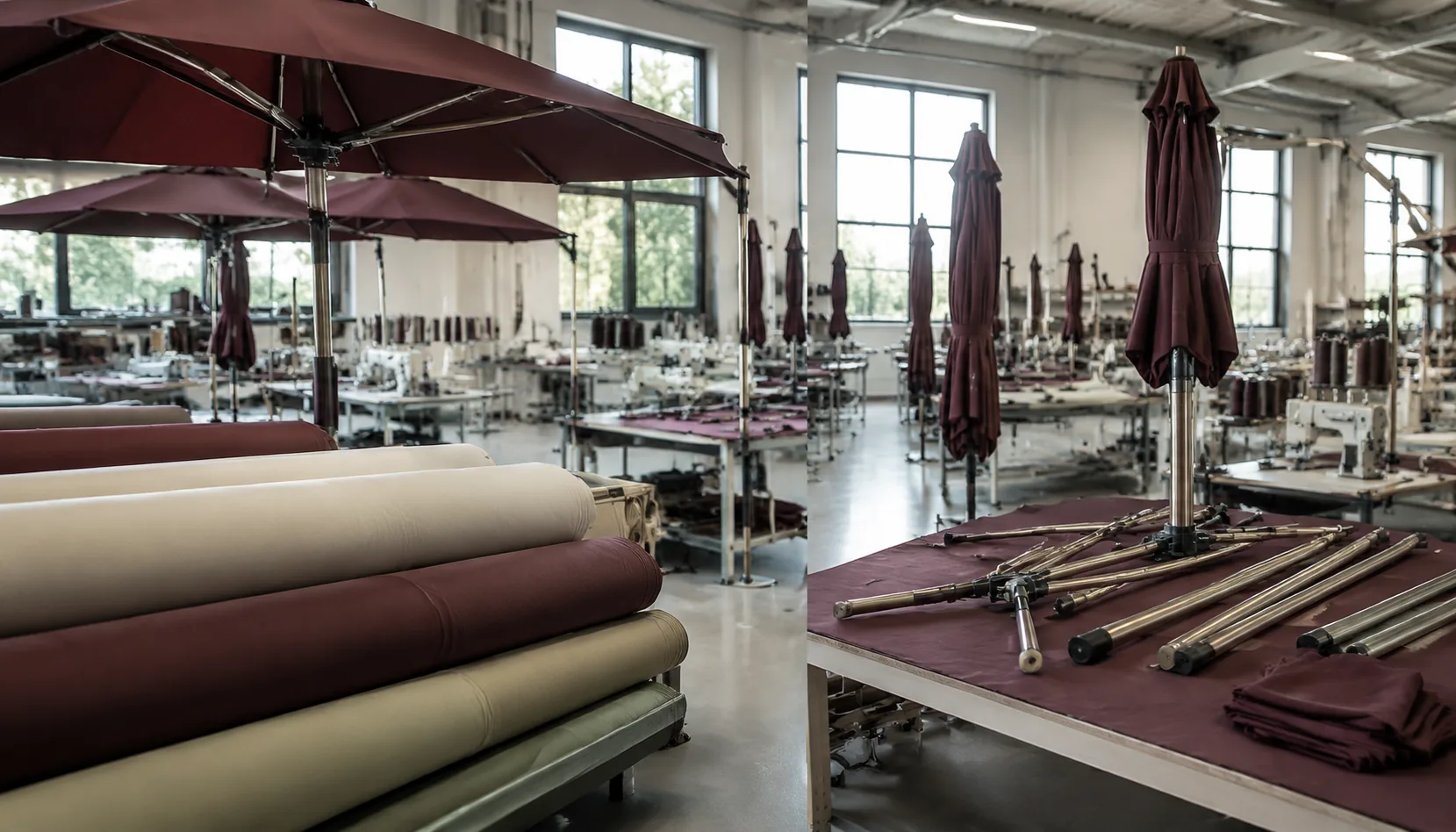
Custom Umbrellas for Wineries and Vineyard Hospitality
Build winery umbrella programs for tasting rooms, wine clubs, and vineyard tours with durable specs, premium branding, a...
Read More »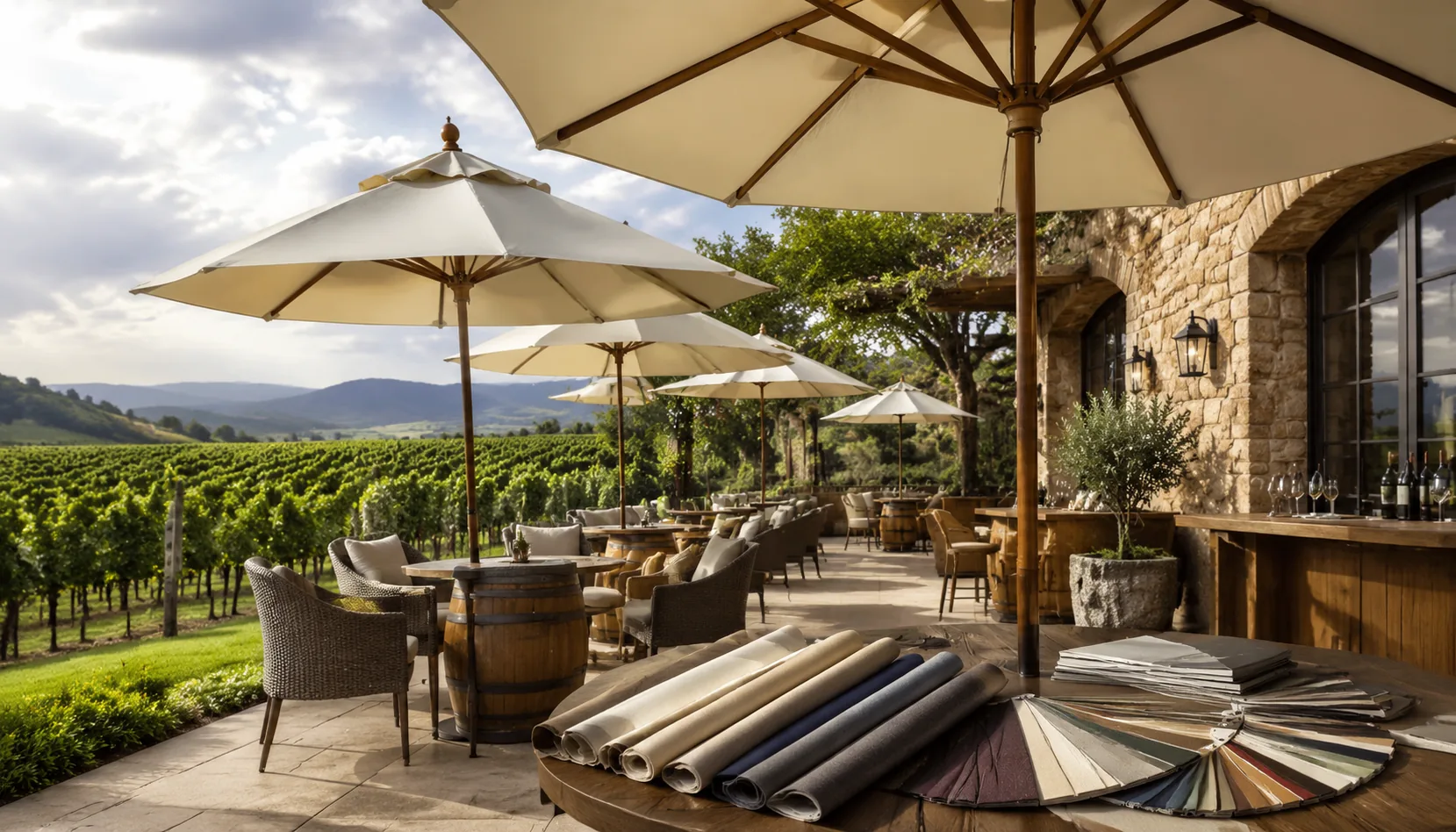
Custom Umbrella Programs for Wineries and Outdoor Tastings
Build winery umbrella programs for tasting rooms, wine clubs, and outdoor events with specs that balance shade, rain cov...
Read More »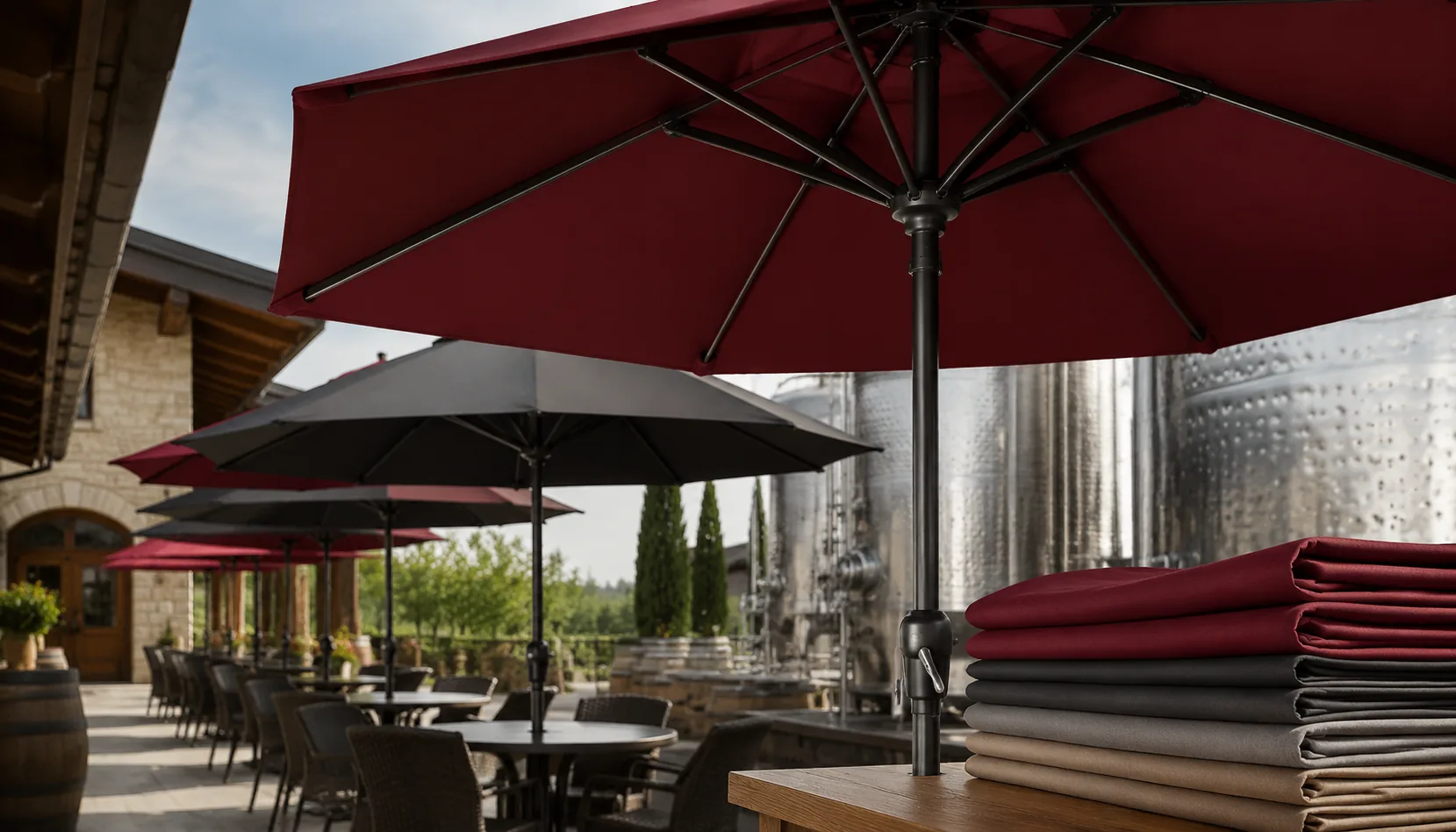
Custom Umbrellas for Wineries, Breweries, and Tasting Rooms
Build umbrella programs for wineries and breweries, covering tasting room retail, vineyard tours, patio shade, specs, MO...
Read More »