Hotel Guest Umbrellas: Buyer Guide for Hospitality Programs
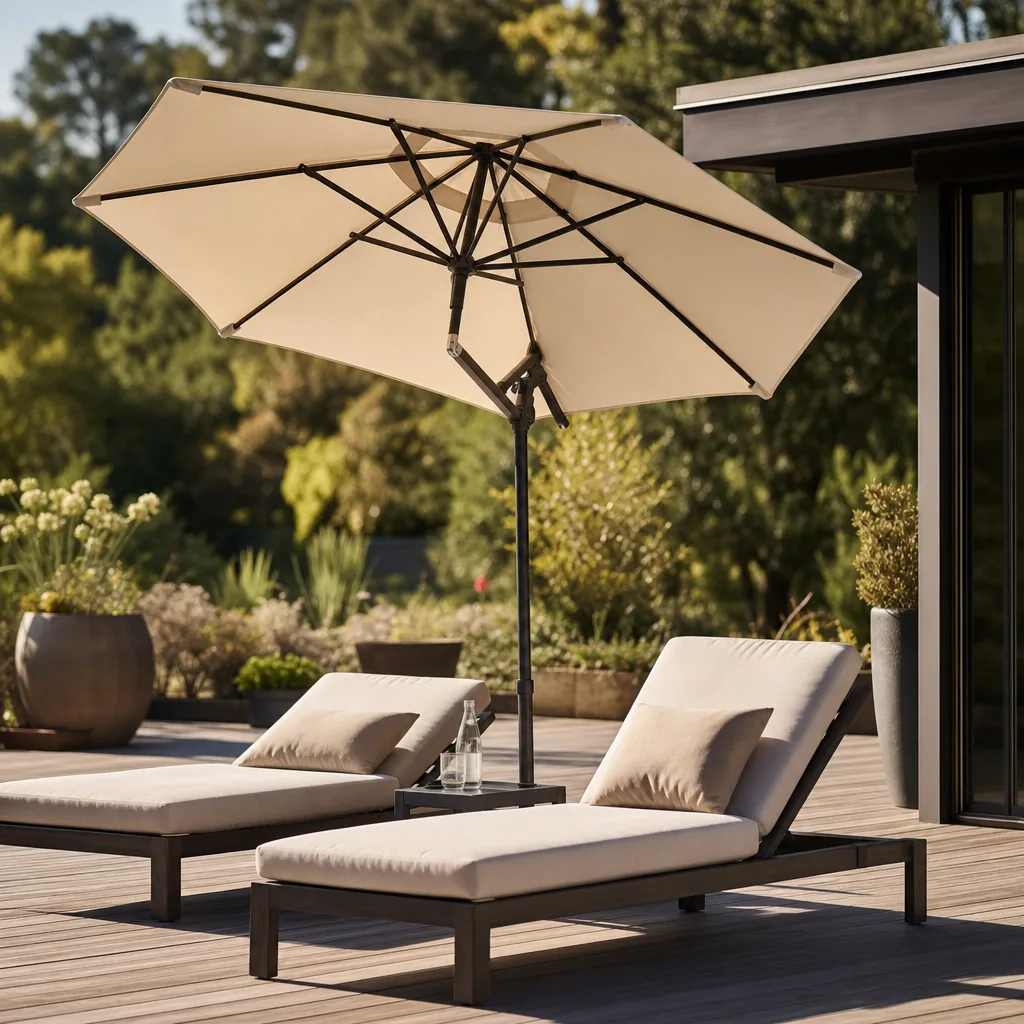
For hotels, hotel guest umbrellas are not a giveaway item; they are a visible service tool that gets opened in wind, returned wet to the lobby, stacked in stands, and judged immediately by guests. On the factory floor, the details that decide whether a program feels premium or becomes a replacement headache are practical: canopy size, rib strength, handle finish, logo placement, drying storage, order quantity, and inspection standards before packing.
Define the Hotel Use Case Before Choosing a Model
Define the operating model before choosing color, because hotel guest umbrellas in a lobby rack, guestroom, valet stand, or VIP box carry different cost, durability, and loss assumptions. Lobby loaners see the highest abuse: wet rack storage, forced runners, repeated opening, curbside wind, and steady theft. For an umbrella loaner program, specify a 23" or 27" straight umbrella with fiberglass ribs, auto-open shaft, J-handle or EVA straight handle, and 190T or 210T pongee with a one-panel logo. An 8K steel frame can reduce unit cost, but a 10K or 16K fiberglass frame is safer where guests regularly face 30-40 mph gusts. Keep branding visible enough to encourage return behavior, but avoid premium packaging or gift-level finishes that make branded hotel umbrellas look like free merchandise.
In-room retail umbrellas must fit housekeeping workflow and support the shelf price. A 21" compact auto-open-close model with pongee canopy, rubberized handle, sleeve, barcode tag, and hang loop stores better in a wardrobe, drawer, or amenity shelf than a full-length stick umbrella. For boutique, resort, or higher-ADR properties, improve perceived value with a wooden handle, matte black shaft, woven label, and rigid kraft or printed sleeve before upgrading the frame. For OEM hotel umbrellas, approve packaging only after setting the theft assumption, retail price, replenishment cadence, and whether the item is sold or complimentary. A premium gift box raises landed cost quickly if guests treat the umbrella as a free amenity.
Valet and doorman umbrellas need coverage and control, not retail packaging. Specify a 27" or 30" golf-style umbrella with double-canopy venting, fiberglass shaft and ribs, and a non-slip straight handle so staff can cover both guest and door area while managing luggage or vehicle doors. For exposed entrances, require controlled wind testing with a 50+ mph target and inspect bulk shipments to AQL 2.5 for frame function, stitching, print registration, runner operation, and tip security. VIP gifting sits at the opposite end: lower use frequency, lower abuse, and higher brand scrutiny. A hospitality umbrella supplier should separate loaner, valet, retail, and VIP SKUs by MOQ, FOB or DDP delivery plan, and lead time; a 500-piece loaner rack may ship in 25-35 days, while a boxed VIP program usually needs longer sample approval and tighter color matching.
Choose the Right Size, Rib Count, and Frame
Match umbrella size to the handoff point before choosing artwork or handle style. A 23 inch stick umbrella is the practical baseline for lobby loaner racks because it fits elevators, coat closets, and guest-room returns, but it is a one-person canopy in heavy rain. A 25 inch guest umbrella is the better default for most hotel guest umbrellas: it gives noticeably more shoulder coverage without becoming awkward at reception desks or in storage. Use 27 inch models selectively for valet stands, porte-cocheres, and staff escorts, where the wider canopy protects luggage, formalwear, and the associate walking beside the guest. Do not standardize 27 inch across the whole property unless the rack depth, back-of-house storage, replacement budget, and checkout process can support the added freight volume and weight. For an umbrella loaner program, decide upfront whether returns are tracked by room number, deposit, or staff log; that operating choice affects loss rate as much as frame specification.
Treat rib count as a cost-and-risk decision, not a standalone quality claim. An 8K frame is lighter, less expensive, and usually adequate for indoor storage, lobby handout, and moderate urban use. A 16K frame spreads wind load across more ribs and gives branded hotel umbrellas a more premium appearance, but it also adds parts, weight, and failure points if the joints, runner, and shaft are not upgraded. Fiberglass ribs are the better choice for exposed entrances because they flex under gusts instead of taking a permanent bend; steel ribs can work for lower-cost guest borrowing programs where umbrellas spend most of their life indoors. For open streets, coastal properties, and high-rise downdrafts, specify fiberglass ribs, a matched shaft wall and runner, reinforced rib connectors, and a vented double-canopy construction rather than simply paying for more ribs.
For wind exposure, canopy design determines whether the frame survives repeated wet handling. A double-canopy vent releases pressure during gusts, reducing inversion and stress on the runner, tips, and rib joints. A well-built 25 or 27 inch fiberglass stick umbrella with a vented 210T pongee canopy can pass repeated 40 to 50+ mph wind-tunnel cycles when the spring, shaft wall, and connectors are engineered as a set. Manual open remains the durable choice for valet use because staff cycle umbrellas all day in rain; auto-open is acceptable for guest lending, while auto-open-close mechanisms are better reserved for compact travel umbrellas, not full-size OEM hotel umbrellas in high-frequency service. A capable hospitality umbrella supplier should flag mismatched builds early, including heavy oversized handles on thin shafts, dense logo prints that stiffen one canopy panel, or premium 16K rib counts paired with low-grade steel components.
Canopy Fabric, Color, and Logo Placement
For hotel guest umbrellas, specify canopy fabric for both rain performance and housekeeping abuse. Use 190T pongee as the minimum daily-rain fabric; move to 210T pongee for year-round loaner programs handled by valet, bell, and front desk teams. The tighter 210T weave resists pinholing better, wrinkles less after repeated wet-dry cycles, and gives cleaner edges on white, metallic, or PMS-matched logos. With a standard water-repellent finish, it also sheds faster, reducing drip time in lobby stands and guest-room closets. Avoid low-cost polyester taffeta for resort or four-star programs: it scuffs sooner, prints less sharply, and can look worn after one monsoon season. For beach, pool, and high-UV properties, add a true UPF 50+ coating on 190T or 210T pongee instead of assuming rain fabric provides sun protection.
Choose canopy color like an operations manager, not a brand deck. Black, navy, charcoal, and deep forest hide luggage transfer, elevator grease, hand marks, and housekeeping-cart wear far better than beige, white, or pastel canopies. Dark dyes should be checked for crocking and color migration before bulk cutting, especially where staff wear white uniforms or umbrellas return wet. For branded hotel umbrellas, start with one exterior panel for the master logo; use two opposite panels only when arrival photos or porte-cochere visibility justify the extra print cost. Screen printing fits simple 1- to 2-color marks on dark pongee. Heat transfer is better for fine lines, gradients, or color-sensitive artwork on lighter canopies. Tone-on-tone logos, such as matte black on black 210T or gloss navy on navy, keep the umbrella upscale without turning it into a promotional giveaway.
Sleeve branding is a practical control point in an umbrella loaner program because staff see the sleeve in storage, housekeeping carts, and lost-and-found more often than they inspect the canopy. Use a woven label, printed strap, or small sleeve logo to identify department ownership without enlarging the exterior mark. When sourcing OEM hotel umbrellas through a hospitality umbrella supplier, request a print map for each size: 21 inch compact, 23 inch guest-room umbrella, 27 inch golf format, and 30 inch doorman style. The same logo rarely scales cleanly across all formats. On 8K and 10K frames, keep artwork inside the safe print zone so seams, rib shadows, and panel curvature do not distort letterforms. If theft control matters, pair subtle exterior branding with a clearer interior or sleeve mark so the unit stays guest-appropriate but remains identifiable as hotel property.
Operational Details: Storage, Tracking, and Replacement
Treat storage as an operating control, not lobby decoration. For hotel guest umbrellas, specify a ventilated stand with drainage before choosing finishes: 12 to 24 slots for boutique properties, 40 to 80 slots for resorts, conference hotels, or entrances with event traffic. Avoid closed cabinets for wet returns; 190T pongee and heavier 210T polyester can develop odor within two days if packed without airflow. Open-top stainless stands, powder-coated steel racks, and wood-front cabinets with removable drip trays give housekeeping a wipeable system and reduce water on lobby floors. Keep a back-of-house reserve at the front desk or concierge equal to 20% to 30% of lobby stock so a rain rush does not empty the public display. Standardize handle and sleeve specs across the program, whether J-handle, straight EVA grip, or rubberized auto-open handle. Consistent specs help staff spot missing sleeves, mismatched returns, and non-program umbrellas while keeping the lobby presentation uniform.
Use tracking that front desk staff can maintain during check-in pressure. Numbered sleeves are the baseline: print or weave the number on the sleeve tag, then match it to a log sheet, PMS note, QR code, or barcode record. Woven labels outlast printed satin labels on branded hotel umbrellas because sleeves rub against stands, luggage, and wet hands. For higher-value OEM hotel umbrellas, add a barcode sticker under the handle cap or on the shaft near the runner; avoid the canopy, where water, folding tension, and guest handling break down adhesive. A workable umbrella loaner program records room number, issue time, umbrella number, and return status. Deposits only make sense if the property already uses them for adapters, power banks, or other loaned items. Black sleeves disappear fastest in practice; numbered navy, charcoal, or brand-color sleeves return better because guests read them as hotel property, not generic personal gear.
Build replacement planning into the first purchase order, not after stock starts disappearing. City hotels should budget annual loss and damage at 15% to 25% of deployed stock; beachfront resorts, golf properties, and event-heavy hotels should plan closer to 30% because wind exposure and guest carry-off are higher. A hospitality umbrella supplier should retain the handle mold, sleeve fabric, label artwork, rib count, canopy color standard, mechanism, and inspection criteria so replenishment batches match the original program. ZheBrella keeps a production file with Pantone color, canopy fabric such as 190T pongee with Teflon coating, frame spec such as 8K fiberglass ribs or 10K steel/fiberglass hybrid, mechanism type, and AQL 2.5 inspection notes. If the original order used 23-inch auto-open hotel guest umbrellas, do not mix in 21-inch compact or 27-inch golf sizes unless the stand layout and sleeve numbering plan also change. Typical replenishment lead time is 20 to 35 days FOB, with longer timing for DDP shipments or custom woven sleeves.
Commercial Specs, Inspection, and Delivery Terms
Lock the PO before artwork release, and write specs at SKU level. For hotel guest umbrellas, list MOQ by canopy color and frame construction instead of one total unit count: 300–500 pieces per Pantone color is a practical starting range for a standard 23-inch or 27-inch straight umbrella, while 1,000 pieces is more realistic if you add a custom-molded handle or nonstandard shaft plating. If the program covers both lobby loaners and VIP-room placement, state whether all SKUs use the same frame, because fiberglass ribs, steel stretchers, and auto-open runners change unit cost, carton weight, spare-part risk, and replenishment planning immediately. Require signed sample approval in three stages—canopy color, logo size and placement, and construction sample—and keep a sealed golden sample for repeat orders. For OEM hotel umbrellas, attach a tolerance sheet with canopy diameter, total length, and logo position in millimeters so later production does not drift.
Set delivery terms with the same precision. Count bulk lead time from approved sample and deposit, not from PO date: plain-stock assembly with a one-color screen print typically runs 25–35 days, while branded hotel umbrellas with Pantone-dyed fabric, woven labels, or molded handle badges usually take 35–50 days, with longer timing during peak rainy-season production. Fix the Incoterm on the PO—FOB Ningbo if the buyer controls freight, or DDP if a multi-property group wants customs, duty, and final-mile delivery included. Lock carton quantity as well, because it affects freight efficiency, damage rates, and receiving labor: 24 or 36 pieces per export carton is typical for straight umbrellas, while compact auto-open-close styles often pack 48 pieces per carton. For an umbrella loaner program, specify outer-carton marks by color, property code, and replenishment lot so hotel staff can count stock without opening every case.
Inspection terms must be measurable, not generic. Use AQL 2.5 as the pre-shipment standard for major defects and attach a checklist covering open-close testing, rib alignment, print registration, canopy sewing, ferrule finish, and handle pull strength. A practical protocol is 20–50 continuous open-close cycles per sampled umbrella on both manual and auto-open frames, with tighter review on auto-open-close mechanisms because low-grade runners show spring fatigue early. Check rib alignment at the top notch and runner; if the frame does not seat square, the canopy tracks crooked and performs poorly in wind. Confirm print registration panel to panel, especially on 8K and 10K canopies with large logos near seams, where a 3–5 mm shift is visible. Define a pass/fail handle pull-strength test as well so bonded or pinned handles do not loosen during repeated front-desk circulation. That is how a hospitality umbrella supplier reduces claims before shipment instead of arguing over them after delivery.
Frequently Asked Questions
What umbrella size works best for hotel guest loaner programs?
A 23 inch or 25 inch straight umbrella is common because it balances coverage, storage, and cost. Hotels with valet service or frequent heavy rain may choose 27 inch models for better guest coverage.
Should hotels choose manual or auto-open umbrellas?
Auto-open umbrellas feel more convenient for guests but require stronger mechanism QC. Manual stick umbrellas are simpler, often more durable, and easier to maintain in high-turnover loaner programs.
What size umbrella works best for a hotel guest loaner program?
Most hotels use 27-inch or 30-inch stick umbrellas because they cover one to two guests and look premium at the lobby entrance. Compact folding umbrellas are easier to store, but they are more likely to be lost or damaged in daily guest use.
What MOQ should hotels expect for custom branded guest umbrellas?
For OEM hotel umbrellas, a practical MOQ is usually 300-500 pieces for standard logo printing and 1,000 pieces or more for custom canopy colors, handles, or packaging. Larger orders usually lower the unit cost and make replacement stock easier to manage.
What QC points matter most for hotel umbrella programs?
Buyers should check frame strength, rib material, opening mechanism, fabric water repellency, logo print adhesion, and handle durability. For hospitality use, request pre-production samples and an AQL inspection before shipment, especially for repeat lobby loaner programs.
Looking to Launch Your Custom Umbrella Line?
ZheBrella is a Zhejiang-based OEM/ODM umbrella manufacturer with 17 years of export experience. Free design, low MOQ from 100 pieces, windproof construction, full-color print.
Get Free Quote Now »People Also Search For
Related Articles
Hotel Guest Umbrellas: Specs for Loaner and Retail Programs
Plan hotel guest umbrellas for loaner, concierge, and retail use with durable frames, branding, packaging, QC, MOQ, and ...
Read More »
Hotel Guest Room Umbrellas: Buyer Spec Guide for Brands
Plan hotel guest umbrellas with durable frames, branded canopies, room-ready packaging, AQL 2.5 inspection, MOQ planning...
Read More »
Hotel Guest Umbrellas: Buyer Guide for Durable Loaner Programs
Specify hotel guest umbrellas with durable ribs, 190T/210T pongee, logo placement, QC checks, MOQ, lead time, and FOB/DD...
Read More »