Kitting Branded Umbrellas With Gift Items for Corporate Orders
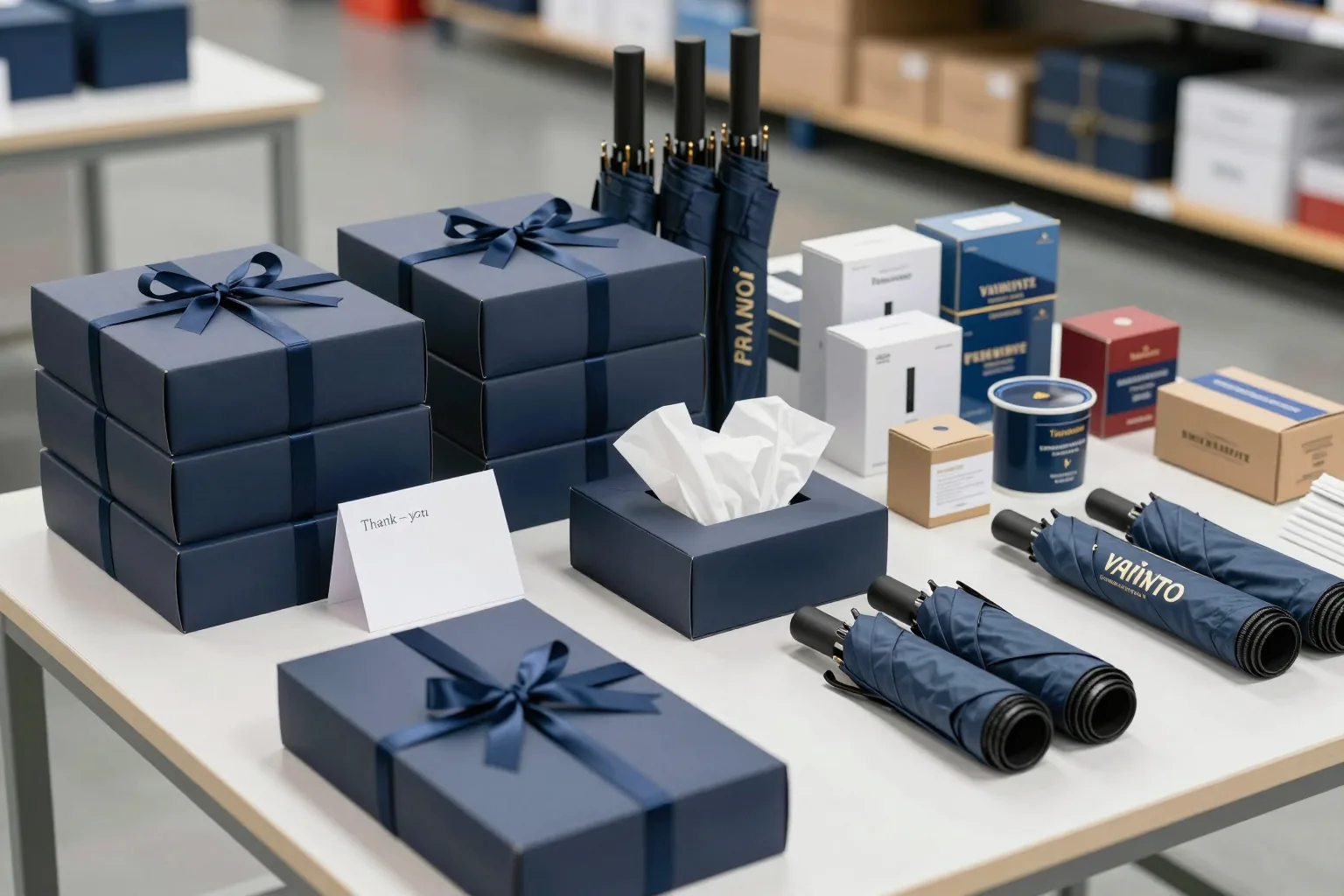
When a corporate buyer orders branded umbrellas bundled with gift inserts—a pen, a notebook, a logoed pouch—the real work starts after the artwork is approved: kitting. Without a tight assembly flow, mismatched inserts or packaging delays can derail a polished umbrella gift set kitting program before it reaches the client. At ZheBrella, we see this every season in Songxia, and the fix is disciplined staging, clear MOQ planning, and on-line QC at every merge point.
When Umbrella Kitting Makes Sense for Corporate Programs
Corporate umbrella kitting makes sense when the order moves past a single branded umbrella plus a card. A simple umbrella-and-card pack is one SKU, one insert, and one carton plan. True umbrella gift set kitting begins when the program adds separately sourced items that need matched artwork, coordinated pack order, and inspection at the kit level. That is the right structure for employee onboarding boxes, VIP mailers, conference gifts, and seasonal client campaigns. Common examples include a 27" auto-open umbrella paired with a stainless steel tumbler and welcome note, or a 21" travel umbrella bundled with a power bank and QR-coded lanyard. Once the buyer is coordinating multiple suppliers or mixed packaging formats, the purchase is no longer just a product order; it becomes corporate umbrella kitting with sourcing and assembly built into the scope.
Complexity drives both cost and risk. A 30" double-canopy windproof umbrella in a holiday mailer needs different carton sizing and insert protection than a 23" folding umbrella in a conference pack, and the kit-level labor has to account for every component. That is why the MOQ for kitting is usually higher than for a standalone umbrella, often 500 to 1,000 sets, because component procurement and assembly labor must be balanced across the full run. Buyers should also specify final inspection AQL 2.5 on the completed set, not only on the umbrella, since defects often show up at the kit level: a scratched tumbler, a missing insert, or a logo mismatch. Clear instructions on sourcing, pack order, and carton layout reduce rework, freight surprises, and schedule slip.
The value of umbrella gift set kitting is control over presentation, lead time, and landed cost. A branded umbrella and tumbler set feels premium only when the umbrella is packed correctly, the note is placed first, and the outer carton keeps every imprint face aligned. Pricing is easier when kit contents are fixed before production and the buyer chooses FOB or DDP terms up front. For a 2,000-unit sales kickoff or year-end client campaign, the added cost of assembly and a second inspection is usually lower than the cost of damaged presentation, missing inserts, or returns after delivery. The practical rule is simple: if the order requires separate sourcing, branded gift set assembly, and inspection, it belongs in kitting; if it is only an umbrella plus a card, it does not.
Choosing Umbrella Specs That Fit the Gift Set Format
The carton has to match the umbrella geometry first, because box size, insert design, and freight cost all move with the format. A 21" or 23" folding umbrella fits a molded pulp tray or partitioned paperboard insert that locks the shaft, protects the runner, and leaves clearance for an auto-open button. That makes umbrella gift set kitting practical for mailers, low-cost retail packs, and any program where carton weight and parcel dimensions drive margin. A straight umbrella needs a longer side channel and usually a separate sleeve or pocket for a tumbler or small accessory. A 27" golf umbrella raises gross weight and pallet height enough to reduce pallet density, so it makes sense only when the presentation matters more than shipping efficiency. In corporate umbrella kitting, that choice is usually tied to the target gift value, not the umbrella alone.
Spec selection also sets the price tier. Fiberglass ribs with 190T pongee support a budget build because they keep weight and material cost down, while steel ribs with 210T pongee push the set toward a more premium feel and better print hold. An 8K frame reads simpler and lower cost; a 16K frame creates a denser canopy profile that looks more executive in the box. POE or PVC canopy materials can work for certain promotional briefs, but pongee is still the safer default for branded gift set assembly when hand feel and decoration quality matter. If the umbrella includes auto-open, the insert must leave enough clearance for the button and spring assembly so the lid does not press on the canopy during transit.
For an umbrella and tumbler set, the divider has to isolate the tumbler body and lid so powder-coated metal does not scuff the canopy print or crush the box wall. That is also where MOQ for kitting tends to rise, because carton printing, insert tooling, and hand assembly all need enough volume to spread the setup cost across the run. Buyers should confirm the final packout before artwork approval, then lock the box dimensions, finished weight, and assembly sequence before production starts. A pre-production carton mockup is the cleanest way to catch fit issues early. Final inspection AQL 2.5 should cover the packed unit, not just the umbrella, because crushed trays, loose lids, and mis-folded canopies are the defects that reach the customer.
Insert Engineering and Presentation Details
In umbrella gift set kitting, the insert has to control both motion and presentation. EVA and die-cut foam work best when you need a snug pocket for an auto-open umbrella in 21", 23", or 27" sizes, while cardboard dividers are better for separating notebooks, cables, and other flat accessories. Molded pulp is the stronger choice for parcel shipping because it spreads compression across the carton instead of letting one corner crush the pack. For an umbrella and tumbler set, use a rigid divider with a shaped bottle cradle so the tumbler shoulder, umbrella shaft, and tip cover never share the same load point. Keep enough clearance at the runner and ferrule to stop rubbing, but not so much that the shaft rattles during courier handling.
Presentation details should be fixed in the pack-out spec, not left to the packer. Keep every handle oriented the same way, lay the strap flat, and face the logo panel upward or outward so the first view is clean branding, not a seam, tie band, or folded edge. Lock the canopy tie before boxing so it cannot loosen and mark a pongee 190T or 210T canopy in transit. If the kit includes a notebook, power bank, or cable pack, give each hard edge its own pocket or spacer so it does not press into the umbrella canopy or dent a tumbler lid. This is where umbrella gift set kitting saves cost: a stable insert reduces rework, lowers damage claims, and keeps the same presentation standard across branded gift set assembly for courier cartons and master shipping cases.
For corporate umbrella kitting, the insert drawing should be treated like an engineering spec. Define pocket depth, divider thickness, and headspace before production, then sample-pack the full set and verify fit under final inspection AQL 2.5. Check for loose inserts, upside-down print, torn partitions, exposed corners, and any contact point that can scuff a Teflon-coated canopy or deform the carton during parcel shipping. The right layout protects both the umbrella and the secondary item, whether the pack includes a notebook, bottle, or tech accessory, and it keeps MOQ for kitting practical because one validated insert can support multiple gift combinations without changing the outer box.
Assembly Workflow, Lead Times, and Cost Control
For umbrella gift set kitting, the first decision is whether the factory sources every component or the customer nominates outside items. Factory-sourced pieces such as the umbrella, tumbler, notebook, sleeve, and insert card are easier to control because print approval, carton counts, and pack sequence can be locked before production. Customer-nominated components add receiving labor and schedule risk: every carton needs count verification, transit-damage checks, SKU labeling, and storage space before the line can release material to assembly. That matters most for umbrella gift set kitting because one late carton can stop the full order, even when the umbrellas are already finished. The cleanest workflow is to approve the umbrella spec, gift-item spec, and artwork first, then freeze the pack-out rule for each set so the kitting team is not deciding carton content on the floor. For an umbrella and tumbler set, the tumbler usually drives the schedule because outside print, coating, or packing damage creates more exceptions than the umbrella canopy or sleeve.
A realistic plan starts with sample approval, then component arrival, then assembly. Sample confirmation usually takes 5 to 7 days after artwork signoff; factory-sourced items can move directly into the production queue, while customer-nominated goods commonly need 10 to 20 days to arrive, depending on whether they are local or imported. Once all parts are on site, assembly usually takes 3 to 6 days for a normal batch, but only if the carton spec is fixed early. Divider count, tissue, hangtag, sleeve style, and master carton size all change labor minutes per set and affect damage risk in transit. Corporate umbrella kitting is most stable when the approved sample matches the incoming goods exactly, because late changes to the tumbler, card, or sleeve usually delay shipment more than the umbrella itself. Under FOB, the factory can hand off earlier at the port; under DDP, the schedule needs more buffer because inland delivery, customs coordination, and final drop-off stay on one timeline.
Cost control comes down to MOQ for kitting, batch size, and how much exception handling the order creates. Small mixed-component runs cost more per set because workers pause to count, match labels, and correct mismatched accessories; larger runs let the factory pre-stage cartons, kit in batches, and keep final inspection AQL 2.5 focused on quality instead of sorting. The release rule should stay strict: do not start assembly until every component has been received, verified, and matched to the approved sample. That rule is especially important when the customer nominates outside items, because one missing carton can delay the entire container and add storage cost while the line waits. For FOB orders, the factory scope ends at export handoff; for DDP orders, the factory needs extra lead time and tighter coordination because the delivery chain stays open longer. In practice, a well-managed umbrella gift set kitting order should lock samples first, confirm incoming goods second, and schedule assembly only after all parts are in house.
Quality Control for Multi-Item Umbrella Kits
For umbrella gift set kitting—e.g., a 23" auto-open umbrella, stainless steel tumbler, and branded lanyard—barcode mismatch and count error are the top risks, not umbrella quality. ZheBrella isolates multi-item kits in a dedicated cell: each component is barcode-scanned at the station, and the sealed kit is re-scanned against the packing list. A 100% count check is enforced before carton closure; if the PO specifies an outer-carton barcode, a second operator verifies that label. No shortcuts.
Cosmetic inspection for kitted items is stricter than for bulk loose umbrellas. Under 500 lux lighting, line inspectors check each umbrella for fabric pulls, crooked seams, and print registration errors. Gift items—tumblers, notebooks, power banks—follow the same standard: no visible scratches, off-color printing, or loose threads. Every umbrella undergoes a full functional test: open and close three times, verify auto-open button response, and confirm the fiberglass shaft has no wobble. Only after passing is it paired with the gift item.
Final inspection for corporate umbrella kitting follows AQL 2.5 (major defects) per ANSI/ASQ Z1.4. We randomly pull sealed kits, open them, and verify barcode match, item count, cosmetic condition of all components, and umbrella functionality. If the kit includes a tumbler, we perform a quick leak test on the sample. Carton drop testing is mandatory: a 24-inch drop onto concrete on each face, edge, and corner. A failed drop triggers inner packaging redesign. Buyers who skip this step often discover crushed umbrellas or shattered tumblers at destination. Standard MOQ for kitting: 500 sets; 25-day lead time for first-time designs. Final inspection reports shared within 48 hours.
Frequently Asked Questions
Can one factory assemble umbrella gift sets with outside-sourced items?
Yes, but buyers should confirm receiving procedures, storage limits, liability for shortages, and who performs incoming inspection. Kitting with customer-supplied items usually requires earlier component arrival to protect the production schedule.
What is the main risk in multi-item umbrella gift sets?
The biggest risk is schedule slippage caused by one late component, followed by packing errors during assembly. A pre-kitting checklist, approved insert sample, and final AQL 2.5 inspection help reduce both issues.
What should be confirmed before combining umbrellas with tumblers or notebooks in one gift set?
Confirm the finished gift box size, total packed weight, item orientation, and whether each item needs a polybag, divider, or molded insert. For bulk export cartons, buyers should also verify drop-test requirements and carton weight limits, often kept under 15-20 kg per master carton depending on the shipping method.
What MOQ is practical for custom umbrella gift-set kitting?
A practical MOQ is often 500-1,000 sets when custom inserts, printed sleeves, or gift boxes are included, but the exact threshold depends on box tooling, print setup, and accessory sourcing. Buyers should ask for separate MOQs for the umbrella, packaging, and any third-party gift item.
How is AQL 2.5 applied to a kitted corporate umbrella order?
AQL 2.5 is commonly used for major defects during final inspection, such as wrong logo placement, missing inserts, damaged boxes, or mismatched gift items. The inspection should check both the umbrella quality and the completed kit against the approved packing sample before shipment release.
Looking to Launch Your Custom Umbrella Line?
ZheBrella is a Zhejiang-based OEM/ODM umbrella manufacturer with 17 years of export experience. Free design, low MOQ from 100 pieces, windproof construction, full-color print.
Get Free Quote Now »People Also Search For
Related Articles
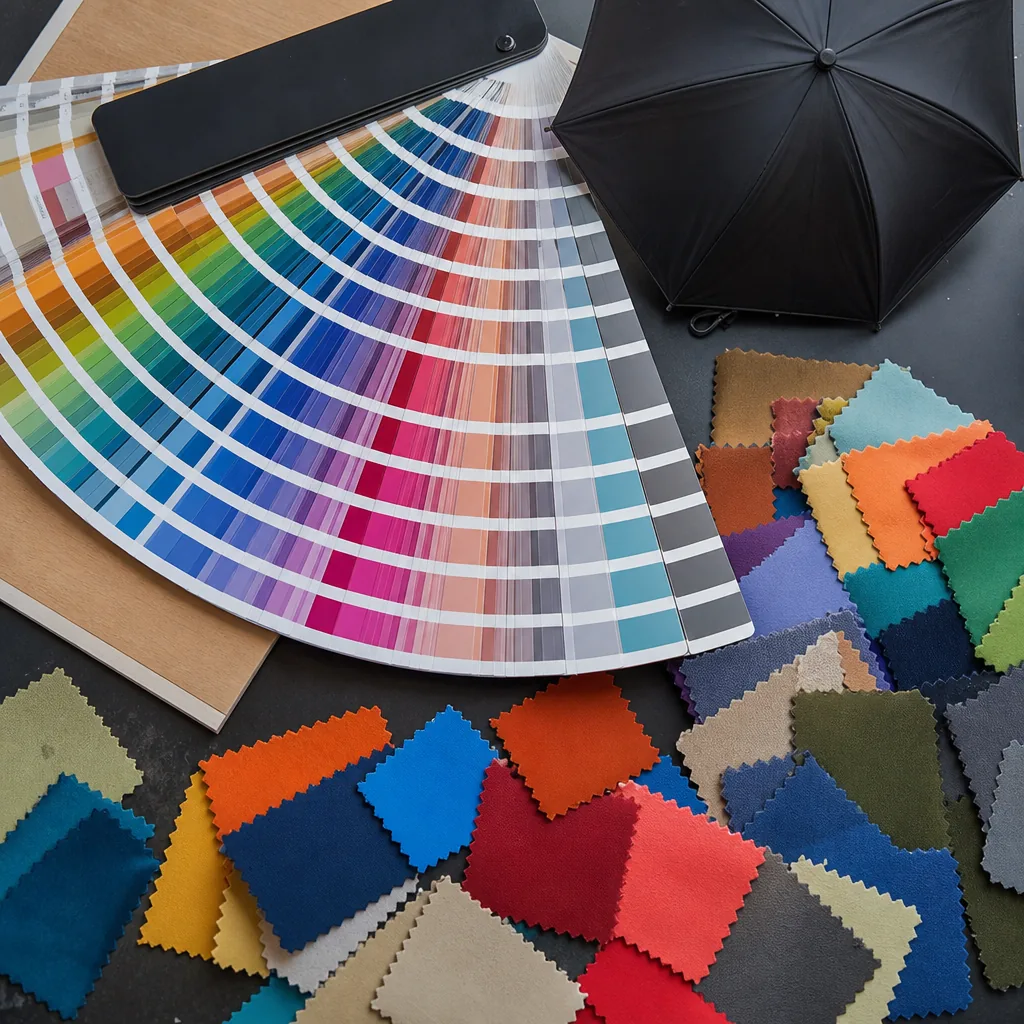
Custom Umbrella Kitting for Corporate Gifting Programs
Plan umbrella kitting for corporate gifts with insert options, MOQ guidance, QC checkpoints, and lead times for bulk FOB...
Read More »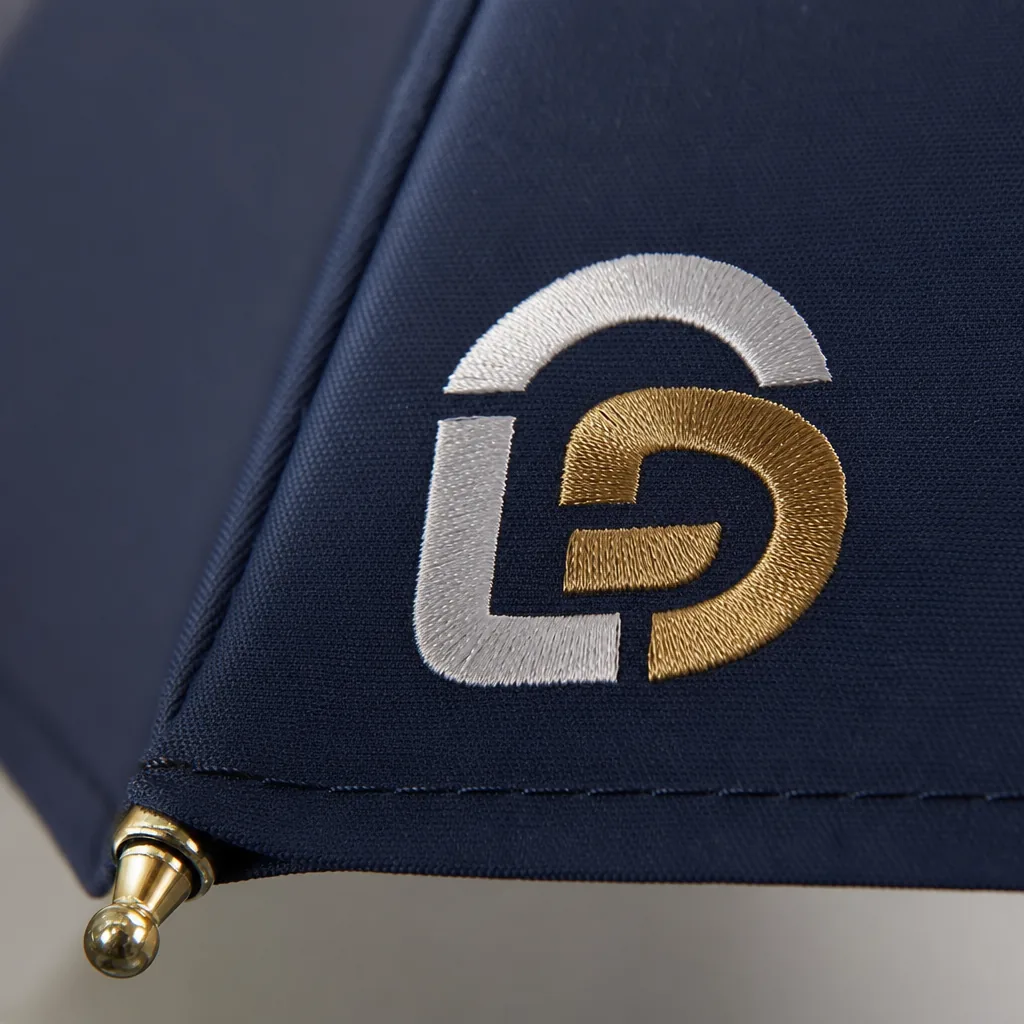
How to Build Retail Gift Packs Around Umbrella SKUs
Plan umbrella gift bundles with accessories, inserts, and pack-out rules that protect margins, simplify QC, and improve ...
Read More »MOQ-Friendly Kitting for Umbrella Gift and Promo Programs
Plan umbrella kitting that works at MOQ, controls assembly errors, and lands gift-ready packs with clear lead times, QC ...
Read More »