Matching Umbrella Trim Colors to Brand Identity at Scale
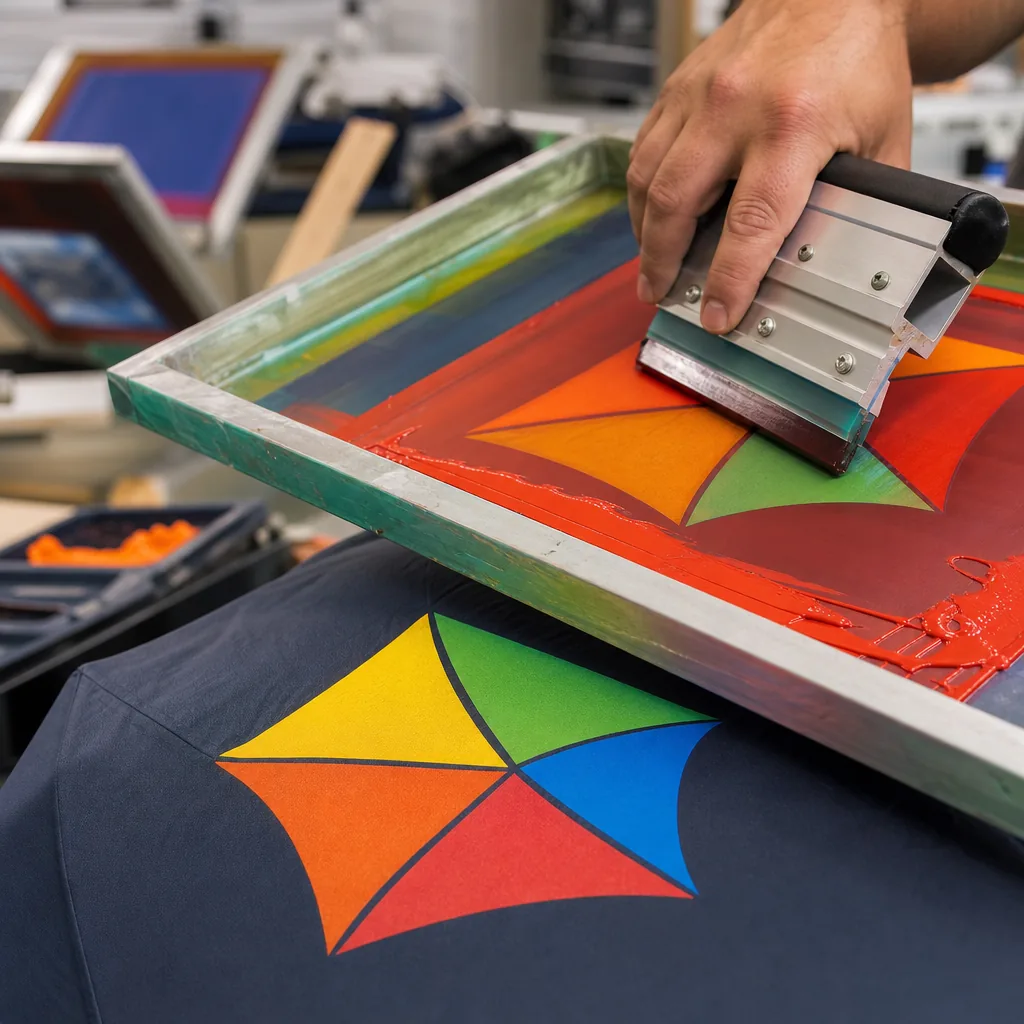
When a brand tries to standardize piping, straps, tips, and edge trim across a large umbrella program, small color shifts between fabric lots, plastic parts, and sewing lines can turn into visible inconsistency at goods-in. At our factory floor in Songxia, we manage umbrella trim color matching by checking material-specific tolerances, dye-lot variance, and assembly sequencing before bulk cutting, because scale problems usually start long before final inspection.
Which Trim Components Can Be Color-Controlled
The main color-controlled trim areas are binding, piping, the closure strap, tips, ferrules, handle accents, and carry sleeve details. In umbrella trim color matching, the sewn pieces are the easiest to hold close to target because binding tape, piping, straps, and sleeve panels are fabric-dyed or cut from dyed webbing. With controlled dye lots, those parts can usually stay within a tight visual window of a Pantone reference, especially on 190T or 210T pongee, POE, or PVC canopy programs where trim is specified as a separate BOM line. That separation matters for cost and approval timing: sewn trim can often be sampled faster and at lower MOQ than hard parts, while the canopy can stay unchanged across color variants. Buyers should prioritize the components most visible at retail distance first, because a navy canopy with gray trim reads differently from the same body with black trim even if the frame, size, and construction stay identical.
Hard parts have looser matching tolerance because tips, ferrules, push buttons, buckle hardware, and some handle accents are injection-molded ABS, TPR, EVA, or metal-plated components. Their final shade depends on resin color, masterbatch loading, gloss, and mold temperature, so color consistency umbrella production is less exact than with dyed fabric trim. The same issue applies to rubberized or overmolded handle accents, which can shift after UV exposure or heat in transit. For that reason, umbrella piping color and other fabric-dyed details should be approved separately from molded components and printed carry sleeve graphics. Use one reference for the sewn trim, one for the molded parts, and one for sleeve print or woven label details; a single blanket sign-off invites rework and inconsistent branded umbrella trim across lines or suppliers.
MOQ usually tracks the component type. Fabric trim such as binding, piping, straps, and sleeve panels can often be sourced in lower quantities because they are cut, sewn, or dyed to order. Custom molded ferrules, strap buckles, and handle inserts usually need a higher MOQ to cover tooling, resin setup, or a dedicated masterbatch run. If you are scaling umbrella trim color matching across multiple styles, lock the sewn items first, then set an acceptable visual tolerance for the hard parts instead of chasing a perfect lab match on every surface. Approve the pre-production sample under daylight and D65 lighting, then hold that sample through the PO. That process reduces color drift when the order is split across trims, suppliers, or factory lines and gives buyers a clearer tradeoff between cost, durability, and lead time.
Why Fabric and Plastic Parts Match Differently
On pongee 190T and 210T, umbrella trim color matching starts with dye-lot control, not the Pantone code on the spec sheet. Woven polyester absorbs dye differently based on yarn denier, heat-setting, and finishing chemistry, so the same color can shift from one lot to the next. That matters most on narrow parts such as umbrella piping color and umbrella strap color, which are often cut from separate batches and from the edge of the fabric width, where shade stability is weaker. We check against a physical master standard under D65 light and record an AQL 2.5 approval target, but buyers should still expect a slight visual difference between soft trim and the canopy because weave density, texture, and absorbency change how color reads.
Molded plastic parts follow a different rule set. Handles, tips, runners, and hubs get color through masterbatch in the resin, so the result depends on resin type, pigment loading, mold temperature, and surface finish rather than dye penetration. A matte PP part and a glossy ABS part can use the same formula and still look different because gloss changes light reflection and makes the same hue appear deeper, brighter, or cleaner. That is why branded umbrella trim can look inconsistent even when the supplier follows one spec: soft fabric and hard plastic do not reflect light or age at the same rate, so color consistency umbrella production has to control both material and finish, not just the color code.
The practical approach is to approve fabric and plastic separately. For umbrella trim color matching, we sign off a pongee strike-off first, then a molded-part sample for the handle or tip, and we record the tolerance for each surface. If a brand wants the umbrella piping color, strap, and handle to read as one set, we may slightly darken the plastic or reduce gloss so the parts align better under daylight and retail lighting. ZheBrella locks the material list before color approval because switching from 190T to 210T, or from matte PP to glossy ABS, can change the visual result enough that the same brand color no longer matches across soft and hard parts.
MOQ and Lead Time for Custom Trim Colors
Stock trims are the fastest, lowest-risk option for umbrella trim color matching when the brand can stay within standard black, white, navy, red, or gray inventory. In practice, that means using existing bias tape, webbing, and plastic components already on hand, which keeps MOQ low and reduces shade variation. If the buyer only needs a standard umbrella strap color or an umbrella piping color close to stock, a factory can often quote a small trial run without custom dyeing or tooling. The tradeoff is control: once the target moves to a specific Pantone on satin binding, glossy piping, or a branded molded part, the job shifts from simple sourcing to color and process control, and unit cost rises with the added setup.
Custom work is required when the branded umbrella trim is part of the product identity, not a substitute material. That usually covers tie straps, canopy edge piping, handle inserts, ferrule caps, runner buttons, and other molded parts. Typical MOQ rises to 3,000-5,000 pieces per color for woven straps and piping, and 5,000-10,000 pieces per color for molded parts, depending on resin, mold layout, and whether the tooling uses one cavity or multiple cavities. For color consistency umbrella production, the approved standard should be locked before bulk cutting or molding starts; matching one sample is manageable, but holding the same shade across repeat orders is where buyers see risk. Always confirm whether the factory is matching a physical swatch or a Pantone reference, and whether the approval applies to one component or the full trim set.
Lead time changes with the same split. Stock tape, straps, or molded parts usually need 5-10 days for samples and 20-35 days for production after approval. Custom trim adds 7-14 days for lab dips or color chips, plus 7-10 days for a sewn or molded pre-production sample; total production is usually 35-50 days after the color and materials are locked. For FOB orders, buyers should also allow time for AQL 2.5 inspection and any rework, because a trim mismatch can hold shipment even when the canopy itself passes. If the order is urgent, stock trim is the safer path; if the brand needs exact umbrella trim color matching on strap, piping, or molded branding, plan for higher MOQ and a longer schedule from day one.
How Trim Choices Should Align With Umbrella Specs
Trim should be specified against the umbrella build, not treated as a separate branding choice. On a 21" compact umbrella, a 6–8 mm binding can read as a crisp accent; on a 30" golf umbrella, that same trim may disappear against the wider panel layout, so the umbrella piping color often needs more width or a stronger contrast to stay visible. Mechanism changes the visual load too: auto-open and auto-open-close frames put the crown, strap, and ferrule closer together, which makes umbrella strap color mismatches easier to spot than on a basic manual model. For buyers, the spec should state whether the trim is a secondary outline or a primary brand cue, because that decision drives trim width, material, and color target before sampling starts.
Build quality sets how strict the color control should be. A steel-rib giveaway umbrella can usually accept broader shade variation, but premium programs with fiberglass ribs, UPF 50+ fabric, or 16K construction justify tighter branded umbrella trim requirements and tighter lot control. In those programs, buyers usually want color consistency umbrella production across piping, strap, thread, and canopy dye lot, especially when the order includes both single-canopy and double-canopy windproof models. Double-canopy vents expose more interior finish, so any mismatch shows as soon as the umbrella opens. The practical fix is to approve a physical swatch against the canopy under D65 light before bulk cutting, then hold that approved reference through the full run.
For multi-SKU programs, umbrella trim color matching should be tied to size and commercial risk as well as appearance. A 21" compact, 23" auto-open, 27" manual, and 30" golf umbrella may share one brand palette but still need different trim widths and attachment methods to keep the proportions right. Buyers should define the exact match point: main logo ink, canopy field, or a separate brand accent. That reduces disputes during PP sampling and makes AQL 2.5 inspection more useful, because the factory can judge against one fixed standard instead of guessing intent. It also protects lead time: changing the binding or strap color after PO release means re-cutting panels, rechecking lot numbers, and often adding days to shipment. The cleanest approach is to lock the trim spec before bulk approval and keep one approved lot for the full order.
Quality Control for Repeat Orders Across Shipments
Repeat-order control begins with approved physical swatches, not screen images. For umbrella trim color matching, keep signed standards for the canopy tape, umbrella piping color, and umbrella strap color, then attach those references to the PO before cutting starts. Match the standard under neutral light against the actual bulk material, because navy can read differently on 190T pongee, 210T pongee, and coated POE. At receiving, inspect every trim component by lot: binding tape, webbing, printed strap ink, thread, and coated fabric shade. Hold any roll that misses the signed standard, even if the deviation looks minor, because small shifts become obvious across 5,000 or 20,000 units shipped in multiple lots. This is the simplest way to protect color consistency umbrella production without reworking finished goods.
After material release, keep the same reference chain through cutting, sewing, packing, and shipment. Each new roll of tape, ribbon, strap webbing, or coated fabric should be checked against the retained master swatch under neutral light before it reaches the line. For branded umbrella trim, verify the trim in context with the canopy material, since the same shade can appear different on 190T versus 210T pongee, or on POE versus PVC canopy. Final inspection should use AQL 2.5 and cover trim placement, seam alignment, strap color, carton labeling, and packed quantity against the approved spec. Record the lot number on the inspection report and master carton so any complaint can be traced to one shipment, one shade, and one production run.
Carton labeling and shipping paperwork must carry the same color code as the signed sample, or the repeat order loses its traceability. Show PO number, size, color code, carton count, and any shade split on the master carton, outer carton, and packing list. For FOB orders, keep the commercial invoice, packing list, and shipping marks aligned with the production record; for DDP, use the same references on customs documents, consignee details, and carton IDs. That consistency prevents mix-ups when the buyer reorders the same shade for retail replenishment or a seasonal program, and it reduces disputes if one shipment needs to be matched against the first-approved sample later.
Frequently Asked Questions
Can small orders get custom-colored straps and piping without changing the whole umbrella spec?
Sometimes, but custom trim usually has separate MOQs from the canopy. Small orders often use stock trim colors unless the buyer accepts higher material cost or longer lead times.
Why do molded tips or ferrules look off compared with the canopy color?
Plastic and fabric reflect light differently, so the same target color can appear darker or glossier on molded parts. That is why factories normally approve physical trim samples instead of relying only on digital artwork.
What details should a buyer provide to match umbrella trim colors accurately?
Provide Pantone references, physical color chips, and a written spec for each component: piping, strap, tip, canopy edge, and handle accents. For best consistency, confirm the color under D65 or daylight lighting and approve a pre-production sample before bulk output.
How much color variation is normal in large umbrella orders?
A small shade difference is common because different materials absorb dye differently, especially polyester, nylon, and rubber parts. Most factories set an acceptable tolerance of one to two delta E units or a visual AQL limit, but the exact standard should be agreed in writing before production.
Can each umbrella part be matched to the same brand color without increasing risk?
Yes, but the risk rises when multiple materials are involved because piping, straps, tips, and canopy fabric may come from different suppliers. The safest approach is to lock material sources early, approve a color master, and allow extra lead time for lab dips and component sampling, usually 7 to 15 days.
Looking to Launch Your Custom Umbrella Line?
ZheBrella is a Zhejiang-based OEM/ODM umbrella manufacturer with 17 years of export experience. Free design, low MOQ from 100 pieces, windproof construction, full-color print.
Get Free Quote Now »People Also Search For
Related Articles
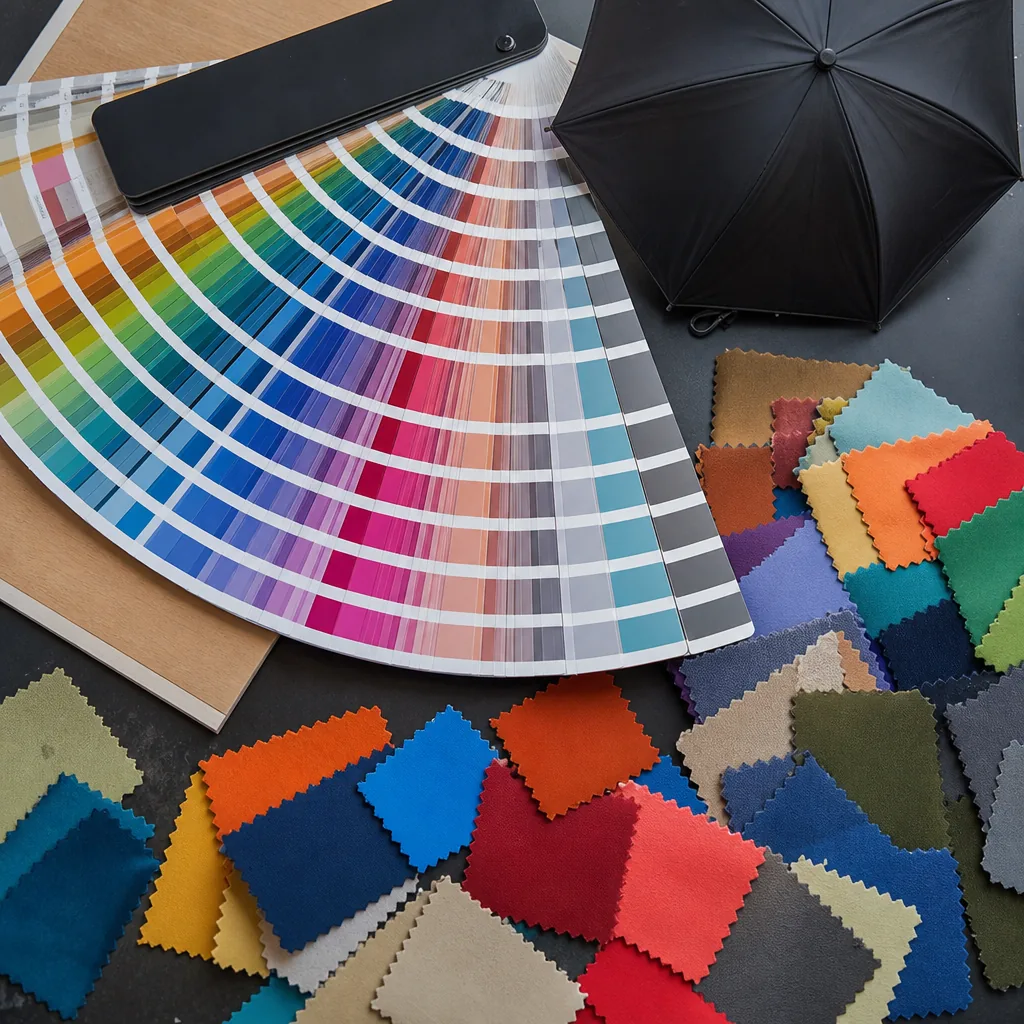
Matching Umbrella Trim Colors to Brand Systems at Scale
Learn how to coordinate canopy, strap, handle, piping, and frame colors on branded umbrellas while managing MOQ, toleran...
Read More »Matching Umbrella Trim Colors to Brand Identity Systems
Learn how to specify trim colors on straps, piping, tips, and binding so branded umbrellas stay consistent across SKUs, ...
Read More »
Color Consistency Across Umbrella Branding Programs
Build repeatable umbrella branding with controlled canopy colors, trim rules, and approval steps that keep retail and co...
Read More »