Custom Umbrellas for Nonprofit Fundraising and Awareness
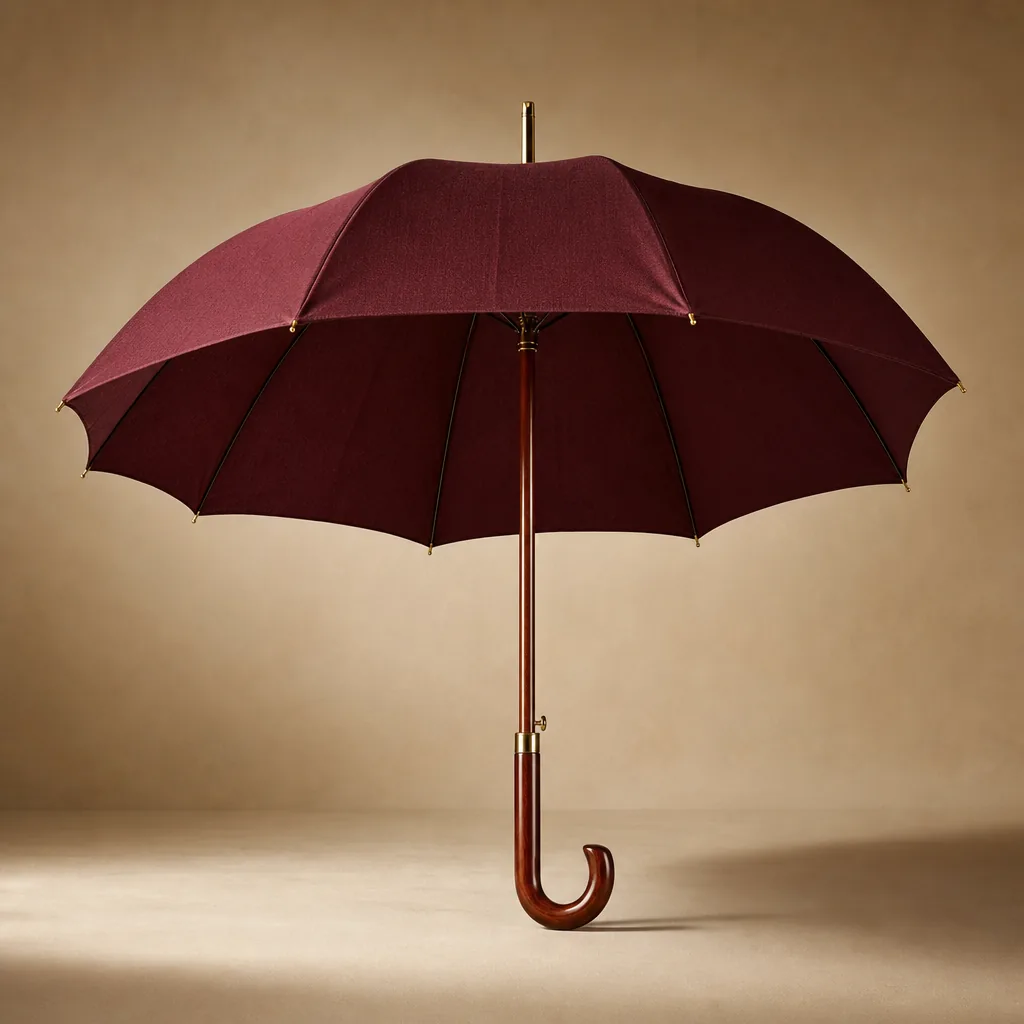
Nonprofits often need a donor gift that carries a message, fits a tight budget, and still feels worth keeping long after an event ends. A well-made nonprofit umbrella can do that, but only if the print method, frame strength, canopy fabric, and pack-out choices are matched to the campaign goals and order volume. From the factory floor, the difference is in the details: consistent color, reliable opening action, and sourcing that holds up when hundreds or thousands of units are needed.
Umbrellas in the nonprofit toolkit
A nonprofit umbrella works best when it is treated as a useful object first, not a cheap giveaway. For donor gifts, the money is usually better spent on a 23" or 27" auto-open model with a fiberglass frame, 190T or 210T pongee canopy, and a decent windproof build that can survive real city use. That is the difference between a piece that gets kept in a car or office and one that gets tossed after one storm. For fundraising campaigns, the economics are straightforward: a branded umbrella can carry higher perceived value than a T-shirt, and it gives you more room for a clean logo, donor message, or event date without looking crowded. Our standard practice at ZheBrella is to match the frame and canopy spec to the audience, because a donor-level gift should feel durable, not promotional.
As merchandise, a fundraising umbrella can pull double duty as both a sales item and a visible brand asset. A charity branded umbrella with a black interior, color pop exterior, or full-panel print can support a higher retail price than a simple one-color logo print, especially when the organization sells through events, online stores, or partner counters. If the goal is margin, use a 21" compact automatic umbrella for convenience shoppers; if the goal is perceived value, step up to an 8K or 16K vented frame with a vented double-canopy that handles stronger wind and looks more substantial. The practical point is that merchandise has to be portable, legible, and easy to explain. A badly made umbrella hurts the brand faster than almost any other promo item because people use it in public and remember exactly how it failed.
For walking awareness, the umbrella is one of the few branded items that stays visible at eye level in crowded streets, transit lines, and event queues. An awareness umbrella custom printed with large typography or a simple symbol can turn every rainy-day commute into mobile signage, which is more effective than many short-lived handouts. If the campaign needs broad visibility, use high-contrast colors and avoid overloading the panel layout; a single bold mark on four panels usually reads better than a cluttered full-wrap design. The right spec depends on use conditions: PVC or POE is useful for transparency and novelty, while pongee with UV coating and UPF 50+ makes sense for outdoor walks, marches, and summer awareness drives. The main mistake is treating the umbrella as decoration instead of field gear; if it folds poorly, leaks, or flips in wind, the message is lost with the first rain.
Designing for a cause and message
Color choice on a nonprofit umbrella should carry the message before anyone reads the copy. Red works for urgent causes and visible street campaigns, blue signals trust and stability for health or education groups, green fits environmental fundraising, and black or navy gives a cleaner donor-gift look when the logo needs to feel more premium. The mistake I see most often is trying to use every brand color on one canopy; an 8K or 10K panel layout has limited visual distance, so too many colors turn into noise. For a fundraising umbrella, one strong canopy color with one accent color usually prints better on 190T pongee or 210T pongee than a crowded multicolor layout, especially if the umbrella will be seen in rain, low light, or event crowds.
Message clarity matters more than decoration. A charity branded umbrella should communicate the cause in three seconds: organization name, short line of purpose, and a logo that stays readable from several meters away. Keep the copy short enough to fit one or two panels, then repeat the web address or campaign hashtag on the sleeve or tie band if you need more detail. High-contrast combinations work best, such as white on navy, black on yellow, or deep green on white; soft pastels often disappear when the canopy is wet. If the umbrella is being used for awareness drives, the message should be simple enough that a volunteer can explain it out loud without reading notes from the print.
Think about the setting where the nonprofit umbrella will actually be used. Outdoor runs, street collections, and campus outreach need bold colors, large lettering, and a finish that survives crowd handling; donor appreciation gifts can use a more restrained layout with a cleaner logo lockup. For weather resistance, a double-canopy vented construction helps in wind, while Teflon or UV coating is worth considering if the umbrella will also serve as a summer awareness item with UPF 50+ positioning. Our standard practice is to proof the artwork at full panel scale before sampling, because a design that looks balanced on a screen can fail once it wraps around a 21-inch or 23-inch canopy. For a nonprofit umbrella, legibility and symbolism beat visual complexity every time.
Budget-conscious sourcing
For a nonprofit umbrella, the mistake is chasing the lowest unit price without defining what failure looks like. If the canopy tears in the first storm, the handle feels cheap, or the print fades after a few events, the fundraising value drops fast because the item stops being carried. The cheapest workable build is usually a 21" or 23" manual umbrella with a fiberglass frame, 190T pongee canopy, and one-color screen print. That keeps cost down while still giving acceptable flex in wind and decent ink hold. If the audience will actually use it on the street, step up to 210T pongee and fiberglass ribs instead of thin steel, because steel saves a few cents but bends and rusts faster. A charity branded umbrella should look simple, clean, and durable rather than overloaded with decoration that burns budget without improving perceived value.
The real cost control is matching construction to the campaign. For a mailer premium or donor gift, auto-open is enough; auto-open-close adds convenience but raises the landed price and the breakage risk in cheap mechanisms. For awareness events, a 30" golf format can deliver more logo area, but only if the volunteer or sponsor group will pay for the larger freight and higher fabric usage. If the goal is retail-like resale, double-canopy vented windproof frames with fiberglass ribs make more sense; if it is a one-time fundraising umbrella for a charity run, a standard stick umbrella is the smarter spend. At ZheBrella, I would usually keep decoration to one or two panels, use spot colors instead of full wrap art when possible, and avoid special coatings unless the group needs UPF 50+ or strong water repellency for outdoor campaigns.
Procurement should be judged on total landed cost, not just factory price. Ask for AQL 2.5 inspection, carton counts, and spare parts policy, because a cheap batch with high defect rates costs more once you factor in replacements and donor complaints. For overseas campaigns, FOB works when the buyer already has freight control; DDP is useful when the organization needs a single predictable number and no logistics staff. Lead time is usually 20 to 35 days after approval for standard materials, longer if you want custom colors, special handles, or packed inserts for fundraising messaging. A nonprofit umbrella can be economical and still credible if the spec is disciplined: decent fabric, honest frame strength, restrained printing, and no cosmetic extras that do not help the mission. The budget should buy durability and consistency first, because that is what keeps the logo in the street instead of in a trash bin.
Eco and ethical considerations
RPET is the right starting point when the buyer wants a nonprofit umbrella that matches the message. Recycled polyester from post-consumer bottles gives you a usable canopy with less virgin resin, and in practice it performs well in 190T or 210T pongee constructions for everyday giveaways and event use. For a fundraising umbrella, the material story matters only if it holds up in the field: decent print adhesion, stable color, and enough tear resistance for repeated opening and closing. If the program needs an awareness umbrella custom run with a stronger visual impact, RPET still works with screen print, heat-transfer, and sublimation, but the fabric source should be documented so the claim is defensible. Buyers should ask for traceability paperwork, recycled-content documentation, and confirmation that the yarn is not just marketed as eco-friendly without chain-of-custody records.
Ethics is not only about the fabric; it is also about where and how the product is made. An audited factory should be able to show social compliance records, wage and hour controls, and basic material testing, not just a glossy certificate on the wall. For a charity branded umbrella, that means checking whether the supplier can support third-party audits such as BSCI or SMETA, plus routine AQL 2.5 inspections on canopy seams, ribs, tips, and handle assembly. If a nonprofit umbrella is going to carry a donor logo or campaign message, the buyer should also verify that inks and coatings meet restricted-substance requirements and that packaging is not bloated with unnecessary plastic. Our standard practice is to tie the product claim to the factory record, because the ethical value disappears fast if the sourcing is vague or the audit is stale.
Quantity and distribution planning
Quantity planning for a nonprofit umbrella starts with the channel, not the product. For a one-day gala or walk-a-thon, I would separate inventory into event handout stock, donor-tier stock, and paid merchandise stock before you talk about decoration or pricing. A 21" compact auto-open model is practical for check-in tables and sponsor bags because it packs well and keeps freight down, while a 23" or 27" stick umbrella works better for premium donors and retail tables where perceived value matters. If the goal is broad distribution, a fundraising umbrella with a simpler print and lower unit cost will usually outperform a heavier gift-style frame. For events with weather risk, order extra safety stock of 5% to 10% so you are not short when walk-ins or late donors show up.
Donor tiers should drive the mix. In practice, I would use the nonprofit umbrella as a low-cost recognition item for entry-level gifts, then move to a better frame and canopy for mid-tier donors, and reserve double-canopy vented windproof styles or UV-coated pongee 190T for major sponsors who expect something they will actually keep. That structure gives you a clean ladder: smaller volume at the bottom, higher margin at the top, and fewer awkward leftovers after the campaign. If you are doing awareness umbrella custom work for a cause walk or community outreach, the print area also matters. A full-panel logo on a 23" canopy reads well in photos, while a repeat mark on a black or navy canopy can look more serious for memorial or health campaigns. The mistake is ordering one size for every audience and hoping the economics work out later.
Merchandise sales should be planned as a separate line, not mixed into free distribution. A charity branded umbrella can carry a higher retail price if the frame is noticeably better, the print is cleaner, and the packaging is retail-ready with a hangtag or sleeve. For resale, I would keep the design simple, because each extra color or panel treatment adds cost and complicates inventory. The safer approach is to test one hero design in a small batch, then reorder based on sell-through after the first event rather than guessing demand upfront. For larger campaigns, a standard practice at ZheBrella is to set MOQ and lead time based on the split between giveaway and retail stock, because the two channels behave differently in production and distribution. That keeps the nonprofit umbrella program from getting stuck with too many slow-moving sizes or the wrong mix of manual, auto-open, and auto-open-close mechanisms.
Frequently Asked Questions
Are branded umbrellas effective for nonprofit awareness?
Yes. An umbrella in a cause color with a clear message becomes a moving awareness piece used in public for years, and it doubles as a donor thank-you gift or sellable merchandise. The long lifespan gives strong value per dollar for tight nonprofit budgets.
How can a nonprofit source umbrellas responsibly?
Choose a factory with social-compliance audits (BSCI or Sedex) and consider RPET recycled fabric with GRS documentation. Aligning the product's ethics with the mission protects the organization's reputation and resonates with supporters.
What umbrella style gives nonprofits the best balance of cost and visibility?
For most nonprofit campaigns, 42-48 inch folding umbrellas work well for donor gifts because they are easier to ship and usually cost less per unit. If the goal is maximum logo visibility at events, 58-60 inch golf umbrellas are a better choice, but they take up more budget and storage space.
What is a typical MOQ for custom nonprofit umbrellas?
Many OEM factories can start around 100-300 pieces per design, depending on the model and print method. Simple one-color logos usually support lower minimums, while full-color or multi-panel artwork may require a higher quantity.
How long does it usually take to produce fundraising umbrellas?
Sample production often takes 5-10 days, and bulk production usually takes about 15-30 days after artwork approval and deposit. If you need recycled fabric, special packaging, or imported components, plan for extra time.
Looking to Launch Your Custom Umbrella Line?
ZheBrella is a Zhejiang-based OEM/ODM umbrella manufacturer with 17 years of export experience. Free design, low MOQ from 100 pieces, windproof construction, full-color print.
Get Free Quote Now »People Also Search For
Related Articles

Umbrellas for Insurance Adjusters and Claims Field Teams
Plan branded umbrellas for claims teams with specs for field durability, visibility, storage, MOQ, lead time, and import...
Read More »
Best Umbrellas for Outdoor Retail Queues and Curbside Pickup
Compare umbrella specs for curbside pickup, outdoor queues, and store associates, including windproof frames, fabric, MO...
Read More »
Branded Umbrellas for Insurance Claims and CAT Response
Source umbrellas for claims teams and catastrophe response with durable frames, fast deployment specs, QC controls, and ...
Read More »