OEM Umbrella Sampling Workflow: From Tech Pack to PP Approval
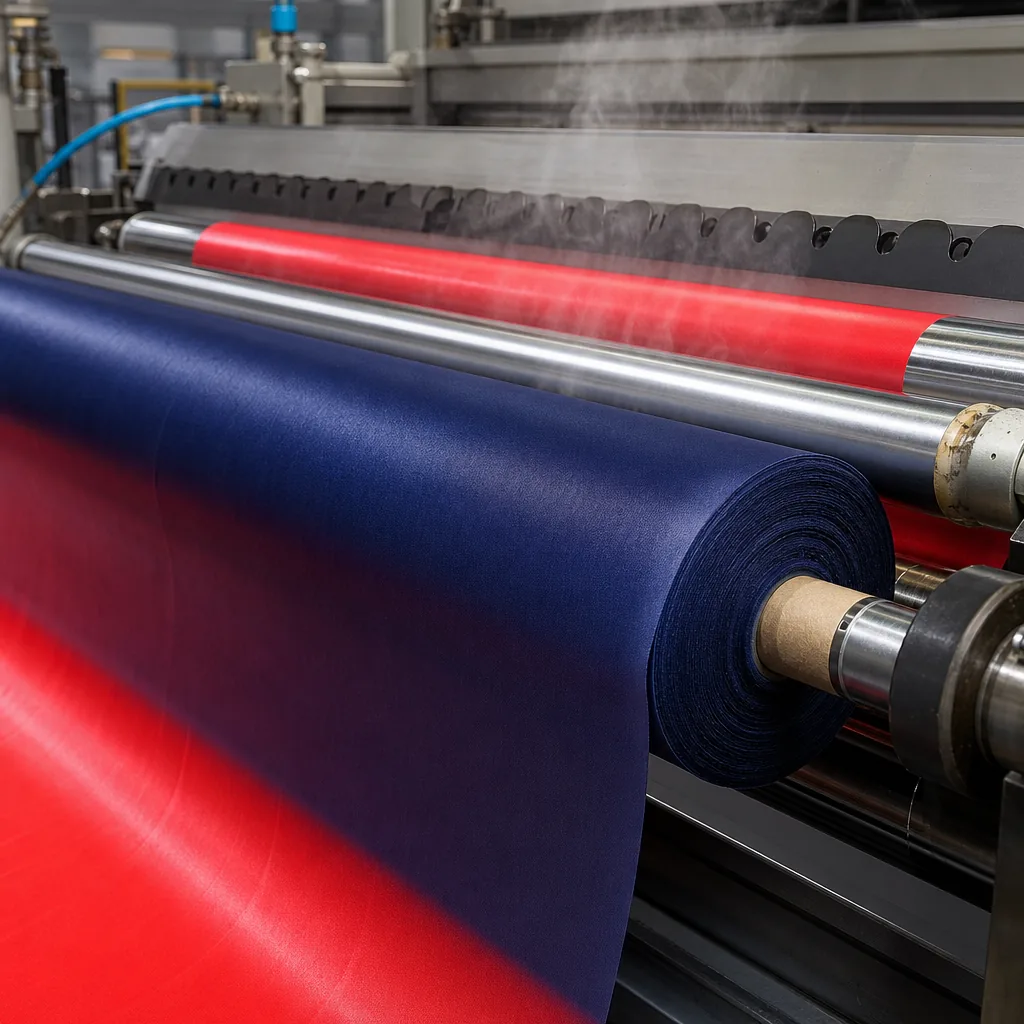
For OEM buyers, the umbrella sampling process is where vague ideas either become a buildable spec or turn into repeated revisions and missed ship dates. The difference usually comes down to how well the tech pack is translated into frame, fabric, printing, and packaging decisions on the factory floor, before the first bulk order is released. A disciplined sampling workflow lets both sides lock requirements early, reduce guesswork, and protect the launch schedule.
Lock the Tech Pack Before Sampling
The umbrella sampling process starts with a complete tech pack, not with a vague reference photo. A serious tech pack review has to lock down canopy size, finished open diameter, rib count, shaft length, handle shape, closure style, and exact branding placement before anyone cuts fabric. If you want a 21" foldable or a 23" stick umbrella, say so in the spec, along with whether the frame is 8K, 10K, or 16K and whether the build is fiberglass, steel, or a mixed structure. That is what lets an OEM umbrella factory quote the correct pattern, ferrule, runner, and packaging, instead of guessing and revising later. If the file is incomplete, the first sample is usually the wrong sample.
Material callouts matter just as much as dimensions. State whether the canopy is 190T pongee, 210T pongee, POE, PVC, or EVA, and whether you want a matte or glossy finish, water-repellent coating, or UPF 50+ UV treatment. The same applies to the opening system: manual, auto-open, or auto-open-close changes the internal mechanism, spring load, and handle design. If you want fiberglass ribs for wind resistance, say where you want flexibility and where you need stiffness; if you want steel ribs for cost control, make that explicit. A proper pre-production sample should confirm the actual hand feel, opening force, print placement, seam quality, and panel symmetry before production starts.
For branding, do not write “logo on canopy” and expect a useful result. Give the exact panel position, logo width, print method, Pantone references, and whether the artwork must stay clear of seams, vents, or reflective tape. Closure details should also be fixed in the tech pack: Velcro, snap strap, elastic loop, or sleeve with woven label all affect the final fit and finishing. At ZheBrella, the approval sample is treated as the control sample for bulk production, so it must match the intended bill of materials, not a placeholder build. If the approval sample is signed off with the wrong handle, wrong fabric, or wrong rib spec, the umbrella sampling process stops being a quality gate and turns into a rework loop.
Build the First Prototype Around Critical Parts
The first sample should prove the mechanics before anyone argues about color. In a proper umbrella sampling process, the factory starts with tech pack review and checks the frame action, shaft straightness, runner smoothness, and whether the open-close timing feels clean or sticky. If the shaft has even a slight bow, the canopy will track off-center and the sample is already misleading. I also want the first pre-production sample checked for rib symmetry, locking point alignment, and tip placement, because those are the parts that tell you whether the tool set and assembly line can actually hold tolerance. On a 21" or 23" compact, a bad mechanism is obvious immediately; on larger 27" or 30" golf formats, the same problem gets hidden until the product is in use. That is why the first sample is not a decoration piece. It is a mechanical test piece.
The next decision is whether the construction matches the price target and the hand feel the buyer expects. An 8K frame can be fine for a lighter retail umbrella, but if the brief calls for a firmer feel, better wind resistance, or a more premium build, 16K usually changes the structure enough to justify the cost. The OEM umbrella factory should compare rib stiffness, spring response, and the way the canopy sits over the frame, not just whether the sample opens. For automatic styles, test both manual and auto-open-close cycles, because weak ferrules or sloppy hub molding show up fast after repeated cycling. This is also the point to check whether the shaft diameter, rib material, and ferrule fit are consistent with the target FOB or DDP price. A cheap-looking sample is often not a print problem. It is usually a frame specification problem.
Print and sewing checks come after the hardware is credible, but they still matter on the first approval sample. Verify print registration at the panel seams, edge alignment at the vent or hem, and seam symmetry from panel to panel, because a rotated graphic or uneven seam line will fail even if the frame works perfectly. The factory should inspect how the canopy tension behaves when wet or under load, since a loose pongee 190T cover and a tighter 210T cover do not behave the same on the ribs. During the umbrella sampling process, I would also confirm whether the sample reflects the final closure tolerances, packaging size, and any coating choices such as Teflon or UPF 50+ UV treatment. If the sample passes the mechanical checks but fails visual alignment, it is not an approval sample yet. It is just a rough prototype that still needs correction before mass production.
Use the PP Sample to Freeze Tolerances
Freeze the dimensions on the approval sample before you talk about bulk. In the umbrella sampling process, the non-negotiables are canopy diameter measured tip-to-tip when fully opened, panel symmetry, stitch allowance at the seams, rib spread, and the exact position of the tip caps and top ferrule. A good tech pack review should already call out the target size, but the pre-production sample is where you confirm the real factory output against the drawing. At ZheBrella, we treat the approval sample as the control piece: once the buyer signs it, every later check in bulk production is judged against that physical sample, not against memory or vague email notes. If the diameter is off by a few millimeters, or the tip alignment drifts and one panel sits tighter than the others, that has to be corrected before cutting bulk fabric.
Button force is another item that gets ignored until it becomes a return. Record the open and close feel, the resistance at the runner, and whether the auto-open or auto-open-close button can be pressed cleanly without snagging or requiring excessive thumb pressure. On a manual frame, the lock engagement should be crisp; on an automatic frame, the release should not fire too softly or too hard. The approval record should include close-up photos of the canopy top, tip ends, seam intersections, handle button, runner, and any branding placement, plus a full-open side view with a ruler in frame for scale. Signed notes should state what was approved, what tolerance was accepted, and any exceptions, because that is what protects both the OEM umbrella factory and the buyer when the bulk run starts.
The approval packet should also capture the small details that become expensive later: print registration, panel grain direction, thread color, seam puckering, and whether the fabric sits evenly around the ribs under tension. If the canopy is a pongee 190T or 210T with UV or Teflon coating, note whether the coating changed the hand feel or made the seams stiffer, because that affects both opening feel and final appearance. For an approval sample, do not accept vague language like 'looks good' or 'same as before.' Write down the exact measurements, attach dated photos, and have both sides sign and stamp the sample card if that is part of the workflow. That record becomes the baseline for AQL 2.5 inspection during bulk production and keeps the umbrella sampling process from turning into a guessing game.
Separate Cosmetic Changes from Structural Changes
The umbrella sampling process only stays fast when buyers separate cosmetic changes from structural ones before the tech pack review. A label shift, barcode update, swing tag copy, or carton print correction usually stays in the approval sample loop because it does not touch the frame, canopy, or decoration method. Change the rib count from 8K to 10K, move from steel to fiberglass, switch pongee 190T to 210T, or replace screen print with heat-transfer or sublimation, and you are no longer asking for a minor edit. That is a new build logic. At that point, the OEM umbrella factory has to recheck cutting, sewing, tension, opening force, and sometimes packaging dimensions, because those details affect fit and durability, not just appearance.
Buyers get into trouble when they treat a structural revision like a cosmetic revision. A different canopy size, such as moving from 21" to 23", or adding a double-canopy vented windproof panel changes panel count, seam load, and wind behavior. The same is true when you add Teflon coating, UV protection for UPF 50+, POE or PVC material, or an auto-open-close mechanism. Those are not simple artwork edits; they can require a new pre-production sample and a fresh test sample if the factory needs to confirm opening cycle, shrinkage, colorfastness, or wind resistance. In practice, one change like that can reset lead time by several days or more because the production line has to be reprogrammed, not just relabeled.
The clean way to manage this is to write the tech pack with two buckets: cosmetic changes and structural changes. Cosmetic items can usually move through approval sample sign-off with photos, annotated PDFs, or a marked-up sample. Structural items should be frozen before mass production, because once the frame tooling, fabric cutting, or print screens change, the buyer is effectively approving a new version of the product. That is why one revision can trigger a second pre-production sample, a new AQL 2.5 inspection plan, and a revised FOB or DDP schedule. In an umbrella sampling process, speed comes from discipline: lock the mechanics first, then adjust labels, hangtags, and carton copy last.
Archive the Golden Sample for Bulk Inspection
The approval sample has to become a controlled reference, not a desk souvenir. In an OEM umbrella factory, I store it in a sealed poly bag with the PO number, style code, color standard, canopy fabric spec, rib count, and the exact approval date on the tag. If the tech pack review calls for 190T pongee, a black electroplated steel shaft, fiberglass ribs, and auto-open-close, those details must be written on the sample card as well, because the umbrella sampling process breaks down when people rely on memory. Keep one master reference in the quality office and a second sealed backup in production control. The goal is simple: when a question comes up on canopy shade, seam alignment, handle finish, or button feel, everyone compares against the same approval sample, not a “close enough” version from the line.
Use the stored sample during incoming inspection before bulk materials are released. Fabric lots should be checked against the sealed reference for color variance, coating feel, and print placement; the same applies to ribs, tips, runners, and ferrules. If the sample uses 8K fiberglass ribs with a certain spring tension, then incoming parts that feel softer or bind under opening force are not acceptable just because they fit dimensions on paper. This is where the umbrella sampling process prevents expensive rework later. I also match the approval sample against the PO notes during first-article checks, because buyers often approve a canopy face and then forget the lining, wrist strap length, or tie strap position. The reference sample is the standard for what the customer accepted, not just what the factory thinks looks acceptable.
For pre-shipment checks, pull the archived sample back onto the inspection table and compare finished goods panel by panel. Color should sit within the agreed tolerance under daylight, stitching should track the same spacing and backtack behavior, and open-close action should feel identical to the approval sample. On windproof models, I check canopy tension, vent structure, and joint play so the mechanism does not feel loose after packing. At this stage, the umbrella sampling process is about discipline: if the bulk run shows a tighter canopy, a different handle gloss, or a slower spring return than the reference, it gets flagged before carton sealing. The sample also helps settle disputes fast during AQL 2.5 inspection, because both sides can judge against one physical standard instead of arguing over emails and photos.
Frequently Asked Questions
How many sample rounds are normal for a new OEM umbrella?
Typically one prototype and one PP sample are enough if the tech pack is complete. A missing color swatch, handle reference, or print file usually adds another round and 7-14 days.
What should be signed off before bulk production starts?
The buyer and factory should approve dimensions, materials, print placement, packaging, and the golden sample. Any change after that should be treated as a formal revision with new timing and cost review.
How long does the first umbrella sample usually take after tech pack review?
For standard stick or folding umbrellas, the first sample usually takes 5-10 working days after the tech pack is confirmed. If the order includes special printing, custom handles, or nonstandard fabric, add 3-7 more days.
What should be frozen before PP approval on an OEM umbrella order?
Buyers should lock canopy fabric, panel count, logo position, handle style, rib size, opening mechanism, and carton marks before PP approval. If any of those change later, the factory may need a new sample and the bulk schedule can slip by several days to two weeks.
How many sample rounds are normal before bulk production starts?
One or two rounds is typical for a well-prepared tech pack. If the buyer changes structure, color, or branding after the first sample, a third round can be necessary and usually extends the lead time.
Looking to Launch Your Custom Umbrella Line?
ZheBrella is a Zhejiang-based OEM/ODM umbrella manufacturer with 17 years of export experience. Free design, low MOQ from 100 pieces, windproof construction, full-color print.
Get Free Quote Now »People Also Search For
Related Articles
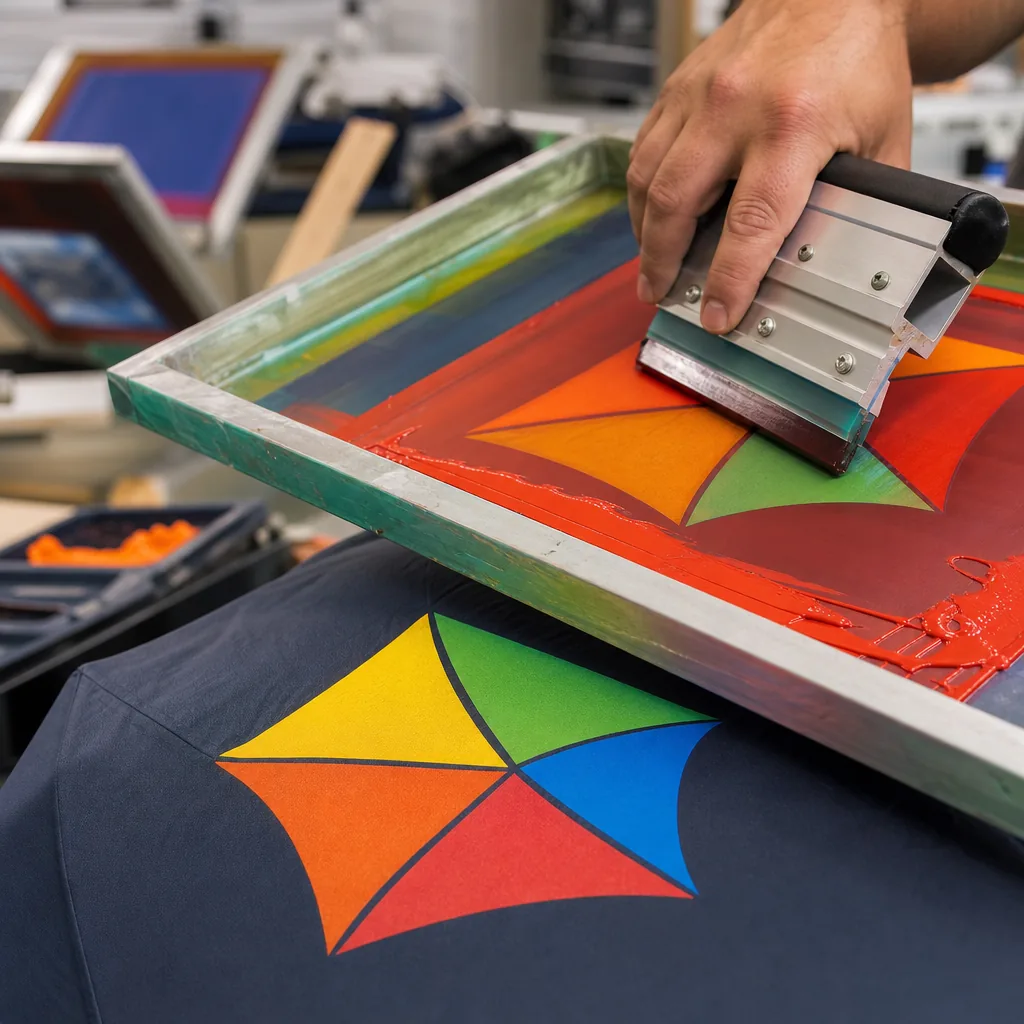
Umbrella Factory PPAP: How to Approve Parts Before Mass Run
Learn how umbrella PPAP-style approvals reduce defects by locking materials, dimensions, and golden samples before bulk ...
Read More »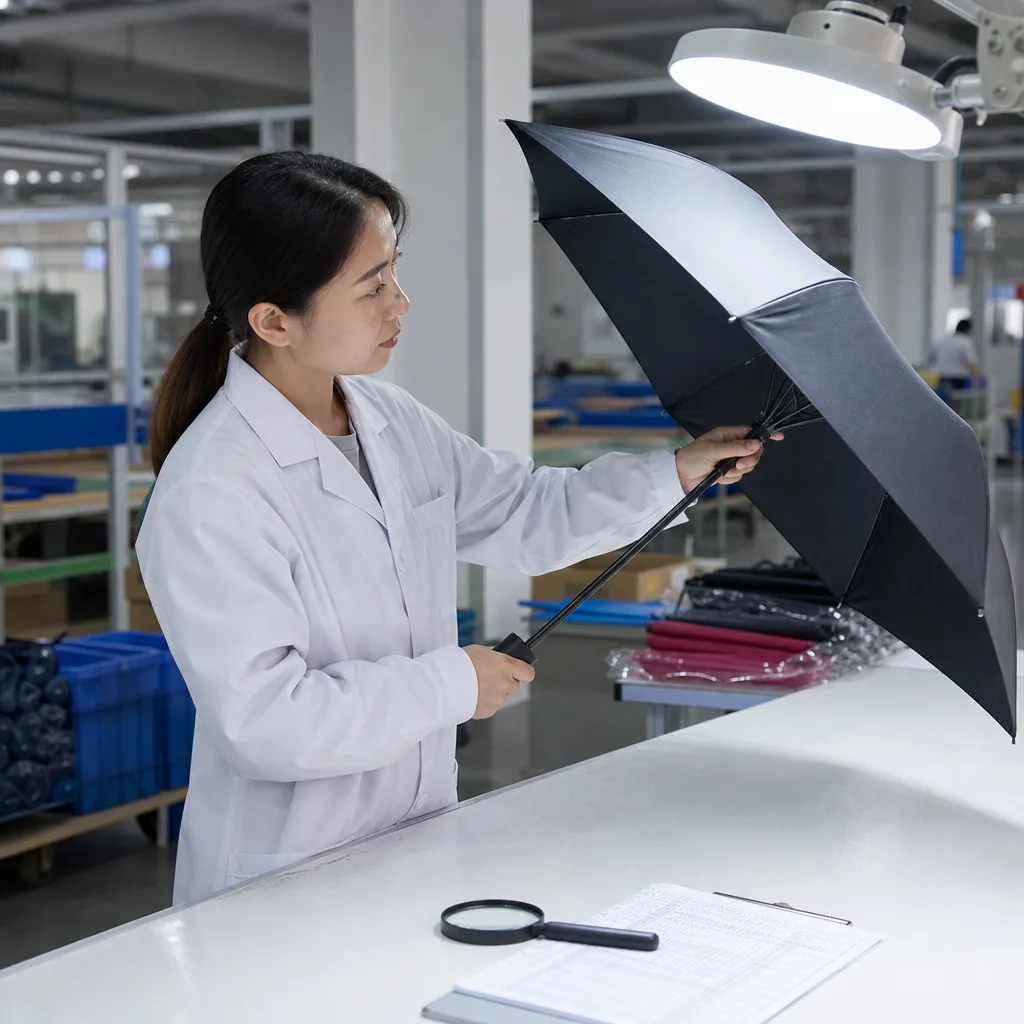
Umbrella Sample Approval Process for OEM Brand Orders
Learn how to approve umbrella samples faster with clear checkpoints for materials, print color, mechanism feel, and pre-...
Read More »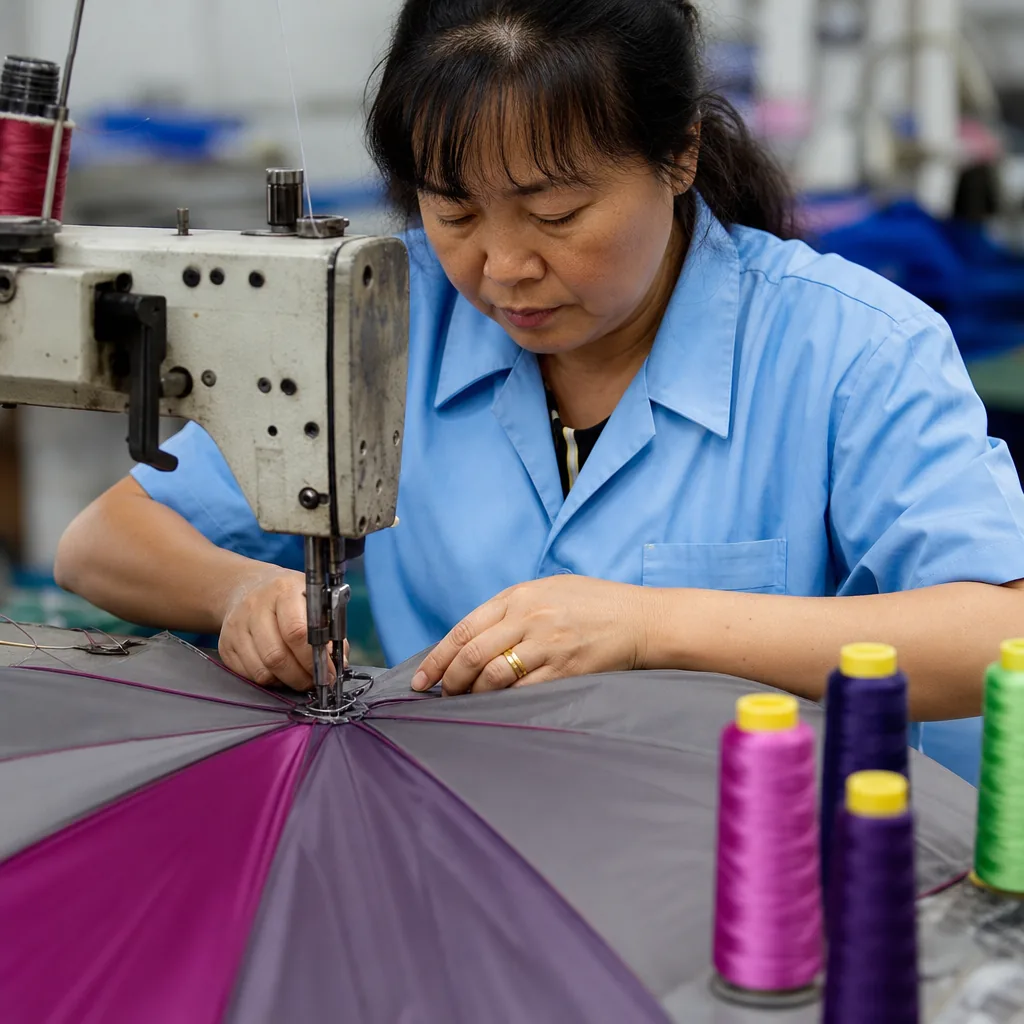
PPAP-Style Documentation for Custom Umbrella Manufacturing
Use a PPAP-style approval process for umbrellas to reduce misbuilds, document specs, and keep OEM orders on track from s...
Read More »