Umbrella Sample Approval Process for OEM Brand Orders
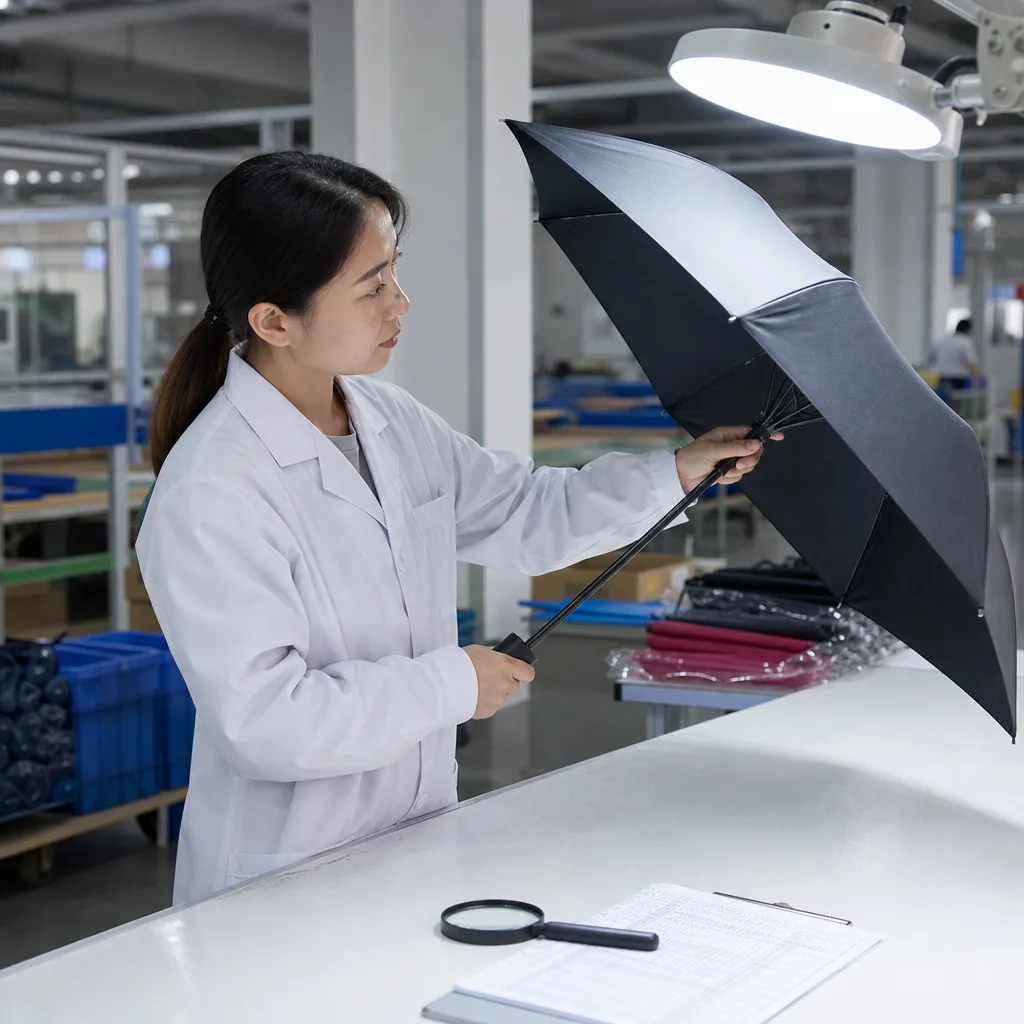
When an OEM order slips, the problem usually starts before mass production: a sample was approved with unclear expectations on fabric, print color, opening feel, or trim details. A disciplined umbrella sample approval process gives buyers concrete checkpoints that match what the factory will actually run on the line, from canopy panels and Pantone control to frame action and final pre-production signoff.
Map the Sample Stages Before Mass Production
Treat each sample as a different risk-control step, not as interchangeable approvals. In the umbrella sample approval process, the mockup is only a visual check: panel layout, logo placement, print scale, handle shape, and sometimes carton marks. It does not confirm that the frame geometry works, the artwork prints cleanly on fabric, or the umbrella can pass repeated opening and closing. The material swatch is the first technical checkpoint. This is where buyers choose canopy substrate and finish—190T or 210T pongee for woven fabric umbrellas, or clear POE, PVC, or EVA for transparent styles—and confirm whether the spec needs a Teflon water-repellent finish or UV treatment up to UPF 50+. If brand color is tightly controlled, the color strike-off is the next gate. It tests Pantone accuracy, ink density, and edge sharpness on the actual fabric before the factory cuts a full canopy, which is the lowest-cost stage to catch print risk and avoid prototype rework.
The prototype is the first sample that proves structure, mechanism, and user feel. At this stage, buyers lock arc size such as 21 inch or 23 inch, rib count such as 8K or 10K, and frame material—fiberglass for more flex and better corrosion resistance, or steel for lower cost and a firmer hand feel. This is also where the opening system is decided: manual, auto-open, or auto-open-close, along with shaft material, runner travel, spring force, and handle attachment. If the program includes a fit sample for a sleeve, gift box, or retail display pack, review it here because curved handles and vented double-canopy tops can change pack dimensions. The pre-production sample is the final production approval unit. It combines the approved canopy fabric, confirmed print method, final frame BOM, labels, ferrule and tip colors, wrist strap, stitching, and open-close performance into a sample built the same way bulk production will run. That is the point to approve against agreed tolerances and AQL 2.5 before mass cutting starts or 5,000 units are already in line.
Define the Specs That Must Be Locked In
The umbrella sample approval process breaks down when a buyer signs off on looks but not the technical sheet. Before approving a pre-production sample, lock the exact canopy arc and open diameter—typically 21", 23", 27", or 30"—and the rib count at 8K, 10K, or 16K. Specify the opening system as manual, auto-open, or auto-open-close, then list frame materials by part: fiberglass ribs with a steel shaft, full steel frame, or an aluminum shaft with fiberglass ribs. Those details change cost, unit weight, carton dimensions, and field durability. A 23" 8K auto-open promotional model and a 23" 16K manual fashion umbrella can carry the same artwork but perform very differently, including whether the frame is appropriate for a 50+ mph wind-resistance target. For OEM umbrella development, treat shaft and handle construction as separate approvals. Call out straight wood, crook wood, ABS with rubber coating, EVA foam, or PU-wrapped handles by material and finish, because handle choice affects grip, breakage risk, and packing protection.
Branding sign-off is not the same as production approval. Approve canopy material first—190T or 210T pongee for woven styles, or POE/EVA for clear umbrellas—then confirm panel layout, usable print area by panel, logo position from the seam and tip, and Pantone references. If print color is critical, require a color strike-off before bulk printing. If the order includes a custom handle mold, umbrella sleeve, or gift box insert, request a fit sample and approve it against physical dimensions, not a rendering. Lock the closure type as well: hook-and-loop strap width, snap button, or self-fabric tie, plus whether an outer pouch is included. Packaging should be approved with the same rigor: OPP bag or printed sleeve, hangtag, barcode sticker location, inner box packing, and export carton requirements. After approval, even minor changes to rib count, handle shape, print coverage, or packaging can force new dielines, revised cutting markers, carton resampling, and updated AQL 2.5 inspection points, adding 7 to 15 days to lead time.
Check Print, Sewing, and Opening Performance
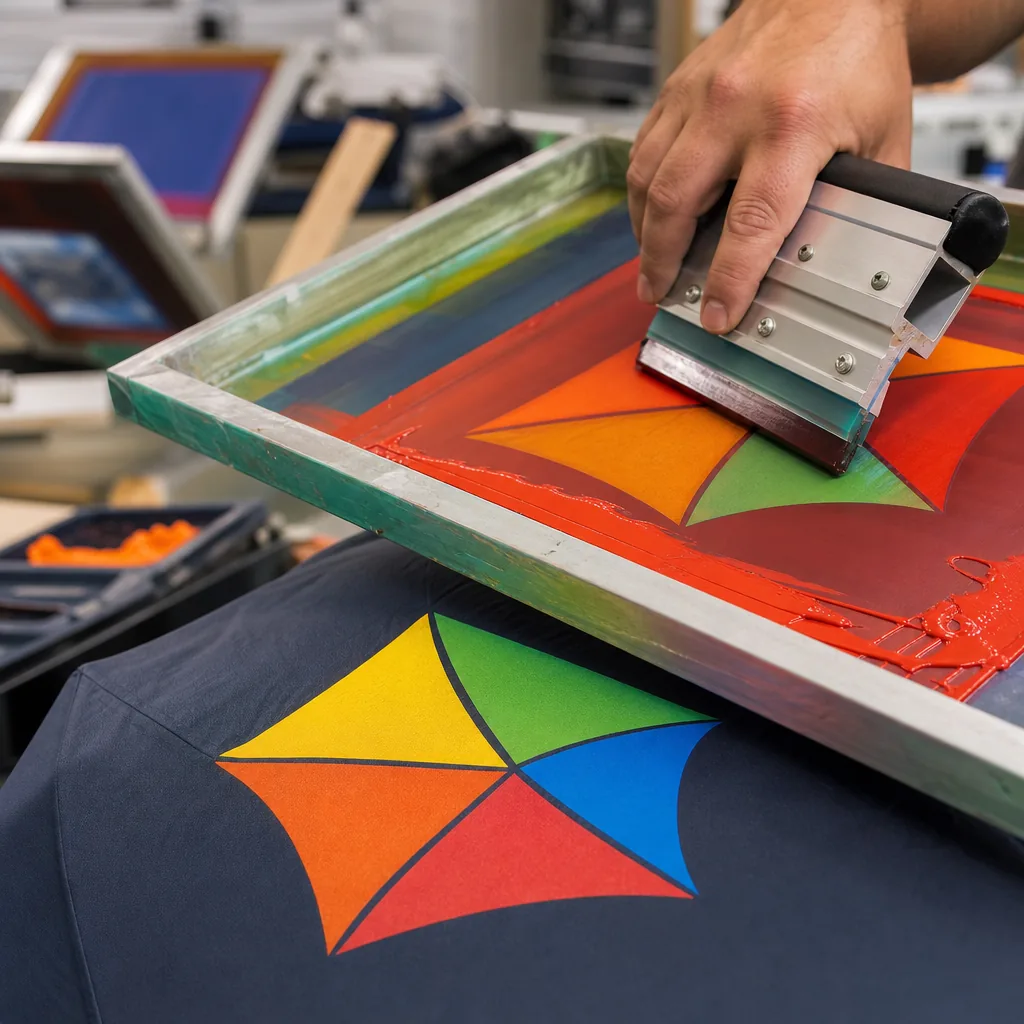
In the umbrella sample approval process, approve print before you judge the frame. An 8K or 10K pre-production sample can still fail if the canopy misses the approved color strike-off. Compare the canopy to the strike-off under D65 light and normal office light, not just warehouse fluorescent, and set the tolerance before sampling begins: many promotional orders accept a visual match around Delta E 2.0-3.0, while retail programs usually require a tighter target. On 190T or 210T pongee, check logo distortion where artwork crosses panel seams, registration drift along the edge binding, and whether adjacent panels stay level when the canopy is fully tensioned. Panel alignment problems show first at the crown and the closing strap, especially on stripes or step-and-repeat prints. Before signoff, confirm the strap position does not sit 8-10 mm off-center relative to the logo, because that small offset is obvious at retail.
Use the fit sample or pre-production sample to judge whether sewing and hardware will survive scale-up, not just pass as a hand-finished sample. Check stitch density consistency from panel to panel, clean reinforcement at the top notch, no skipped stitches at runner stress points, and no puckering on coated fabric. Verify rib pocket symmetry, straight tip cap seating, a centered top cap, and ferrules with smooth finishing and no paint buildup, plating defects, or sharp burrs. Review the sample against AQL 2.5 appearance criteria so production approval reflects actual factory control. Then run 3-5 full open-close cycles: the umbrella should open smoothly, lock fully, track straight, and close without drag, spring hesitation, or runner catching. For double-canopy styles, confirm even tension across both layers, symmetrical vent gaps, and no shadowing from inner-layer print. For UPF 50+ styles, inspect coating uniformity at seam lines and request test data tied to the actual fabric lot before final production approval in OEM umbrella development.
Use a Buyer Signoff Sheet to Reduce Rework
Use a single buyer signoff sheet to control the umbrella sample approval process before bulk fabric, frames, and trims are released. The sheet should lock the exact build: open diameter, closed length, total weight with tolerance, rib count, and frame construction—for example, 8K fiberglass ribs versus 8K black steel ribs. Record material codes, not photos alone: 190T pongee, 210T pongee, or POE canopy; shaft size and metal type such as 14 mm iron or 12 mm aluminum; and handle, tip, sleeve, and carton specifications by internal item code. Add artwork placement, carton marks, and a pass/fail line for every checkpoint. This gives the buyer a usable production approval record and reduces substitution risk, rework cost, and delays caused by conflicting email threads or chat screenshots. For OEM umbrella development, a pre-production sample that “looks right” is not enough if the approved record does not state exactly which frame, fabric, and trim set can go into mass production.
Artwork and packing errors drive a large share of OEM order disputes, so document them as measurable checkpoints. For printing, specify logo position by panel in millimeters from the seam and canopy edge, print method—screen print, heat transfer, or sublimation—Pantone reference, and the approved color strike-off date. If the order includes a fit sample for a sleeve, gift box, or retail master carton, record insertion direction, barcode position, and export carton marks exactly as signed off. Add pass/fail notes for opening force, runner movement, auto-open-close function, and visible defects such as canopy puckering, mis-sewn panels, and print ghosting. A signed umbrella sample approval process sheet also helps resolve disputes: if bulk goods differ from the approved 21 inch or 23 inch sample, frame spec, or shipping marks, both sides can compare against one controlled document. It also gives QC a clear standard for final inspection under AQL 2.5 by checking dimensions, weight, print location, labeling, and packing against the approved sample rather than making subjective line calls.
Align Sample Approval With Production Timing
In OEM umbrella development, the sample stage sets the production calendar, not just the artwork file. A simple pre-production sample on an existing 23-inch 8K auto-open frame with a stock black shaft and 190T pongee canopy usually takes 3 to 7 days when the logo is a basic screen print and the fabric color is already in mill stock. Lead time typically stretches to 7 to 15 days when the order requires a Pantone-matched canopy, a double-canopy vented construction, or a new curved-handle mold. It can take longer if tooling must be opened or the factory needs to verify fit between the ferrule, ribs, and runner before assembly. In practice, the approved sample date triggers frame sourcing, canopy printing slots, carton planning, and vessel booking. If the sample slips by a week, the entire umbrella sample approval process slips with it, and the buyer loses schedule certainty on cost, capacity, and ship date.
The most reliable umbrella sample approval process follows a fixed sequence: sample request, artwork check, color strike-off, fit sample for new components, then the final pre-production sample for production approval. That sequence matters most on custom handles, unusual 10K or 16K frames, and clear POE, PVC, or EVA umbrellas where canopy tension, weld marks, scratches, and closing-strap position are easy to reject. Bulk fabric cutting and rib assembly should start only after production approval on the physical sample, not after artwork approval on screen. Approval timing also affects purchasing and logistics: a 5 to 7 day delay can miss the booking window for custom-dyed 210T pongee, force MOQ decisions before colors are signed off, disrupt FOB consolidation with other SKUs, or push a DDP shipment into a later customs and trucking cycle. Standard practice is to lock bulk lead time only after signed production approval, then schedule from fabric arrival, print capacity, assembly loading, and final AQL 2.5 inspection.
Frequently Asked Questions
Can a production sample still differ slightly from the first approved prototype?
Yes. A prototype may validate structure while the pre-production sample reflects final bulk materials, printing, and packaging. Buyers should treat the pre-production sample as the final approval standard for mass production.
What is the most common reason umbrella samples get rejected?
The most common issues are logo color mismatch, incorrect fabric selection such as 190T instead of 210T pongee, and mechanism feel that does not match expectations. Missing written specs during sampling is usually the root cause.
How many sample stages are typical before bulk umbrella production starts?
Most OEM umbrella orders go through 3 to 4 stages: material or color swatch approval, prototype or fit sample, print/branding confirmation, and one final pre-production sample. For straightforward designs, buyers can often combine stages and approve in 2 to 3 rounds.
What details should be locked at pre-production sample stage to avoid delays later?
Before mass production, confirm canopy fabric, frame and rib specs, handle material, print placement, Pantone references, stitching details, packaging, and carton marks. Any change after PPS approval can add 7 to 15 days depending on material availability and print setup.
If the approved sample and bulk order differ slightly, what tolerance is normally acceptable?
Minor variation in print shade, fabric hand feel, or assembled size can happen in bulk production, but key functional points should match the approved sample. Buyers commonly define tolerance upfront for color matching, dimensions, opening force, and logo position in the purchase specification.
Looking to Launch Your Custom Umbrella Line?
ZheBrella is a Zhejiang-based OEM/ODM umbrella manufacturer with 17 years of export experience. Free design, low MOQ from 100 pieces, windproof construction, full-color print.
Get Free Quote Now »People Also Search For
Related Articles
Umbrella Factory PPAP: How to Approve Parts Before Mass Run
Learn how umbrella PPAP-style approvals reduce defects by locking materials, dimensions, and golden samples before bulk ...
Read More »How Umbrella Samples Are Approved Before Mass Production
Learn how prototype, pre-production, and golden samples reduce color, fit, and mechanism errors before bulk umbrella pro...
Read More »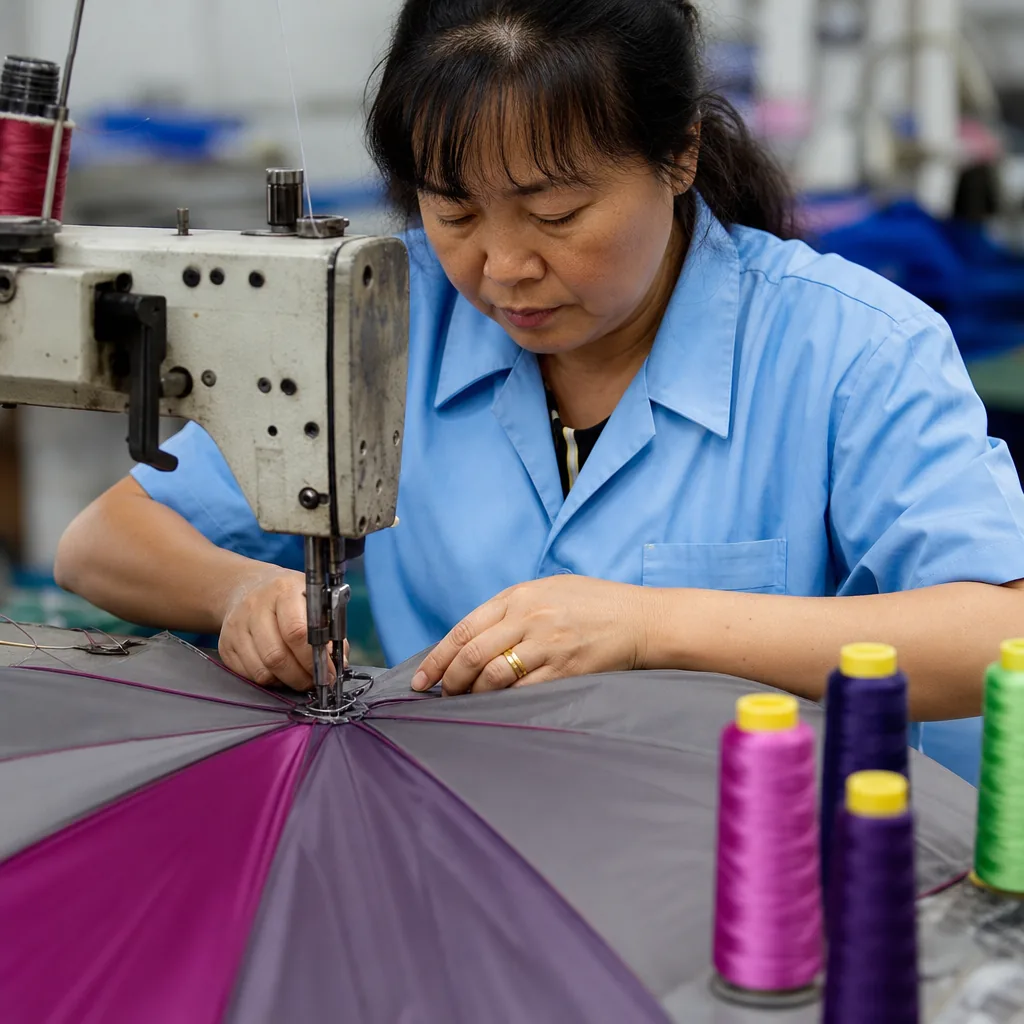
PPAP-Style Documentation for Custom Umbrella Manufacturing
Use a PPAP-style approval process for umbrellas to reduce misbuilds, document specs, and keep OEM orders on track from s...
Read More »