PPAP-Style Documentation for Custom Umbrella Manufacturing
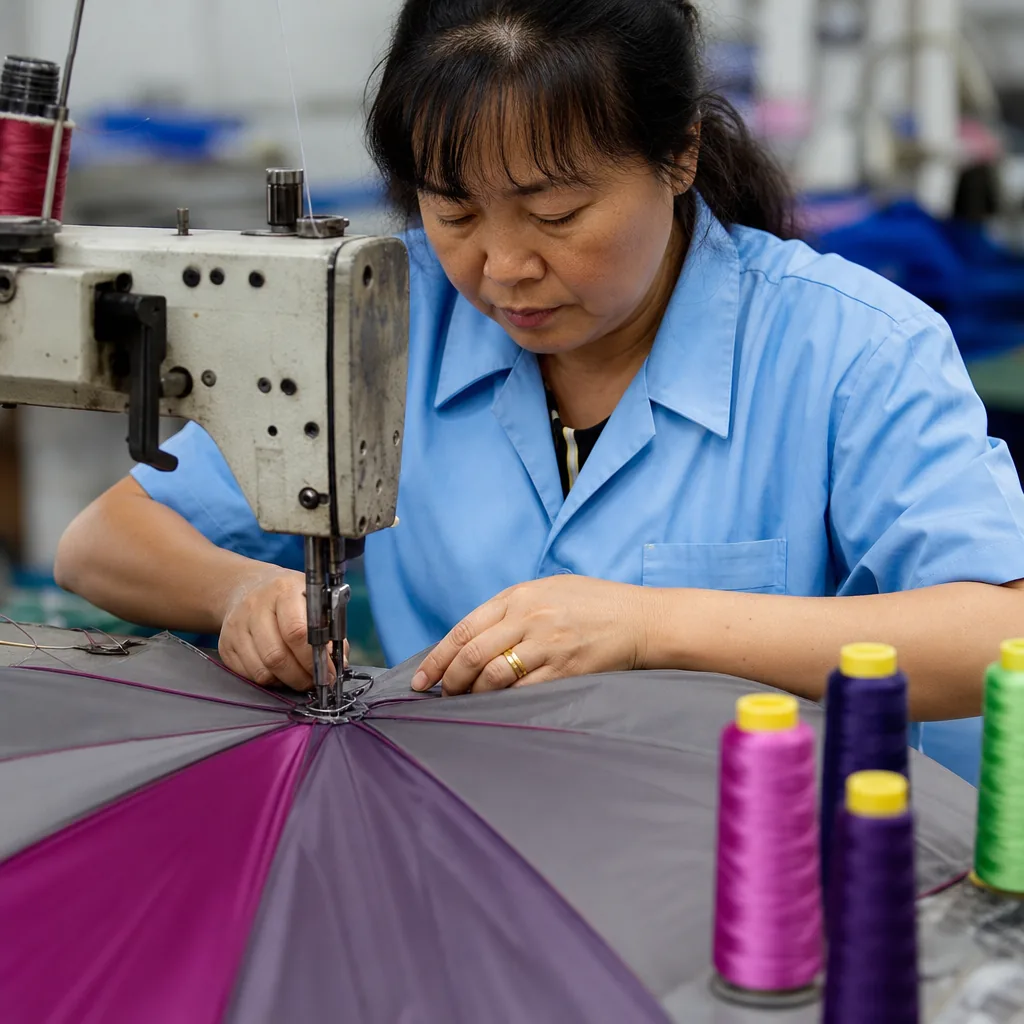
Custom umbrella programs rarely go off track because of one big mistake; they drift when small approvals on canopy fabric, frame gauge, printing position, or carton marks are not locked down the same way by sourcing, sales, and the factory floor. In Songxia production, we prevent that drift with an umbrella production approval process that ties sample sign-off to material checks, in-line build records, and shipment release, so OEM orders do not get remade after tooling, cutting, and assembly are already underway.
Why Umbrella Buyers Need a Structured Approval System
Informal approvals are where OEM and ODM umbrella programs start losing money, usually before one export carton is sealed. A buyer approves a JPG, but the factory converts it into a 21-inch auto-open folding umbrella in 190T pongee while the intended item was a 23-inch straight umbrella with fiberglass ribs, a vented double canopy, or a different Pantone on one panel. Print risk is the most common failure point because screen printing, heat transfer, and full sublimation separate artwork differently, and the result changes again on black pongee, white pongee, and transparent POE. Material language can create the same problem. If the specification says only “windproof,” production may choose steel ribs instead of fiberglass, or an 8K frame instead of 10K, and the umbrella can still pass visual inspection while failing at 40 mph when the target market expected 50+ mph performance. After canopy panels are cut and logos are printed, correction usually means scrap, reprint cost, and a missed vessel date.
A structured umbrella production approval process prevents those failures by freezing the product record before bulk purchasing starts. This is not automotive paperwork forced onto umbrellas; it is a practical umbrella manufacturing documentation framework for OEM quality planning when one SKU can vary by mechanism, 21-inch versus 27-inch size, 190T versus 210T pongee, Teflon or UV coating, UPF 50+ requirement, handle material, tip shape, carton pack-out, and barcode placement. A usable PP sample approval file links the approved sample to the bill of materials, print layout, color standard, frame drawing, sewing points, and packaging specification, so production is not relying on chat history and memory. It also gives the control plan factory team a release standard for canopy cutting, rib assembly, printing, and final packing.
The commercial value is straightforward: lower risk and shorter lead-time drift. When the file is complete, purchasing knows which fabric, frame, and trim are approved; QC can inspect inline and final stages to AQL 2.5; and logistics can verify whether pack-out matches FOB loading or DDP parcel requirements. That matters because a nominal 30-45 day lead time can move past 60 days once substitutions, logo position disputes, or failed drop tests appear after bulk materials are ordered. For umbrella buyers, PP sample approval is simply the decision gate that protects cost and schedule. Document the sample, document the process, and release mass production only when the signed control set matches what the customer expects.
Core Documents to Collect Before Bulk Production
Lock the tech pack before bulk release and tie it to a signed PP sample approval. That file is the backbone of the umbrella production approval process because it gives purchasing, production, and QC one release standard instead of three interpretations. At minimum, the tech pack should fix the style code, open diameter, closed length, and format such as a 21-inch folding umbrella, 23-inch straight umbrella, or 27-inch golf umbrella. It also needs the full frame specification: 8K, 10K, or 16K rib count; manual, auto-open, or auto-open-close mechanism; shaft diameter; steel or fiberglass ribs; stretcher thickness; runner color; spring type; handle material; and tip and top construction. Freeze all mechanism-sensitive parts before the PO is issued, especially auto-open springs, safety runners, button housings, folding joints, and any 8K-to-16K change. Those revisions affect tooling fit, assembly speed, and defect risk. If the design uses a vented double-canopy frame or carries a 50+ mph wind claim, that claim must match the tested frame build already approved in the PP sample, not a later upgraded frame discussed after booking.
The BOM needs enough detail to prevent substitution by assumption. For the canopy, specify 190T or 210T pongee, or POE, PVC, or EVA for transparent styles, along with coating, panel yield, and the approved color standard. Keep approved artwork in the same umbrella manufacturing documentation set with Pantone callouts, print method, panel layout, seam direction, bleed allowance, and logo orientation when the umbrella is strapped closed. Freeze all finish and performance claims before the first pre-production lot, including UPF 50+, Teflon or other water-repellent treatments, and any colorfastness target, because chemistry changes after PP sample approval can change hand feel, print adhesion, and drying time. Packaging specifications belong in OEM quality planning at the same stage as frame and canopy: polybag or no bag, insert card, hangtag, barcode position, carton dimensions, gross weight limit, retail drop-test requirement, and shipping marks for FOB or DDP. Close the file with the signed golden sample, inspection checkpoints, and AQL 2.5 acceptance criteria so the control plan factory team judges bulk production against one approved standard.
Control Plans and Checkpoints on the Factory Floor
A workable control plan starts with the approved BOM and the real routing for that SKU, not a generic sewn-goods template. In the umbrella production approval process, incoming inspection should be mapped by component, supplier, and operation, then linked back to the PP sample approval record, supplier COA, and umbrella manufacturing documentation. For metal and frame parts, verify steel shaft wall thickness, fiberglass rib diameter, resin finish, spring hardness for auto-open or auto-open-close runners, and handle fit tolerance against the approved sample. For 190T or 210T pongee, inspect each fabric roll for width, GSM, color shade, coating adhesion, and any signed Teflon or UPF 50+ requirement before cutting starts. Clear canopies need separate incoming standards by material because POE, EVA, and PVC vary in gauge tolerance and cold-crack behavior. Rib material verification should use three shop-floor checks: magnet test, caliper reading, and weight comparison. That combination catches a common substitution risk in custom umbrella manufacturing, where a steel rib is mixed into a fiberglass windproof frame and still passes visual inspection. The purpose of incoming control is to block avoidable cost, lead-time loss, and field failures before parts reach assembly.
In-process checkpoints belong at the operations where defects are introduced, and each checkpoint should name the part, method, frequency, and reaction plan. After frame assembly, confirm rib count and geometry by model, such as 8K or 10K folding frames and 16K fashion stick umbrellas. Record top-notch alignment, runner travel, and opening function through 10 to 20 cycles with no hang-up, mislock, or spring bounce-back. At canopy sewing, verify panel count against the approved drawing; many standard umbrellas use 8 panels, while golf and promotional styles may differ. Also control stitch density, seam allowance, tip-pocket position, canopy centering, and print registration, since one wrong panel sequence can shift logo placement across the whole order. Final inspection should tie shipment release to AQL 2.5 with defect criteria written in plain language for critical, major, and minor defects. Measure open diameter and closed length on 21 inch, 23 inch, 27 inch, and 30 inch models, run open-close and water-spray checks, and verify carton pack-out by inner count, outer count, barcode, assortment ratio, drop resistance, and gross weight before FOB or DDP release. That gives buyers a control plan factory record they can audit from OEM quality planning through shipment approval.
Managing Changes Without Breaking Lead Time
Late engineering changes usually extend lead time because a custom umbrella is a linked bill of materials, not a single SKU. After PP sample approval, a revision to the handle, shaft finish, rib material, or canopy print can reopen sourcing, artwork separation, screen making, and line booking at the same time. A fiberglass 8K frame is not a drop-in substitute for a steel 8K frame when ferrule fit, runner tolerance, or spring force changes; the approved sample no longer proves assembly consistency. The same applies when moving from 190T pongee to 210T pongee, because fabric weight, sewing tension, and opening feel can shift enough to change the user experience and packing result. In an umbrella production approval process, the practical control is a written change cut-off: 20 to 25 days before mass production for frame, mold, or mechanism changes; 12 to 15 days for fabric color or coating revisions; and 7 to 10 days for carton marks or care-label edits. After those dates, risk becomes physical rather than administrative. Components may already be in supplier production, booked for Songxia assembly, or in transit, so even a minor approved revision can push the FOB or DDP ship date.
The biggest hidden cost is usually MOQ on revised parts. A color change on a plastic crook handle can trigger a new resin run of 1,000 to 3,000 pieces, while a custom ABS straight handle with a logo badge may require 3,000 to 5,000 pieces if painting or plating must be reopened. Smaller trims such as woven labels, tie straps, and Velcro tabs carry lower unit cost, but they still create dead stock if the first approved version has already been cut. Print changes are tighter than many buyers expect: screen printing means new screens for each color plus panel registration checks, while heat-transfer or sublimation revisions usually require a new color proof and panel nesting test. Your umbrella manufacturing documentation should record each revision with a revision code, effective date, old-versus-new photo record, and a written disposition for existing stock. A new pre-production sample is required when the change can affect function, appearance, compliance, or packed size, including manual to auto-open-close, single canopy to double-canopy vented construction, 8K to 10K or 16K rib count, 21 inch to 23 inch or 27 inch size, or adding a Teflon finish, UPF 50+ coating, or a 50+ mph wind claim. Good OEM quality planning ties that decision to a live control plan factory checklist and AQL 2.5 inspection points so engineering can confirm within 24 to 48 hours whether the current schedule holds or mass production moves by 5 to 12 days.
How Documentation Supports Claims, Compliance, and Shipping Terms
Signed records decide whether a post-shipment issue becomes a quick settlement or a stalled argument. In an umbrella production approval process, the PI, PP sample approval, signed artwork, carton spec, and packing photos need to match line by line: 21-inch folding or 27-inch golf size, 8K or 16K frame, fiberglass or steel ribs, 190T or 210T pongee canopy, handle material, pieces per carton, gross weight, and shipping marks. That alignment matters most when Incoterms are challenged. Under FOB Ningbo, the signed factory release, on-board date, and confirmed carton count establish the transfer point and narrow responsibility for shortages or damage. Under DDP, the same umbrella manufacturing documentation must continue through customs data, consignee labels, outer-carton marks, and last-mile carton identification. Most disputes over shortages, wrong marks, or mixed SKUs trace back to document conflict, such as one file showing 24 pieces per carton and another showing 36, or an approved print file never linked to the packed SKU. Signed records reduce that risk before a claim starts and give both buyer and factory a defensible record when it does.
Quality claims also move faster when records are built into production instead of reconstructed after shipment. A usable OEM quality planning file should connect incoming checks for shaft tube thickness and rib hardness with in-line canopy color and logo registration checks, open-close cycle test records for manual, auto-open, and auto-open-close frames, waterproof test notes, and final AQL 2.5 inspection reports with defect photos. If a double-canopy vented umbrella is challenged for failing below its claimed 50+ mph wind rating, or a UPF 50+ silver-coated style arrives with shade variation, the control plan factory records should identify the fabric lot, coating batch, and frame assembly line. That speeds root-cause analysis, corrective action, and claim closure. The same approved file set also makes reorders cleaner: once carton dimensions, barcode position, POE or EVA sleeve spec, sewing tolerance, and pallet pattern are locked, repeat orders typically run faster than a first custom order that took 45 to 60 days, often landing in the 25- to 35-day range. It also gives global brands cleaner audit evidence through PP sample approval, artwork revision history, required REACH or CPSIA reports, and documented closure of corrective actions.
Frequently Asked Questions
Is a PPAP-style process too heavy for promotional umbrella orders?
No. Even a simplified version with an approved BOM, PP sample, artwork sign-off, and control checklist can prevent the most common production mistakes on mid-volume promo orders.
When should buyers require a new PP sample after changes?
A new PP sample is advisable when there are changes to canopy fabric, print method, frame material, rib count, handle, mechanism, or packaging layout. Small copy edits on a hangtag may only need documented approval, depending on risk.
Which umbrella components should be locked in the approval file before bulk production starts?
At minimum, lock the canopy fabric code and color, frame and rib material, shaft diameter, handle shape and finish, tip and ferrule style, logo artwork placement, carton specs, and packing method. If any of these change after PP approval, most buyers require a revised signed sample or deviation notice before production continues.
How many approved samples should a buyer keep for an umbrella OEM order?
A practical setup is three approved sets: one held by the buyer, one kept in the factory quality file, and one placed on the production line as the visual standard. For higher-volume programs, buyers often add one sealed retention sample for claims review after shipment.
When should a factory reissue PPAP-style documents on a repeat umbrella order?
Reissue them whenever there is a material or process change, such as new fabric supplier, frame gauge adjustment, revised print artwork, new packaging, or a different assembly line. Even on repeat SKUs, many importers ask for updated approval records if the last order was more than 6 to 12 months ago.
Looking to Launch Your Custom Umbrella Line?
ZheBrella is a Zhejiang-based OEM/ODM umbrella manufacturer with 17 years of export experience. Free design, low MOQ from 100 pieces, windproof construction, full-color print.
Get Free Quote Now »People Also Search For
Related Articles
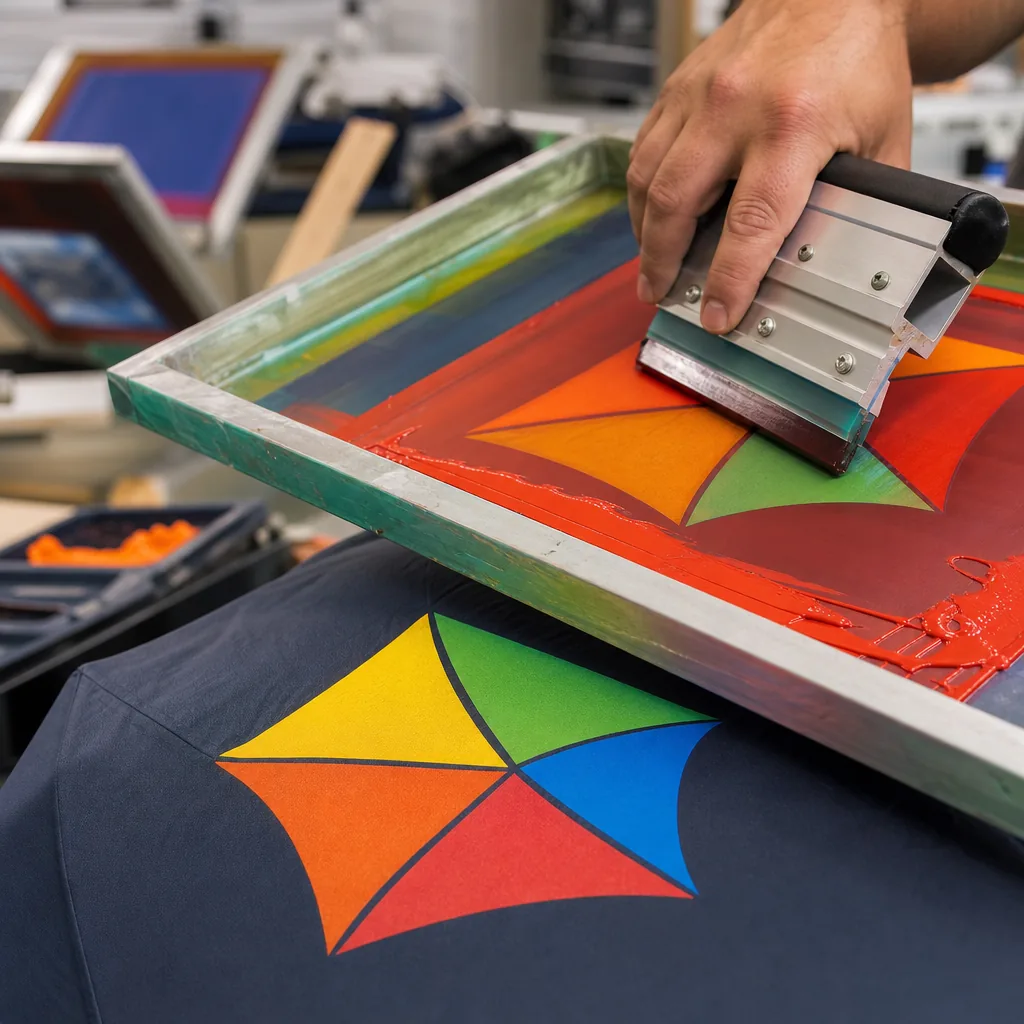
Umbrella Factory PPAP: How to Approve Parts Before Mass Run
Learn how umbrella PPAP-style approvals reduce defects by locking materials, dimensions, and golden samples before bulk ...
Read More »Umbrella Factory PFMEA: Preventing Defects Before Bulk Production
Use PFMEA in umbrella manufacturing to identify high-risk failure points early, improve process control, and cut defect ...
Read More »
Umbrella PPAP-Style Approval Process for OEM Quality Control
Learn how to structure a PPAP-style umbrella approval process to catch fit, print, and mechanism defects before mass pro...
Read More »