Umbrella Factory PPAP: How to Approve Parts Before Mass Run
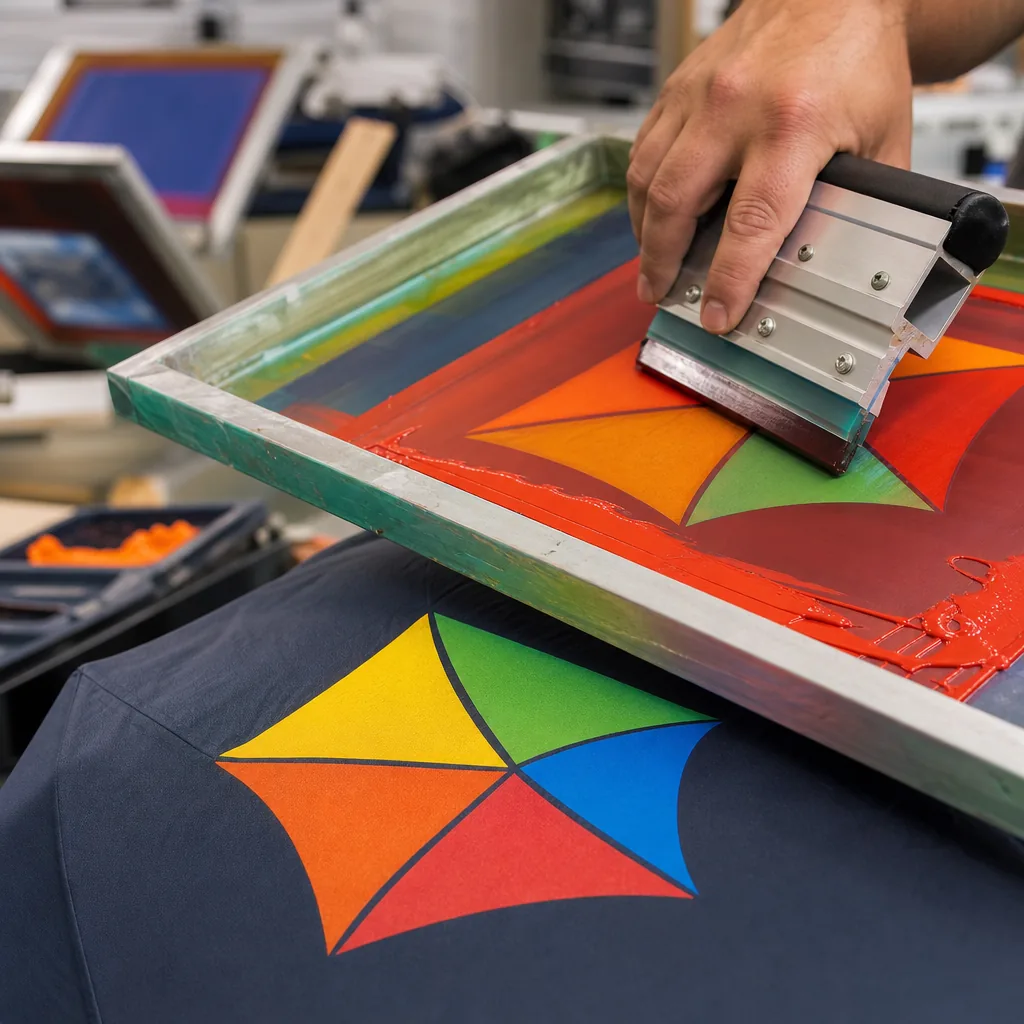
When an umbrella program moves from sample to bulk, the risk is not the first piece off the line but the thousandth, when a small drift in fabric weight, rib hole position, coating thickness, or stitch tension starts turning into rejects and rework. The umbrella ppap process gives buyers a disciplined way to lock materials, dimensions, golden samples, and inspection criteria before mass production, so the factory is approving the same build it will actually run on the floor.
Why a PPAP-Style Process Matters in Umbrella Manufacturing
A disciplined umbrella ppap process is pre-production approval with hard limits: lock the frame, canopy, print, and assembly spec before mass run, then require every supplier to build to the same reference. In OEM and ODM orders, that matters because the failure usually comes from how parts interact, not from one bad component. A ferrule tolerance issue can loosen canopy tension; a handle or runner mismatch can make a correct shaft unusable at final assembly; a fabric change can alter hand feel, water shedding, and sewing behavior. The cost is not one rejected sample. It is approving a vague target and finding the same defect across 3,000 units, with rework, freight delay, and buyer claims attached. Golden sample control reduces that risk by tying production to one approved unit, one approved color standard, and one approved build method.
Pre-production approval also catches failures that photos and sales samples miss. Wrong rib material is a common example: fiberglass and steel can look similar, but they behave differently under wind load, corrosion exposure, and opening force. Canopy substitution is another risk, especially when 190T pongee is quietly replaced with a thinner weave, or a POE/PVC canopy is swapped without confirming clarity, stiffness, and seam behavior. Logo color drift shows up just as fast; without an approved Pantone target and print swatch, a red logo can shift by the second batch. A usable umbrella ppap process forces those checks into the sample stage, where pre-production approval can still stop the order before mass production quality problems are locked into every carton.
The same gate protects against mechanism mismatch, which is harder to spot until assembly. An auto-open-close unit can pass a loose incoming check and still fail with the wrong spring force, shaft diameter, or rib count, especially when 21" compact umbrellas are mixed with 27" or 30" golf frames. Mixing 8K and 10K builds in one BOM creates the kind of failure that looks random in the field but is really a system-level mismatch: broken tips, poor closure tension, and inconsistent opening action. A proper approval package keeps the OEM umbrella parts list, fabric swatch, print target, and mechanism sample aligned before the first shipment. That reduces repeat defects, shortens corrective action time, and gives the buyer a real basis for mass production quality control instead of arguing over photos after production has already started.
Which Parts and Specs Buyers Should Freeze Before Production
Freeze the frame skeleton with measurable specs before production. Specify rib material (8mm fiberglass or 6mm steel), shaft diameter (16mm x 0.3mm wall for a 27-inch stick), and rib count (8K compact, 10K mid-range, 16K golf-style). Lock the auto-open mechanism type: manual push, spring-loaded auto-open, or dual-spring auto-open-close. Include tolerances (±0.2mm shaft diameter) and a signed-off BOM. Without these, your umbrella PPAP process is a photo-op—factories may swap steel for cheaper fiberglass to hit margins.
Canopy fabric is the top post-PPAP rejection cause. Lock down weave count (190T baseline, 210T with Teflon or UPF 50+), coating type (POE vs PVC vs EVA), and shrinkage tolerance (max 3% after first wash to prevent misalignment). Provide a Pantone reference (e.g., PMS 294C for navy) and demand a golden sample with a 30cm fabric cut and coating test result. This prevents bait-and-switch where the sample feels premium but bulk run uses thinner fabric with lighter coating—a common failure in OEM umbrella parts.
Handle finish and mechanical tolerances are final tripwires. Specify Shore hardness for EVA grips (60-70A to prevent cracking after 200 cycles), plating thickness for metal handles (8-10 microns nickel-chrome), and thread pitch (metric M6x1.0 or imperial 1/4-20) for field repairs. Include an approved BOM listing rib pivot pins (stainless vs carbon steel), runner material (ABS vs nylon), and spring wire gauge (1.2mm for auto-open). Tolerances: ±0.2mm shaft diameter, ±5g overall weight. Without this, your golden sample is decoration, and mass production quality drifts before 500 units run.
How Golden Samples, Limit Samples, and PP Samples Are Controlled
The golden sample is the single binding reference, locked in the QC office under D65 lighting and never handled on the production line. For a standard 23-inch 8K steel-frame umbrella, it freezes the canopy diameter at 23 ± 0.2 inches, total weight at 380 ± 5 grams, and opening force at 8–12 kgf. A buyer-approved sales sample—signed off with any cosmetic variances like a 1mm seam tolerance—immediately becomes the de facto golden sample, sealed in a tagged bag with the approval date. This baseline drives the umbrella ppap process, referenced strictly for color matching under D65 and critical dimension checks to prevent spec drift across production batches.
Pre-production samples are the first 20 units pulled after tooling setup, verified against the golden sample at AQL 2.5 for major defects. Inspectors check stitch density at 10–12 per inch on the canopy hem, confirm zero rib sag when fully open, and validate packaging details: polybag seal integrity, carton dimensions, and label placement accuracy. Limit samples bracket the worst acceptable condition—a 1mm off-center snap or 0.5% weight variance—giving line operators a hard stop point. All three sample types (golden, limit, PP) are logged in a digital database with photos, linking each to its PPAP report entry for full traceability from first cut to final pack.
Sample retention follows order volume: 12 months for 5,000 units, 24 months for 50,000 units, enabling direct comparison if a buyer later flags UV fading or canopy delamination. Each sample tag carries a barcode that pulls up the PPAP record, capturing the rib material batch (e.g., 3.0mm diameter fiberglass), canopy coating thickness (0.15mm Teflon), and thread type. Line supervisors treat the golden sample as the enforceable contract, eliminating ambiguity during OEM umbrella parts approval and ensuring every mass-produced unit matches the locked standard.
Factory Verification Steps Before the Bulk Run Starts
The umbrella PPAP process starts with incoming material checks on every supplier lot. Steel ribs undergo hardness and thickness gauge tests; fiberglass ribs are flex-cycled 50 times to confirm no splintering. Canopy fabric—pongee 190T or 210T—is scanned for pinholes and shade uniformity under a light table, with dye-lot numbers recorded for traceability. POE or PVC coating that fails the adhesion peel test is quarantined immediately. This gate stops defective raw stock—fabric, ribs, shafts—from reaching assembly, reducing rework risk and protecting AQL 2.5 targets.
First-article assembly locks the golden sample control. We pull 30 pre-production samples from the first tooling setup and run functional checks: auto-open units fired 200 times to verify spring consistency, and double-canopy vented models tested in a 50-mph wind tunnel. Fit testing covers rib-to-runner clearance, canopy tension symmetry, and handle-to-shaft torque. Any rib spacing deviation beyond 0.5 mm triggers tooling adjustment before proceeding. This signed-off master sample becomes the benchmark for every production unit, ensuring OEM umbrella parts meet spec before bulk runs.
Final verification is a line trial of 300 units under full production conditions. Inspected to AQL 2.5, we check canopy seam strength, print registration on heat-transfer logos, and auto-open-close cycle reliability. Defect rates above 1.5% halt the line for root-cause correction. Supplier lot traceability data from incoming checks cross-references material shifts. Only after the line trial passes—typically within 25 days for a standard OEM order—do we greenlight full production.
What to Put in the Buyer Approval File
A buyer approval file in the umbrella PPAP process replaces guesswork with measurable specs. Include a full BOM listing every OEM umbrella part—ferrule, push-button spring, shaft—with supplier part numbers and material grades. Attach signed vector artwork with Pantone references, a laminated 5×5 cm fabric swatch (190T pongee, Teflon coating, UPF 50+), and a frame spec sheet detailing rib gauge (6.0 mm fiberglass vs 4.5 mm steel), rib count (8K, 10K, or 16K), and wind-tunnel results at 50+ mph. Without this, a disputed color shift or rib fracture can freeze production for two weeks of back-and-forth emails.
Test records and logistics specs belong in the same file to prevent costly rework. Include the AQL 2.5 pilot-run inspection report (200 pieces), seam-strength pull test (minimum 15 N for 190T pongee), and auto-open cycle test (2,000 cycles). Add a dimensioned carton-mark diagram—a 1 cm width error can inflate a DDP container load by 8% and trigger a $500 rebooking fee. Lock in shipment terms as FOB Shanghai or DDP warehouse, referencing Incoterms 2020. This single reference cuts repeat-order lead times from 45 to 28 days by eliminating the first-article approval loop.
Golden sample control hinges on a dated, signed photo of the approved unit showing rib curvature, canopy tension, and handle finish. Seal one sample at the factory and one at your office; the file photo acts as the third witness. If a mass-run batch arrives with a 3 mm shorter rib or matte instead of gloss handle, the file settles the dispute immediately. Post-signature, enforce a 24-hour tooling freeze to block unapproved changes like a 0.5 mm thinner steel tube. The file also cements MOQ per SKU and lead-time buffers—7 days for canopy printing, 10 for assembly—so rush-order requests get a data-backed yes or no, not a guess.
Frequently Asked Questions
Is PPAP only for automotive suppliers, or can umbrella factories use the same logic?
Umbrella factories usually do not run full automotive PPAP, but the same approval logic works well for OEM orders. A buyer can require a controlled BOM, signed PP sample, material records, and first-article approval before mass production.
What is the minimum order size for a PPAP-style approval workflow?
It can be used even at a 500-1,000 piece MOQ if the umbrella has custom fabric, molded handles, or a nonstandard frame. The documentation is lighter on small runs, but the control points should stay the same.
What umbrella parts should be frozen during PPAP-style approval?
A buyer should freeze the canopy fabric specification, rib and shaft materials, handle material, runner, tips, stitching method, print color standard, carton packing, and signed golden sample. Any later change should trigger written approval before bulk production resumes.
How many golden samples should be kept for an OEM umbrella order?
A practical setup is 3 signed golden samples per SKU as an example calculation to verify in the supplier quote: 1 for the buyer, 1 for the factory production team, and 1 for QC comparison during inline and final inspection. The approval record should list the SKU, sample date, fabric lot, frame specification, and approved signer.
What data should be checked before releasing umbrella mass production?
For a 2025 buyer approval checklist derived from supplier quotation data and sample-room measurement records, verify at least 3 measurable items: canopy arc size in inches or centimeters per SKU, rib length tolerance in millimeters per frame type, and fabric color against the approved Pantone or lab-dip reference. Limits should be treated as buyer-approved specifications, not assumed industry standards, and confirmed in the purchase order.
Looking to Launch Your Custom Umbrella Line?
ZheBrella is a Zhejiang-based OEM/ODM umbrella manufacturer with 17 years of export experience. Free design, low MOQ from 100 pieces, windproof construction, full-color print.
Get Free Quote Now »People Also Search For
Related Articles
How Umbrella Samples Are Approved Before Mass Production
Learn how prototype, pre-production, and golden samples reduce color, fit, and mechanism errors before bulk umbrella pro...
Read More »
PPAP-Style Documentation for Custom Umbrella Manufacturing
Use a PPAP-style approval process for umbrellas to reduce misbuilds, document specs, and keep OEM orders on track from s...
Read More »
Umbrella PPAP-Style Approval Process for OEM Quality Control
Learn how to structure a PPAP-style umbrella approval process to catch fit, print, and mechanism defects before mass pro...
Read More »