Storm Umbrella Specs for Insurance and Utility Programs
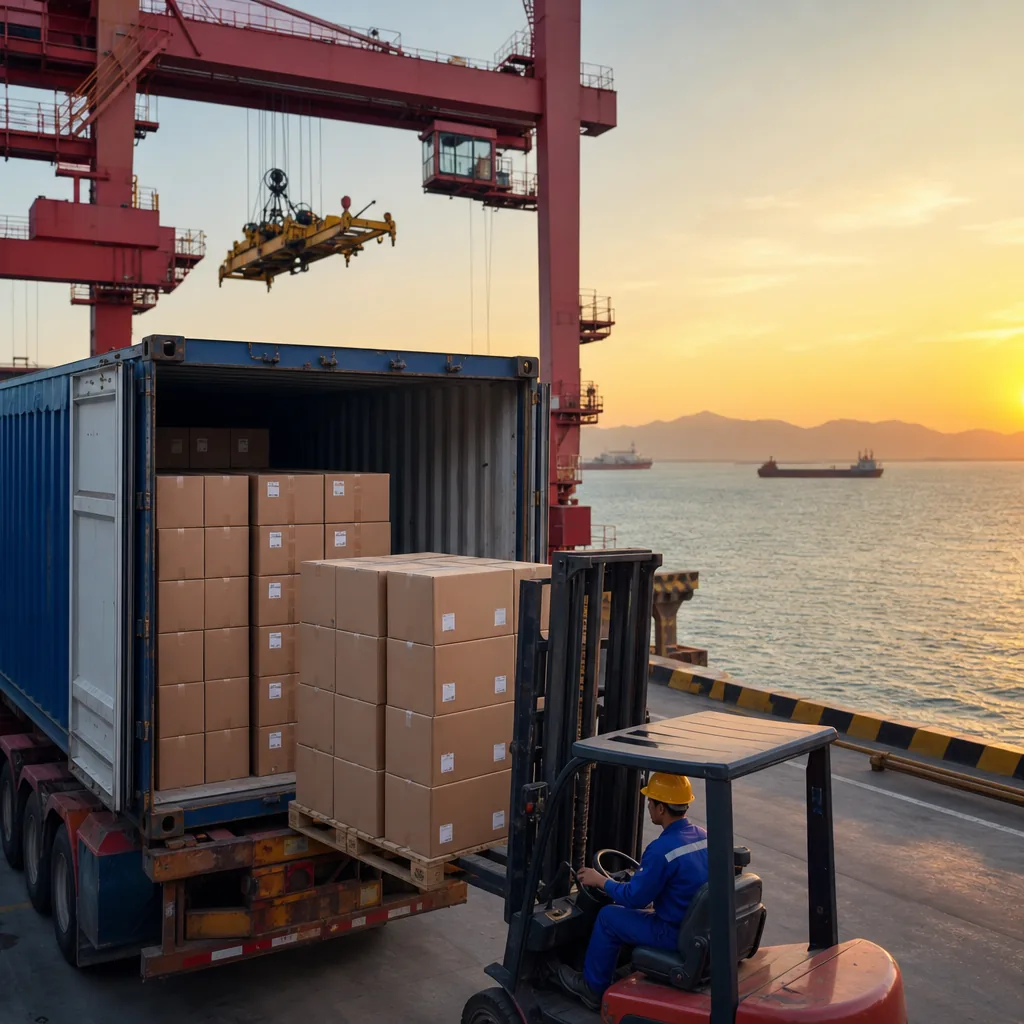
For insurance, utility, and roadside programs, an umbrella failure is not just a product defect; it becomes a brand complaint at the worst possible moment. When we prepare a storm umbrella bulk order on the factory floor in Songxia, we look first at rib material, shaft strength, canopy tension, AQL 2.5 inspection points, carton loading, and DDP handover risks before we talk about logo placement.
Why Storm Programs Need Different Umbrella Specs
Storm programs fail when the umbrella is treated like a trade-show giveaway. Insurance promotional umbrellas, utility branded umbrellas, roadside kits, and emergency preparedness packs are used in bad weather by people who are already annoyed, delayed, or standing near traffic. That changes the spec. I would rather quote a 23" or 27" umbrella with fiberglass ribs, a reinforced steel shaft, 8K or 10K rib layout, and 190T or 210T pongee than chase the cheapest thin steel frame that inverts on the first gust. For a storm umbrella bulk order, the target is fewer breakages, fewer call-center complaints, and safer handoff in parking lots, claim centers, depot counters, and field-service trucks.
Durability is not one material choice; it is a system. For windproof umbrella sourcing, we normally look at fiberglass ribs versus painted steel ribs, runner strength, stretcher thickness, rivet setting, and canopy tension after sewing. A double-canopy vented construction helps release pressure, and a properly built 8K or 10K frame can survive 50+ mph wind-tunnel testing without permanent rib deformation. Auto-open is useful for one-handed deployment during rain, but auto-open-close compact models need stronger springs and stricter cycling tests. For bulk emergency umbrellas, I avoid brittle low-grade plastic handles and specify safer rounded tips, secure caps, and no sharp exposed rib ends because these products may be distributed quickly to families, elderly customers, or field crews.
Complaint rates usually come from overspecifying the logo and underspecifying the umbrella. A large heat-transfer or screen-printed brand mark on 190T pongee is fine, but the fabric still needs water-repellent finishing, stable dye lots, and clean panel alignment so the canopy does not twist under load. For utility branded umbrellas, reflective piping, high-visibility panels, or UPF 50+ coating can be more useful than another color on the logo. Our standard practice at ZheBrella is to confirm production samples, run AQL 2.5 inspection, and pack by distribution unit before shipment, whether FOB Ningbo/Shanghai or DDP to a warehouse. A storm umbrella bulk order should also build in realistic lead times: usually 25–35 days after artwork approval for common 23" models, longer for custom molds or 30" golf umbrellas.
Recommended Frame and Canopy Construction
For insurance promotional umbrellas and utility branded umbrellas, I would not spec a cheap 8-rib steel frame unless the program is strictly indoor handout stock. A proper storm umbrella bulk order should start with fiberglass ribs because they flex back after inversion better than painted steel, especially on 23", 27", and 30" stick umbrellas. For shafts, reinforced steel gives good stiffness and lower cost on straight umbrellas, while fiberglass shafts reduce weight and corrosion risk for crews working around rain, salt spray, or utility yards. The common choice is 8K fiberglass ribs for balanced cost and strength; 16K is worth it when the umbrella needs a more stable canopy profile in gusts or when the brand wants a visibly more premium construction. I avoid thin 6K frames for emergency programs because they fail first at the rib tip, runner notch, or stretcher joint during wind-driven rain.
A double-canopy vented windproof design is the safest construction for windproof umbrella sourcing because it lets pressure escape instead of forcing the whole canopy to flip. On the factory floor, the critical detail is not just “vented canopy” on the spec sheet; the upper and lower canopy panels need clean overlap, consistent seam allowance, and enough vent gap so air can exhaust without exposing the user to rain. For bulk emergency umbrellas, I usually pair 8K fiberglass ribs with a reinforced steel shaft for cost-sensitive utility programs, or 16K fiberglass ribs with a fiberglass shaft for higher-value insurance kits. A realistic wind target is survival in 50+ mph gust testing, but buyers should ask whether that rating comes from a controlled wind tunnel, field testing, or only supplier claim language. The runner, spring, and ferrule should also be checked because frame failure often starts outside the ribs.
For canopy fabric, 190T pongee is acceptable for standard giveaways, but 210T pongee has a tighter hand, cleaner print surface, and better tear resistance for a storm umbrella bulk order. A DWR water-repellent coating should bead rain immediately after opening, and dark colors should be checked for crocking before packing because wet black and navy fabric can transfer onto hands or vehicle seats if dye fixation is poor. Reflective trim is useful for utility branded umbrellas used near roads, substations, and outage-response sites; it can be sewn as edge piping, panel tape, or logo-adjacent strips, but it must not distort the canopy tension. For compliance, our standard practice at ZheBrella is to inspect rib symmetry, seam slippage, water repellency, opening force, and packed carton condition under AQL 2.5 before FOB or DDP shipment, especially when umbrellas are distributed in emergency-response kits rather than retail displays.
Mechanism and Size Choices for Field Use
For field crews, I usually separate mechanism choice by where the umbrella lives: auto-open stick umbrellas for service vans, compact folding models for glove boxes and claims adjuster bags, and 27" or 30" golf umbrellas for supervisors who stand outside during outage response. A 23" auto-open stick with 8K fiberglass ribs, 190T or 210T pongee canopy, and a straight EVA handle is the safest middle ground for utility branded umbrellas because it opens one-handed when a technician is holding a tablet, traffic cone, or tool bag. Steel ribs reduce cost, but they bend after side gusts; fiberglass ribs flex back better and are worth the extra cents when the umbrella may be used around substations, roadside repair, or storm claims inspections.
Compact 21" auto-open-close folders are better for customer giveaways and insurance promotional umbrellas because they ship efficiently and fit in a vehicle console, but I do not recommend the cheapest 6K mini frames for serious storm programs. A 8K or 10K folding frame with a metal shaft, fiberglass end ribs, Teflon-coated pongee, and a tested push-button system is a better fit for a storm umbrella bulk order. The weak point is not always the rib; it is often the runner, spring, or plastic button housing. In production checks, we cycle the auto-open button repeatedly, look for runner wobble, confirm the latch catches cleanly, and reject units where spring fatigue causes slow opening or incomplete canopy lock.
Golf sizes solve a different problem: coverage, visibility, and durability in hard rain. A 30" double-canopy vented windproof model with 8K or 16K fiberglass ribs can survive 50+ mph wind-tunnel tests when the vent gap and rib arc are built correctly, making it suitable for windproof umbrella sourcing tied to outage response, emergency shelters, or roadside assistance kits. The tradeoff is carton volume and FOB/DDP freight cost; golf umbrellas are poor for mass mailers but excellent for fleet trunks and command vehicles. For bulk emergency umbrellas, our standard practice at ZheBrella is to test opening force, runner travel, shaft straightness, and handle pull strength before AQL 2.5 inspection, especially when lead times are tight at 25–40 days.
Branding, Safety, and Compliance Details
For a storm umbrella bulk order tied to insurance or utility programs, branding has to be readable in bad weather, not just attractive on a sample table. I usually recommend a 23" or 27" canopy in 190T or 210T pongee with one large utility logo on two opposite panels, plus a smaller emergency hotline printed near the valance where the user can see it before opening. Screen printing is the most durable choice for one- or two-color logos; heat transfer works better for gradient utility marks but must be tested for cracking after wet folding. For insurance promotional umbrellas, avoid tiny policy slogans on dark panels because rain glare and street lighting make them disappear. White, safety yellow, orange, and light gray ink hold visibility better than navy-on-black branding.
Safety details should be specified before the artwork is approved, because reflective piping and warning labels affect panel layout. Reflective edge tape, typically 5–8 mm wide, can be sewn into every panel seam or only around the canopy perimeter; perimeter piping is cheaper and cleaner, while seam piping gives better 360-degree visibility for roadside utility crews. For utility branded umbrellas, I prefer high-visibility canopy colors such as yellow, orange, red, or royal blue, especially when paired with fiberglass ribs and a vented double canopy rated to survive 50+ mph gusts. Warning labels should cover lightning risk, pinch points on auto-open or auto-open-close mechanisms, and safe use near traffic or downed power lines. These labels can be woven, satin-printed, or heat-transfer applied inside the canopy or on the hangtag.
Compliance for windproof umbrella sourcing is mostly about proving the umbrella matches the field-use promise. Our standard practice at ZheBrella is to confirm rib count, shaft material, runner locking strength, fabric coating, print adhesion, and sharp-edge safety during pre-shipment inspection under AQL 2.5. For storm-and-sun regions, UPF 50+ coating is a useful optional spec, especially for utility outage crews, hurricane-response kits, and bulk emergency umbrellas distributed in coastal or desert states. Buyers should also lock carton markings, polybag suffocation warnings, Proposition 65 language if selling into California, and GS1 barcodes if the umbrellas enter retail or insurer fulfillment warehouses. A storm umbrella bulk order normally needs 25–35 days after artwork approval, longer if custom PMS canopy fabric, reflective trims, or third-party lab testing are required.
Bulk Order Planning, Inspection, and Logistics
For a storm umbrella bulk order tied to insurance or utility programs, I would not start with decoration artwork; I would lock the functional spec first. A realistic MOQ is usually 1,000–3,000 pieces for a custom 23" or 27" auto-open stick umbrella with 190T/210T pongee, fiberglass ribs, and a branded handle or sleeve; 5,000+ pieces gives better control over fabric dye lot, molded parts, and carton marks. Sampling should include one plain construction sample and one printed pre-production sample, because logo placement on a vented double-canopy panel can shift after sewing. Allow 5–7 days for existing-frame samples, 10–15 days if the program needs custom color matching, and 25–40 days for mass production after written sample approval and deposit. For insurance promotional umbrellas or utility branded umbrellas, I strongly recommend approving the actual mechanism, not just a photo, especially for auto-open or auto-open-close units that will be handed out by field teams during bad weather.
Inspection should be written into the purchase order, not negotiated after production. Our standard practice at ZheBrella is AQL 2.5 for major defects and AQL 4.0 for minor defects, with checks on rib alignment, runner locking, ferrule fit, seam tension, canopy stains, print adhesion, barcode readability, and carton drop condition. For windproof umbrella sourcing, ask the factory to separate lab claims from production checks: a sample may survive 50+ mph in a controlled wind tunnel, but every shipment still needs open-close cycling, rib flex testing, water spray checks, and visual inspection under normal light. Carton packing also matters for bulk emergency umbrellas because they may sit in warehouses until storm season. Common packing is 12 or 24 pieces per export carton, each umbrella in a polybag or RPET sleeve, with silica gel when sea freight timing crosses humid months. Carton labels should show SKU, color, PO, quantity, destination warehouse, and country of origin so 3PL receiving does not relabel everything by hand.
Logistics planning is where many storm programs lose margin. FOB Ningbo or Shanghai works well when the buyer already has a forwarder and wants control over consolidation, customs, and final-mile delivery. DDP is cleaner for regional utility rollouts because the factory-side exporter can quote landed cost to multiple warehouses, but the quote must specify duties, customs clearance, liftgate needs, appointment delivery, and whether split shipments are included. For a storm umbrella bulk order going to five or more DCs, I prefer production packed by destination at origin rather than reworked in a U.S. warehouse; it reduces handling damage and receiving disputes. Build buffer stock into the calendar, not just the quantity. If hurricane, monsoon, or winter storm season drives demand, hold 3–8% extra units or at least reserve raw materials such as black fiberglass ribs, 210T navy pongee, and printed sleeves. Reordering after a storm warning is usually too late, because vessel space, printing capacity, and carton suppliers all tighten at the same time.
Frequently Asked Questions
What umbrella frame is best for storm-related promotional programs?
Fiberglass ribs with a reinforced shaft are preferred because they flex better than steel-only rib systems in gusts. A double-canopy design can further reduce inversion risk.
How early should insurance or utility buyers place storm umbrella orders?
Allow time for artwork approval, sampling, mass production, inspection, and ocean or air freight. For seasonal storm campaigns, ordering several months ahead helps avoid peak freight and capacity pressure.
What wind rating should we specify for utility or insurance umbrellas?
For storm-ready programs, buyers usually request wind-resistant frames with reinforced ribs and double-canopy construction. A practical spec is a fiberglass or fiberglass-steel hybrid frame tested for gust conditions around 50-60 mph, depending on the target market.
What is a typical MOQ for custom storm umbrellas?
MOQ is often 300-500 pieces per color or design for OEM programs, though some factories can support lower quantities at a higher unit cost. If you need multiple branded versions for different branches or regions, confirm whether the MOQ applies per SKU or per total order.
Can AQL 2.5 be used for umbrella inspection before shipment?
Yes, AQL 2.5 is commonly used for general cosmetic and functional inspection on bulk umbrella orders. Buyers can also request additional checks for open-close cycling, print alignment, and frame strength before DDP shipment.
Looking to Launch Your Custom Umbrella Line?
ZheBrella is a Zhejiang-based OEM/ODM umbrella manufacturer with 17 years of export experience. Free design, low MOQ from 100 pieces, windproof construction, full-color print.
Get Free Quote Now »People Also Search For
Related Articles
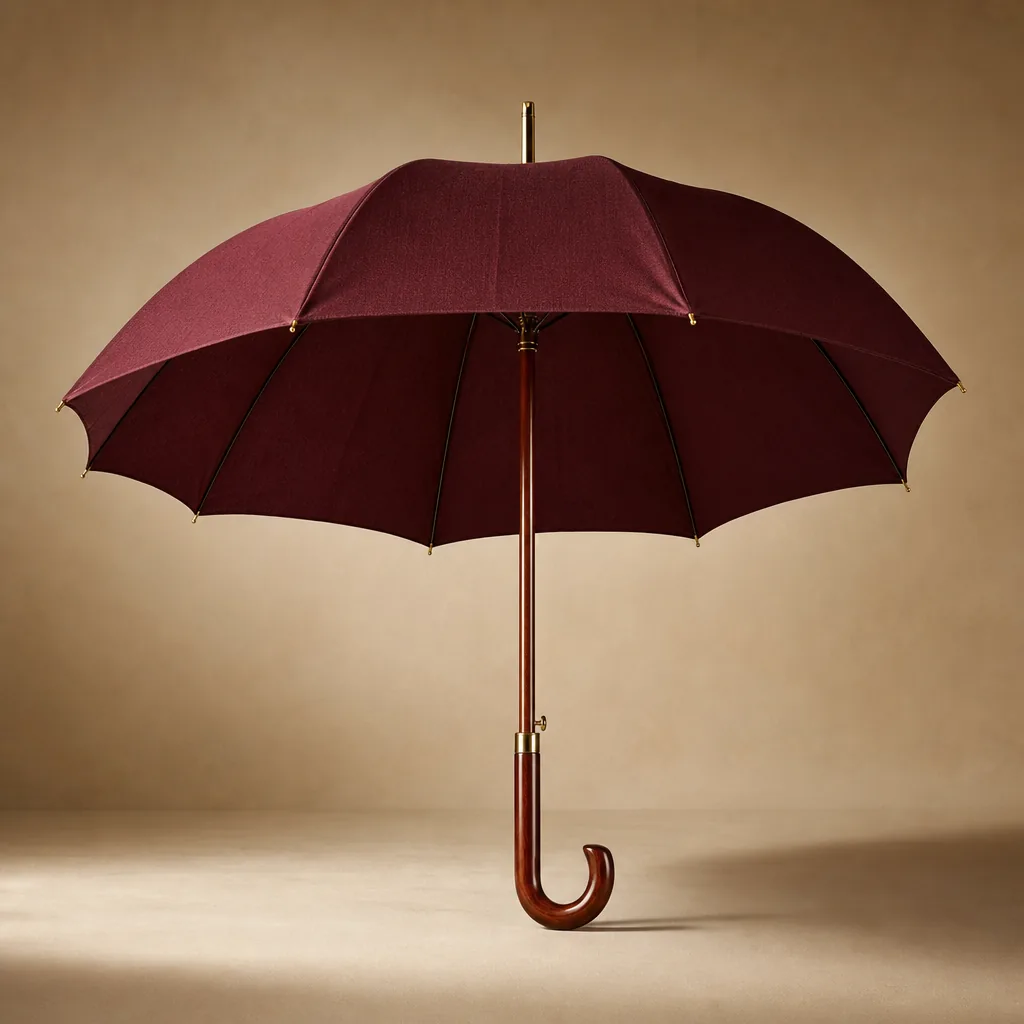
Storm-Ready Umbrellas for Campus and Facility Programs
Choose durable umbrella specs for campuses, hospitals, and facilities with windproof frames, fast reorders, practical br...
Read More »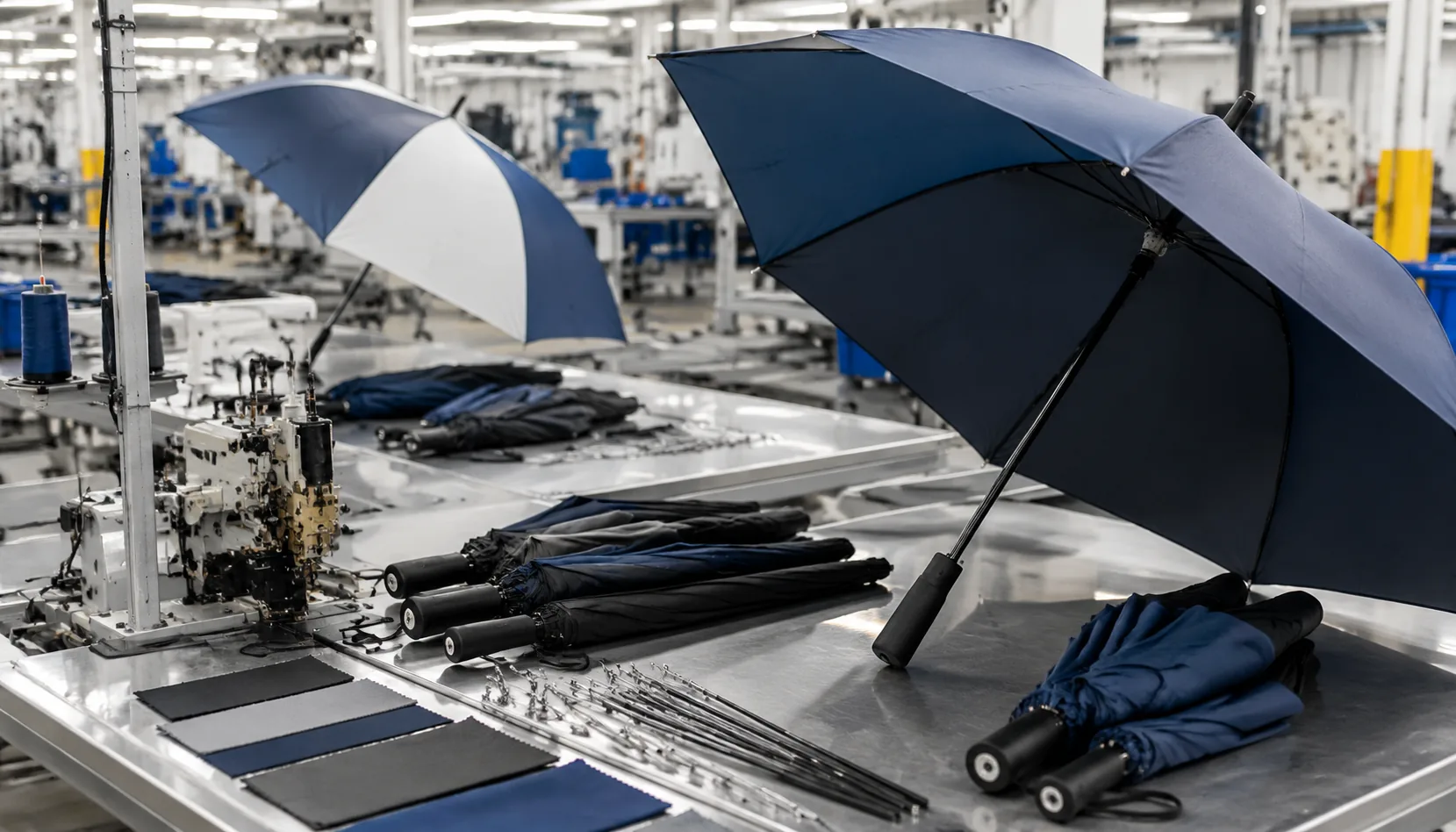
Branded Umbrellas for Insurance Adjusters and Restoration Crews
Plan durable branded umbrellas for adjusters and restoration teams with windproof frames, fast lead times, logo placemen...
Read More »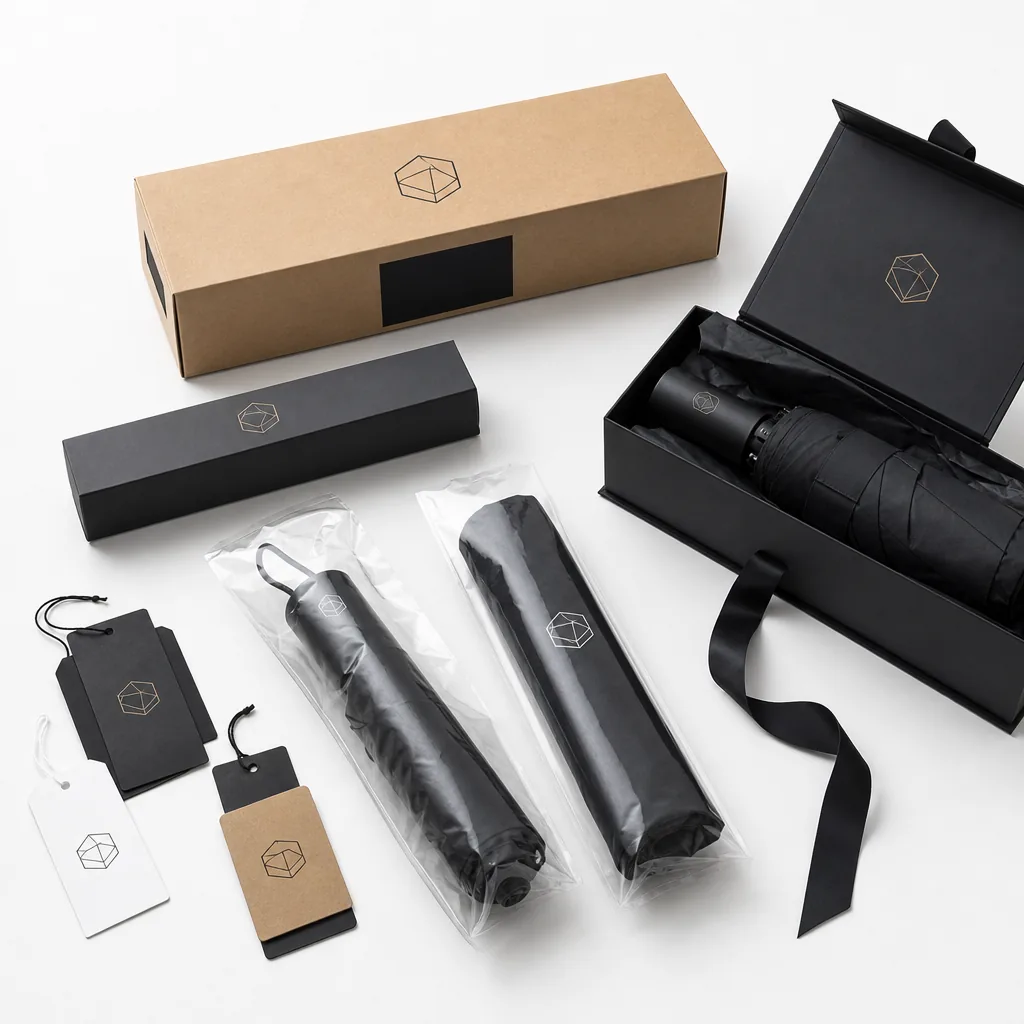
Branded Umbrellas for Insurance Claims and CAT Response
Source umbrellas for claims teams and catastrophe response with durable frames, fast deployment specs, QC controls, and ...
Read More »