Sustainable Branded Packaging for Umbrella Gift Orders
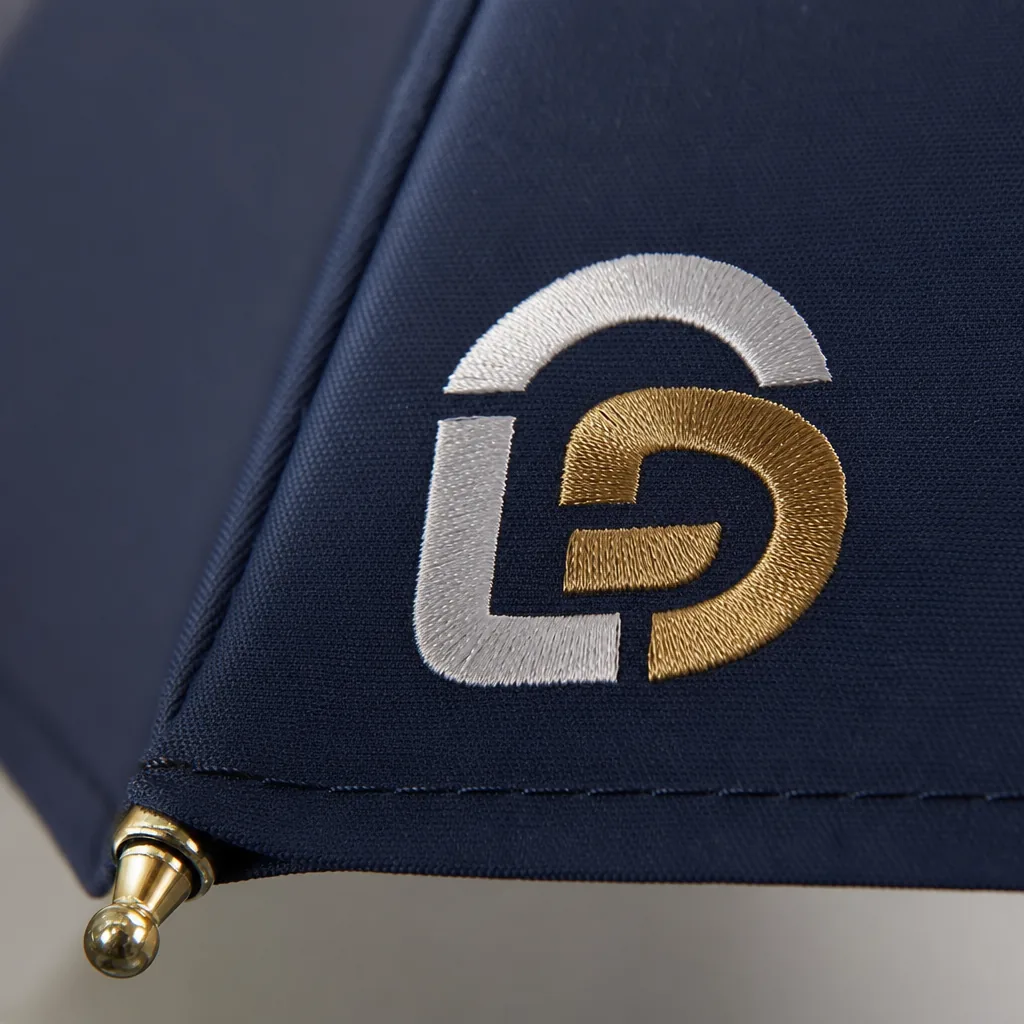
Gift-ready umbrella orders need packaging that protects long shafts, sharp tips, and printed finishes without driving up freight, waste, or compliance risk. From our factory floor in Songxia, we see the tradeoffs every day: kraft sleeves, FSC paper cartons, recycled polybags, and soy inks each affect branding, shelf appeal, and landed cost differently, especially when buyers need sustainable umbrella packaging that still runs smoothly at scale.
Define Sustainability Goals Before Choosing Materials
The biggest mistake I see in corporate gift umbrella packaging is treating “green” as one material choice. Start by ranking the goal: plastic reduction, recycled content, FSC paper sourcing, or curbside recyclability. They are not the same target. If the buyer wants plastic reduction, we remove individual OPP bags, avoid PVC windows, and use a kraft sleeve or paper belly band around the closed umbrella. If the goal is recycled content, the specification should call out 80–100% recycled kraft board, recycled white board, or recycled corrugated for the master carton. If the goal is FSC sourcing, the purchase order needs FSC Mix or FSC Recycled paper with chain-of-custody documentation from the packaging mill, not just a supplier statement in an email.
Curbside recyclability changes the structure more than buyers expect. Branded kraft umbrella boxes are usually recyclable if they use water-based ink, minimal lamination, and no magnetic closures, foam inserts, ribbon handles, or plastic viewing windows. A 21" or 23" folding umbrella can often sit in a 350–450 gsm kraft tuck box with a die-cut paper insert, while a 27" or 30" golf umbrella needs a longer E-flute or B-flute corrugated carton to prevent rib tips from punching through during freight. For eco friendly umbrella gift packaging, I prefer molded pulp or folded kraft inserts over EVA foam, because foam looks premium but causes recycling trouble and increases volume in the master carton.
Master-carton decisions should follow the same sustainability goal instead of being left to the packing line. A recyclable umbrella packaging plan might use 5-ply corrugated cartons with soy or water-based black print, paper tape, and no nylon strapping unless the forwarder requires it. If the order ships FOB Ningbo or Shanghai, cartons mainly need stacking strength and moisture control for 25–35 days on the water; for DDP e-commerce delivery, each gift box may need a tighter-fit outer mailer to survive parcel sorting. Our standard practice at ZheBrella is to confirm the umbrella size, gift-box board grade, insert type, carton quantity, drop-test requirement, and AQL 2.5 packaging checks before quoting sustainable umbrella packaging, because the material claim is meaningless if corners crush or barcodes fail at receiving.
Packaging Materials That Fit Umbrella Formats
Kraft cartons are the safest default for compact and stick umbrellas when the buyer wants sustainable umbrella packaging that still survives export handling. For 21" and 23" formats, a snug kraft carton with a paper insert keeps the shaft from punching through the ends, while FSC art paper works better when the box needs better print quality for retail presentation. Recycled polybags are useful as a dust barrier inside the shipper, but they are not a shipping solution by themselves; they scratch easily, wrinkle in humid containers, and do nothing for impact protection. For eco friendly umbrella gift packaging, I usually prefer branded kraft umbrella boxes when the order includes printing, because kraft tolerates heavy ink coverage, foil accents, and matte coatings without looking cheap.
Molded pulp is the right answer when the umbrella has a wood handle, a large ferrule, or an auto-open mechanism that can snap open if the outer carton is crushed. It gives real corner and tip protection, especially for 27" and 30" stick umbrellas with thicker ribs or metal tips that can scuff the canopy. Minimal belly bands only make sense for short-run retail sets or event giveaways where the umbrella is already packed in a rigid master carton; by themselves, they are not enough for freight. For recyclable umbrella packaging, molded pulp and kraft inserts beat foam every time because they hold shape, separate components, and stay easy to sort at end of life.
Golf umbrellas need the most restraint and the most structure at the same time. A 16K frame, double-canopy vent, and auto-open handle add bulk, so a thin sleeve is usually a bad idea unless the order is local and hand-carried; in export cartons, the ribs and stretch points need head and tip blocks or a full paperboard cradle. Corporate gift umbrella packaging for this class usually lands on FSC art paper cartons over kraft cores when the buyer wants a premium unboxing feel, but the inside still has to be plain structural paper, not decorative filler. In practice, the best sustainable umbrella packaging is the simplest packaging that prevents shaft bend, canopy crush, and accidental opening during transit.
Branding Options on Lower-Impact Packaging
For sustainable umbrella packaging, the cleanest branding choices are still soy-based inks, one-color printing, debossing, paper labels, and water-based coatings. In practice, one-color black, deep green, or dark brown artwork gives the best result on branded kraft umbrella boxes because kraft stock is absorbent and naturally uneven in tone; that texture is exactly why it reads as lower-impact packaging, but it also limits the sharpness you get from full-process graphics. We usually steer buyers toward simple logo placement, a flat 1C print, or blind debossing when they want eco friendly umbrella gift packaging that still looks deliberate. Water-based coatings can improve scuff resistance without creating the plastic feel of laminated boards, which matters for corporate gift umbrella packaging that is meant to be opened, handled, and recycled rather than kept as retail shelf art.
Kraft paper changes logo contrast more than most buyers expect. On white coated stock, a light Pantone often looks crisp because the surface reflects evenly; on kraft, the same ink can disappear or shift muddy because the brown fiber color sits under it. That is why recyclable umbrella packaging needs adjusted color expectations, not just an artwork file copy-pasted from a white-box project. If a brand insists on exact Pantone matching, we normally push for a printed sample or at least an adjusted strike-off, because the final result on kraft will usually read darker, warmer, and less saturated than the spec sheet suggests. ZheBrella’s standard practice is to treat the sample as the approval reference, not the digital swatch.
Paper labels are useful when the branding needs more flexibility than direct print, especially for short runs or multi-SKU programs. They let you keep the box structure simple while varying language, QR codes, seasonal messages, or retailer-specific marks without rebuilding tooling. For sustainable umbrella packaging, that is often the cleanest compromise: the box stays recyclable, the ink coverage stays low, and the label can carry the heavier branding load when needed. The main mistake I see is buyers asking for metallic inks, heavy flood coats, and glossy finishes on kraft and then expecting it to behave like coated art paper; it will not. If the goal is lower-impact presentation with controlled branding, keep the palette tight, approve against a physical sample, and design for the surface you are actually printing on.
Protection, Moisture Control, and Quality Checks
Sustainable umbrella packaging only works if it protects the frame hardware first. When we ship steel or fiberglass ribs, ferrules, tips, and UPF 50+ coated canopies, the weak point is usually not the canopy fabric but edge crush and point loads from the ferrule and tip stack inside the box. Thin recycled board is fine for short domestic moves, but for export it needs proper structure: a snug inner wrap, corner support, and enough board caliper to stop rib ends from punching through during carton compression. For corporate gift umbrella packaging, I usually recommend keeping the package count low but not stripping out the buffers that prevent scuffing on 21" to 30" umbrellas, especially on auto-open-close models with heavier handles and tighter packing tolerances.
Recyclable umbrella packaging also has to survive handling abuse, not just look clean on a shelf. We test for drop impact with the umbrella packed as it would travel: one corner, one edge, and flat drops are the minimum check, because crushed branded kraft umbrella boxes usually fail at the corners first. If the order is sea freight, humidity control matters as much as impact control; kraft board can warp, labels can lift, and adhesive can soften when cartons sit in a damp container for weeks. Our standard practice is to use a liner or desiccant plan when needed and to keep the outer carton tight enough that the inner box does not rattle, which is where most hidden abrasion damage starts.
For inspection, AQL 2.5 is the right filter for packaging defects if you care about retail acceptance. We check for crushed boxes, broken corners, print offset, and label defects such as skewed barcodes, missing product names, or rubbed brand marks, because those are the issues that trigger chargebacks even when the umbrellas themselves are fine. Eco friendly umbrella gift packaging should still pass a real visual standard: clean edges, readable markings, and no oily stains from the canopy or handle transfer. The practical balance is simple—use sustainable umbrella packaging that is genuinely recyclable, but do not cut so much material that a ferrule dent, a bent rib, or a moisture-softened box turns into a customer complaint after arrival.
Cost, MOQ, and Shipping Trade-Offs
At common B2B order volumes, sustainable umbrella packaging usually costs more in material than a plain white carton, but the spread is smaller than buyers expect if the box structure stays simple. FSC paperboard and recycled-content boards typically add a modest premium over virgin kraft, while branded kraft umbrella boxes with two-color printing are still far cheaper than laminated art paper or full-color rigid setups. The real cost jump comes from custom inserts: molded pulp, die-cut paperboard, or flocked trays can add meaningful tooling and unit cost, especially on lower MOQ runs where the mold or knife charge is spread over fewer units. For eco friendly umbrella gift packaging, I usually see the best value in recycled board plus a paper insert, because it keeps the look clean without turning the carton into a miniature retail display.
Lower-plastic options also change packing labor and damage rates. If you replace PET windows, foam blocks, or blister-style supports with recyclable umbrella packaging, you often save on material compliance risk but may need tighter tolerances on the umbrella length, handle style, and folding profile. That matters for corporate gift umbrella packaging, where 21-inch and 23-inch foldables can fit in compact cartons, while 27-inch or 30-inch sticks push you into a larger box and more void fill. In practice, MOQ should be set around the packaging format, not just the umbrella model: a simple kraft sleeve can run at lower MOQ, but certified boards and custom inserts usually need a higher minimum to keep unit economics reasonable.
Packaging cube hits freight harder than most first-time buyers realize. FOB is driven by carton count, pallet density, and the space the finished master case consumes in the export container; if you shave 10% off the box dimensions, you often get a cleaner loading pattern and better container utilization. Under DDP, the same cube reduction compounds because last-mile and local courier rates are frequently billed by volumetric weight, not just gross weight, so oversized gift boxes can cost more to deliver than the umbrella itself. Certified materials also change lead time: FSC paper, recycled board with chain-of-custody paperwork, and custom printed inserts usually add several days for material booking and pre-production approval, so a standard run might ship in 20–25 days, while certified or highly customized packaging often needs 25–35 days depending on print complexity and local paper mill availability.
Frequently Asked Questions
Is kraft packaging always cheaper than white printed gift boxes?
Not always. Plain kraft can be cost-effective, but certified FSC kraft, custom die cuts, inner supports, and specialty printing can raise the unit cost.
Can sustainable packaging still look premium for corporate gifts?
Yes. Premium results often come from rigid structure, clean one-color branding, well-fitted inserts, and a coordinated card or band rather than heavy lamination or plastic windows.
What packaging materials work best for premium umbrella gift orders without increasing freight costs too much?
Kraft paper boxes and FSC-certified folding cartons are usually the best balance of presentation and shipping efficiency. They add a premium look while staying lightweight, and many buyers keep carton wall thickness around 350-400 gsm to control freight.
Can recycled polybags still be used for umbrella packaging in Europe and North America?
Yes, recycled polybags are often accepted for inner protection, but many buyers prefer them only as secondary packaging. For retail compliance, check local plastic reduction rules and consider pairing them with paper-based outer packaging.
What is a typical MOQ for custom printed sustainable umbrella packaging?
For branded kraft boxes or FSC paper cartons, MOQs often start around 1,000 to 3,000 pieces per design, depending on print complexity and box structure. Soy-ink printing and one-color layouts usually have lower setup costs than full-color finishes.
Looking to Launch Your Custom Umbrella Line?
ZheBrella is a Zhejiang-based OEM/ODM umbrella manufacturer with 17 years of export experience. Free design, low MOQ from 100 pieces, windproof construction, full-color print.
Get Free Quote Now »People Also Search For
Related Articles
Eco-Minded Umbrella Packaging for Private-Label Brands
Plan recyclable umbrella packaging with FSC paper, kraft boxes, reduced plastic, and factory specs that support brand go...
Read More »Sustainable Packaging Claims for Branded Umbrella Lines
Build credible sustainable packaging claims for umbrella programs with material choices, labeling rules, and factory che...
Read More »
Sustainable Packaging Branding for Private-Label Umbrellas
Compare kraft, FSC paper, soy ink, and recyclable sleeves for private-label umbrellas, with branding tips for retail and...
Read More »