Sustainable Packaging Claims for Branded Umbrella Lines
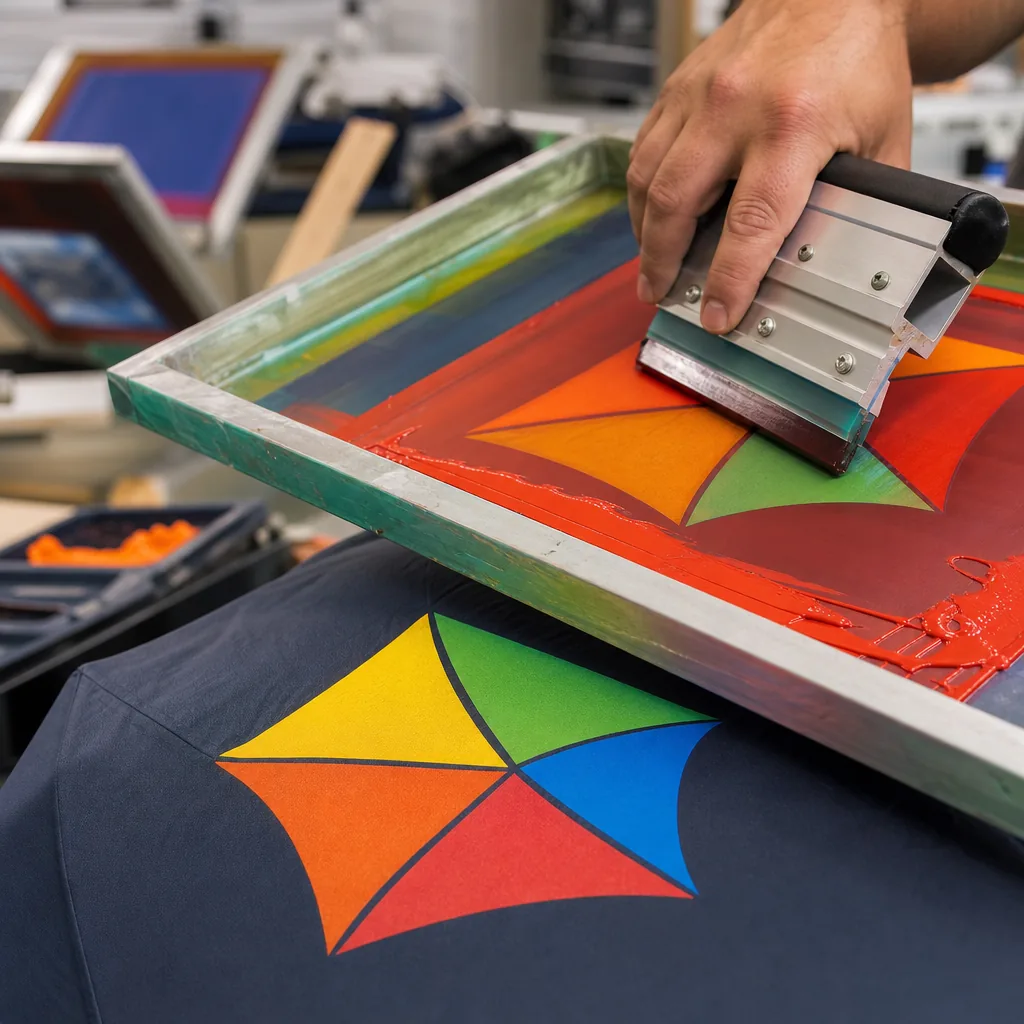
Buyers sourcing branded umbrella programs are under pressure to make greener packaging claims, but loose wording, mixed materials, and weak factory controls can turn a simple carton spec into a compliance problem. On our floor in Songxia, that usually comes down to what is actually packed at the line: polybag gauge, paper mix, print coverage, carton marks, and whether sustainable umbrella packaging claims match the bill of materials and outgoing inspections.
Why Sustainability Claims Need Specific Proof
Vague environmental copy creates immediate procurement risk because buyers now test every sustainable umbrella packaging claim against the BOM, supplier declarations, and end-of-life route in the destination market. That scrutiny is highest on multi-SKU retail programs and corporate orders shipping under FOB or DDP into more than one country. If copy says "sustainable umbrella packaging" but does not identify the material, recycled-content percentage, or disposal path, compliance teams will treat it as unsupported. The problem usually starts with mixed pack-outs: an FSC paper sleeve, a PP or PE polybag, a paper hangtag, a silica gel sachet, and a corrugated master carton do not follow the same rules. One unsupported component can weaken the full branded umbrella packaging claim and delay approval. Writers should use auditable language instead: FSC paperboard carton and hangtag, 80% post-consumer recycled kraft wrap, plastic-free inner pack, or removal of individual polybags from the standard pack configuration. Those statements give procurement something concrete to verify and reduce review risk.
The safest packaging copy is specific because recyclability depends on construction, not intent. State whether the retail box is FSC-certified paperboard, whether the inner wrap is plastic-free, whether the mailer is a recyclable mono-material structure, and whether recycled content is pre-consumer or post-consumer. For eco friendly umbrella packaging, small design choices matter: PET windows, film lamination, mixed-material labels, and magnetic closures can move a pack out of normal paper-recycling streams. Do not claim "100% recyclable" unless every consumer-facing component is recyclable in the buyer's target market. A plain 350 gsm SBS carton is not equivalent to a paper sleeve with a PET window, and sourcing teams will check that difference against the BOM during compliance review. To keep recyclable umbrella packaging claims defensible, lock every line of copy to approved material callouts, coating details, supplier records, FSC umbrella packaging chain-of-custody references, recycled-content declarations, and any transit-test files required before mass production.
Packaging Materials That Fit Umbrella Programs
Transit protection should decide the pack format before branding does. For most 21-inch or 23-inch folding umbrellas in 190T or 210T pongee, an FSC paper sleeve or paper belly band is usually sufficient if the canopy is strapped tightly and both the tip and top notch are capped to prevent punctures during carton vibration. That is where sustainable umbrella packaging works in practice: use the lightest paper-based format that can pass pack-out, container loading, and last-mile handling without increasing damage rates. FSC paper sleeves are typically the better retail choice on programs above a 1,000-piece MOQ because they print cleanly with water-based inks and support clearer branded umbrella packaging claims. Paper belly bands cost less, but they leave more of the canopy exposed, so they are a weaker option for white canopies, clear POE dome umbrellas, or EVA fashion umbrellas that scuff or attract dirt more easily.
Move to stronger packaging when the umbrella adds weight, bulk, or hard contact points. A 27-inch or 30-inch golf umbrella with a vented double canopy, fiberglass ribs, a wooden crook handle, or a 16K windproof frame puts more pressure on the ferrule, runner, and handle than a standard 8K manual compact, and simple sleeves can collapse inside master cartons. The result often shows up later at AQL 2.5 inspection as rubbed canopies, bent tips, or dented handles. In those cases, a kraft box with molded pulp end supports gives better stacking strength and keeps recyclable umbrella packaging claims more defensible by replacing foam or mixed-plastic trays with a paper-based structure. Recycled polybags still serve a practical purpose as a dust and moisture barrier on FOB ocean shipments from Zhejiang, especially in humid months, and they also reduce ink rub after heat transfer or screen printing. For eco friendly umbrella packaging claims, specify post-consumer content and local recyclability clearly. A low-risk setup is FSC umbrella packaging for the consumer-facing layer, a thin recycled polybag only when export conditions justify it, and water-based inks on sleeves, boxes, and cartons. Typical lead times are 15 to 25 days for printed sleeves or belly bands and 20 to 30 days for custom kraft boxes with molded pulp inserts.
Aligning Packaging Claims With the Umbrella Spec
Tie every packaging statement to the umbrella bill of materials, not to a vague brand story. If the purchase order confirms RPET 190T or 210T pongee, fiberglass ribs, and a repairable auto-open frame with replaceable runner or spring parts, your copy can reference durability and material efficiency alongside sustainable umbrella packaging. If the item is a basic 21 inch or 23 inch promotional umbrella with a steel frame, virgin polyester canopy, and a one-way riveted shaft, do not let a kraft carton imply a sustainable product. Keep the language exact: “FSC paper hangtag,” “recyclable export carton,” or “soy-ink printed belly band” are defensible; “green umbrella” or “fully sustainable” are not. That is where branded umbrella packaging claims fail retailer review, procurement review, or post-shipment document checks. The rule is simple: keep umbrella material claims separate from pack claims unless the BOM, supplier paperwork, and approved artwork support both.
Control scope before artwork approval, because that is where claim risk usually starts. A UPF 50+ sun umbrella with silver UV undercoating, a 27 inch or 30 inch arc, and a fiberglass/fiberglass rib set may support service-life or sun-protection messaging, but those are product claims, not eco friendly umbrella packaging claims. The same boundary applies to clear POE, PVC, or EVA canopies: FSC umbrella packaging, a recycled paper insert, or other recyclable umbrella packaging does not make the umbrella itself sustainable. Separate the artwork line by line: one line for umbrella spec, one for packaging spec, one for disposal guidance. Then link each claim to checks QC can verify at AQL 2.5, including paper grade, print callout, barcode label stock, dieline, and supplier paperwork. Also account for lead time. Switching from a standard OPP sleeve to a paper wrap or custom FSC carton can add 3 to 7 days to a normal 35 to 45 day production window, especially on orders below MOQ or under custom FOB or DDP packing terms.
Retail Labeling, Icons, and Market Compliance
The biggest retail risk is not weak copy; it is a packaging claim that does not match the pack the buyer receives. For sustainable umbrella packaging, every recycling mark, FSC statement, disposal instruction, and barcode must map to the actual component on shelf. A Mobius loop on a paper belly band, kraft gift box, or e-commerce mailer is not enough if that same pack uses plastic lamination, metallic foil, or a mixed-material window that local recycling streams reject. That applies whether the SKU is a 21" folding umbrella or a 27" golf umbrella: the claim has to follow the substrate, finish, and pack construction, not the artwork. FSC umbrella packaging has a tighter control point. You can print the FSC logo only when the specific packaging component is covered by valid chain-of-custody documents from the certified printer, and retail buyers may ask for that paperwork during approval. In US and EU programs, sign-off commonly requires dielines, material declarations, and sometimes transit test records before shelf packaging is released, so imprecise branded umbrella packaging claims create direct cost, delay, and rework risk.
QR codes are useful for traceability, but they do not replace required on-pack content. Put disposal instructions on the pack in the selling language plus any required market languages, then use the QR code for deeper claim support, sourcing notes, or component-level guidance. For eco friendly umbrella packaging, that means telling the consumer how to separate each included part, such as a paper tube, PP polybag, EVA handle protector, silica gel sachet, or any PVC or POE window. Keep EAN-13 or UPC barcode labels, GTIN labels, and retailer compliance stickers in a protected quiet zone with strong contrast and no textured varnish so scanners can read them under store lighting; apply the same rule to QR codes. Retailer packaging manuals usually go beyond general market compliance and may lock icon libraries, minimum type sizes, country-of-origin wording, suffocation warnings, carton label formats, and exact placement rules for recyclable umbrella packaging claims beside price labels or hangtag punches. Even if 23" and 30" umbrellas share one visual system, each SKU still needs its own scannable label set and disposal copy matched to its actual pack structure.
Factory Controls for Consistent Sustainable Packaging
Control sustainable umbrella packaging at the sourcing stage, not on the packing line. If you replace a standard PE polybag with a kraft paper sleeve, FSC umbrella packaging insert, or molded pulp tray, lock three records before production starts: a signed component spec, a supplier certificate, and a sealed pre-production sample matched to the exact umbrella SKU. The spec should state paper basis weight, moisture range, dimensions, board grade if used, and any coating or adhesive that affects recyclability. The certificate should come from the mill or converter and confirm fiber origin plus coating chemistry, because branded umbrella packaging claims fail quickly when a paper part includes plastic lamination, wet-strength resin, or unsupported ink claims. The approved sample must match the actual size and frame type. A 21-inch folding umbrella, 23-inch auto-open, and 27-inch straight umbrella load sleeves and trays differently, affecting fit, handle clearance, and carton count. For risk control, tie every recyclable umbrella packaging claim to one component code, one supplier lot, and one retained factory sample so incoming inspection, line issuance, and shipment records support the claim.
Testing has to confirm that eco friendly umbrella packaging survives warehouse humidity and export handling without damaging the umbrella or breaking the claim. Start with a fit check after 24 hours in normal warehouse conditions, then run carton drop tests on faces, edges, and corners using the final pack count and the actual umbrella mix. Load distribution matters: a 23-inch umbrella with fiberglass ribs and a curved handle can drive pressure into one carton panel, while a 30-inch golf umbrella with a vented double canopy increases void space and corner-crush risk. Molded pulp end caps or paper wraps that hold a manual 8K frame may still fail on an auto-open-close 10K frame if the runner or top notch shifts in transit, and poor retention can scuff 190T or 210T pongee during vibration. At final inspection, apply AQL 2.5 to the packaging as well as the umbrella: wrong material, mixed supplier lots, missing recycle marks, and unapproved print copy should be major defects. Buyers should also price the operational impact. Moving from stock polybags to custom paper or molded pulp usually adds 7 to 12 days on repeat orders and 12 to 18 days on first runs, while MOQ often rises from about 500 umbrellas to 1,000 to 3,000 packaging sets per size and artwork, whether shipments move FOB or DDP.
Frequently Asked Questions
Can umbrella packaging be completely plastic-free?
Often yes for boxed or sleeved retail programs, using paper bands, paper wrap, and kraft cartons. For moisture-sensitive sea freight, buyers should confirm whether inner protection is still required.
What sustainable packaging claim is safest for international buyers?
Specific claims are safest, such as “FSC-certified paper box” or “recyclable paper belly band.” Avoid broad phrases like “100% eco-friendly” unless every component and certificate supports it.
What documents should a buyer request to support an FSC packaging claim on an umbrella program?
Ask for the supplier's current FSC chain-of-custody certificate number, the exact board or paper specification used for your order, and the approved artwork showing the FSC label variant. The PO and packaging BOM should match those certified materials, or the claim should not appear on the packaging.
Can we claim an umbrella package is recyclable if it uses mixed materials like paperboard, adhesive labels, and a plastic window?
Usually only with qualification. If the pack includes a PET or PVC window, foil lamination, or heavy mixed-material construction, many buyers switch to wording such as 'paperboard carton recyclable where facilities exist' and remove broad front-panel recyclability claims.
What factory checks help prevent unsupported sustainability claims before mass production?
Use a pre-production packaging approval, then verify three points during inline inspection: incoming material labels, print text against approved claim language, and final pack construction. For custom umbrella programs, buyers commonly require one packaging signoff before production and one random carton check during final inspection 7-10 days before shipment.
Looking to Launch Your Custom Umbrella Line?
ZheBrella is a Zhejiang-based OEM/ODM umbrella manufacturer with 17 years of export experience. Free design, low MOQ from 100 pieces, windproof construction, full-color print.
Get Free Quote Now »People Also Search For
Related Articles
Eco-Minded Umbrella Packaging for Private-Label Brands
Plan recyclable umbrella packaging with FSC paper, kraft boxes, reduced plastic, and factory specs that support brand go...
Read More »
Sustainable Branded Packaging for Umbrella Gift Orders
Compare kraft, FSC paper, recycled polybags, and soy inks for branded umbrella packaging that supports gift appeal, comp...
Read More »
Sustainable Branded Umbrella Packaging Without Weak Displays
Build greener umbrella packaging that still protects auto-open frames, supports brand claims, and passes retail handling...
Read More »