Sustainable Branded Umbrella Packaging Without Weak Displays
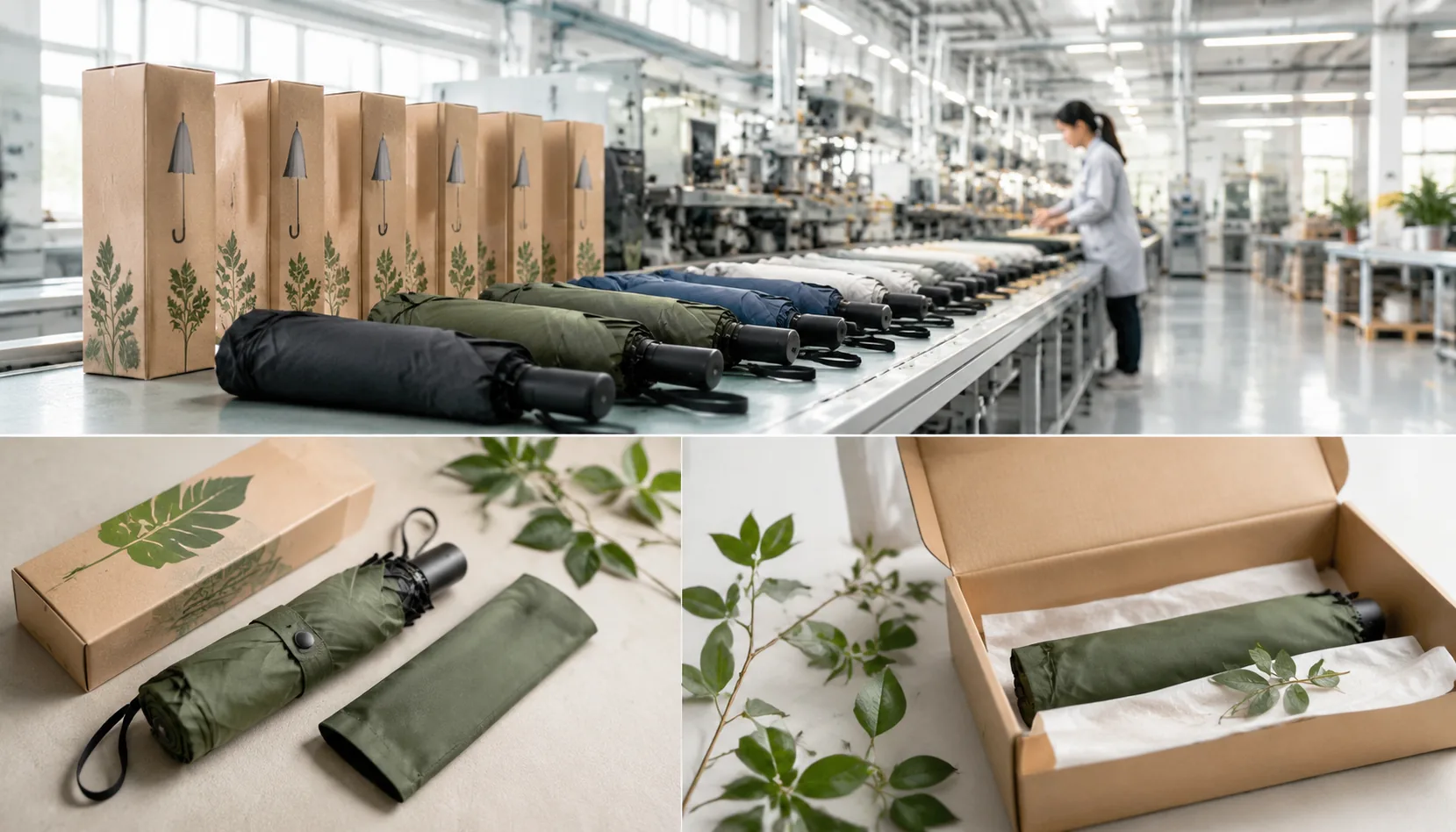
Buyers want greener packs, but umbrellas are hard on packaging: auto-open ribs press outward, wet fabric adds weight, and retail cartons get dropped, squeezed, and re-stacked before anyone sees the display. On our Songxia factory floor, sustainable umbrella packaging only works when material choices are tested against frame tension, handle abrasion, barcode scanning, and real export-carton handling—not just a recycling claim on the dieline.
Set a Practical Sustainability Target
A practical target starts with choosing the sustainability lever you can actually prove: plastic reduction, recycled paper content, FSC-certified paper, soy-based ink, smaller master cartons, or mono-material packaging. I do not recommend asking for “green packaging” as a blanket requirement; it creates confusion between the paper mill, print house, and umbrella assembly line. For sustainable umbrella packaging, the cleanest first step is usually replacing individual OPP sleeves with kraft paper belly bands, recyclable paper sleeves, or FSC paper hang tags, while keeping the umbrella protected during carton compression and sea freight humidity. If the umbrella uses a POE or EVA cover, decide whether that cover is part of the product or the package, because retail buyers and compliance teams may classify it differently. For retail umbrella packaging design, the sustainability target must still support barcode placement, hang-hole strength, color branding, and anti-scuff protection for printed handles or coated canopies.
Recycled content sounds simple, but the details matter. A 250–350 gsm kraft sleeve with 30%–70% recycled fiber behaves differently from virgin white card when it is die-cut, folded, and stacked in humid Zhejiang summer weather. FSC Mix paper is easier to document than vague “eco paper,” but it adds cost and requires chain-of-custody paperwork from the paper supplier, not just a logo printed on the box. Soy-based ink is useful for eco branded umbrella packaging, especially on kraft cartons and sleeves, but metallic inks, heavy flood coating, and glossy lamination can weaken the recyclability claim. If the buyer wants recyclable umbrella packaging, avoid mixed structures such as paperboard plus PET window plus plastic hook unless the retail team accepts that the consumer must separate components before disposal.
Every claim should be tied to supplier documents before artwork approval, not after mass production. For B2B tenders, ask for FSC certificates, recycled-content declarations, ink statements, material safety data sheets where relevant, and carton compression specs; for retail review, keep the same claims consistent across the purchase order, dieline, packaging print file, and shipping marks. Private label umbrella packs also need realistic transit testing: a 23-inch auto-open umbrella in a paper sleeve may pass shelf presentation but fail if packed too loosely in a 5-ply export carton for DDP delivery. Our standard practice at ZheBrella is to confirm the target, then sample the actual packaging stack-up under carton drop, rub, and humidity checks before approving bulk materials. Smaller cartons can reduce board use and freight volume, but only if they do not increase crushed tips, bent ribs, or AQL 2.5 cosmetic failures at final inspection.
Protect the Umbrella Without Overpacking
The first job of sustainable umbrella packaging is not to look “green”; it is to stop rib deformation, cracked ferrules, bent tips, dented handles, and jammed auto-open buttons before the carton reaches a retailer. A 21" compact umbrella with a 3-fold steel shaft fails differently than a 30" golf umbrella with fiberglass ribs. Compacts need protection around the runner, push button, and handle end because they are packed densely, often 50–100 pieces per master carton. Golf umbrellas need longer cartons, anti-rub spacing at the tips, and stronger end protection so the ferrule does not punch through during sea freight vibration. For 8K frames, a slim recycled paper sleeve plus OPP-free belly band can work if the carton compression is right. For 16K frames, especially with thicker fiberglass ribs, we prefer a formed paper tray or reinforced kraft insert at the crown and handle so the frame does not twist under stacked load.
Double-canopy windproof models need more care than standard straight umbrellas because the vented canopy creates extra fabric bulk near the top notch. If the pack is too tight, the buyer receives creased 190T or 210T pongee, distorted vent seams, or pressure marks on heat-transfer logos. For retail umbrella packaging design, I do not like heavy plastic clamshells; they protect well but waste cube, increase DDP freight cost, and look dated. A better structure is a recyclable umbrella packaging system using a kraft sleeve, molded pulp or folded paper end caps, and a small paper hang tab tested for peg display weight. For auto-open and auto-open-close models, the button area should never sit directly against carton walls. A simple button guard made from folded 350–400 gsm paper prevents accidental triggering and avoids the common complaint that the spring feels weak after transport.
Eco branded umbrella packaging still has to pass drop, compression, and AQL 2.5 inspection logic, not just a sustainability checklist. In our line trials at ZheBrella, private label umbrella packs usually work best when the inner pack is reduced but the master carton is upgraded: 5-ply export carton for golf umbrellas, moisture-resistant kraft liner for long sea routes, and corner protection where ferrules and handles concentrate load. Compact umbrellas can use individual recycled paper sleeves instead of polybags when the canopy has a clean water-repellent finish such as Teflon coating, but PVC or POE dome umbrellas may still need a separator sheet to prevent surface scuffing. The practical target is simple: remove plastic and empty volume first, not structural protection. Sustainable umbrella packaging fails when it treats a 16K windproof frame like a cheap 8K giveaway; the frame geometry, handle weight, and canopy bulk must decide the pack.
Choose Materials That Still Look On-Brand
Kraft sleeves are the safest starting point for sustainable umbrella packaging when the umbrella will hang on a peg, ship in bulk, or be handed out at an event. A 250–350 gsm kraft sleeve with a die-cut handle window shows enough canopy color without pretending to be a gift box. For 190T pongee promotional umbrellas, I like paper belly bands only when the folded diameter is consistent; loose sewing tolerance or thick 16K frames will make the band creep during carton vibration. Recycled paperboard boxes, usually 350–500 gsm gray-back or white-back board, give better retail blocking for private label umbrella packs, especially 23" auto-open and 27" golf styles. The tradeoff is cubic volume: a boxed 30" double-canopy umbrella can add 18–25% to master carton space versus a sleeve, which changes FOB freight math quickly.
Molded paper inserts are useful when the handle finish matters more than the canopy view. We use them for lacquered wood handles, rubberized crook handles, and premium gift packs because they stop abrasion better than loose kraft dividers. They are not automatically the greenest choice, though; thick molded pulp can crack if the pack is dropped in winter, and it needs tooling that only makes sense above a reasonable MOQ, often 3,000–5,000 pieces per size. Compostable poly alternatives, such as PLA/PBAT bags, look familiar to buyers replacing OPP sleeves, but they are sensitive to heat and storage age. In a warehouse above 35°C, some films soften or wrinkle, which weakens retail umbrella packaging design even before the shipment reaches a distributor.
Canopy finish decides more packaging details than many buyers expect. A 210T pongee canopy with Teflon treatment sheds water fast, but if the umbrella is packed after rain testing or high-humidity inspection, kraft and recycled board can wick moisture at the fold points. UPF 50+ silver or black coatings create another issue: coated panels can scuff against rough uncoated kraft, so a smooth inner paper, glassine wrap, or water-based varnish on the sleeve interior may be needed. For eco branded umbrella packaging, avoid oversized plastic windows and mixed-material laminates unless retail theft control requires them; they make recyclable umbrella packaging harder to process. Our standard practice at ZheBrella is to test packed samples with a 24-hour humidity hold, carton drop, and display hang test before approving artwork, because a weak pack damages the brand faster than a slightly plainer material.
Design Retail Information With Less Ink
The fastest way to cut ink without weakening the shelf presentation is to stop treating the box as a miniature catalog. For sustainable umbrella packaging, I prefer one-color printing on kraft stock with a strict front-panel hierarchy: brand mark at the top, umbrella type in plain language, then 3 to 5 feature claims such as 23" auto-open, 190T pongee canopy, fiberglass ribs, UPF 50+, or vented windproof construction. Minimal line icons work better than shaded illustrations because they hold detail on recycled board and stay readable when cartons rub during FOB handling. If a buyer wants eco branded umbrella packaging but still asks for a full-color lifestyle image, I usually push back; the extra ink coverage often scuffs, dulls the kraft texture, and makes small MOQs harder to control consistently.
Debossing is useful when the brand needs a premium cue without adding ink, but it must be designed around real board behavior. On 300 to 400 gsm kraft paper, fine serif text and thin umbrella rib graphics can collapse after die pressure, so keep debossed elements broad: a logo, a short tagline, or a simple canopy outline. Pantone matching on kraft also needs honest expectations. A Pantone 186 red or 286 blue printed one-color on brown stock will look muted, not like coated white paper; we normally provide drawdowns or printed proofs before bulk production. For recyclable umbrella packaging, avoid laminated color cards, plastic windows, and metallic foils unless the retail buyer has a specific recovery stream that accepts them.
Information can move off the pack without disappearing. QR-linked manuals are practical for private label umbrella packs because they let you remove multi-language instruction blocks, warranty text, and safety notes from the sleeve while keeping compliance information accessible. The printed surface should still show the essentials at purchase: manual, auto-open, or auto-open-close mechanism; size such as 21", 23", 27", or 30"; rib count such as 8K, 10K, or 16K; canopy material; UV or Teflon coating; and windproof claims only if backed by testing, such as survives 50+ mph. Barcode placement belongs on a flat side or bottom panel with quiet space, away from folds, glue seams, and curved tuck areas. Good retail umbrella packaging design uses less ink, not less discipline.
Test Packing Strength Before Rollout
Packing strength should be proven with filled umbrellas, not empty mockups. A 23" auto-open umbrella with a steel shaft and 190T pongee canopy stresses a paper sleeve very differently from a 21" compact auto-open-close model or a 30" golf umbrella with 8K fiberglass ribs. For sustainable umbrella packaging, I ask buyers to approve a packed sample after three checks: a 0.8–1.0 m drop test on carton corners and edges, a 24-hour carton compression check based on stacked warehouse height, and a rub/scuff test on printed kraft sleeves or color boxes. Retail umbrella packaging design often looks fine on a desk, then fails when cartons slide across a container floor or when handles press through thin display windows.
Humidity is the test many brands skip, especially for eco branded umbrella packaging using uncoated kraft board, soy ink, molded pulp trays, or recyclable umbrella packaging with paper hang tags. In Zhejiang’s rainy season, paperboard can soften fast, so we condition samples at 70–85% relative humidity for at least 24 hours before checking glue seams, window film lifting, sleeve swelling, and barcode readability. Private label umbrella packs with matte lamination, spot UV, or water-based coating need extra scuff checks because dark logo areas show abrasion quickly. Our standard practice at ZheBrella is to include packaging in the AQL 2.5 final inspection, not treat it as decoration outside the QC scope.
Custom paper materials need realistic MOQ planning. Standard kraft sleeves, belly bands, and insert cards can often start near the umbrella MOQ, but dyed paper, molded pulp forms, FSC-certified specialty board, or custom corrugated retail display cartons may require 1,000–3,000 pieces or more per artwork. Packaging also adds 7–14 days to the production calendar because dielines, print proofing, cutting dies, and packed-sample approval must happen before mass packing. For FOB or DDP shipment planning, confirm master carton size, gross weight, pallet pattern, and compression strength before rollout; otherwise a nice shelf pack can become a crushed carton claim after ocean freight, trucking, and last-mile handling.
Frequently Asked Questions
Can sustainable packaging be used for premium umbrella gifts?
Yes. Recycled rigid board, textured kraft paper, paper wraps, and minimal foil can create a premium look while reducing plastic. The key is testing strength with the actual umbrella weight.
Will kraft paper change brand color accuracy?
Yes. Kraft and recycled stocks absorb ink differently and mute bright colors, so Pantone targets should be reviewed on the final paper instead of only on a digital proof.
What sustainable packaging materials work best for auto-open umbrellas?
For auto-open folding umbrellas, FSC kraft paper sleeves, recycled paperboard boxes, and molded paper inserts are safer than thin recycled polybags because they reduce frame compression during transit. For stick umbrellas, a recycled paper wrap with a reinforced hang tag usually works if the carton packing is stable.
Can private label umbrella packs include eco claims without compliance risk?
Yes, but claims should be material-specific, such as “FSC-certified paper,” “recyclable paper sleeve,” or “contains 30% recycled content.” Avoid broad claims like “100% eco-friendly” unless the full packaging system, inks, coatings, and local recycling conditions support it.
What is the typical MOQ and lead time for custom umbrella packaging?
Custom sleeves or hang tags often start around 1,000–3,000 pieces per design, while printed rigid gift boxes may require 3,000–5,000 pieces. Packaging sampling usually takes 5–10 days, with mass production adding about 15–25 days depending on print process and material availability.
Looking to Launch Your Custom Umbrella Line?
ZheBrella is a Zhejiang-based OEM/ODM umbrella manufacturer with 17 years of export experience. Free design, low MOQ from 100 pieces, windproof construction, full-color print.
Get Free Quote Now »People Also Search For
Related Articles
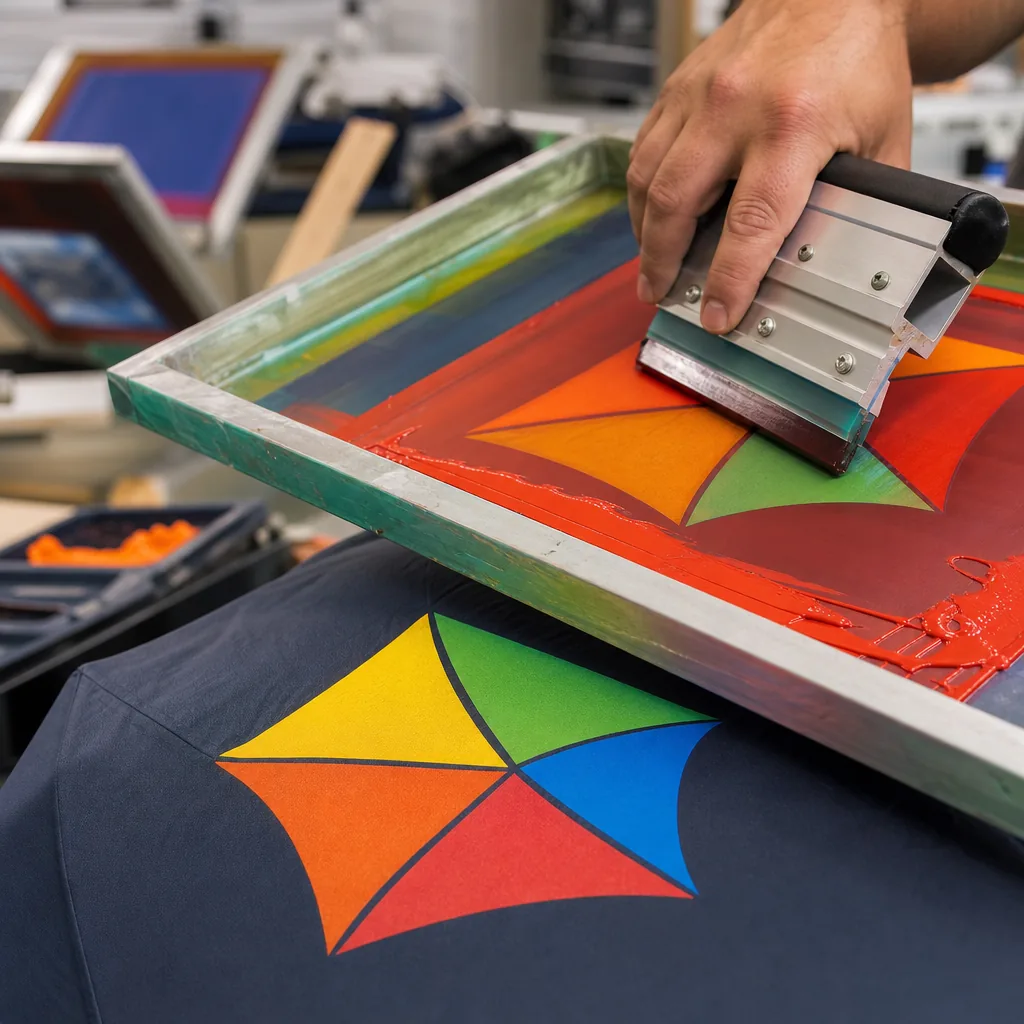
Branding Retail Umbrella Bundles Without Extra Packaging Waste
Build branded umbrella bundles with straps, cards, cartons, and inserts that look premium while reducing redundant plast...
Read More »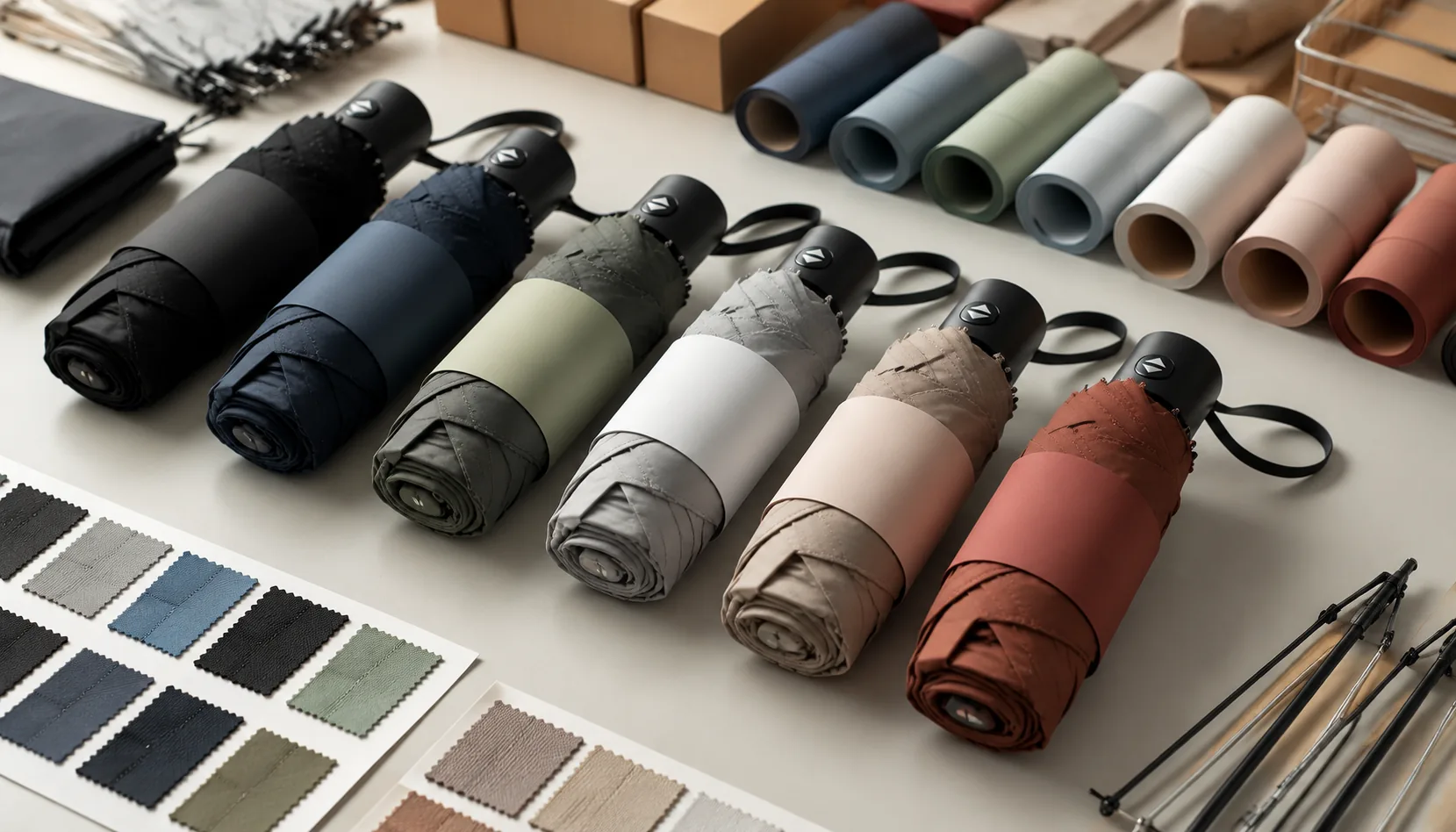
Branded Belly Bands for Compact Umbrella Retail Packs
Use belly bands to add brand impact, barcode space, and product cues to compact umbrella packs without raising MOQ or sl...
Read More »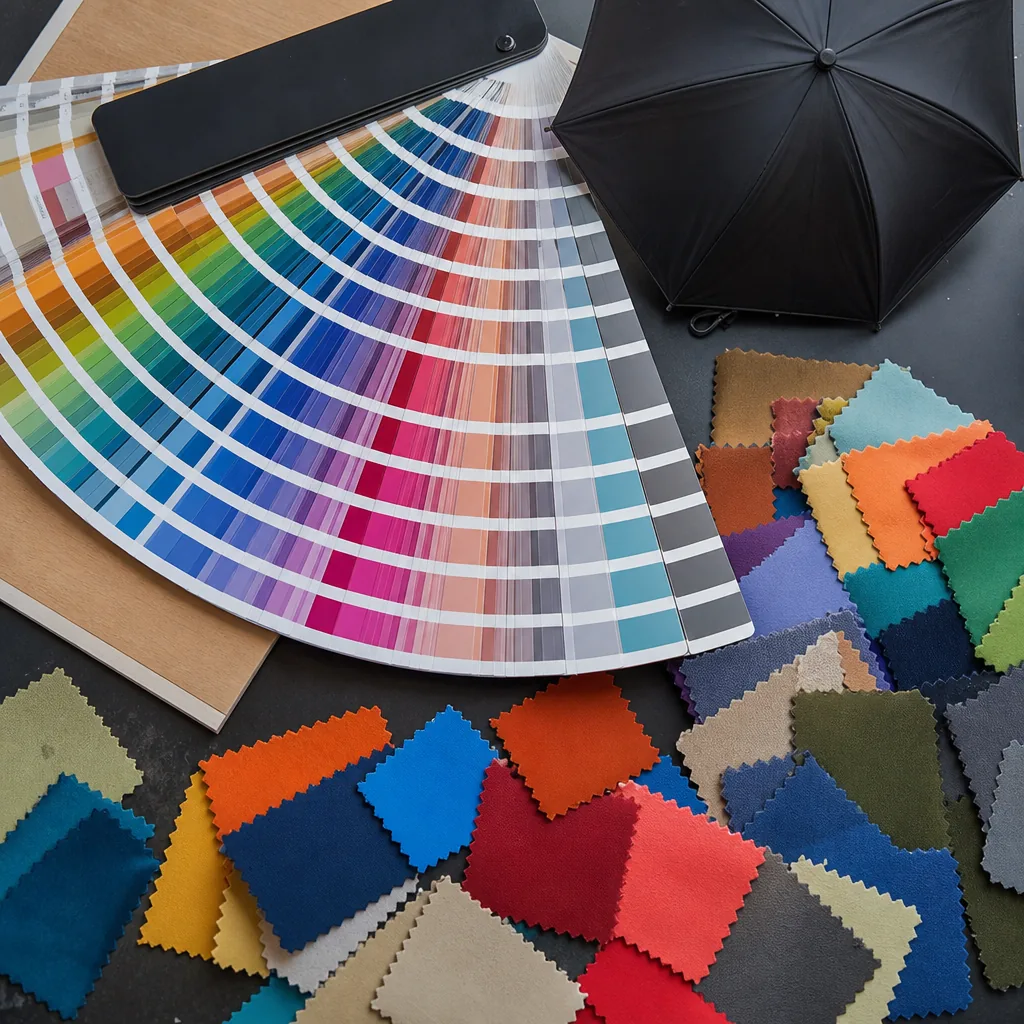
Premium Umbrella Inner Cartons for Private-Label Branding
Design branded inner cartons that protect umbrellas, improve retail handling, and keep private-label programs consistent...
Read More »