Sustainable Packaging Claims for Private-Label Umbrellas
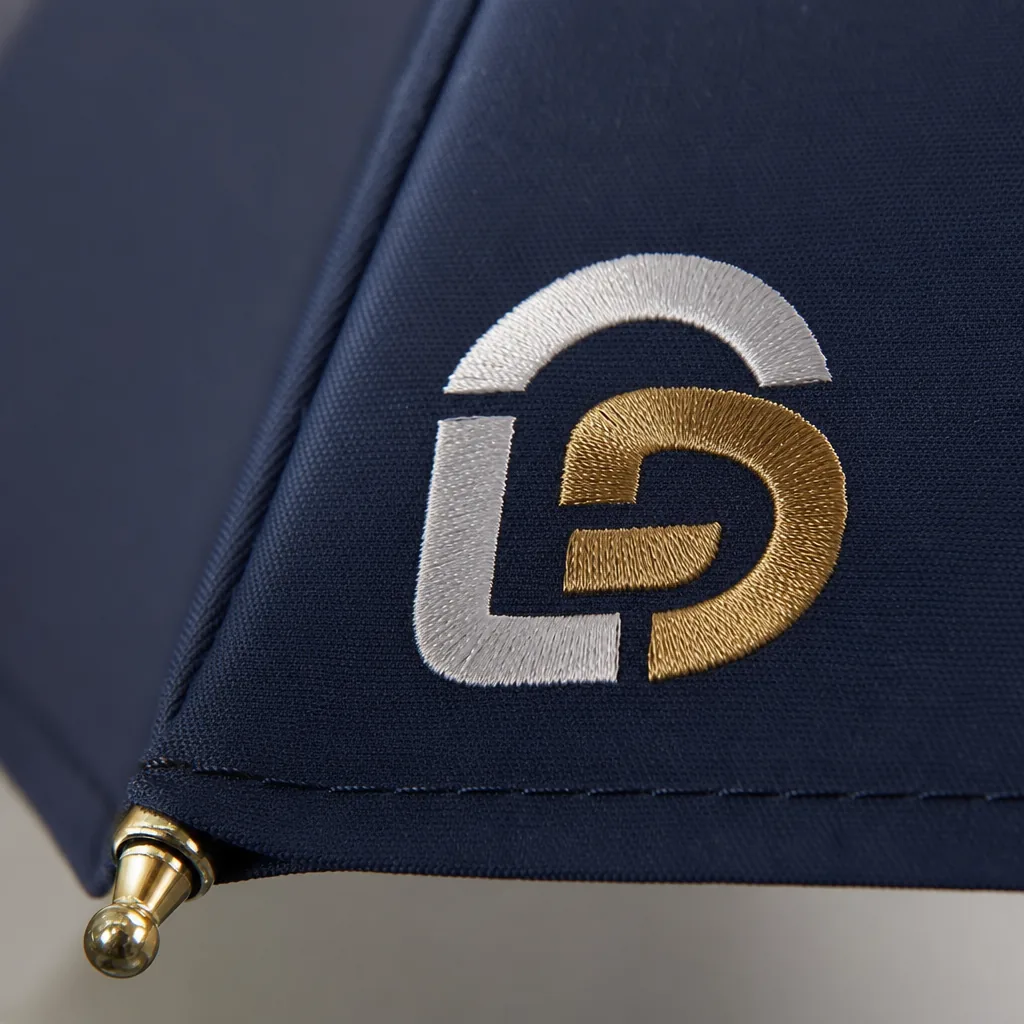
For private-label umbrellas, packaging claims can create more trouble than the frame itself when recycled content, FSC wording, ink choices, and hangtag materials do not match buyer compliance files or retailer audits. On our Songxia factory floor, we see sustainable umbrella packaging claims succeed only when they are tied to available board grades, approved suppliers, print tolerances, and carton strength tests early—before artwork release, MOQ confirmation, or shipment booking.
What Buyers Mean by Sustainable Umbrella Packaging
Buyers usually use sustainable umbrella packaging claims to mean lower-plastic, traceable, and easier-to-recycle materials around the umbrella, not that the umbrella itself is fully green. For private label umbrella packaging, the most common swap is a recycled paper sleeve instead of an OPP polybag for each unit. It works well for straight umbrellas and some 21" folding umbrellas, but the paper weight matters: 120–180 gsm kraft sleeve is typical, while thin 80 gsm sleeves tear during carton compression. FSC-certified gift boxes are another common option for retail or corporate programs, especially for 23" auto-open sticks and 21" auto-open-close folders. If a buyer asks for recycled umbrella gift boxes, we normally confirm whether they mean post-consumer recycled content, FSC Mix, or just unbleached kraft appearance, because those are not the same claim under most retailer compliance reviews.
Ink and labeling are where many claims get sloppy. Soy-based inks can be used on paper sleeves, kraft cartons, paper hangtags, and color gift boxes, but they do not automatically make the whole package compostable or plastic-free. For umbrella retail branding, we often print the logo, barcode, warning text, country of origin, and care instructions on one FSC paper hangtag tied to the handle instead of using a separate plastic tag and insert card. Hangtags are usually 300–400 gsm art card or kraft card, with matte lamination avoided when the buyer wants easier recycling. For retail display, a printed paper belly band around the folded canopy can replace a full gift box, reducing both packaging cost and carton cube, but it needs good tension so it does not slide off 190T or 210T pongee fabric during transport.
Reduced plastic polybags are still sometimes necessary, especially for white canopies, UV-coated UPF 50+ umbrellas, POE/PVC clear umbrellas, or sea freight during humid months out of Ningbo or Shanghai. A realistic eco friendly umbrella packaging specification might use one recyclable LDPE polybag at 25–35 microns only for moisture protection, then a recycled kraft inner carton and a 5-ply export master carton. Our standard practice at ZheBrella is to separate the marketing claim from the packing instruction: for example, “FSC-certified paper gift box, soy-based ink, no individual plastic sleeve” is clear; “green packaging” is not. Buyers should also check carton markings, retail compliance, drop-test strength, and AQL 2.5 inspection points, because sustainable packaging still has to survive stacking, barcode scanning, customs inspection, and final shelf presentation.
Claims That Are Safe, Specific, and Verifiable
The safest sustainable umbrella packaging claims are the ones a buyer can prove on paper and a factory can repeat in production. “Fully eco-friendly” is weak because it mixes material, ink, glue, lamination, and logistics into one claim that usually cannot be verified. A stronger claim is narrower: “gift box made with 80% post-consumer recycled paper,” “FSC-certified 350 gsm paperboard,” or “polybag replaced by kraft paper belly band.” For private label umbrella packaging, I prefer putting the claim at the component level: outer carton, retail box, hangtag, sleeve, insert card, or master carton. Recycled umbrella gift boxes are common now, but the percentage matters. A gray-back board may contain recycled fiber, while a white art-paper laminated box may only have recycled content in the base board. If the brand wants eco friendly umbrella packaging, we need to lock the exact substrate, coating, and ink before quoting, not after the artwork is approved.
Retailers and promotional-product distributors often need documentation before they approve sustainable umbrella packaging claims. Typical files include FSC transaction certificates or supplier scope certificates, recycled-content declarations from the paper mill, ink safety statements, material data sheets, and carton specifications showing gsm, flute type, and dimensions. For EU or North American retail programs, buyers may also ask for packaging weight breakdowns, plastic-free declarations, or evidence that no PVC is used in windows, handles, or inserts. Our standard practice at ZheBrella is to keep packaging BOMs separate from the umbrella BOM because the canopy may be 190T pongee with Teflon coating while the retail box, hangtag, and carton each have different compliance records. If a distributor is selling to a chain store, screenshots of supplier emails are usually not enough; they want signed declarations on letterhead, certificate numbers, and production-lot traceability tied to the PO.
Good umbrella retail branding can still be attractive without overclaiming. A matte kraft box with one-color soy or water-based ink may support a claim like “printed with water-based ink,” but that does not mean the whole pack is biodegradable, especially if it uses BOPP lamination, foam inserts, magnets, or plastic windows. I tell buyers to write claims the same way we inspect AQL 2.5 shipments: define the measurable point, define the tolerance, and keep a record. For example, “FSC Mix paper gift box” is safer than “forest-friendly packaging,” and “minimum 70% recycled content in the retail carton” is safer than “green box.” Sustainable umbrella packaging claims should also survive reorders. If the approved supplier changes paper mills to meet a 25-day lead time or a lower FOB price, the claim may no longer be valid. The artwork should not go to mass printing until procurement, compliance, and the packaging vendor are using the same specification sheet.
Balancing Sustainability With Product Protection
The first rule behind sustainable umbrella packaging claims is that the umbrella still has to arrive straight, dry, and retail-ready. A 21" folding umbrella with 190T pongee can tolerate less carton flex than a 27" or 30" golf umbrella with fiberglass ribs, because the shaft joints and auto-open spring are concentrated in a shorter length. Stick umbrellas are different again: their tips, curved handles, and long steel or fiberglass frames create pressure points that can puncture weak recycled paper sleeves during ocean freight. For private label umbrella packaging, I normally separate protection into three layers: the individual sleeve or wrap, the inner box or belly band, and the master carton with proper edge crush strength. If a buyer removes the polybag for sustainability reasons, the paper alternative must still resist abrasion from rib tips, ferrules, and handle hardware during vibration testing.
Eco friendly umbrella packaging becomes risky when the material choice ignores coated fabrics. UPF 50+ canopies, Teflon-treated 210T pongee, silver-coated sun umbrellas, and heat-transfer printed panels can all scuff if packed too tightly against raw kraft board. A recycled umbrella gift box may look good at retail, but uncoated recycled fibers can rub dark marks onto white, beige, or pastel canopies, especially after 30 to 40 days in a humid container. Our standard practice at ZheBrella is to test packaging with the actual production umbrella, not a sample shell: open-close the auto mechanism 20 times, inspect the runner and ribs, repack it, then run carton drop tests on corners, edges, and faces. That catches crushed handles, bent steel ribs, and fabric transfer before the buyer prints 10,000 boxes.
Good umbrella retail branding balances lower plastic use with measurable performance, not vague language. If a brand wants recycled paper sleeves, FSC cartons, soy-based ink, or molded pulp inserts, those specifications should sit beside practical requirements such as 5-ply export cartons, moisture control, barcode scannability, and AQL 2.5 inspection for packaging defects. For folding umbrellas, I like tight but not compressed sleeves, because over-compression can deform EVA handles or stress auto-open-close mechanisms. For golf umbrellas, especially double-canopy vented windproof models rated for 50+ mph, the carton needs lengthwise rigidity so fiberglass ribs do not take a permanent set. The strongest sustainable umbrella packaging claims are specific: recycled content percentage, plastic reduction per unit, verified carton strength, and confirmed protection for the exact umbrella size and construction.
Print and Finish Choices That Support the Claim
For sustainable umbrella packaging claims, the substrate matters more than the artwork. Kraft paper and uncoated board are the cleanest choices when you want a package that looks honest and still prints well for private label umbrella packaging. Kraft has a natural fiber look, lower perceived gloss, and it usually reads as “less plastic” on shelf, while uncoated board gives a flatter, premium retail feel and takes barcode printing reliably because there is no glare to confuse scanners. Water-based coating is the best compromise when the box needs a little rub resistance or moisture protection without drifting into heavy plastic language. I would avoid matte lamination unless the buyer is willing to call it a presentation finish rather than an eco finish, because once you laminate, the claim gets weaker. Minimal ink coverage and one-color logo printing help the package look deliberate instead of overdesigned, which is usually the right direction for eco friendly umbrella packaging.
Shelf appearance is where weak packaging claims get exposed fast. A recycled or natural-toned carton with a one-color logo on the side panel looks more credible than a full-bleed print trying to imitate luxury, and it pairs better with recycled umbrella gift boxes when the product is positioned as a corporate gift or retail add-on. Barcode readability is not a small detail: dark bars need strong contrast, but heavy flood coats, soft-touch films, and aggressive matte textures can raise scan failures at receiving and on retail POS systems. Uncoated board and kraft typically outperform glossy finishes here because they keep the barcode crisp, especially under warehouse lighting. If you need a scannable label on a brown box, reserve a clean white patch for the code and keep the surrounding ink coverage low. That is how sustainable umbrella packaging claims stay believable and operationally safe at the same time.
The finish choice should match the actual distribution channel. For e-commerce or club-store packs, a water-based coated kraft box protects corners during transit without looking like a cosmetics carton, while matte lamination is better reserved for higher-end umbrella retail branding where scuff resistance matters more than material simplicity. In both cases, the claim language should stay specific: say recycled board, kraft paper, or water-based coating if that is what you used, and do not bundle every finish under one broad sustainability statement. Minimal ink coverage also reduces drying issues and warping on thinner boards, which helps maintain flatness for label application and barcode scan quality. In production, the cleanest result is usually a 1C logo on uncoated or lightly coated stock, a high-contrast barcode on a blank panel, and no unnecessary spot varnish. That combination is practical, readable, and much harder to challenge than decorative packaging dressed up as eco friendly umbrella packaging.
Cost, MOQ, Lead Time, and Inspection Planning
Cost planning for sustainable umbrella packaging claims starts with MOQ, because certified materials rarely behave like standard white board or generic kraft. For private label umbrella packaging, an ordinary color box may run at 1,000–3,000 pieces if the printer has compatible stock on hand, but FSC-certified paper, recycled umbrella gift boxes, soy-based ink, molded pulp inserts, or compostable polybags often push MOQ to 3,000–10,000 pieces per SKU. The problem is not only the box factory; it is paper sourcing, coating selection, and whether the claim needs chain-of-custody documentation. A 23-inch auto-open umbrella in a printed kraft sleeve is simple. A retail-ready gift box with magnetic closure, spot color logo, barcode, warning label, and recycled-content statement needs tighter purchasing control. If the buyer has five umbrella colors but one shared box artwork, combine packaging volume where possible. Splitting small quantities across multiple package designs is where eco friendly umbrella packaging becomes expensive fast.
Sample approval should be treated as a production gate, not a design formality. A blank structural sample normally takes 3–5 days, while a printed pre-production sample with confirmed paper grade, coating, barcode scan, hangtag, care label, and inner carton layout usually takes 7–12 days after artwork approval. If certification logos are involved, add time for document checking before plates are made; I have seen orders delayed because the recycling mark, FSC code, or compostability wording was added by a designer without supplier authorization. For umbrella retail branding, the package must also fit the actual product: a 21-inch folding umbrella, a 23-inch stick umbrella, and a 30-inch golf umbrella have very different carton compression and drop-test behavior. Our standard practice at ZheBrella is to approve the umbrella and package together, including packed weight, master carton dimensions, and pallet loading, before locking the final PI.
FOB and DDP pricing can change the packaging decision more than buyers expect. Heavier recycled umbrella gift boxes increase CBM, which raises ocean freight, warehouse handling, and sometimes last-mile parcel cost under DDP. A gift box that looks premium on a retail shelf may reduce units per master carton from 48 to 24, doubling carton count even when the umbrella cost is unchanged. For sustainable umbrella packaging claims, the inspection plan should include AQL 2.5 checks on carton burst strength, edge crush condition, glue bonding, print color tolerance, logo placement, barcode readability, and consistency between approved sample and mass production. Inspectors should open cartons from different pallets, not only top-layer cartons near the loading door. Check inner bags, hangtags, retail boxes, silica gel placement where required, and export carton markings against the packing list. Sustainability claims fail commercially when the packaging arrives crushed, mismatched, or undocumented.
Frequently Asked Questions
Can sustainable packaging be used for both retail and corporate umbrella orders?
Yes, but retail packaging usually needs stronger barcode, hangtag, and shelf-display controls. Corporate gifting can often use simpler kraft boxes, sleeves, or message cards.
Does recycled paper packaging protect umbrellas as well as standard packaging?
It can, if the board weight, structure, and carton packing method are specified correctly. Heavier golf umbrellas or premium gift boxes may need reinforced corners or thicker outer cartons.
Can FSC-labeled umbrella packaging be mixed with non-FSC components in one private-label program?
Yes, but only the FSC-certified components can carry the FSC claim, and the printer must hold valid chain-of-custody certification. Many buyers separate the claim by item, such as FSC gift box plus non-claimed polybag or insert, to avoid artwork approval issues.
Will switching to recycled board usually change MOQ or production lead time for umbrella gift boxes?
Usually not if you stay with standard board grades already stocked by the packaging mill. For custom-printed boxes, common MOQs remain around 1,000-3,000 units, and lead times are typically 10-18 days after artwork approval.
What proof should a buyer request before approving a recycled-content claim on umbrella packaging?
Ask for the packaging spec sheet, supplier declaration of recycled content, and if relevant the FSC certificate code or test report for board composition. For retail submissions, buyers often keep one file with artwork, material spec, and certification copy to support compliance reviews.
Looking to Launch Your Custom Umbrella Line?
ZheBrella is a Zhejiang-based OEM/ODM umbrella manufacturer with 17 years of export experience. Free design, low MOQ from 100 pieces, windproof construction, full-color print.
Get Free Quote Now »People Also Search For
Related Articles
Eco-Minded Umbrella Packaging for Private-Label Brands
Plan recyclable umbrella packaging with FSC paper, kraft boxes, reduced plastic, and factory specs that support brand go...
Read More »
Sustainable Packaging Branding for Private-Label Umbrellas
Compare kraft, FSC paper, soy ink, and recyclable sleeves for private-label umbrellas, with branding tips for retail and...
Read More »Branding Retail Umbrella Bundles Without Extra Packaging Waste
Build branded umbrella bundles with straps, cards, cartons, and inserts that look premium while reducing redundant plast...
Read More »