Umbrella Assembly Line QC Gates for OEM Manufacturing
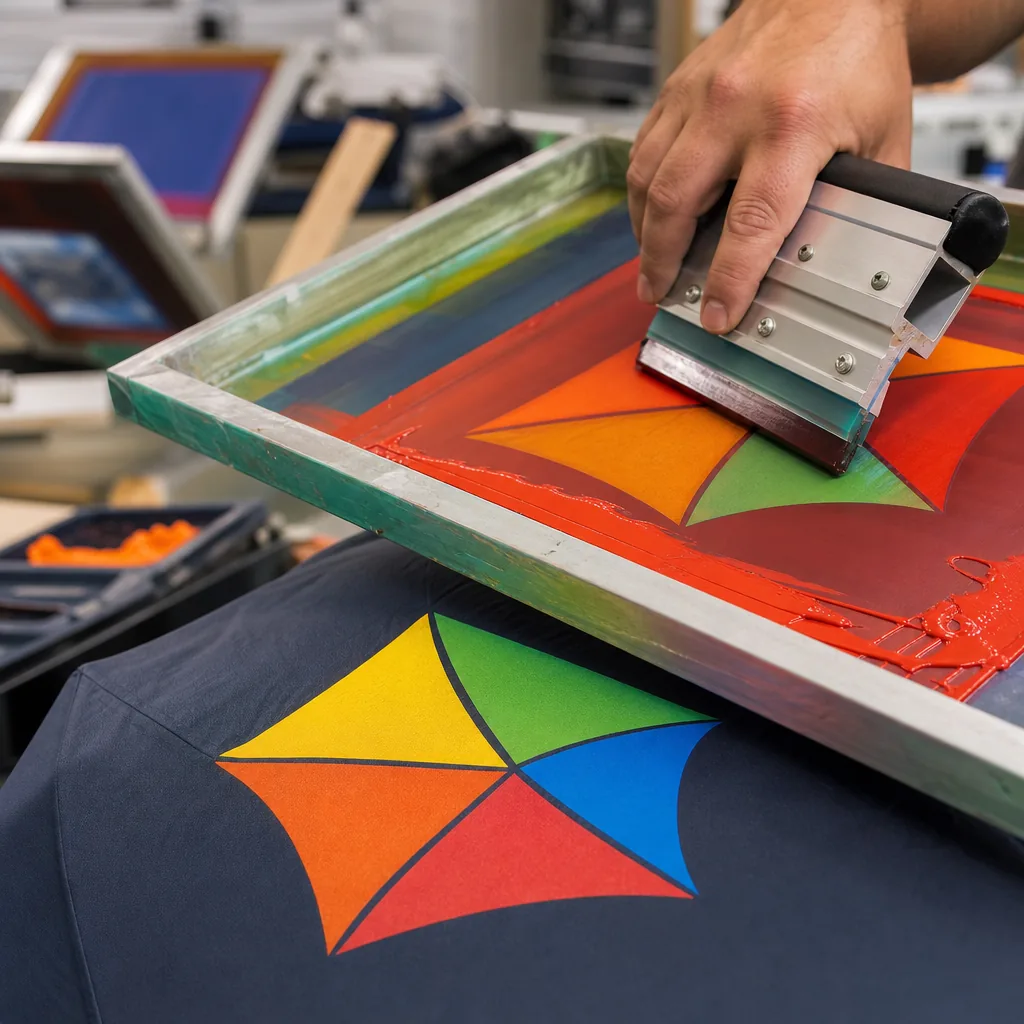
In OEM umbrella production, the smallest missed defect can turn into a rejected carton, a delayed ship date, or a costly rework loop. Effective umbrella assembly line quality control has to catch frame alignment, canopy tension, stitching, opening performance, and packing accuracy at the right station, before problems move downstream. From a factory-floor view, the goal is not more inspection, but the right QC gates that keep bulk orders moving cleanly through approval and export.
Why QC Gates Matter on an Umbrella Assembly Line
Umbrella assembly line quality control works when it is built as a series of in-line QC checkpoints, not as a single final sort after packing. A rib riveting error of just 1–2 mm can still pass a quick visual check, then create misalignment in canopy sewing, trimming, and folding. The same is true for a mispunched stretcher hole, a loose rivet, or a runner that binds under load: if the defect is caught at the frame station, the fix takes minutes; if it is found after canopy attachment, the line may need disassembly, re-stitching, or scrap. For OEM buyers, that directly affects rework labor, yield, and shipment risk. A final AQL 2.5 umbrella inspection is still necessary, but it should verify process control, not compensate for a weak line.
The most common umbrella production defects appear at predictable stations, so each gate should match the failure mode. Rib riveting issues usually come from worn fixtures, uneven rivet pressure, or mixed hardware sizes. Runner movement problems come from burrs, weak spring force, or poor lubrication. Canopy alignment errors usually trace back to inaccurate panel cutting, uneven tension, or poor tip insertion. Print registration failures come from the wrong panel reference or a shifted transfer position. Carton packing mistakes are often simple but expensive: mixed sizes, upside-down folding, missing sleeves, or the wrong insert card. In-line QC checkpoints reduce rework because they stop these defects before they are buried under the next operation. That matters even more on auto-open models, where button travel, shaft lock, and rebound timing should be tested at the frame stage, after canopy fit, and again before carton sealing.
This is why umbrella assembly line quality control should be managed as a gate system, not a warehouse problem. A defective unit discovered in final packing has already consumed sewing labor, assembly time, and packaging materials, so the recovery cost is much higher than correcting it at the source. Early checks also make defect patterns visible: if one station starts generating repeated failures, supervisors can isolate the tool, jig, or operator instead of sorting finished goods one by one. For export OEM orders, that lowers the risk of mixed cartons, customer claims, and chargebacks. The practical goal is simple: catch rib riveting, runner movement, canopy alignment, print registration, and packing errors where they happen, then use final inspection only to confirm that the line held its target standard.
Frame and Mechanism Checks Before Canopy Mounting
Before canopy mounting, umbrella assembly line quality control should reject frame defects at the cheapest possible point: incoming steel and fiberglass components. For steel ribs, check shaft straightness, ferrule burrs, plating coverage, rib alignment, and weld quality; for fiberglass ribs, check splintering, end delamination, and loose pin fit at the stretcher and runner joints. Use clear pass/fail limits: no visible bends, cracked coating, rough weld spatter, or out-of-square joints. These are the umbrella production defects that later turn into seam stress, uneven canopy tension, and early breakage after fabric is installed. Treat these as in-line QC checkpoints, not final inspection items, because once 190T or 210T pongee is sewn on, frame faults are harder to isolate and more expensive to rework.
The mechanism gate should test function before appearance. The runner needs smooth travel from closed to lock with no grinding, sticking, or side-to-side wobble, and the notch must hold under a firm manual pull without slipping. Measure spring force on auto-open mechanism testing, then run a basic open-close cycle count before canopy mounting: 10 to 20 cycles per sampled frame is a practical minimum for OEM lots. Reject units with partial opens, weak button rebound, delayed spring return, or a latch angle that changes across cycles. If the release button hesitates or the shaft rebounds unevenly, stop the lot and separate it for rework. That discipline supports AQL 2.5 umbrella inspection later, because the dry-frame gate catches binding and weak actuation before fabric hides the root cause.
Canopy Sewing and Fit Control Standards
On the canopy table, umbrella assembly line quality control begins with fabric verification before a single panel is sewn. Confirm 190T versus 210T pongee against the spec sheet for coating pickup, cut stability, and lot-to-lot thickness consistency; if the cloth varies, panels shrink unevenly after heat setting and the crown lands off center. Check panel matching for shade, grain direction, and panel count alignment, then measure stitch density and seam allowance at every critical seam. For most OEM programs, a 5–6 mm seam allowance is workable on 8K frames when cutting is accurate; on 16K frames, the geometry is tighter, so a small cut drift can twist the crown and throw off panel symmetry. These are the first in-line QC checkpoints that control fit, rework, and final cost before the canopy reaches assembly.
Fit control must confirm that the canopy loads the frame evenly during opening and closing, especially on auto-open models. An off-center crown, unbalanced top tension, or uneven hem tension will pull the canopy sideways, causing skewed crowns, leakage at the apex and tips, and premature rib stress at the tie points. During AQL 2.5 umbrella inspection, check for puckering, wave lines, skipped stitches, seam creep, and any mismatch between the panel line and the rib path. On both 8K and 16K frames, cycle sample units several times and verify that the tips sit square, the seam lines track true from crown to hem, and the canopy does not rub or bind as the mechanism opens. That is the practical test of whether the sewing spec protects the frame or forces it to absorb fabric error.
For umbrella assembly line quality control, the acceptance standard is simple: the sewn canopy must match the frame without forcing, folding, or visible tension imbalance. If the fit is loose, the top shifts under load; if it is tight, the ribs carry the stress instead of the fabric, which shortens frame life and increases umbrella production defects in the field. Record seam allowance, stitch count, panel alignment, and crown deviation by lot so defects can be traced back to cutting or sewing instead of being discovered only at final inspection. This reduces repair labor, leaked seams, and warranty claims tied to crooked silhouettes or broken tie points. It also supports more predictable lead times, because operators spend less time correcting panels and more time moving passed units through the line.
Functional Testing at Final Assembly
At the final umbrella assembly line quality control gate, finished umbrellas should stay on the line until they pass defined functional tests. For manual models, buyers can require an opening-force check, full lock engagement, and 10 open/close cycles with no sticking, runner binding, partial latch, or over-travel. For auto-open and auto-open-close models, the button should trigger on the first press in every sample tested, and the shaft must lock fully without a second attempt. A 21" folding umbrella should not twist enough to expose rib tips or create canopy skew. These are practical pass-fail standards that catch umbrella production defects after full assembly, when part-level inspection is no longer enough.
For vented styles, add in-line QC checkpoints for double-canopy vent alignment before cartons move to final QC. The upper and lower canopies should overlap evenly, with a consistent vent gap around the crown and no trapped panel edge that can rub the ribs or flap in airflow. If the program specifies UV protection, verify the UPF 50+ fabric lot against the approved roll, print ticket, and lot code before release. Buyers should also require visual checks for tip seating, ferrule tightness, and handle fit: no wobble, no gap, and rib tips fully covered. AQL 2.5 umbrella inspection should follow these gates, not replace them. A common OEM rule is 100% functional inspection on the first production lot, then AQL 2.5 sampling once the process is stable, with no cracked tip, loose ferrule, handle rotation, button misfire, canopy tear, exposed spring, or seam offset beyond the agreed 3 mm to 5 mm limit before packed goods move forward.
How Buyers Should Tie In-Line QC to AQL 2.5 and Shipment Terms
Buyers should treat umbrella assembly line quality control and final AQL 2.5 inspection as one control system. If crooked panels, skipped stitches, loose tip stitches, or misfit runners pass sewing and assembly, the end inspection only records how far the line drifted. The better setup puts in-line QC checkpoints at rib assembly, runner fit, canopy attachment, tip insertion, and final open/close testing, with auto-open mechanism testing done on the line rather than only at packing. Weak springs, sticky buttons, or uneven shaft rebound should trigger immediate segregation before the defect spreads. The QC standard should match the build: 8K/10K/16K rib count, fiberglass versus steel ribs, and 190T or 210T pongee canopy are not optional details when you are defining acceptance criteria for umbrella production defects.
Rework thresholds should be written into the release terms before production starts. A practical control is to stop the line when repeated defects cross the agreed internal limit, quarantine the affected lot, repair it, and re-check before release. Typical triggers include twisted ribs, canopy puckering, loose tip ends, failed auto-open mechanism testing, or opening force outside the buyer’s sample standard. Under FOB, the factory should not declare cargo ready until rework is closed, the internal hold point is signed off, and the pre-shipment sample is stable. Under DDP, the same discipline matters more because the seller absorbs return freight, chargebacks, and delay costs. If the order is for 21", 23", 27", or 30" umbrellas, the release decision should confirm size, canopy material, and final packaging before cartons are sealed.
Factory reports should support a shipment decision without another audit. Each report should show lot traceability by PO, style, color, size, and production date; quantities checked at each in-line QC checkpoint; defect photos with callouts; and the corrective actions taken. It should also record how many units were reworked, scrapped, and re-inspected after correction, then tie those results back to the final AQL 2.5 umbrella inspection by defect class. The most useful report lets a buyer trace a bad tip batch, failed rib lot, or canopy stitching issue back to the exact shift and operator. That is what decides whether the shipment is released, held for sorting, or loaded under FOB or DDP with a known risk profile.
Frequently Asked Questions
Can in-line QC reduce final inspection failure rates on umbrella orders?
Yes. Catching issues at rib assembly, canopy sewing, and final fit stages usually lowers major defects before AQL 2.5 final inspection, which reduces rework and shipment delays.
What in-line test is most important for auto-open umbrellas?
Runner and spring consistency is critical. Factories should verify smooth opening, full lock engagement, and repeatable action across sampled units before canopy mounting and again after final assembly.
Where should QC gates be placed in an umbrella assembly line to catch the most defects early?
The highest-impact gates are after frame prep, after canopy sewing, after final assembly, and before packing. Catching bent ribs, skipped stitches, loose tips, and faulty open/close action at these points usually prevents most rework before cartons are closed.
What AQL level is commonly used for OEM umbrella shipments?
Many buyers use AQL 2.5 for major defects and 4.0 for minor defects on umbrella orders, but the exact plan depends on order value and market requirements. For bulk OEM programs, it is common to inspect at least 80-125 units per lot, depending on lot size and inspection level.
How many cycles should an auto-open umbrella mechanism be tested for in production?
A practical in-line test is usually 5-10 open/close cycles during assembly QC, while higher-risk orders may require 20+ cycles on sampling units. The goal is to catch spring weakness, misaligned runners, or latch failure before final carton packing.
Looking to Launch Your Custom Umbrella Line?
ZheBrella is a Zhejiang-based OEM/ODM umbrella manufacturer with 17 years of export experience. Free design, low MOQ from 100 pieces, windproof construction, full-color print.
Get Free Quote Now »People Also Search For
Related Articles
Umbrella Assembly Line Process for Consistent OEM Quality
See how umbrella factories control frame fit, canopy tension, and packing accuracy with in-line checks that reduce defec...
Read More »
Inline Umbrella Assembly QC Before Final AQL Inspection
Build better OEM orders with inline assembly QC checkpoints that catch frame, canopy, handle, and packaging defects befo...
Read More »Umbrella Frame Assembly Line: Rivets, Jigs, and Tolerance Control
Learn how umbrella frames are assembled with rivets, jigs, and tolerance checks so bulk OEM orders open smoothly and pas...
Read More »