Umbrella Assembly Line Process for Consistent OEM Quality
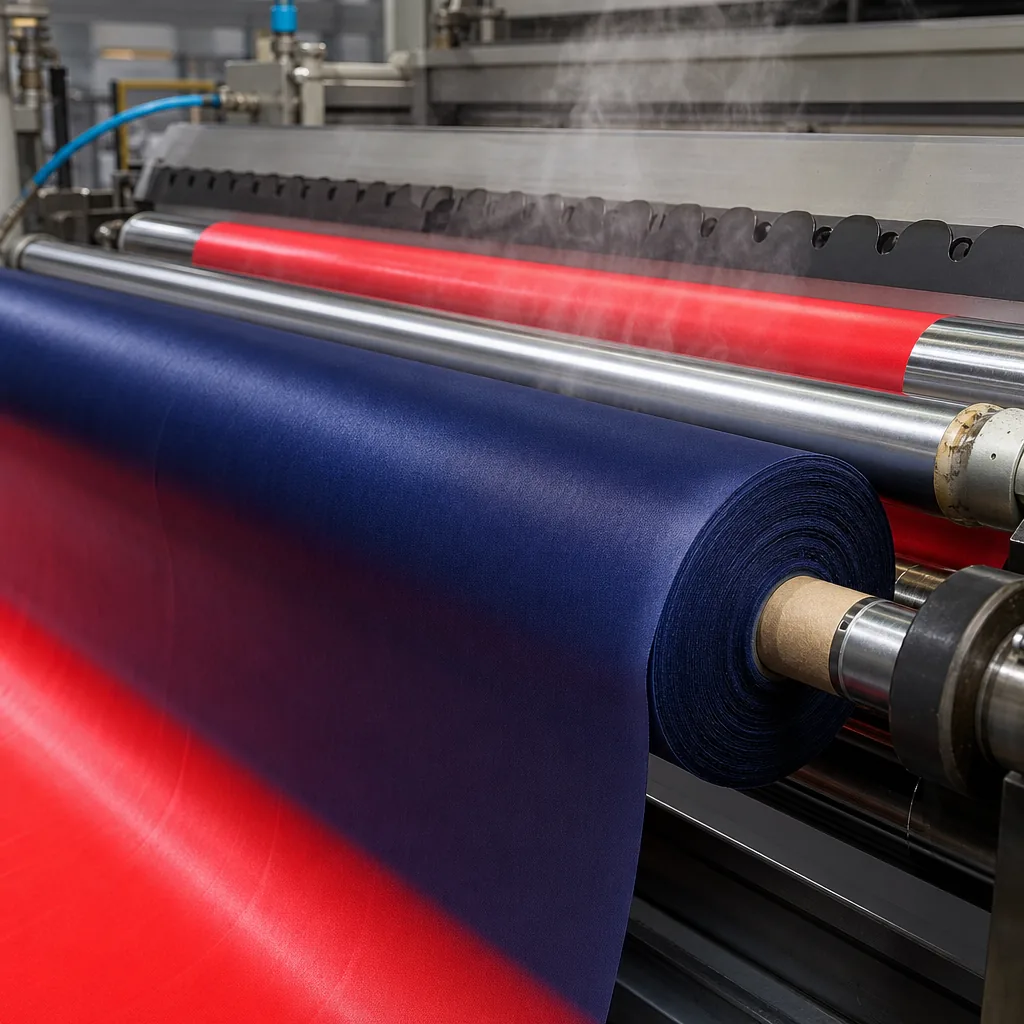
Buying umbrellas at OEM scale is not just about choosing a design; it is about keeping frame fit, canopy tension, and packing accuracy stable from the first dozen units to the last carton. A reliable umbrella assembly line process depends on controlled fixtures, clear work sequence, and in-line checks that catch small errors before they turn into misaligned ribs, loose tips, or shipping delays.
Map the Core Assembly Stages
The umbrella assembly line process starts with incoming materials, because frame defects are cheaper to stop at receipt than after sewing and top assembly. Steel ribs are checked for diameter tolerance at ±0.05 mm, while fiberglass ribs go through a 90-degree bend test to confirm resin-to-glass consistency before frame subassembly begins. At an OEM umbrella factory, 8K and 16K structures are usually separated by use case and cost: 8K frames suit standard walking umbrellas, while 16K frames support higher wind resistance and tighter canopy shape. Auto-open parts enter at this stage too. Springs, runners, and button housings are batch-tested on a force gauge, with runner assemblies cycled 500 times to screen early fatigue. That front-end in-line quality control keeps a bad lot from moving into the umbrella manufacturing process and creating scrap later.
Frame subassembly comes next. Main ribs and stretchers are joined by rivet or crimp connections, and fiberglass tips receive reinforced polypropylene ferrules to reduce splitting under wind loads above 35 mph. On auto-open models, the pre-loaded spring housing is inserted into the shaft here, and shaft straightness is checked against a 0.3 mm runout gauge before the canopy is added. Canopy sewing follows with panel alignment by grain and print registration, which matters for branded goods where misalignment over 1.5 mm is rejected. Pongee 190T typically uses 8-10 stitches per inch with a double-locked seam, while 210T pongee is sewn at 10-12 stitches per inch. Hems are double-rolled, and rib-tip stress points get bartack reinforcement to control tear risk.
Top assembly, finishing, and carton packing close the line. The runner slides onto the shaft, rib tips seat into sewn pockets or notches, and a stainless steel cap pin locks the structure. For auto-open-close styles, the control button and internal cable are routed through the shaft, then actuation force is verified at 2.5-3.5 kgf before the handle is press-fitted. Final inspection runs open-close-shake-auto-close checks under 1000-lux lighting to expose pinholes, stitch skips, and rebound issues. Each unit is then folded into a PE sleeve, paired with a silica gel pack, and packed by PO with a scannable carton label linked to the traveler card. That record ties defects back to station, operator shift, and batch, which is the practical value of controlled umbrella production steps: fewer surprises at shipment and less risk in repeat OEM orders.
Set Critical Specs at Each Workstation
At frame assembly, rib alignment is the first hard spec: all eight ribs on an 8K fiberglass frame must sit within 2 mm of the same plane under canopy tension, failing AQL 2.5 cosmetic inspection. Runner travel on manual-open sticks requires 8–12 Newtons sliding force and an audible top-catch click. For auto-open models, a spring-response test compresses the runner 50 times on a jig and rejects rebound over 0.3 seconds. These in-line checks in the umbrella assembly line process directly prevent field failures that erode buyer trust.
Canopy centering integrates the umbrella manufacturing process: mount the umbrella on a rotating jig and measure from ferrule tip to each panel seam. For a 27-inch 16K double-canopy vented model, allow a maximum 4 mm variance. Stitch density is checked with a 10x loupe, requiring 7–8 stitches per inch along each rib pocket with no skipped holes. On pongee fabric, 190T (60 gsm) works for promotional giveaways, but 210T (75 gsm) is the minimum for wind resistance above 30 mph—190T frays at the selvage under tension, while 210T holds clean. Fabric lot matching is a checkpoint most OEM umbrella factory specs overlook: log batch numbers for UPF 50+ or water-repellent rolls, run a 10 cm swatch through a spectrophotometer, and cap Delta E at 1.5 for solids, 2.0 for prints. If outdoor longevity is specified, subject the swatch to a 500-hour QUV test.
Ferrule attachment is the final hard stop: on fiberglass-rib umbrellas, crimp the nickel-plated brass or injection-molded nylon ferrule and pull-test to 15 kg axial force. A loose ferrule is the top field failure from factories skipping this station—check it first during pre-shipment inspection. These umbrella production steps, from rib alignment to ferrule pull-testing, ensure consistent OEM quality across every unit, reducing rejection risk and protecting your supply chain.
Build In-Line Controls Before Final Inspection
Consistent OEM quality hinges on first-piece approval, not final inspection. When a new batch starts—say, a 27-inch auto-open-close folding model with a 10K fiberglass frame—the line supervisor and QC tech pull the first three units from rib assembly, canopy sewing, and runner installation. They verify rib spacing at ±1 mm tolerance, seam alignment on the 190T pongee canopy, and runner glide with zero binding. If a unit fails, the line stops immediately for tooling correction, preventing downstream defects. This gate keeps rework rates under 3% across the umbrella assembly line process, even on 5,000-unit runs. Without it, you rely on a final AQL 2.5 check to catch systemic errors—a costly gamble when reworking hundreds of frames erodes margin on FOB shipments.
Hourly patrol checks are where most OEM umbrella factories fail. Our QC walks the line every 60 minutes, pulling five random units from each of the 12 production steps: rib bending (0.8 mm steel or 1.2 mm fiberglass), notch welding, canopy cutting, hemming, screen printing, and final assembly. They measure rib thickness, check canopy tension across the 10K frame to prevent sagging, and time the auto-open spring engagement at under 0.5 seconds. Defects—torn seams, misaligned prints, loose rivets—are sorted into reject bins at each station. This hourly sorting drives the defect rate below 1.5% before final QC, well inside AQL 2.5 limits. Factories skipping this step often face 8% rework on a 30,000-unit DDP order, adding days to lead time and eroding buyer trust.
The payoff is measurable: lower rework costs and fewer AQL 2.5 failures. Data from our last 50 orders shows first-piece approval plus hourly patrols cut final QC reject rates by 40% versus end-of-line-only inspection. On a 10,000-unit order of 23-inch windproof umbrellas with double-canopy vents and UPF 50+ coating, that means 150 units fail the AQL 2.5 sample instead of 250—saving 100 hours of rework labor and $1,200 in materials. The consistency scales: we maintain a 1.2% defect rate on 50,000-unit runs with 16K fiberglass frames and Teflon-coated canopies. Buyers auditing our line see this discipline and know their 45-day lead time won't stretch from rework cycles. That’s engineering quality into the umbrella manufacturing process, not just assembling it.
Match Labor Layout to Model Complexity
A basic 21-inch 8K manual straight umbrella with single-layer 190T pongee rolls through 6 stations: frame prep, shaft attachment, canopy sewing, tip fastening, inspection, packing. Each station executes a repeatable 15–20 second task, yielding 180 units per hour after one day of training. In contrast, a 27-inch 16K double-canopy vented golf umbrella rated for 50+ mph winds uses fiberglass ribs requiring a two-point tension check and vent alignment within 3mm tolerance to prevent flutter. This umbrella assembly line process expands to 11 stations with cycle times of 35–45 seconds, demanding rebalancing to avoid bottlenecks. Adding workers alone fails; line layout must sequence tasks so quality checks occur at natural pauses.
Mechanisms compound complexity further. An auto-open folding model with a 23-inch arc introduces a spring-loaded runner, telescopic shaft with locking pins, and push-button handle requiring pre-compression testing at 85–90 newtons. In our OEM umbrella factory, mechanism sub-assembly runs in a dedicated pre-line cell where two technicians build and test 50 units per hour, feeding the main line. Without that buffer, a misaligned spring halts production for 4–6 minutes. Training spikes: workers on manual sticks reach 80% efficiency in 1 day; auto-open folders require 3 days. Daily output-per-station variance exceeding 12% triggers line layout adjustments before shift end.
Line balancing for complex models prioritizes sequencing tasks so in-line quality control inserts a mandatory canopy-flip inspection after vent layer sewing but before top cap crimping—catching a misaligned vent saves 7 minutes of rework. This adds 8 seconds but cuts downstream defect rates from 4% on a 3,000-unit order. Umbrella production steps must also account for material fatigue: fiberglass ribs on 30-inch golf umbrellas require a 24-hour curing rest after resin tip injection before assembly, so frame production staggers to match the schedule. When a buyer specifies AQL 2.5, the line layout determines whether we hit that standard on the first pull or need a re-sort delaying the container by 3 days.
Translate Process Control Into Buyer Outcomes
A disciplined umbrella assembly line process directly determines MOQ feasibility without margin erosion. ZheBrella operates 8 dedicated lines, each calibrated to a specific canopy size (21"/23"/27"/30") and mechanism type—so a 500-piece order for a 23" auto-open-close model uses the same standard takt as a 50,000-piece bulk run. This consistency enables a firm 25–30 day FOB lead time, because every station from rib insertion to tip-capping runs to a documented cycle. For DDP buyers with hard deadlines, this predictability eliminates last-minute repacking scrambles and reduces the risk of missed shipping windows.
Sample-to-mass-production consistency is driven by in-line quality control embedded in the umbrella manufacturing process. We test every 10th piece on the line: canopy seam tension, rib flex, and a 200-cycle open/close test (simulating 3 seasons of use). If a 30" windproof model shows a 3% failure rate on the auto-open spring, we halt the line, retool the spring seat, and restart only after three consecutive passes. This discipline ensures first-article approval matches production samples, avoiding the 5–10% rework that inflates lead times on DDP shipments. For promotional distributors and retail brands, a controlled umbrella assembly line process delivers predictable logistics—we stage FOB loads by line completion (canopy printing → sewing → assembly → final inspection → polybagging and carton labeling), so no idle inventory waits for missing parts.
Process control translates directly into buyer outcomes: a smooth 28-day lead time versus a frantic 38-day scramble. DDP buyers benefit most because we consolidate multi-SKU orders from the same line schedule, reducing freight costs and customs doc errors. In-line quality control also supports realistic FOB and DDP pricing by eliminating last-minute delays and repacking—every step is documented and repeatable, so cost and timeline stay within the quoted range.
Frequently Asked Questions
Does a more complex umbrella design always require a slower assembly line?
Usually yes. A 16K frame, double-canopy construction, or auto-open mechanism adds more handling points and more in-line checks than a basic 8K manual model, which can extend unit assembly time and total lead time.
What process checkpoint matters most before bulk packing?
The final functional check before packing is critical: open-close action, canopy centering, and rib symmetry should all be confirmed. Catching these issues before carton packing prevents expensive repacking and missed inspection targets.
Which assembly checks matter most before approving mass production?
For OEM orders, buyers should verify frame opening smoothness, rib-to-canopy alignment, runner lock function, canopy tension, logo placement, and carton packing accuracy. A practical pre-production approval usually includes 3 to 5 sealed samples per color or design, with all critical dimensions and materials confirmed before bulk cutting starts.
How often should in-line inspection happen during umbrella assembly?
A common approach is to inspect the first finished units at line start, then pull samples at set intervals such as every 1 to 2 hours or every 200 to 500 pieces, depending on order size and defect history. Importers should ask the supplier to record defect type, quantity checked, rework action, and inspection time for traceability.
Can assembly-line quality checks reduce shipment delays for large umbrella orders?
Yes, because issues like loose rivets, uneven canopy stitching, incorrect hang tags, or mixed carton markings can be corrected before final packing. For a 5,000 to 20,000 piece OEM order, catching defects during assembly is usually faster than sorting finished cartons after final inspection.
Looking to Launch Your Custom Umbrella Line?
ZheBrella is a Zhejiang-based OEM/ODM umbrella manufacturer with 17 years of export experience. Free design, low MOQ from 100 pieces, windproof construction, full-color print.
Get Free Quote Now »People Also Search For
Related Articles
Umbrella Assembly Line Process Control for OEM Orders
Map the umbrella assembly line from frame prep to packing, with in-line QC points that reduce defects, delays, and rewor...
Read More »
Umbrella Line Balancing for Consistent Mass Assembly
Understand how balanced workstations, takt time, and in-process QC keep OEM umbrella assembly stable for auto-open, wind...
Read More »
Umbrella Frame Assembly Line Design for Consistent OEM Output
See how frame line layout, in-line QC, and labor balancing improve umbrella consistency, reduce rework, and protect lead...
Read More »