Umbrella Assembly Line Process Control for OEM Orders
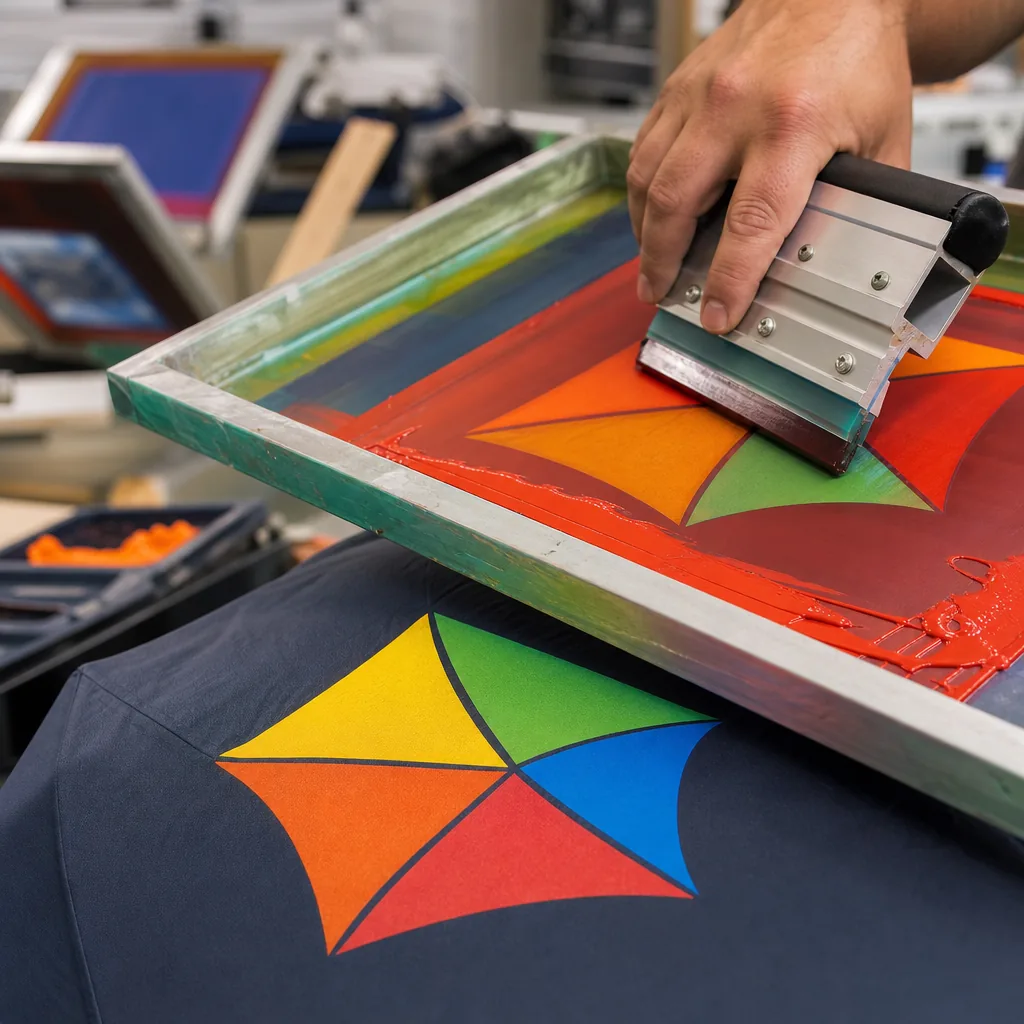
For OEM umbrella orders, the costly problems usually start before final inspection: mixed frame specs, uneven rib tension, skipped seam checks, or packing labels that do not match the PO. On our Songxia factory floor, effective umbrella assembly line process control means tying each workstation—from frame prep and canopy fitting to handle fixing, water testing, and carton packing—to a clear QC gate, so defects are caught while they are still cheap to correct.
How an Umbrella Assembly Line Is Structured
OEM umbrella assembly should start with controlled material release, not cutting or sewing. Receiving must separate 190T/210T pongee, POE/PVC/EVA film, steel or fiberglass ribs, shafts, runners, springs, tips, caps, handles, cartons, and labels by PO, color, size, and mechanism type: manual, auto-open, or auto-open-close. Fabric inspection should confirm shade, coating defects, print position, and usable width before panels enter cutting. Frame inspection should check rib length, plating, rivet tightness, spring force, and runner travel. On a 23-inch promotional umbrella, two dye lots can create a visible shade split across the canopy. On 8K, 10K, or 16K frames, mixed frame suppliers can change canopy tension and opening feel. Locking approved materials by order number is the first layer of umbrella assembly line process control because shade mismatch, wrong labels, loose joints, and uneven frame tension usually start at staging.
The umbrella manufacturing process then runs in two parallel streams: frame sub-assembly and canopy production. Standard 21-inch and 23-inch straight-panel orders usually use die cutting for speed and repeatability; CNC knife cutting gives tighter control for logo-matched panels, sublimation layouts, shaped vents, and nonstandard patterns. Sewing remains the main consistency risk. Panel joining, top stitching, Velcro strap placement, tip pockets, and vented double-canopy construction depend on operator skill, seam allowances, and fixture discipline. Frame work uses semi-automatic equipment where it reduces variation: pneumatic riveting, spring insertion jigs, shaft pressing fixtures, and handle fitting aids. Manual judgment still controls rib alignment, notch engagement, runner smoothness, and whether the frame opens without drag. Line balance also affects defects: if the canopy cell feeds faster than the frame-canopy station, operators rush tie points and tips, creating twisted ribs, tight vents, and off-center canopy tension.
Final OEM umbrella assembly joins the sewn canopy to the frame before function checks, cleaning, and packing. Operators fit the top cap, tie or stitch the canopy to each rib, attach tips, install the handle, and confirm open-close action. Auto-open and auto-open-close umbrellas should be triggered several times to catch weak springs, shaft lock failure, reverse runner movement, and handle button misalignment before carton packing. Windproof double-canopy models need vent alignment checks; a vent sewn too tight can make a design rated around 50+ mph fail early because air cannot release evenly. Cleaning removes thread ends, chalk marks, oil, and fabric dust before sleeving, polybagging, labeling, and carton sealing. AQL 2.5 final inspection is still needed for OEM orders, but in-line quality checks lower rework cost by catching crooked logos, loose tips, and twisted ribs before the shipment is packed.
Critical Control Points From Components to Final Assembly
Start umbrella assembly line process control before sewing, when frame defects are still isolated components instead of finished-goods scrap. For 8K and 10K straight umbrellas, check rib-tip position to the shaft within about ±2 mm; for 16K golf umbrellas, reject any high or low rib that shows through the canopy or tightens one panel more than the next. Buyers should ask for a go/no-go rib-spread fixture and documented rejects, not visual approval by the assembler. Steel ribs commonly fail at the notch or stretcher joint after bending; fiberglass ribs more often fail from poor riveting, cracked holes, or mismatched rib length. A single open-close test is not enough: a rib that is 3–4 mm out of plane can pass assembly, then cause canopy sag, rib-pocket stitch stress, pulled tips, or early failure under moderate wind.
Treat runner travel and auto-open response as mandatory in-line quality checks during OEM umbrella assembly. The runner should slide without scraping, binding, or side wobble, and the notch should lock with a clear click, not a soft half-lock. Test auto-open frames once after frame assembly and again after mounting 190T or 210T pongee, because canopy tension can expose weak springs or tight stretcher rivets. A 23-inch auto-open umbrella should reach full extension in one motion; hesitation at 70–80% extension usually indicates an oversized runner, weak spring, rough shaft plating, or rivets set too tight. On auto-open-close folding models, inconsistent closing force is a spring-to-rib mismatch warning and should trigger a line hold before umbrella factory production builds up defective finished stock.
Final assembly control should verify canopy centering, tip seating, and ferrule attachment because small handling defects drive field returns. The center cap must sit squarely over the shaft, with even panel tension across all ribs; a canopy offset by 5–8 mm may still open, but it will lean, flutter, and overload two rib pockets in wind. Tips need consistent seating by glue, stitching, or both, and loose caps are common when low-cost promotional orders are rushed at finishing benches. Ferrules and top caps need pull checks, especially on POE, PVC, or EVA canopies where slick material reduces grip. A controlled umbrella manufacturing process records these defects by station and shift, then releases the lot to the agreed AQL 2.5 plan instead of relying on final inspection to catch assembly faults.
Material Choices That Change Line Complexity
Frame material sets takt time before riveting starts. Steel ribs feed cleanly, crimp consistently, and sit square in fixtures, so an operator can align a 23-inch auto-open 8K frame with less adjustment and fewer rejected rivets. The cost is weight and a higher risk of permanent bends during drop tests, tight carton loading, or rough warehouse handling. Fiberglass ribs improve corrosion resistance and wind recovery, but they need cleaner cut ends, accurate tip fixing, and controlled rivet pressure; over-compressed joints can split later under open-close cycling or wind load. On 27-inch golf umbrellas and 30-inch beach-style frames, longer ribs also require wider tables, rib supports, and operators trained to prevent dragging or twisting. For umbrella assembly line process control, the frame choice changes fixture design, labor grade, station takt time, and the probability of hidden stress defects.
Rib count multiplies assembly touches and inspection points. An 8K umbrella has 8 main ribs, 8 stretchers, 8 tips, and 8 canopy tie points; 10K and 16K designs repeat the same work across more positions. A 16K frame doubles many tie, tip, and tension checks versus 8K, giving operators more chances to miss a stitch, set a tip unevenly, or create uneven canopy pull. A rib-to-panel mismatch as small as 3 mm can cause a scalloped edge, off-center peak, or uneven opening. Double-canopy vented builds add another risk layer: the lower canopy ties to the ribs, while the upper vent panel must overlap correctly to release wind without channeling rain inward. That means more cutting marks, sewing operations, canopy alignment steps, open-close cycles, and in-line quality checks during OEM umbrella assembly.
Fabric choice affects handling time as much as the frame. 190T pongee is lighter, folds quickly, and tensions well on 21-inch and 23-inch compact umbrellas, but excess sewing tension can leave needle marks or distort printed panels. 210T pongee has a denser retail hand and works well with Teflon or UPF 50+ treatments, but it increases fold resistance and can slow packing on auto-open-close models. POE, PVC, and EVA clear canopies need slower handling because they stick, scratch, and mark easily; operators need clean tables and more protective packing. AQL 2.5 final inspection helps catch crooked panels, failed open-close units, and visible closing defects, but reliable umbrella manufacturing process control starts at calibrated cutting, controlled sewing tension, rib-to-panel matching, and documented checks at frame assembly, canopy mounting, open-close testing, and final closing.
In-Line QC Data Buyers Should Request
For OEM orders, the in-line QC file should prove when a defect appeared, how many umbrellas were quarantined, and what corrective action restarted production. Require first-piece approval before bulk output for every model, colorway, print position, handle type, frame spec, and packing method. The signed record should verify canopy material such as 190T or 210T pongee, POE, PVC, or EVA; rib count such as 8K, 10K, or 16K; fiberglass or steel ribs and shaft; runner travel; tip alignment; logo position tolerance; sleeve match; carton marks; and packed sample weight. Strong umbrella assembly line process control also needs photos of the approved first piece beside bulk fabric, frames, handles, labels, sleeves, and cartons. A wrong ferrule, shifted logo, or mismatched sleeve can run through an entire shift if approval is only a checked box.
Hourly patrol sheets should make umbrella factory production traceable by line, station, operator group, time, quantity checked, defect code, quarantined quantity, and corrective action. Ask the factory to inspect 5–10 pieces per hour from sewing, frame mounting, handle fixing, opening/closing, and packing stations. For a 23-inch auto-open umbrella, in-line quality checks should cover canopy tension, stitch density, top notch security, rib-to-tip seating, runner travel, spring action, handle torque, and full opening without frame shake. For 27-inch golf umbrellas or double-canopy vented windproof styles, add rib symmetry and vent overlap because small sewing drift can twist the canopy under load. Record opening/closing checks by cycle count, not comments: 20–30 cycles during production for manual and auto-open styles, with tighter sampling for auto-open-close compacts because shaft locks are a frequent failure point.
Before shipment release, group defect data into major and minor issues, then link it to final inspection at AQL 2.5 unless the PO sets a different limit. Major defects include broken fiberglass or steel ribs, failed auto-open mechanisms, exposed sharp wire, loose handles, leaking seams after rain test, wrong logo, wrong carton mark, or color outside approved tolerance. Minor defects include short untrimmed threads, light handle scuffs, slight sleeve wrinkles, or tiny print pinholes outside the main logo area. For children’s umbrellas, apparel-retail programs, or chain-store compliance, specify needle detection after sewing and before packing, especially for POE, PVC, EVA, and pongee canopies. A complete OEM umbrella assembly release file should include defect trends, reworked quantity, re-inspection results, final AQL lot size, and shipment approval status for FOB or DDP delivery.
How Process Control Impacts MOQ, Lead Time, and Shipment Terms
Process stability turns a quoted 30-day lead time into a shipment date buyers can plan against. A clean OEM umbrella assembly order—23-inch auto-open stick umbrella, 8K steel ribs, 190T pongee canopy, one-color screen print, and standard black handle—moves through cutting, panel sewing, frame mounting, in-line quality checks, and export packing with minimal changeover. A retail assortment does not: 6 canopy colors, 3 print positions, color-matched plastic parts, and mixed cartons for multiple store doors add line clearance, first-piece approval, label checks, barcode scanning, and carton segregation. For that reason, a 3,000-piece MOQ may work for one stable SKU, while a more complex program may need 1,000 pieces per color or extra production days to control mispacking, print mix-ups, and downtime.
MOQ is driven by umbrella assembly line process control as much as fabric purchasing. A 210T pongee umbrella with Teflon coating, fiberglass shaft, 10K windproof ribs, custom EVA handle, sewn-in care label, and heat-transfer logo needs locked material lots, approved pre-production samples, and confirmed fixtures before mass production. ZheBrella’s umbrella manufacturing process runs pilot assembly before scaling, then checks rib tension, runner movement, canopy alignment, print placement, stitching, and open-close function during production. Defects caught at this stage can usually be corrected without moving the packing date. Changes after canopy cutting, frame assembly, or logo application carry higher risk because they may require rework, replacement materials, or repacking; the PO date may stay unchanged, but the usable lead time has already shifted.
Shipment terms depend on the packing window, so unstable umbrella factory production increases both FOB and DDP risk. Under FOB Ningbo or Shanghai, late carton completion can miss the booked vessel, add warehouse charges, or push departure by about 7 days in peak season. Under DDP, the same delay can affect pickup, export declaration, ocean or air booking, destination customs, and final delivery appointments. Rework for loose stitching, color deviation, failed auto-open-close mechanisms, incorrect barcodes, or wrong carton marks breaks the handoff to the forwarder. Strong control keeps AQL 2.5 final inspection on schedule, verifies carton marks before sealing, and provides accurate CBM, gross weight, carton count, and packing list data before cutoff.
Frequently Asked Questions
Does a 16K umbrella always need a longer production lead time than an 8K umbrella?
Usually yes, because a 16K frame has more rib connections, more canopy panels, and more alignment points to inspect. On the same order size, that often adds assembly time and increases in-line QC frequency.
What in-line check matters most on auto-open umbrellas?
The key check is consistent runner travel and spring release during repeated open-close spot testing. If the runner sticks or the spring force varies, the issue tends to show up before packing and can be isolated by batch.
Which in-line QC points matter most for OEM umbrella orders?
The most important checkpoints are frame tension and rib alignment after frame prep, fabric panel matching after sewing, runner movement after canopy mounting, and final open-close testing before packing. For OEM orders, logo position and color matching should also be checked before mass assembly continues.
How many umbrellas should be inspected during assembly for a bulk order?
Factories commonly use in-line spot checks every 500 to 1,000 pieces, plus a final inspection based on AQL standards such as AQL 2.5 for major defects and AQL 4.0 for minor defects. Higher-value umbrellas or new designs may require 100% function testing.
Can process control reduce lead time for OEM umbrella production?
Yes. Catching problems such as loose tips, misaligned panels, weak stitching, or incorrect logo placement during assembly can prevent large-scale rework. For typical OEM orders, this can save several days compared with finding defects only at final inspection.
Looking to Launch Your Custom Umbrella Line?
ZheBrella is a Zhejiang-based OEM/ODM umbrella manufacturer with 17 years of export experience. Free design, low MOQ from 100 pieces, windproof construction, full-color print.
Get Free Quote Now »People Also Search For
Related Articles
Umbrella Assembly Line Process for Consistent OEM Quality
See how umbrella factories control frame fit, canopy tension, and packing accuracy with in-line checks that reduce defec...
Read More »Umbrella Assembly Line Process Control for OEM Consistency
See how process control on an umbrella assembly line reduces defects, stabilizes opening force, and keeps OEM orders on ...
Read More »
Umbrella Final Assembly Line Controls for Bulk OEM Orders
Improve bulk umbrella order consistency with final assembly controls for frame fit, auto-open function, canopy tension, ...
Read More »