Umbrella Assembly Line Process Control for OEM Consistency
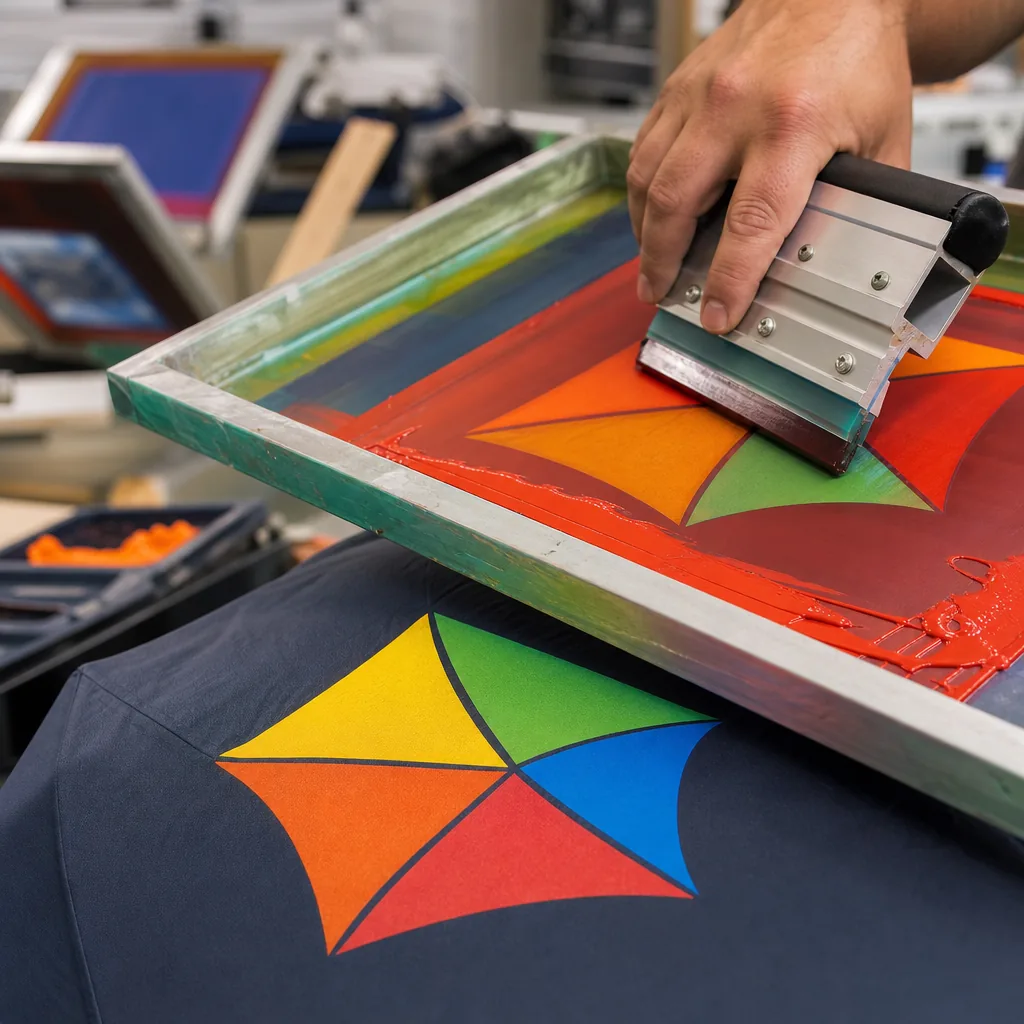
OEM umbrella orders rarely fail because of one dramatic mistake; they drift off spec through small, repeated variations in rib forming, runner fit, canopy tension, and final inspection. On our Songxia factory floor, tight umbrella assembly line process control is what keeps opening force stable, defects contained, and thousands of units matching the approved sample instead of just the first carton.
Map the Critical Stations in Umbrella Assembly
In umbrella assembly line process control, the highest-risk stations are the mechanical ones at the front of the line because tolerance errors stack fast. A standard umbrella manufacturing process starts with frame sub-assembly: shaft cutting, notch punching, runner fitting, top cap fitting, then rib and stretcher riveting in steel or fiberglass per BOM. These settings are not interchangeable. A 21-inch or 23-inch compact 8K frame needs different jig positions, rivet pressure, and stretcher tolerances than a 27-inch golf frame or 16K construction. Most repeat defects start here, not at final inspection. Misaligned ribs usually come from loose main-joint riveting, off-center notch punching, or mixed stretcher lengths within the same lot. For auto-open assembly, the spring station is another non-negotiable control point. Check spring preload, latch engagement, and runner travel before canopy mounting; if this step slips, defects show up later as slow opening, runner bounce-back, lock failure, or shaft scoring during use.
The sewing and mounting stations turn small process drift into visible rejects, so inline quality checks need to be stricter here than at packing. After incoming fabric inspection, 190T or 210T pongee panels are cut, logo-matched when required, and sewn into the canopy, with separate handling for vented double-canopy styles and clear POE canopies that scratch easily. At sewing, confirm panel count for 8K, 10K, or 16K frames, stitch consistency, top-patch centering, and edge-tape alignment against the approved sample. Uneven canopy tension usually starts earlier than buyers expect: panel-cutting drift, seam-allowance variation, or unstable machine tension often stays hidden until mounting. During canopy mounting, fix the canopy at the top, tie it to the ribs and tips, then run repeated open-close cycles before handle fitting and final packing. This is where concealed faults surface: bad canopy positioning creates uneven stretch, rib mismatch causes crooked closing, and inconsistent auto-open spring installation may pass a static check but fail during cycling. A disciplined OEM umbrella factory controls these stations tightly, then holds final inspection to AQL 2.5 for appearance, opening function, and pack-out accuracy before FOB or DDP shipment.
Set Control Points for Materials and Components
Effective umbrella assembly line process control starts at incoming inspection, not final packing. Set release criteria by component before anything reaches sewing or frame assembly. For fiberglass ribs, check flex recovery after repeated manual bends and reject pieces with resin-rich bubbles, edge cracks, split ends, or uneven wall thickness at the notch and tail; those defects usually fail first in open-close cycle testing. For steel ribs, confirm material gauge consistency, no sharp stamping burrs, and full plating coverage at rivet points and joints, where rust starts fastest. Shafts need three controls: outside diameter, wall consistency, and straightness. On 21-inch and 23-inch compact frames, buyers can specify a shaft straightness limit of 1.0-1.5 mm over the full length; beyond that, runner drag increases and the frame tracks poorly. Runner fit should be checked by lot with functional samples: smooth travel, no binding, no excessive wobble, positive lock engagement, and clean seating at the top notch without scraping. On auto-open assembly orders, tighten control on runner bore size and locking-tooth engagement because weak engagement is a common cause of random pop-open failure during transit.
Fabric and trim need the same discipline because visual mismatch is one of the fastest ways to undermine OEM consistency. In the umbrella manufacturing process, incoming checks for 190T and 210T pongee should cover fabric width, skew, pinholes, weaving defects, and coating consistency, then compare color against the approved lab dip or sealed sample under neutral light. Buyers should put the rule directly into the PO: define fabric shade tolerance, require no visible panel-to-panel color difference after sewing, and require all visible components to match approved samples. Accessory approval should include runner color, handle color, ferrule finish, top cap tone, wrist strap, binding tape, hook-and-loop tab, plastic tip, and print ground color, because close-but-not-equal parts become obvious after assembly. For plated components, set a simple appearance standard buyers can audit: no blistering, no exposed base metal, and no obvious flow marks at a 30 cm viewing distance, with consistent nickel, black, or gunmetal tone across the full set. Finish with AQL 2.5 inline quality checks on every incoming lot so nonconforming parts are blocked before they affect the OEM umbrella factory's line output.
Use In-Line Testing to Catch Failures Before Final QC
Final QC should verify the lot, not salvage it. In a stable umbrella manufacturing process, defects are cheapest to remove at the station that creates them, before sleeving, carton packing, or AQL 2.5 final inspection. Strong inline quality checks start with routine open-close function tests on line output, visual canopy-centering checks against the top notch, stitch inspection at panel joins and tip pockets, and a manual pull test on top tips and end tips to confirm they are fully seated by adhesive or ultrasonic fixing. Random water-spray checks on production units are just as practical: they reveal seam leakage, missed coating coverage on pongee or POE/PVC panels, and canopy damage while the sewing lot is still on the floor. For buyers, that is the point of umbrella assembly line process control: contain scrap early, protect packed-goods quality, and avoid schedule loss that pushes FOB or DDP shipments past the agreed lead time.
Auto-open assembly needs tighter control than a manual runner because spring force, latch engagement, and button release have to stay repeatable from unit to unit. If release force drifts high, the umbrella feels defective; if it drifts low, units can trigger in transit. On 21-inch or 23-inch folding styles, inline testing should include repeated cycling to confirm smooth tube travel, positive lock-up, and consistent rebound without rib twist, shaft drag, or handle-button sticking. Double-canopy vented styles need an extra checkpoint during mounting: both canopy layers must stay square to the rib geometry, vent openings must align with the airflow path, and panel registration must remain even before final top-notch fixing. Re-opening the frame to verify both canopies track cleanly around 8K, 10K, or 16K constructions helps an OEM umbrella factory catch mounting errors before final QC, where the same defects turn into expensive rework, higher reject rates, and shipment delays.
Control Variation Across Large OEM Production Runs
On a 5,000- to 50,000-piece order, consistency breaks down as soon as operators build by feel instead of by method. Effective umbrella assembly line process control starts with locked SOPs at each station, fixture-based assembly for repeat positioning, and first-piece approval before the line reaches full speed. On a standard 8K or 10K folding style, the critical checks are specific: runner fit on the shaft, rib and stretcher rivet setting, canopy panel alignment, and top-notch closing force. For auto-open assembly, spring preload and latch engagement should be verified against an approved sample board, not judged by hand feel. A capable OEM umbrella factory usually has production and QC sign off the first 3 to 5 pieces together, then keeps those units sealed as the shift reference. That prevents slow drift over long runs, where a 1.5 mm rib-position shift or uneven canopy tension may look acceptable on piece 20 but turn into carton-level claims, rework, and delayed shipment across 8,000 units.
A stable umbrella manufacturing process is controlled by station data, not rescued at final inspection. Strong factories log defects per 100 units at rib assembly, frame opening test, canopy sewing, print registration, and packing, so the line leader can intervene before faults move downstream. A practical trigger is to stop the station when repeat defects exceed 2% or total line rework passes 3%, then isolate WIP and inspect jig wear, operator method, and incoming parts such as fiberglass ribs, steel shafts, or 190T pongee panels. Inline quality checks should include open-close cycle tests every 20 to 30 pieces, print match verification by bundle, and random arc-size measurement on 21-inch, 23-inch, or 27-inch umbrellas. AQL 2.5 final inspection still matters, but it cannot recover a weak process. Stable umbrella assembly line process control also protects lead time on MOQ-driven orders: if one day is lost to uncontrolled frame rework, the delay usually compounds into canopy fitting, inspection, and repacking, putting FOB vessel cutoffs or DDP retail dates at risk inside a 25- to 35-day production window.
What Buyers Should Audit Before Approving Mass Production
Do not approve bulk production from a desk sample. Require a pilot run under normal line speed in the real umbrella manufacturing process, then pull 50-100 pieces for a buyer audit. Check opening and closing cycles, rib alignment, canopy tension, tip and top-cap fit, and handle pull strength across the sample set, not on one hand-picked piece. For any auto-open assembly, ask for trigger-force consistency records and spring-function checks, because weak springs and rough runners often pass visual review and fail after repeated use. Good umbrella assembly line process control proves the approved design can be repeated by operators, jigs, and bulk materials. Before release, procurement should ask to see the pilot-run report, first-piece inline quality checks from sewing and assembly, and the rework or defect log tied to that run so repeat defects are visible before mass production starts.
Golden sample signoff should freeze the production standard at BOM level, not just appearance. The sealed sample should match fabric spec such as 190T or 210T pongee, rib material such as fiberglass or steel, shaft finish, logo color standard, opening diameter, closed length, carton count, inner packing method, barcode placement, and retail or promotional packaging. If the order includes a vented double canopy, UV coating, or a POE clear canopy, those details should be written on the signed sample card and BOM so substitutions cannot enter the line. Before shipment approval, confirm packaging with photos and carton specs, then verify AQL 2.5 final inspection readiness with a production status report, incoming material inspection records, print color approval, rust-prevention confirmation where applicable, final inspection plan, packing list draft, and booking readiness for the agreed shipment window. Also confirm whether the order ships FOB Ningbo, FOB Shanghai, or DDP to a named warehouse, since labels, pallet standards, outer-carton dimensions, and export documents change with the agreed term.
Frequently Asked Questions
Which assembly steps most often cause functional umbrella defects?
The highest-risk steps are rib riveting, spring or runner installation, canopy mounting, and final top-notch alignment. These stations directly affect opening smoothness, canopy balance, and long-term durability.
How can a buyer verify process control without visiting the factory full-time?
Ask for first-piece photos, in-line QC records by station, pilot-run videos, and a final inspection plan tied to AQL 2.5. For larger programs, require approval at pre-production, mid-line, and pre-shipment stages.
What process checkpoints matter most for keeping auto-open umbrellas consistent across a 10,000-piece OEM order?
The highest-impact checkpoints are runner-to-shaft fit, spring preload, canopy alignment, and final open-close cycle testing. For most OEM programs, checking these at first article, every 1-2 hours inline, and again at final random inspection is enough to catch drift before it affects a full batch.
How is opening force usually controlled on an umbrella assembly line?
Factories typically control opening force by locking spring specifications, shaft and runner tolerances, and trigger assembly settings to a defined range, then verifying samples with a force gauge. If readings start trending out of range, the line is adjusted immediately rather than waiting for final QC.
Can inline quality checks reduce rework without slowing production too much?
Yes. In practice, 3-5 focused inline checks at critical assembly points usually reduce downstream rework more than they reduce output, especially on auto-open styles with multiple moving parts. The key is to inspect at failure-prone stations instead of adding full checks at every step.
Looking to Launch Your Custom Umbrella Line?
ZheBrella is a Zhejiang-based OEM/ODM umbrella manufacturer with 17 years of export experience. Free design, low MOQ from 100 pieces, windproof construction, full-color print.
Get Free Quote Now »People Also Search For
Related Articles
Umbrella Assembly Line Process Control for OEM Orders
Map the umbrella assembly line from frame prep to packing, with in-line QC points that reduce defects, delays, and rewor...
Read More »
Umbrella Assembly Line Process for Consistent OEM Quality
See how umbrella factories control frame fit, canopy tension, and packing accuracy with in-line checks that reduce defec...
Read More »Umbrella Frame Assembly Line: Rivets, Jigs, and Tolerance Control
Learn how umbrella frames are assembled with rivets, jigs, and tolerance checks so bulk OEM orders open smoothly and pas...
Read More »