Umbrella Packaging Materials That Protect Premium Branding
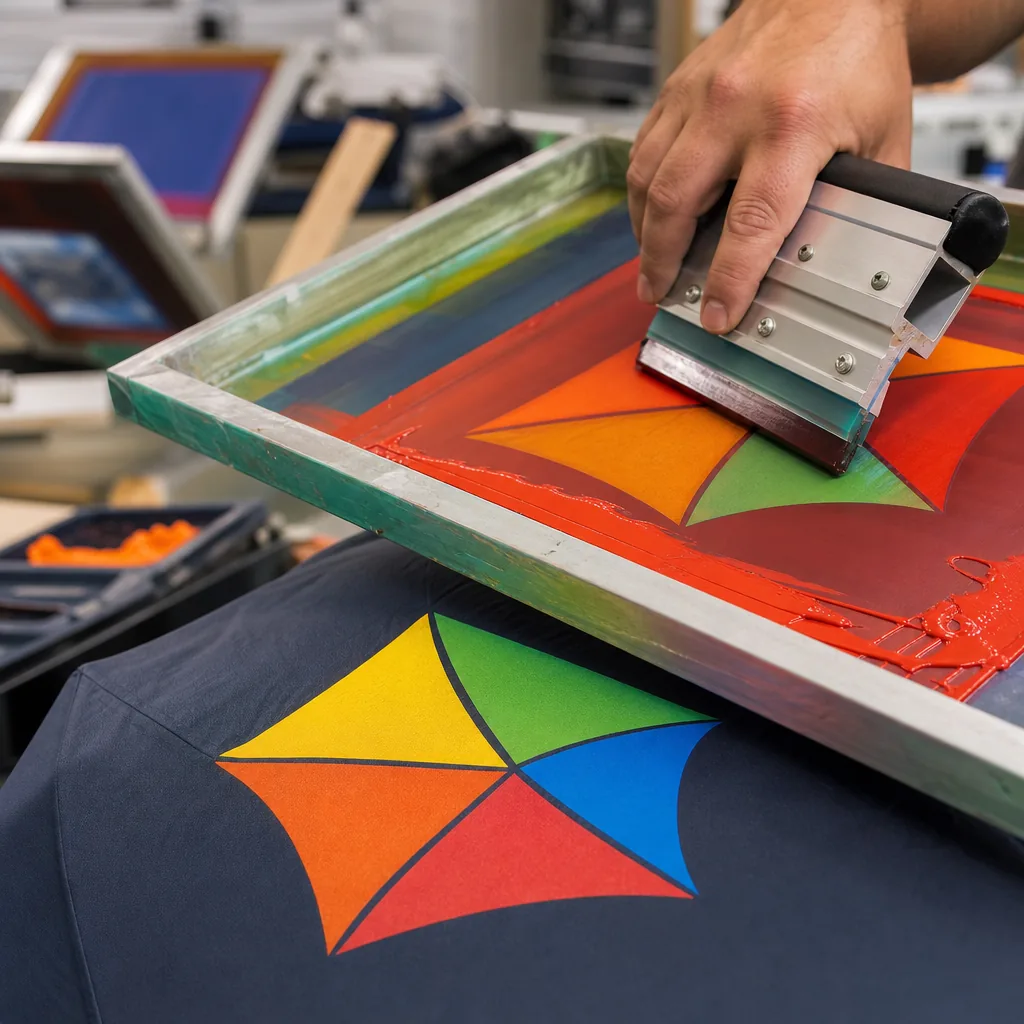
When branded umbrellas arrive with crushed cartons, scuffed handles, or damp sleeves, the damage reaches past transit loss into your customer’s first impression of the product. Choosing the right umbrella packaging materials means balancing MOQ, carton strength, moisture resistance, loading efficiency, and presentation, because a gift box, mailer, and carry bag each behave differently once they leave the factory floor in Songxia.
Why Packaging Material Choice Affects Brand Perception
The same 23-inch auto-open umbrella with a 190T pongee canopy can land as a cheap giveaway or a premium item based on pack-out alone. Buyers usually lock in canopy fabric, frame spec, and handle finish, then lose margin and perception with packaging that creases, crushes, or leaves the product loose. That is why umbrella packaging materials affect brand perception before the customer tests the open-close action or feels the fabric. Polybag packing is the lowest-cost format and works for dust protection, carton-rub control, and fast FOB loading, especially on promotional orders packed 50 to 60 pieces per master carton. It fits cost-driven campaigns where landed cost, packing speed, and basic warehouse handling matter more than shelf impact. The tradeoff is clear: thin film adds no structure, no premium finish, and little retail presentation, so it is best for bulk distribution rather than any program that needs the umbrella to feel giftable on first contact.
Fit matters as much as substrate. A folded carton sleeve can improve retail presentation at far lower cost than a full box, but only if the dieline matches the umbrella’s closed length and diameter. A 21-inch tri-fold manual umbrella and a 27-inch golf umbrella need different board caliper and locking geometry; otherwise the sleeve buckles at the ferrule, slips at the handle, or deforms in transit. Even a 5 to 8 mm internal gap can let the umbrella rattle, which lowers perceived quality immediately. For e-commerce, sample kits, and heavier parcel handling, a properly sized corrugated mailer is usually the better middle ground: more edge-crush protection than loose polybag packing, more printable area for branding, and lower transit damage risk without the cost of a rigid gift box. Use a rigid gift box when unboxing is part of the sell—corporate gifting, hotel amenities, launch kits, or premium retail display. Wrapped board, shoulder-neck or magnetic-flap construction, and a paper or foam insert hold the umbrella firmly and signal premium value before it is touched. In practical terms, the hierarchy is simple: polybag for lowest cost, sleeve for improved retail presentation, corrugated mailer for protected delivery, and rigid gift box for premium branding.
Match the Pack to the Umbrella Construction
Start with the frame and closed dimensions, not the logo. A 21-inch or 23-inch compact umbrella with a 3-fold manual or auto-open-close shaft usually ships safely in polybag packing plus a snug inner carton because the highest stress sits at the top notch, runner, and folded handle. A 27-inch or 30-inch stick umbrella has a different transit profile: more overall length, a wider cap diameter, and heavier handle mass increase carton crush risk and internal movement, especially in FOB consolidation where export cartons take stack pressure from several sides. That is why umbrella packaging materials should match construction class. Compact promotional umbrellas can often move in a lighter corrugated mailer, while full-length fashion umbrellas and golf umbrellas typically need reinforced end protection, handle bracing, and fixed carton orientation to limit shaft shift, cap cracking, and handle rub. For buyers, the practical rule is simple: match the pack to the umbrella’s closed size, weight, and shipping method rather than forcing one format across both compact and stick programs.
Mechanism and rib count usually determine protection level faster than canopy print or color. Auto-open and auto-open-close umbrellas contain springs, push buttons, and plastic trigger parts that can fail if the folded unit slides inside the pack. Double-canopy windproof frames with fiberglass ribs also need more clearance than budget steel-frame models because the folded rib bundle is thicker and vent-seam construction creates raised compression lines. An 8K frame is easier to stabilize than a 16K frame, which adds more rib tips, more tip pockets, and a larger folded circumference that can scuff 190T or 210T pongee if the fit is too tight. For premium retail presentation, a rigid gift box with a paperboard or EVA insert does more than look better: it locks the shaft, reduces rotation, and protects finishes. Fiberglass ribs are more vulnerable to repeated impact against hard carton walls than basic steel ribs, and wood crook or straight wood handles mark faster than molded PP or EVA grips, so tissue wrap, handle sleeves, or die-cut supports are usually justified. A steel 8K stick umbrella can accept simpler packing, but once the spec adds 16K ribs, double-canopy construction, UPF 50+ coating, or a gift-grade wood handle, umbrella packaging materials should step up to reduce damage claims and protect brand value.
Material Specs Buyers Should Request Up Front
Lock the pack spec before sampling. For umbrella packaging materials, define the structure in measurable terms: a rigid gift box built on 1.5 mm or 2.0 mm grayboard, a folding carton in 350-400 gsm C1S, or a 5-layer corrugated mailer for transit. Specify flute type because it changes both retail presentation and damage risk. E-flute gives cleaner edges and a tighter pack for many 21 in. and 23 in. umbrellas; B-flute is the safer choice for 27 in. golf umbrellas or gift sets packed with sleeves and hangtags because it provides better compression strength. Confirm the insert at the same time: die-cut EVA, molded pulp, cardboard cradle, or PET tray. The insert should lock the handle and tip in place so auto-open-close button housings do not bruise the box wall or puncture adjacent panels during shipment. If you want retail consistency, also state the print finish up front: matte lamination, gloss lamination, soft-touch film, spot UV, and hot-stamping color, plus any logo registration tolerance if your brand standard requires it.
Print and export specs need the same discipline as board specs. Reserve a barcode area of at least 50 x 30 mm on a flat panel, away from seams, folds, and dark flood coatings that reduce scan accuracy. Approve carton marks in the same artwork set: item number, color code, quantity, gross weight, net weight, carton size in cm, country of origin, and shipping mark layout. For transit performance, write carton drop resistance into the spec instead of relying on appearance samples alone; align it with 1A-style expectations, typically 60-76 cm depending on packed weight, with pass criteria such as no canopy staining, no handle cracking, and no box corner burst after testing. If sleeves, storage bags, or strap wraps use pongee 190T or 210T, state whether those accessories are fitted before boxing, bundled separately, or packed in PE bags, because that affects labor cost and carton density. For polybag packing, specify PE thickness at 0.03-0.05 mm and vent holes if needed. For FOB or DDP export shipments, add humidity protection: inner polybag, master-carton liner, and, where required, a 1-2 kg container desiccant plan for 20-35 day port-to-port exposure.
Cost, MOQ, and Lead-Time Tradeoffs by Packaging Type
MOQ and sourcing complexity increase fast as you move from sleeves to mailers to a rigid gift box, so freeze the packaging spec before canopy sewing starts. Standard sleeves and polybag packing are the lowest-risk umbrella packaging materials because they usually follow the umbrella MOQ: plain PE polybags or stock sleeves can run with 300 to 500 umbrellas, while custom one-color sleeve printing typically starts around 1,000 pieces. A printed corrugated mailer is the next step up in both cost and coordination. The box supplier needs a board run and approved dieline, so realistic MOQs are usually 1,000 to 3,000 units depending on box size, flute, and print coverage. A rigid branded box has the highest setup burden: grayboard construction, wrapped paper, magnets, and hand assembly commonly require at least 1,000 pieces, with 2,000 pieces more typical for non-standard sizes. At that point, packaging is no longer a simple accessory. Each format needs its own dieline, print proof, carton-out test, and transit-risk review, and the buyer needs to account for higher carton cube, more factory handwork, and a greater chance that packaging, not umbrella production, becomes the schedule constraint.
Sampling and production follow the same pattern. A plain sleeve, polybag packing spec, or basic mailer mockup can often be approved in 3 to 5 days if artwork is production-ready. A custom corrugated mailer usually needs 7 to 10 days for dieline confirmation and print-color signoff. Add EVA or paperboard inserts and the supplier normally needs a physical umbrella sample to check handle position, tip clearance, and movement in transit, which adds another 3 to 7 days. Foil stamping on a rigid gift box is less forgiving: hot-stamp plate setup, wrap-paper grain direction, and corner-fold quality usually extend first-sample timing to 10 to 14 days. In mass production, sleeves and polybags can often stay inside a normal 25 to 35 day umbrella lead time after deposit, while printed mailers need roughly 12 to 18 days and rigid boxes need 20 to 30 days; boxes with magnets, ribbon pulls, or custom inserts often become the critical path. Mixed-SKU assortment packing raises risk again. If one master carton holds 12 units across 3 canopy designs and 2 handle colors, the packing diagram, barcode list, and carton marks should be locked before production starts. For FOB, leave buffer so packaging reaches the umbrella factory before final packing and AQL 2.5 inspection. For DDP, plan earlier because rigid boxes increase master-carton size, chargeable volume, and the odds of missing a consolidation cutoff.
QC and Transit Testing Before Mass Shipment
A premium umbrella can leave the sewing line in spec and still land looking cheap if the pack-out fails. Before mass shipment, final inspection should apply AQL 2.5 to the packaging line, not just the product. Cover checks for carton labels, barcode position, print registration, color consistency, rub resistance, insert orientation, and whether the umbrella fits the selected umbrella packaging materials without putting pressure on the zipper, handle, ferrule, or tip. For a rigid gift box, the first failure points are usually shoulder corners, lid edges, and wrapped board surfaces, where scuffing and crush marks show fastest. For polybag packing, inspect seal integrity, vent-hole placement, suffocation warning text, and trapped moisture that can fog clear film or mark a dark 190T or 210T pongee canopy in transit. Pack count accuracy also belongs in final QC: verify inner-pack quantity, carton assortment, and net/gross weight against the packing list, then reopen random master cartons to catch short-count risk before shipment.
For export and e-commerce orders, a corrugated mailer needs transit proof, not just a claimed board grade. The writer should cover pre-shipment carton drop tests on filled cartons across corners, edges, and flat faces to check for frame shift, handle punch-through, insert collapse, crush damage, and abrasion to any retail presentation packaging inside. Add seal checks for tape adhesion and flap compression, especially on longer cartons for 27 inch or 30 inch golf umbrellas, where poor sealing opens under stacking pressure. Packaging approval samples should match the exact production spec: board, insert, tissue, polybag, print finish, carton size, and packing method. That approved sample becomes the benchmark for print quality, scuff tolerance, fit, compression, and pack count presentation before volume starts. When the approval sample has already passed seal checks and trial transit handling, damage claims fall and brand presentation is more consistent on arrival.
Frequently Asked Questions
When should a buyer upgrade from a polybag to a box for umbrellas?
A box usually makes sense when the umbrella is part of a retail, gifting, or premium-brand program rather than a basic promotional giveaway. It is also recommended for higher-value models with wood handles, auto-open/close mechanisms, or double-canopy frames that need better protection in transit.
Does premium packaging always require a higher umbrella MOQ?
Not always, but custom printed boxes and inserts usually carry their own packaging MOQ even if the umbrella MOQ is moderate. Buyers should confirm whether the factory can split packaging across colorways or if one packaging design must be used across the full run.
How do buyers usually choose between a rigid gift box and a corrugated mailer for premium umbrellas?
Rigid gift boxes are usually selected for in-store gifting, influencer kits, and premium retail sets where shelf impact matters. Corrugated mailers are more common for e-commerce and distributor shipments because they offer better crush resistance in transit and typically cost less at mid-to-large volumes.
What MOQ is typical for custom umbrella packaging materials if I want my own logo and artwork?
For most OEM umbrella programs, custom polybags start at lower MOQs, while printed corrugated mailers and rigid gift boxes often begin around 1,000 to 3,000 units depending on size, print coverage, and insert complexity. If the umbrella and packaging ship together, buyers often align packaging MOQ with the umbrella order quantity to avoid leftover stock.
Can one packaging format work for both retail presentation and export protection?
Sometimes, but usually with tradeoffs. A rigid gift box can support premium presentation, but export buyers often add an outer corrugated master carton or protective insert to meet drop and compression requirements during ocean freight or parcel delivery.
Looking to Launch Your Custom Umbrella Line?
ZheBrella is a Zhejiang-based OEM/ODM umbrella manufacturer with 17 years of export experience. Free design, low MOQ from 100 pieces, windproof construction, full-color print.
Get Free Quote Now »People Also Search For
Related Articles
Custom Umbrella Packaging Inserts for Premium Brand Story
Plan custom umbrella packaging inserts that protect the product, carry brand messaging, and support clean retail present...
Read More »
Umbrella Packaging Inserts That Protect and Elevate Branding
Learn how inserts, wrap methods, and carton specs protect branded umbrellas in transit while improving retail presentati...
Read More »Branded Umbrella Gift Packaging for Retail Buyers
Plan branded umbrella gift packaging that supports retail display, protects the product, and speeds buyer approval from ...
Read More »