Branded Umbrella Gift Packaging for Retail Buyers

Retail buyers usually want three things from umbrella packaging at once: strong shelf appeal, reliable protection in transit, and a smooth path from sample approval to shipment. In our factory in Songxia, Shangyu, we see where projects stall most often — carton size, insert fit, print accuracy, and pack-out speed — and that is why branded umbrella packaging has to be designed around the product, the display, and the line it will run on.
What retail buyers expect from branded umbrella packaging
Retail buyers do not want pretty packaging that fails in transit. For branded umbrella packaging, the first job is pack protection: the canopy has to stay crease-free, the runner cannot punch through the lid, and the handle must not scuff the print. Gift presentation, retail presentation, and e-commerce presentation are three different problems. A gift box can spend more on finishing because it is opened by hand; retail gift presentation has to survive shelf handling and still look premium under fluorescent lighting; e-commerce needs drop resistance, tighter internal fit, and lower dimensional weight. Good umbrella box design starts with the actual folded length, grip profile, and whether the umbrella is manual, auto-open, or auto-open-close, because those details change internal clearance and insert design.
Buyers also care about carton efficiency because every extra millimeter affects freight and warehouse cost. Shelf-ready packaging should pack flat, stack cleanly, and load into master cartons with minimal void space; otherwise you pay for air. Barcode placement matters more than people think: if the UPC is hidden under a flap, warped by lamination, or printed too close to a fold, receiving slows down and retail scan errors go up. Hangtag branding is useful when the outer pack stays simple, but it should never block product specs, size, or origin markings. In practice, the best branded umbrella packaging balances print area with legibility, because a box that looks busy from two feet away often converts worse than one with a clean front panel and one strong selling claim.
Shelf conversion depends on whether the package answers the buyer’s first three questions fast: what is it, why is it better, and can I trust it to perform? That means the retail gift presentation needs a visible size callout, fabric or frame cues, and a clear weather or wind claim when the umbrella justifies it. If the product is for chain stores, retailers usually prefer consistent umbrella box design across sizes so the shelf looks organized and replenishment is easy. ZheBrella’s standard practice is to check carton compression, insert fit, and barcode scanability before release, because packaging that passes a photo review but fails on the floor costs more than a simpler design that sells and ships cleanly.
Choosing sleeve, box, and insert formats by price point
Sleeves are the right answer when the umbrella is cheap enough that the packaging cannot outrun the product. For a promotional 23" auto-open umbrella, a simple paperboard sleeve or folded carton wrap keeps branded umbrella packaging lightweight and gives you enough surface for logo, QR code, care copy, and pantone-matched spot color without paying for a full box. I usually spec 250–300 gsm C1S or CCNB for this tier, with 20–40% print coverage and a target landed packaging cost around $0.12–$0.30 per unit depending on quantity, insert count, and whether you need hangtag branding tied into the same artwork set.
Tuck boxes fit the middle where retail gift presentation matters but the buyer still needs reasonable carton efficiency. A 300–400 gsm rigid-finish folding carton with matte or soft-touch lamination, 60–100% print coverage, and a molded pulp or cardboard insert works well for 21" to 27" umbrellas sold in sets, especially when umbrella box design has to survive shelf handling and e-commerce carton friction. For this tier, I would target roughly $0.35–$0.85 landed for packaging, because once you add heavier board, full-bleed printing, foil, or window cutouts, the packaging starts competing with the margin on the umbrella itself.
Rigid boxes belong on premium umbrellas, period, because the box is part of the perceived value and not just a shipping shell. If the umbrella uses fiberglass ribs, Teflon coating, double-canopy venting, or a 10K/12K frame, then a 1200–1500 gsm chipboard rigid box with wrapped art paper, magnetic flap, or ribbon pull gives the right shelf-ready packaging and protects higher ASP products in transit; expect 100% print coverage, specialty finishes, and a landed cost that often lands around $1.20–$3.50 depending on foam or EVA inserts. For premium gift programs, branded umbrella packaging should be designed around unpacking behavior, not just carton strength, because the first 10 seconds on opening are what the retail buyer remembers.
Branding details that stay legible in production
On the factory floor, the first rule for branded umbrella packaging is simple: keep the logo big enough to read after print gain, but small enough to survive die-cutting, folding, and transit scuffs. For most retail gift presentation work, I keep primary marks in the 25–45 mm range on sleeves or hangtags, and I avoid stacking too many elements on one face. If the art needs more than 4 spot colors, or if a full-bleed image must wrap across a seam, setup risk climbs fast because registration drifts on folding lines and glue flaps. Matte stock hides handling marks better; gloss makes color pop but shows fingerprints, and foil only works when the artwork has strong outlines and enough clear space around it.
QR codes and barcodes should never fight with the main logo. In practical umbrella box design, put them on a flat panel with at least 3–5 mm of quiet zone, away from fold edges, tear strips, and adhesive areas, or they will scan poorly after carton compression. If the packaging is meant for shelf-ready packaging, I prefer to reserve one side panel for retail codes and compliance text, and another for the consumer-facing mark so the buyer does not have to choose between function and branding. That separation also keeps reprint risk down when only the barcode changes for a market or promotion.
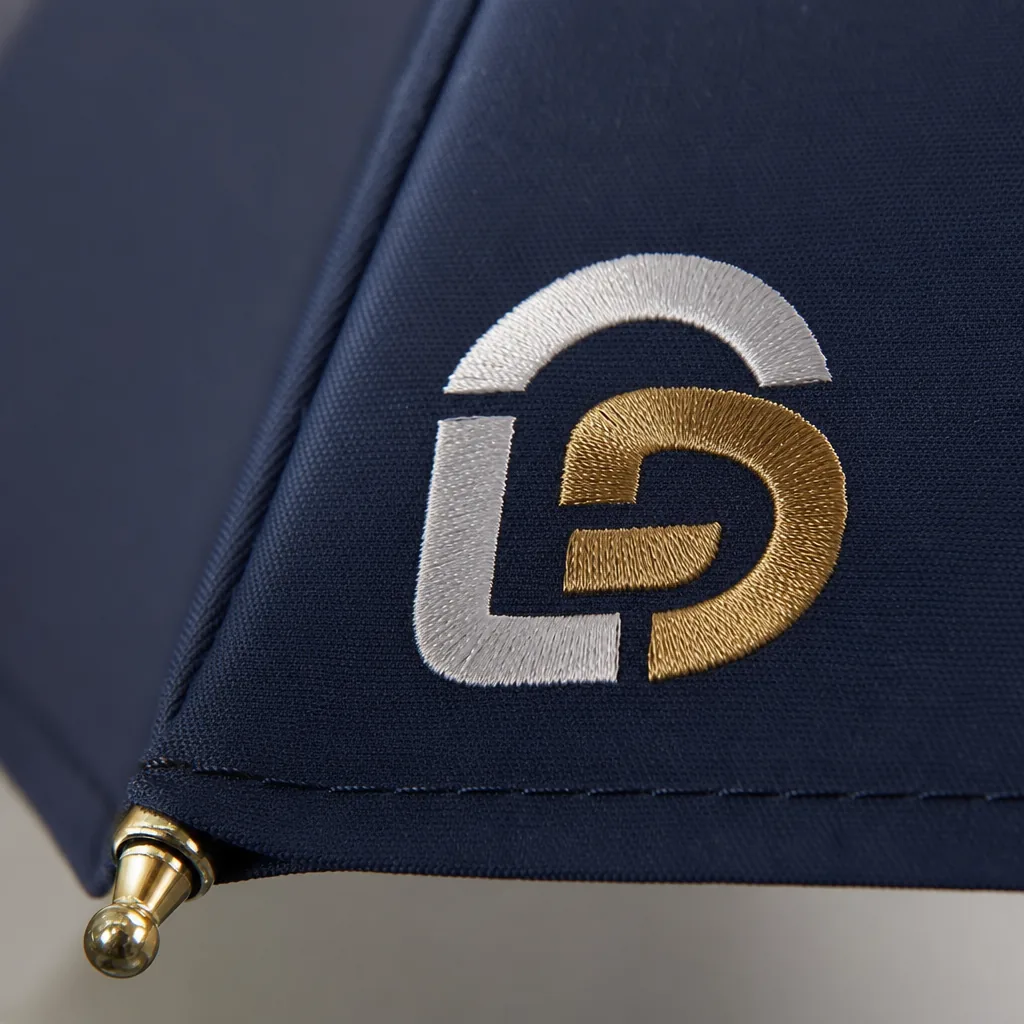
Artwork should align with canopy or handle branding, but only where the production route is stable. If the umbrella canopy uses one-color screen print, then the package can echo that same silhouette, Pantone, or slogan; if the handle carries a debossed mark, the box should not introduce a second conflicting logo position unless the buyer wants extra proofing rounds. Hangtag branding works best when the tag repeats the core mark and SKU data, not a new illustration system, because every extra ink hit adds cost and another point of failure. For branded umbrella packaging, I usually recommend one hero logo, one secondary data zone, and one finish, instead of trying to make every surface do the same job.
Packaging specs that reduce damage and rework
For retail gift presentation, branded umbrella packaging has to start with the actual folded length, not a generic box template. A 21-inch stick umbrella and a 23-inch auto-open model do not pack the same way, and a 16K frame usually needs a longer carton than an 8K unit because the ferrule, runner stack, and tip stack sit differently when folded. In practice, I specify carton dimensions with 5-10 mm clearance on all sides after the umbrella is sleeved, then add a molded pulp insert or folded E-flute divider so the ribs do not print through the canopy during transit. For premium sets, umbrella box design should also hold the handle from shifting, because handle movement is what cracks tips and scuffs EVA or wooden grips.
The weak point is almost always the rib ends and top tip, especially on auto-open models where the spring tube can punch through thin inner packing if the carton takes a corner hit. I ask for a soft PE bag or tissue wrap over the canopy, plus a tip cap or head pad at the upper ferrule so the metal end cannot abrade the fabric. For double-canopy vented windproof styles, the inner layer traps air and creates more bulk, so the carton needs a little more headroom and a wider belly section rather than forcing the crown flat. Shelf-ready packaging works only if the inner cradle keeps the umbrella centered; otherwise the display carton looks fine on the shelf but arrives with bent ribs and loose stitching at the vent seam.
If the buyer wants fewer chargebacks, the package spec should include a drop-test target, usually a 1.0 m or 1.2 m corner-and-edge drop on the master carton with no broken tips, no cracked handles, and no canopy deformation visible after unpacking. For export programs, I normally separate the retail carton from the outer shipping carton, then define compression resistance, carton burst strength, and tape spec by umbrella count per master case. Hangtag branding is best added to the retail unit, not the shipping carton, because it carries the retail message without sacrificing stacking strength. For branded umbrella packaging, the cleanest spec sheet lists umbrella type, folded length, inner protection method, carton board grade, master pack count, and the exact AQL inspection point for print registration and damage before shipment.
Ordering terms, lead times, and QC checkpoints
For branded umbrella packaging, the first thing buyers should pin down is the MOQ by structure, not just by print. A flat paper sleeve can run at 1,000 to 3,000 sets per design, while a rigid gift box, magnetic flap box, or full shelf-ready packaging usually starts closer to 3,000 to 5,000 sets because die-cutting, board stock, and finishing waste add up fast. If the program includes hangtag branding, UV spot, embossing, or foil, expect separate setup charges and a longer prepress lock. Retail gift presentation is much easier to control when the umbrella box design, carton packout, and barcode label format are approved together instead of in pieces.
Sample timing is usually 5 to 10 days for a plain structure sample and 7 to 14 days for a printed sample, assuming the artwork is final and the barcode data is clean. Before mass production starts, buyers should approve the dieline, Pantone references, print proof, logo placement, copy, carton count, inner pack method, and the final dimensions of the umbrella handle and folded length; if any of those are loose, the packaging line will create avoidable rework. Our standard practice is to freeze a signed sample and a production checklist before release, because changing the insert, window cut, or hangtag after plate making wastes both time and board.
QC should be built around AQL 2.5 at incoming material, in-process print checks, and final carton inspection, with special attention to color shift, glue failure, scuffing, barcode readability, and crush resistance in transit. For FOB planning, buyers need to confirm port, booking window, carton loading target, and whether the order includes export marks only or full retail-ready labeling; for DDP, they also need destination postal code, tax status, and delivery appointment rules so the landed cost is not distorted by last-minute freight changes. Typical lead time for branded umbrella packaging is 20 to 35 days after sample approval, but rigid formats, specialty finishes, or multi-SKU umbrella box design sets can push it longer if artwork is not frozen early.
Frequently Asked Questions
What packaging format is best for premium branded umbrellas?
Rigid boxes or well-structured paperboard boxes work best when the goal is gift presentation and lower in-store damage. For premium lines, add molded inserts or paper dividers so the umbrella stays centered and the box closes cleanly.
How should packaging specs be shared with the factory?
Send dielines, Pantone references, barcode requirements, and final carton dimensions together with the umbrella specification sheet. That reduces artwork revisions and helps the factory quote accurately for MOQ, packing efficiency, and freight.
What packaging options are most common for retail umbrella programs?
Retail buyers usually choose printed cardboard gift boxes, PVC or fabric sleeves, header cards, hangtags, and shelf-ready inner cartons. Folding umbrellas often use compact gift boxes, while golf and stick umbrellas typically use branded sleeves plus a hangtag or barcode label.
What details should be confirmed before approving umbrella box design?
Confirm the umbrella size, folded length, carton quantity, barcode placement, warning text, logo colors, material thickness, and whether the box needs a hanging hole or shelf display opening. A physical pre-production sample is recommended before mass printing.
Does custom umbrella packaging increase MOQ or lead time?
Yes, printed boxes and custom hangtags usually require a packaging MOQ, often starting around 500 to 1,000 pieces depending on material and print method. Packaging artwork approval can add 3 to 7 days, while mass production typically adds little time once materials are confirmed.
Looking to Launch Your Custom Umbrella Line?
ZheBrella is a Zhejiang-based OEM/ODM umbrella manufacturer with 17 years of export experience. Free design, low MOQ from 100 pieces, windproof construction, full-color print.
Get Free Quote Now »People Also Search For
Related Articles
Custom Umbrella Packaging Inserts for Premium Brand Story
Plan custom umbrella packaging inserts that protect the product, carry brand messaging, and support clean retail present...
Read More »Custom Inserts for Umbrella Kits, Sets, and Boxed Promotions
Design box inserts that protect umbrellas and add-ons, improve unboxing consistency, and keep lead times, MOQ, and freig...
Read More »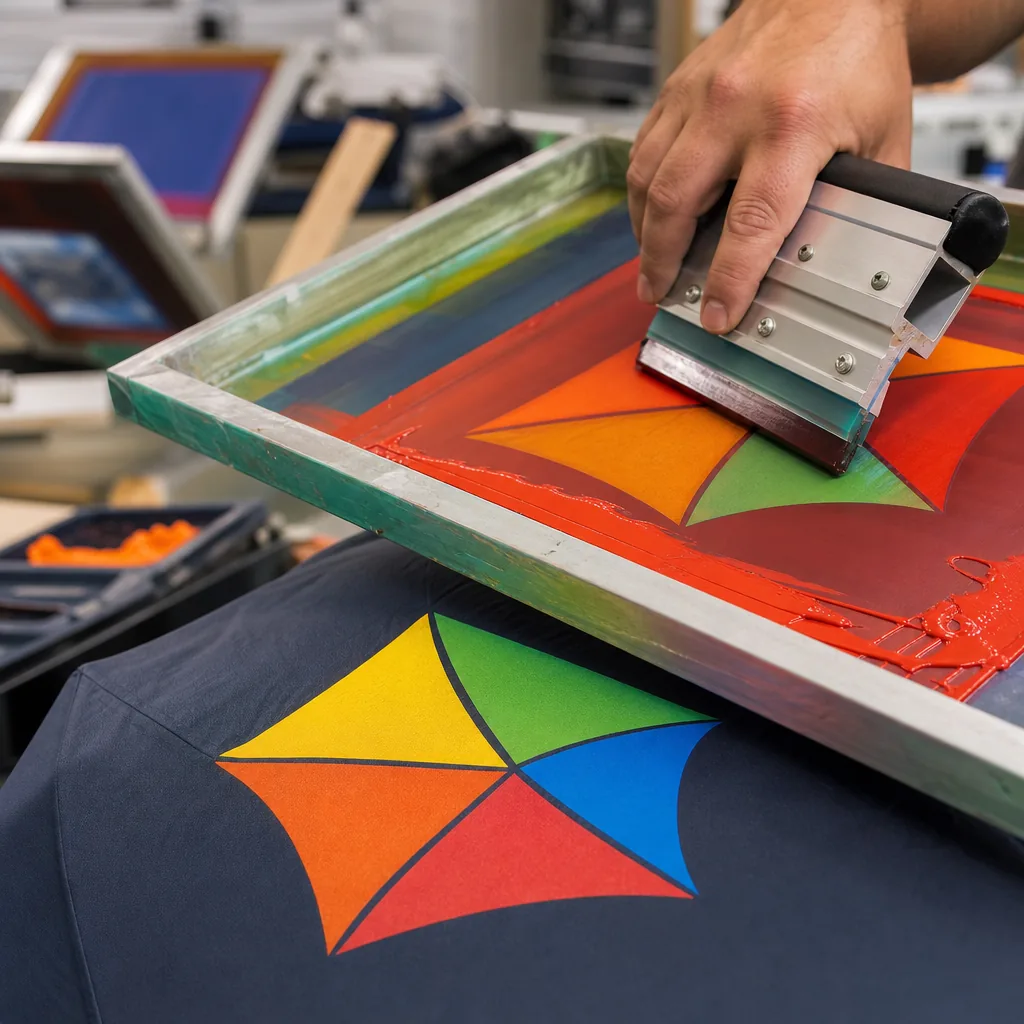
Umbrella Packaging Materials That Protect Premium Branding
Compare box, mailer, and bag options for branded umbrellas, with specs, MOQ, transit protection, and presentation tradeo...
Read More »