Umbrella Print Mockups and Color Proofs for Buyer Approval
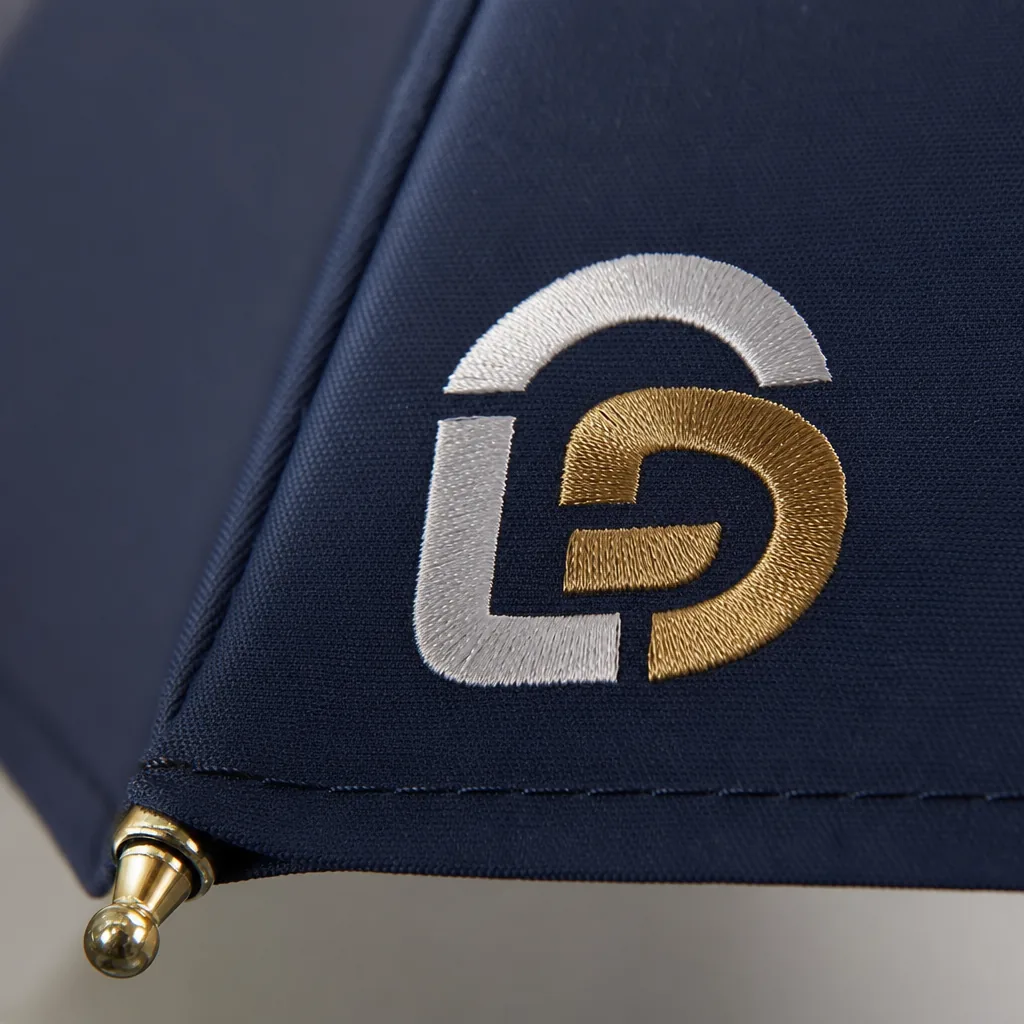
Printed umbrella approvals fail when a flat logo file is treated like a finished canopy, because panel seams, fabric color, ink behavior, and frame shape all change what the buyer sees. On our production floor in Songxia, we use mockups, an umbrella print proof, and physical sample checks to catch color drift, placement errors, and scale issues before bulk cutting and printing begin. A cleaner approval process keeps feedback concrete and prevents expensive rework after materials are committed.
Separate concept mockups from production proofs
Separate a sales mockup from any production approval. A sales mockup is a layout document made from a flat umbrella template or 3D render; it may show the logo on canopy panels, sleeve, closure strap, handle tag, or carton mark. Use it to approve panel choice, logo direction when closed, artwork scale, panel sequence, spelling, Pantone references, and centering inside the printable area after seam allowance. It should also show whether the same mark remains legible on a 21 inch folding umbrella versus a 30 inch golf umbrella. Umbrella mockup approval confirms position and proportion only. A red canopy with a white logo on a render does not verify fabric shade, ink density, edge sharpness, seam interference, or print behavior on coated fabric.
Use the color proof to test the approved artwork on the selected fabric and print method. Screen print on 190T pongee, heat transfer on 210T pongee, and sublimation on white polyester give different color strength and line definition. For solid brand colors, the umbrella print proof should record Pantone C or U reference, ink formula, canopy fabric color, coating condition, and whether the material uses Teflon, silver UV, or black-out coating. Navy, burgundy, orange, and gray often shift on coated fabric, so “looks close” is not a controllable factory instruction. A useful color proofing sheet states logo size in millimeters, distance from rib seam and lower hem, placement tolerance, usually plus or minus 3 mm, and the agreed Delta E target for color variance.
Treat the preproduction sample as the first complete branded umbrella sample, not an upgraded mockup. It must use production fabric, production frame, production printing, final sewing, and final packing. Approval should cover the full build: 8K or 10K rib construction, fiberglass or steel ribs, manual or auto-open mechanism, canopy cutting, seam tension, logo alignment after sewing, sleeve print, hangtag, carton mark, and barcode placement. At ZheBrella, we lock the approved preproduction sample before bulk cutting and use it as the AQL 2.5 inspection reference. The buyer should match it to the purchase order line by line, for example: 23 inch auto-open straight umbrella, 190T pongee, PMS 186C canopy, white screen print on two opposite panels, black EVA handle, 60 pieces per carton. After signoff, logo scale or canopy color changes affect cost, lead time, and production risk.
Show the buyer what the print will actually look like
A buyer cannot assess production risk from a clean rectangular logo file. A usable umbrella print proof should show three approval views: flat panel art at actual print size, a wrapped-canopy rendering, and photos of a physical strike-off or branded umbrella sample under normal light. The flat panel confirms logo scale, bleed, seam allowance, rotation, Pantone or CMYK references, and print-method limits before cutting. On 190T pongee, screen-printed strokes should stay at 0.35 mm or heavier, especially on navy, red, or black fabric where coating and heat setting reduce contrast. For retail, event, or distributor orders, include one open-canopy photo and one close photo from 30-50 cm so the buyer can judge edge sharpness, ink coverage, and small-text readability, not placement alone.
Wrapped-canopy renderings catch an approval risk that flat art misses: artwork that looks balanced in Illustrator can distort after sewing over ribs. An 8K umbrella has wider panels, so a single-panel logo usually has enough space to judge from one main viewing angle. A 16K golf or fashion umbrella has narrower panels and more seam breaks, so the proof needs a numbered panel layout, not only a polished 3D rendering. For 23 inch stick umbrellas, check the front panel, opposite panel, and handle orientation. For 27 inch and 30 inch golf umbrellas, use a full spread proof of all panels because alternating logos can rotate upside down when the umbrella is carried, opened on display, or photographed for ecommerce.
Treat color proofing as production control, not presentation artwork. Digital umbrella mockup approval confirms placement, but it cannot predict ink behavior on 190T/210T pongee, POE, PVC, or EVA because each surface reflects light differently. A white logo on transparent POE can read gray once ribs and shaft sit behind it; a black heat-transfer logo on UV-coated pongee can look flatter than the same logo on uncoated fabric. For repeat orders, compare the new preproduction sample with the last approved sample, not a laptop screen. Photograph the printed panel before sewing and again after canopy assembly, because sewing tension can shift a border print by 2-3 mm. Final approval should record proof version, print method, fabric, Pantone or CMYK values, and allowed tolerance before bulk cutting starts.
Use color standards that suppliers can repeat
Set the repeatable color standard before umbrella mockup approval and before bulk fabric is cut. Pantone should be recorded as Pantone Solid Coated for printed logos or TCX for dyed fabric, then locked to the approved canopy swatch and print method note. A red logo will not match exactly across silk screen on 190T pongee, heat transfer on 210T pongee, POE, or PVC because yarn density, surface gloss, and ink film thickness change saturation and edge definition. Use the screen PDF only to confirm logo size, panel placement, rib alignment, and print area; it is not a reliable color reference. For repeat orders, file the signed umbrella print proof with the PO number, fabric color, canopy material, rib count, ink formula, and printing process so the next batch is matched against production data, not a buyer’s photo or memory.
Control the variables that most often shift color between proof and finished branded umbrella sample: fabric weight, coating, and specialty ink. 190T pongee has a lighter hand and more visible weave than 210T pongee, so dark inks can appear weaker on navy, black, forest green, or burgundy panels. UPF 50+ UV coatings may add a faint cool or milky cast, while silver UV backing can flatten the outside canopy color in daylight. Teflon water-repellent treatment affects surface energy more than hue, but printing after treatment can reduce ink bite if the sequence is wrong. Reflective inks need two approvals: normal office lighting and flash photos, because the pigment can look gray indoors and bright under headlights. Put these conditions directly on the color proofing sheet before bulk cutting.
For repeat orders, reduce risk with a signed preproduction sample and a defined tolerance range, not a promise of perfect visual matching. Approve color under D65 daylight or a light box, then inspect bulk printed panels before sewing; once assembled, panel-to-panel variation is harder to catch. AQL 2.5 inspection should cover print position, ink coverage, rubbing resistance, and obvious color deviation, but it cannot replace a clear approved standard. If a 23-inch auto-open umbrella with 8K steel ribs changes to a 27-inch double-canopy fiberglass frame, require a new umbrella print proof even when artwork is unchanged because logo scale, panel curve, and vent construction alter the final view. For FOB orders, request the physical proof before the production slot; for DDP programs, allow 5 to 7 extra days for courier transit, comments, and one correction round.
Define sample checks before production starts
Write the approval checklist before cutting the first panel, because most print claims come from loose wording on position, rotation, and color. The umbrella print proof should include a flat artwork layout plus a dome-view mockup with every panel numbered, logo centerline marked, bleed and seam allowance shown, and clockwise or counterclockwise rotation confirmed. On 8K and 10K frames, check panel symmetry from rib tip to crown so the logo does not climb, lean, or split unevenly after sewing. For repeat patterns, define whether matching is required at every seam or only on the front-facing panels. Set seam alignment tolerance before sampling: 2 to 3 mm is common for promotional umbrellas, while retail programs may require tighter control. Specify logo density by print method, such as screen-print ink deposit, heat-transfer film opacity, or sublimation saturation on 190T or 210T pongee. For color proofing, use D65 lighting and compare against the approved Pantone or LAB target, not phone photos taken under workshop lamps.
Approve color on the actual canopy material, because black pongee, white POE, clear PVC, and EVA shift the same red differently. Paper proofs are useful only for artwork reference; large logos, metallic or fluorescent ink, and artwork crossing seams need a printed cutting panel or a finished branded umbrella sample. For screen printing, inspect pinholes, edge sharpness, fold cracking, and ink rub after 24 hours of curing. For heat transfer, check film edge lift near stitched seams and any adhesive mark left by pressing. For sublimation, look for ghosting at panel edges and color shift after water-repellent or UPF 50+ treatment. The preproduction sample must also confirm canopy tension after assembly: no loose valleys between ribs, no overstretched print at the crown, and no distortion around tips. This step links artwork approval to the real umbrella, not just to a PDF.
Release production only after the approved print, frame, and mechanism are tied to one signed preproduction sample. At ZheBrella, one sample stays in the QC room and one stays on the sewing or printing line for operator reference. Use AQL 2.5 for major defects, but list critical defects separately: wrong logo color, inverted panel order, print off center by more than 5 mm, failed auto-open action, broken rib, or exposed sharp tip. Auto-open and auto-open-close models should cycle at least 50 times before bulk production, checking runner lock, spring force, shaft wobble, and closing resistance. Fiberglass ribs need bend recovery and joint pull checks; steel ribs need plating, rust, and rivet security checks. For windproof double-canopy umbrellas, confirm vent overlap and frame balance, especially on 23 inch and 27 inch sizes. A controlled umbrella mockup approval reduces rework, chargebacks, and shipment delays.
Set the approval path around cost and lead time
Set the approval path at the start: two digital reviews and one signed preproduction sample are realistic for most custom umbrella programs. The first umbrella print proof should lock the panel map, seam registration, logo size, Pantone targets, and print method before the factory makes screens or outputs transfer paper. On a standard 8K 23-inch auto-open umbrella in 190T or 210T pongee, screen print artwork can usually move to a preproduction sample in 5-7 days; heat-transfer and sublimation more often need 7-10 days because panel nesting and color proofing take longer. Treat a third proof round as an exception, not the norm. On 16K fashion umbrellas, vented double-canopy styles, or mixed-material builds such as printed polyester with POE trim, extra umbrella mockup approval rounds can consume sewing capacity and frame booking slots, pushing the ship date later even when the artwork change looks minor.
Late changes become expensive once materials are booked. A logo recolor after umbrella mockup approval is often manageable if canopy panels have not been cut, but changing from 8K to 10K, switching from screen print to sublimation, or adding a silver UV undercoating usually means new templates, fresh screens, and revised fabric consumption. If custom-dyed pongee has already been ordered against MOQ, the buyer may need to absorb dead stock or accept a higher unit cost on the revised run. Under FOB terms, revisions after sign-off are normally charged back to the buyer because labor and materials are already committed; under DDP, freight and import are bundled, but revision liability still needs to be stated clearly in the PO. Approve by photo when risk is low: stock fabric, standard black frame, and a stable 1-2 color screen print on a 21-inch folding umbrella. A complete photo-based umbrella print proof should show the open canopy from above, side profile, rib-to-panel registration, handle logo, and a daylight shot against the Pantone reference; that can save 3-6 days versus couriering a branded umbrella sample. Use a physical sample when color is critical, the canopy is white or pastel, artwork crosses seams, or the build uses transparent POE, PVC, or EVA, where photos often hide ink density, moire, and stitch distortion. For retail programs, licensed graphics, or orders inspected to AQL 2.5, a mailed preproduction sample is usually the lower-risk choice.
Frequently Asked Questions
Is a digital mockup enough to approve umbrella printing?
Not for most branded orders. A mockup is useful for layout and positioning, but it cannot fully confirm color shift, print sharpness, or how the artwork behaves across curved panels.
What should be checked on the preproduction sample before mass order release?
Check logo placement, color match, seam alignment, canopy tension, and the opening mechanism if it is auto-open. For larger programs, also confirm packing, labeling, and finish quality under the same inspection standard used for the bulk order.
What files should a buyer send for an umbrella print proof?
Send vector artwork in AI, EPS, or PDF format, plus Pantone Solid Coated color codes and a placement reference if available. For full-panel or edge-to-edge designs, include the umbrella size, panel count, and any required bleed area.
Is a digital umbrella mockup enough before mass production?
A digital mockup is useful for checking logo position, scale, and panel layout, but it does not confirm fabric color, ink behavior, or print sharpness. For retail or brand-sensitive orders, buyers usually approve a physical preproduction sample before bulk production.
How long does color proofing and sample approval usually take?
Digital mockups can often be prepared in 1-3 business days after artwork confirmation. A physical printed umbrella sample typically takes 7-14 days, depending on fabric, frame availability, printing method, and whether Pantone color matching is required.
Looking to Launch Your Custom Umbrella Line?
ZheBrella is a Zhejiang-based OEM/ODM umbrella manufacturer with 17 years of export experience. Free design, low MOQ from 100 pieces, windproof construction, full-color print.
Get Free Quote Now »People Also Search For
Related Articles
Umbrella Logo Proofing: Strike-Offs, Mockups, and Approval
Learn the sample sequence for umbrella logo approval, from digital mockups to strike-offs and pre-production samples, wi...
Read More »
Brand Color Matching for Umbrella Print Runs
See how buyers control brand color across umbrella print runs, with Pantone targets, strike-off approval, tolerance limi...
Read More »
Gradient Umbrella Printing for Branded Campaign Canopies
Plan gradient and photo-print umbrella canopies with the right fabric, proofing, MOQ, lead time, and QC steps for campai...
Read More »