Gradient Umbrella Printing for Branded Campaign Canopies
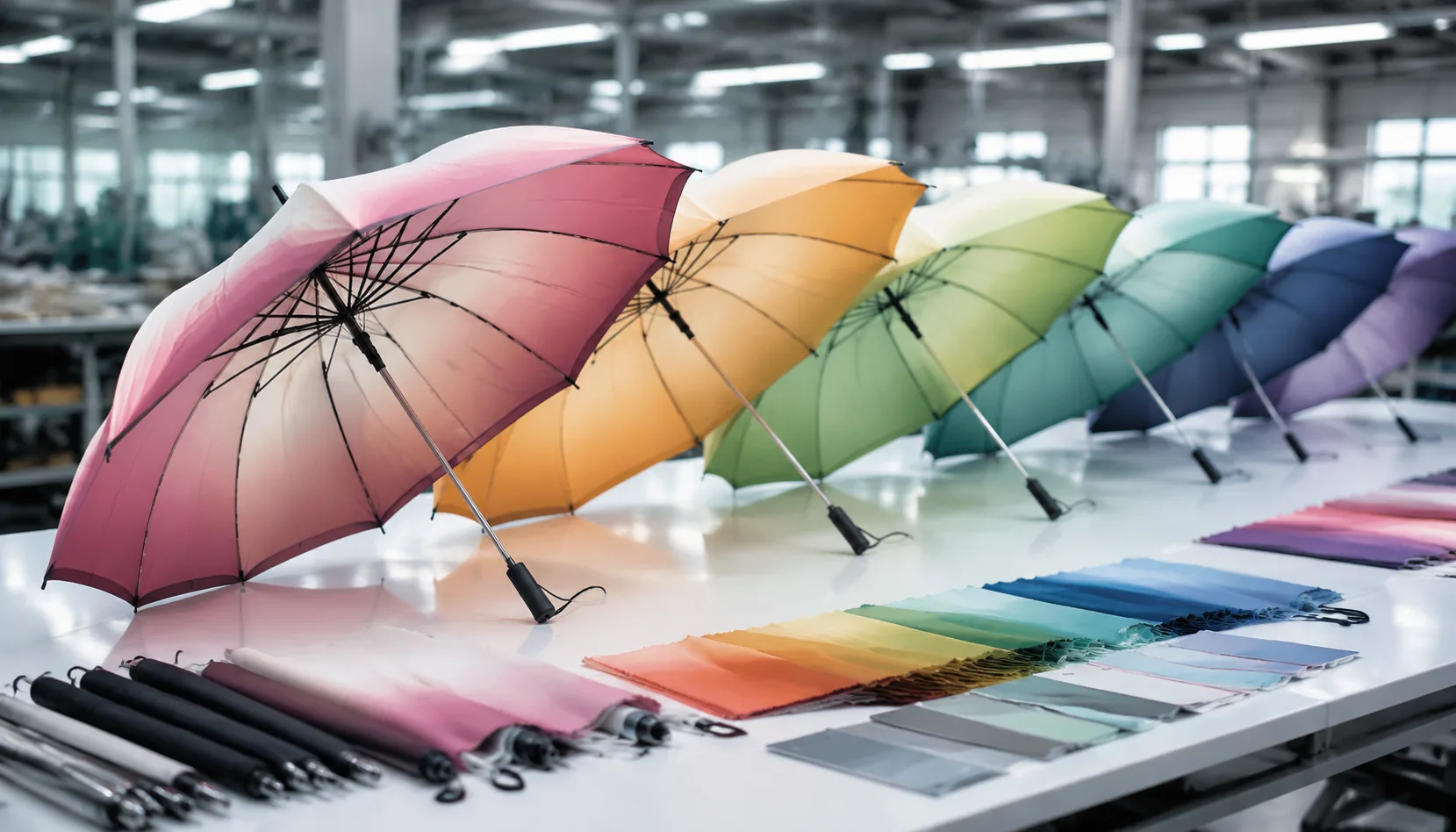
A gradient canopy can look clean on a screen but turn muddy fast when fabric coating, panel cutting, and seam alignment are not planned together. For brand buyers, gradient umbrella printing means locking the artwork, fabric, proofing method, MOQ, lead time, and QC checkpoints before bulk production starts. On our Songxia factory floor, the biggest savings usually come from catching color shift and panel mismatch at strike-off, not after hundreds of campaign umbrellas are already assembled.
When Gradient Printing Fits a Brand Campaign
Gradient umbrella printing fits campaigns where the canopy is part of the story, not just a place to park a logo. For event launches, I like it when the umbrella has to read well in crowd photos: a sunset fade for a beverage rollout, a blue-to-silver tech gradient for a product reveal, or a city-skyline photographic canopy print for a tourism board. On a 23" or 27" canopy, eight panels give enough surface area for color movement, but the artwork must be built panel by panel so the fade does not break awkwardly at the seams. For tourism campaigns, museum retail, and destination gift shops, digital printed umbrellas also let buyers use watercolor maps, heritage architecture, landscape photography, or seasonal artwork that would be impossible with normal spot-color screen printing. The important question is not whether the file looks good on a monitor; it is whether the umbrella still looks intentional after cutting, sewing, rib alignment, and real outdoor use.
Gradients outperform flat logos when the brand wants atmosphere, premium retail value, or strong social-media visibility. Lifestyle brand drops often use tonal fades, abstract photographic textures, or color-block gradients because the umbrella becomes wearable merchandise, closer to a bag or jacket than a giveaway item. For a 190T or 210T pongee canopy, sublimation or digital transfer can hold soft transitions better than screen print, especially on white or light base fabric. POE and PVC clear umbrellas are different: transparent material can look excellent with edge gradients or partial artwork, but dense photographic coverage may show ink banding or reduce the clean see-through effect customers expect. Umbrella color proofing is not optional for this category. Our standard practice at ZheBrella is to check a printed panel proof under D65 lighting and daylight, then compare it against the buyer’s Pantone or CMYK target before bulk cutting, because a violet-blue gradient can shift badly if the fabric coating or heat-transfer temperature is wrong.
A simpler 1-2 color screen print is safer when the campaign is price-sensitive, deadline-heavy, or depends on strict logo compliance. If the order is 3,000 branded campaign umbrellas for a trade show with a 20-day production window, a white logo on navy 190T pongee is usually lower risk than a full-panel photographic layout needing repeated proof corrections. Screen printing also handles bold sponsor marks, QR codes, school crests, and government event logos more predictably, especially when AQL 2.5 inspection must check position, ink adhesion, and color consistency across cartons. Gradients can expose every small production variable: panel grain direction, stitching tolerance, canopy tension, and slight shade difference between fabric rolls. I would avoid gradient umbrella printing when the artwork contains faces crossing seam lines, tiny text near rib pockets, or exact corporate colors blended into complex backgrounds. In those cases, keep the canopy fabric a solid brand color and use a clean spot-color imprint; the umbrella will pass inspection faster and disappoint fewer stakeholders.
Fabric and Frame Specs That Affect Print Quality
For gradient umbrella printing, 210T pongee usually gives the smoother color ramp because the yarn count is tighter and the surface has fewer tiny gaps for ink to visually break. On 190T pongee, a light-to-dark fade can still look good, but very pale gradients and photographic canopy print details show more weave texture, especially under daylight when the canopy is stretched over the ribs. 190T is softer in the hand and cost-efficient for branded campaign umbrellas, but it has slightly more show-through from the underside, so a navy-to-sky-blue fade may look less saturated when viewed against strong sun. 210T pongee holds deeper blacks, cleaner red-to-orange transitions, and sharper logo edges after digital transfer or sublimation. Our standard practice at ZheBrella is to run umbrella color proofing on the actual production fabric, not a paper swatch, because coating, density, and heat-press temperature all shift the final tone.
Panel count changes the artwork more than many buyers expect. An 8K umbrella has 8 larger triangular panels, so a gradient can travel across each panel with fewer seam interruptions, but any circular or panoramic layout needs careful matching at 8 seam lines. A 16K umbrella looks premium and rounder, yet it doubles the number of artwork breaks; a skyline, face, product render, or photographic canopy print must be sliced into narrower wedges, and sewing tolerance of even 2-3 mm can make horizon lines jump. For digital printed umbrellas, I prefer placing critical logos away from seams and rib tips, leaving 10-15 mm safe space near stitch lines. A 23 inch 8K auto-open model is usually the practical promotional choice, while 27 inch golf umbrellas or 30 inch event umbrellas need larger files, wider heat-transfer tables, and stricter panel sorting to keep left-right gradient balance consistent.
Frame choice also affects both print appearance and landed cost. Steel ribs are cheaper and keep the canopy flatter at rest, but they add weight and can bend after a gust; fiberglass ribs flex better and protect the printed canopy from stress whitening near rib pockets. A standard 8K steel frame may suit low-MOQ branded campaign umbrellas, while 8K or 10K fiberglass is safer for retail programs that need wind-tunnel claims around 40-50 mph. A 16K fiberglass frame raises labor cost because there are more ribs, tips, pockets, and seam checks, but it gives a fuller dome and better tension for smooth gradients. Double-canopy vented windproof builds add another complication: the top vent layer creates an intentional artwork break. If the gradient crosses the vent, both layers must be color-proofed together, or the overlap will look like a dark band when the umbrella is open.
Digital Print Setup for Panel-to-Panel Continuity
Panel-to-panel continuity is won or lost before fabric ever reaches the cutter. For gradient umbrella printing, artwork should be built on the actual umbrella panel template, not a flat circle mocked up by a designer. A standard 23" 8K umbrella uses eight triangular panels, while 10K and 16K frames need different arc lengths and rib positions; if the gradient is mapped without those ribs, the color step will jump at every seam. We normally ask for raster artwork at 150–300 dpi at final print size, with photographic canopy print files kept in RGB only until the RIP profile is selected for 190T or 210T pongee. Low-resolution web images may look acceptable on screen but become muddy after sublimation or digital transfer, especially in shadow-to-highlight transitions.
Every panel needs proper bleed and seam allowance, or the best digital file will still sew together badly. I prefer 10–15 mm bleed outside the cut line and a clearly marked 7–10 mm seam allowance, depending on canopy fabric, stitch type, and whether the umbrella uses single-needle or reinforced seam construction. The gradient should extend past the visible panel edge so the sewing operator is not trying to hide a white hairline under tension. For branded campaign umbrellas, logos should usually stay away from seam lines by at least 20 mm unless the buyer accepts distortion where the fabric folds over the rib. With digital printed umbrellas, a continuous sky fade or product background must be split panel by panel, then checked as a sewn canopy layout, not approved from individual triangles only.
Sample strike-offs are mandatory when the campaign depends on color, because gradients do not behave like Pantone spot colors. Umbrella color proofing should include at least one printed fabric swatch and, for serious orders, one assembled pre-production canopy so the buyer can see seam matching under real curve and tension. A reasonable tolerance for digital gradient work is usually Delta E 3–5 across the same fabric lot, while a hard Pantone match on a solid logo may be held tighter if the ink system and coating allow it. Teflon water-repellent finishing, UV coating, and fabric base shade can all shift the result, so approval should reference the final material construction, not just a paper proof or monitor screenshot.
Sampling, MOQ, and Lead Time Planning
For gradient umbrella printing, sampling should start with the print method, not the umbrella size. A smooth fade or photographic canopy print usually needs digital printing or sublimation on white 190T/210T pongee, because screen printing can band at the transition unless the artwork is simplified into solid spot colors. Digital printed umbrellas normally allow lower MOQs than custom-dyed fabric: 100–300 pcs is realistic for many promotional runs, while yarn-dyed or piece-dyed canopy fabric often makes sense from 500–1,000 pcs because the fabric mill has its own dye vat minimum. For a first sample, plan 5–10 days after vector artwork or high-resolution raster files are confirmed, plus 2–3 days for umbrella color proofing if the buyer wants printed strike-offs before assembling the full 23" auto-open or 30" golf umbrella sample.
Production lead time for branded campaign umbrellas commonly runs 25–45 days after final artwork approval, depending on frame type and printing load. A simple 8K steel manual umbrella with one-panel digital print may sit near the low end, while a 10K fiberglass auto-open-close, double-canopy vented windproof model with full-panel gradient artwork takes longer because printing, heat setting, sewing alignment, and AQL 2.5 inspection all add checkpoints. I do not recommend approving mass production from a phone photo of a sample; gradients shift under factory lighting, and polyester with Teflon or UV UPF 50+ coating can dry slightly darker than the screen preview. Our standard practice at ZheBrella is to lock Pantone references for logos, then approve the gradient visually against a physical print swatch.
FOB and DDP planning can decide whether the umbrellas actually arrive before the campaign date. Under FOB Ningbo or Shanghai, the factory controls production and export handover, but the buyer or forwarder controls vessel booking, customs, and final delivery; add 20–35 days by sea to the U.S. West Coast and 30–45 days to many inland U.S. or European destinations. DDP is simpler for event planners because duty, customs clearance, and last-mile trucking are bundled, but it still needs buffer time, especially before Canton Fair season, Christmas promotions, or rainy-season retail launches. For fixed event deadlines, I tell buyers to count backward at least 60–75 days for sea freight DDP, or 35–50 days if using air freight for 100–500 pcs, with artwork approval treated as day zero.
QC Checks Before Bulk Shipment
Bulk shipment QC for gradient umbrella printing starts with the canopy, not the carton count. Gradients expose problems that flat logos hide: nozzle banding, stair-step transitions, muddy mid-tones, and color shift between adjoining panels. For digital printed umbrellas, we inspect every approved production lot against the signed color proof under D65 light, then spot-check under warehouse LED because campaign teams often unpack indoors. A photographic canopy print needs tighter visual control than a one-color silkscreen job; faces, skies, product shots, and soft shadow areas are where a 5% magenta drift or weak black density becomes obvious. Panel joins are checked on fully opened umbrellas, not loose fabric, because a misaligned seam can break a circular gradient or make a brand mark look tilted even when each individual panel was printed correctly.
Our standard practice at ZheBrella is AQL 2.5 for major defects, with critical defects rejected outright: fabric stains, oil marks from sewing machines, missing stitches at tips, cracked coating, sharp burrs on ribs, and loose ferrules. Print rub resistance is tested with dry and damp white cotton cloth, usually 10 back-and-forth strokes on dark and high-saturation areas; obvious transfer means the curing temperature, ink load, or post-treatment was wrong. On 190T and 210T pongee, we also check whether Teflon or UV UPF 50+ coatings have dulled the gradient or caused speckling after heat fixation. For POE, PVC, or EVA canopies, adhesion is more sensitive, so we flex the printed area and inspect for whitening or flaking along fold lines.
Before release, branded campaign umbrellas are assembled and function-tested because a perfect canopy is still a failed shipment if the runner jams during an event rollout. Manual, auto-open, and auto-open-close models are opened and closed repeatedly; for auto-open styles we check button force, spring response, shaft lock, and whether the canopy seats evenly without twisting the printed layout. Carton labeling is treated as part of QC: campaign name, SKU, artwork version, colorway, quantity, destination, PO number, and carton sequence must match the packing list. For multi-city rollouts, mixed labeling errors cost more than a minor sewing defect, so master cartons are photographed before sealing and pallet marks are verified against FOB or DDP shipping documents.
Frequently Asked Questions
Can gradient umbrella prints be matched exactly to Pantone colors?
Not exactly across the whole gradient. A factory can target key Pantone anchor colors, but digital printing on 190T or 210T pongee will have normal tolerance due to fabric, coating, and ink absorption.
Are gradient prints suitable for windproof umbrellas?
Yes, but double-canopy windproof umbrellas add more print surfaces and alignment points. Artwork should be reviewed on the exact 8K or 16K template before sampling.
What fabric works best for gradient or photographic umbrella canopy printing?
Pongee polyester is the most common choice for campaign umbrellas because it gives smooth color transitions and good water resistance after coating. For sharper photo detail, buyers often use 190T or 210T pongee with digital transfer or sublimation printing.
How is color proofing handled for gradient umbrella orders?
A factory usually provides a digital mockup first, then a printed fabric swatch or full canopy sample for approval. Allow about 5–10 days for physical proofing, especially when Pantone matching or photographic color accuracy is required.
What MOQ and lead time should importers expect for digital printed campaign umbrellas?
Typical MOQ for digitally printed umbrellas is around 500–1,000 pieces per design, depending on size, frame, and print method. Bulk production usually takes 25–45 days after sample approval and deposit.
Looking to Launch Your Custom Umbrella Line?
ZheBrella is a Zhejiang-based OEM/ODM umbrella manufacturer with 17 years of export experience. Free design, low MOQ from 100 pieces, windproof construction, full-color print.
Get Free Quote Now »People Also Search For
Related Articles
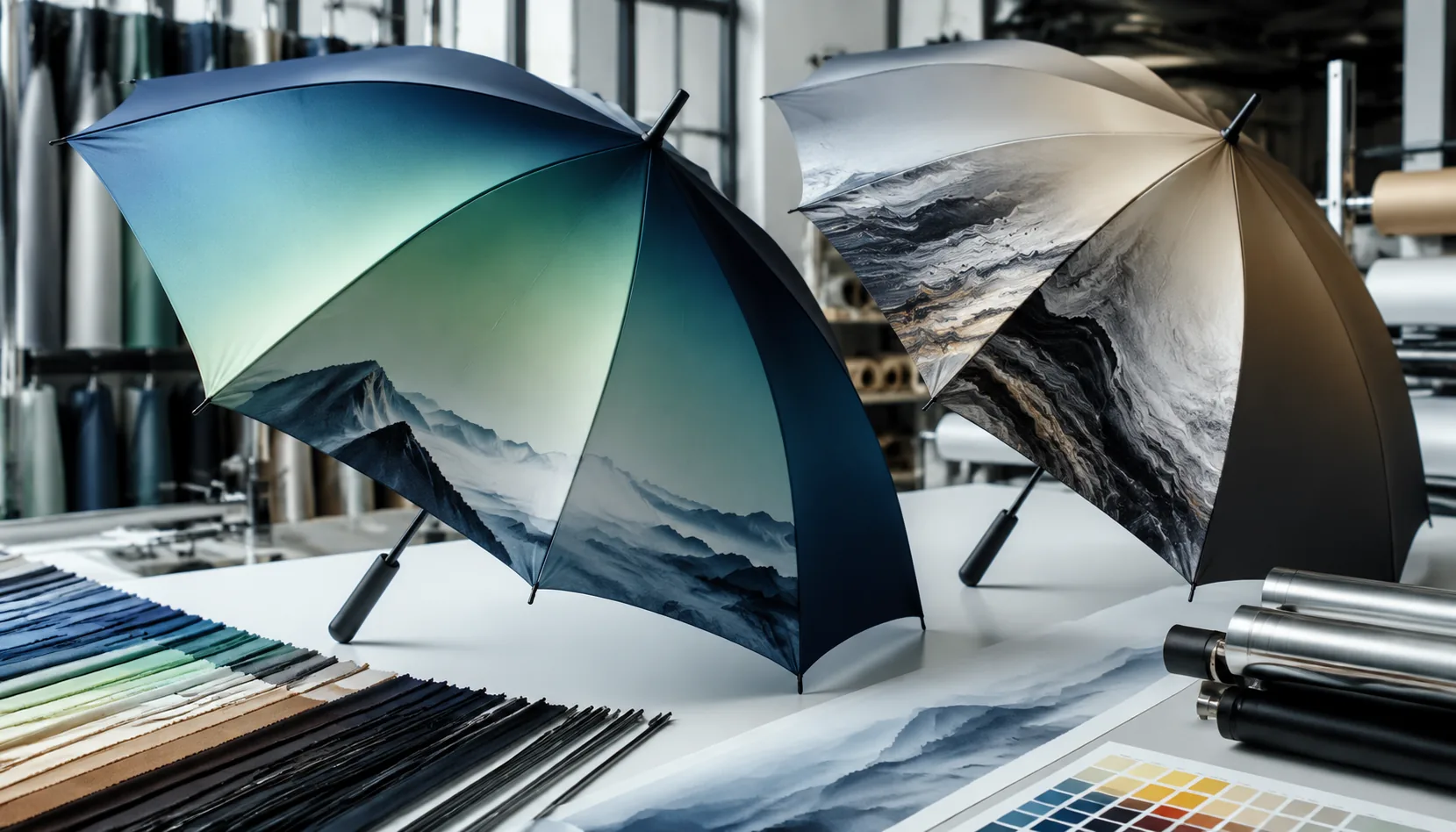
Gradient and Photographic Umbrella Prints for Brand Campaigns
Plan photo, gradient, and all-over digital umbrella prints with file specs, 190T/210T fabric choices, panel seams, lead ...
Read More »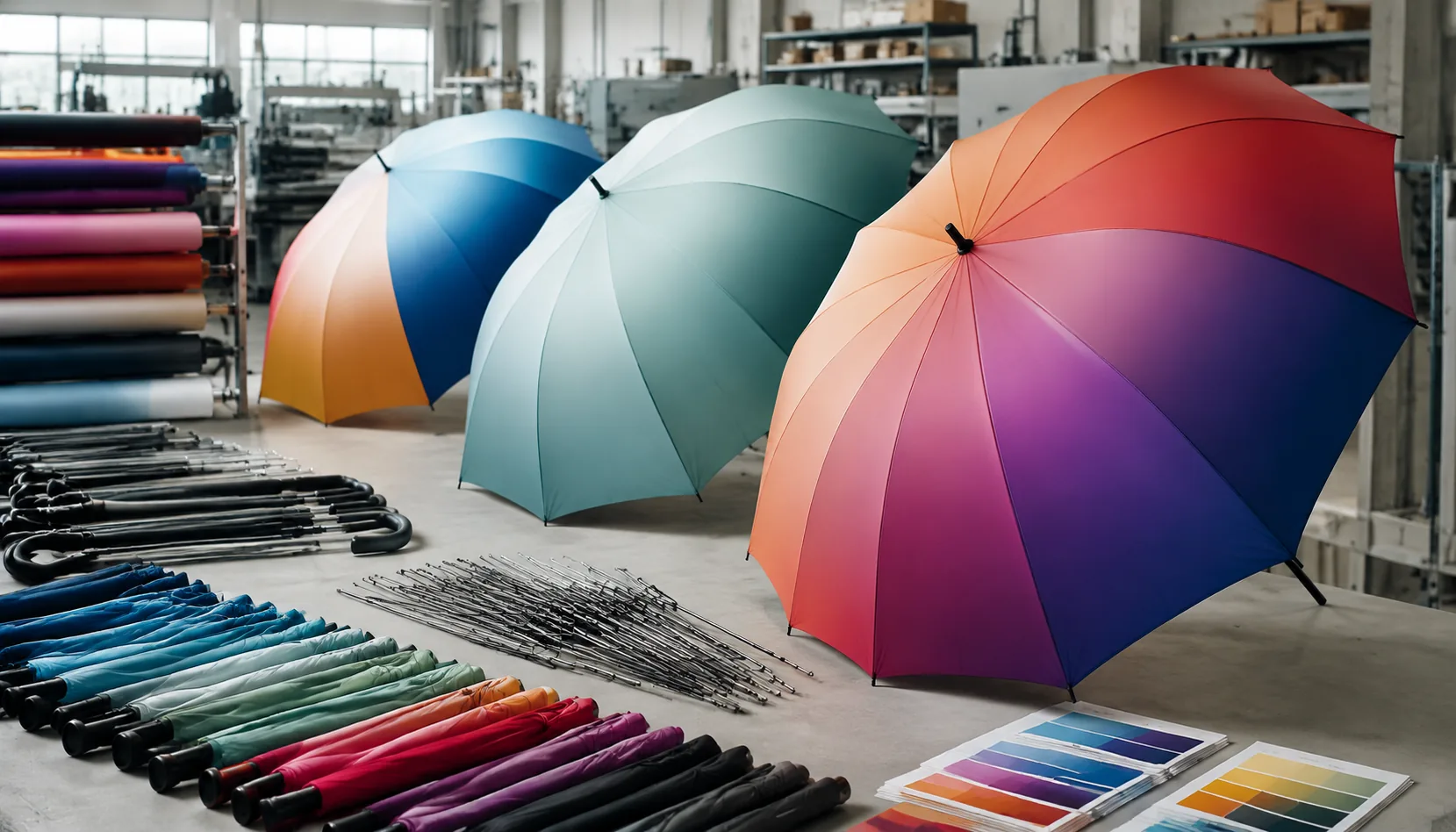
Gradient Umbrella Printing for Branded Color Campaigns
Learn how to specify gradient umbrella prints with realistic color transitions, fabric choices, sampling steps, and prod...
Read More »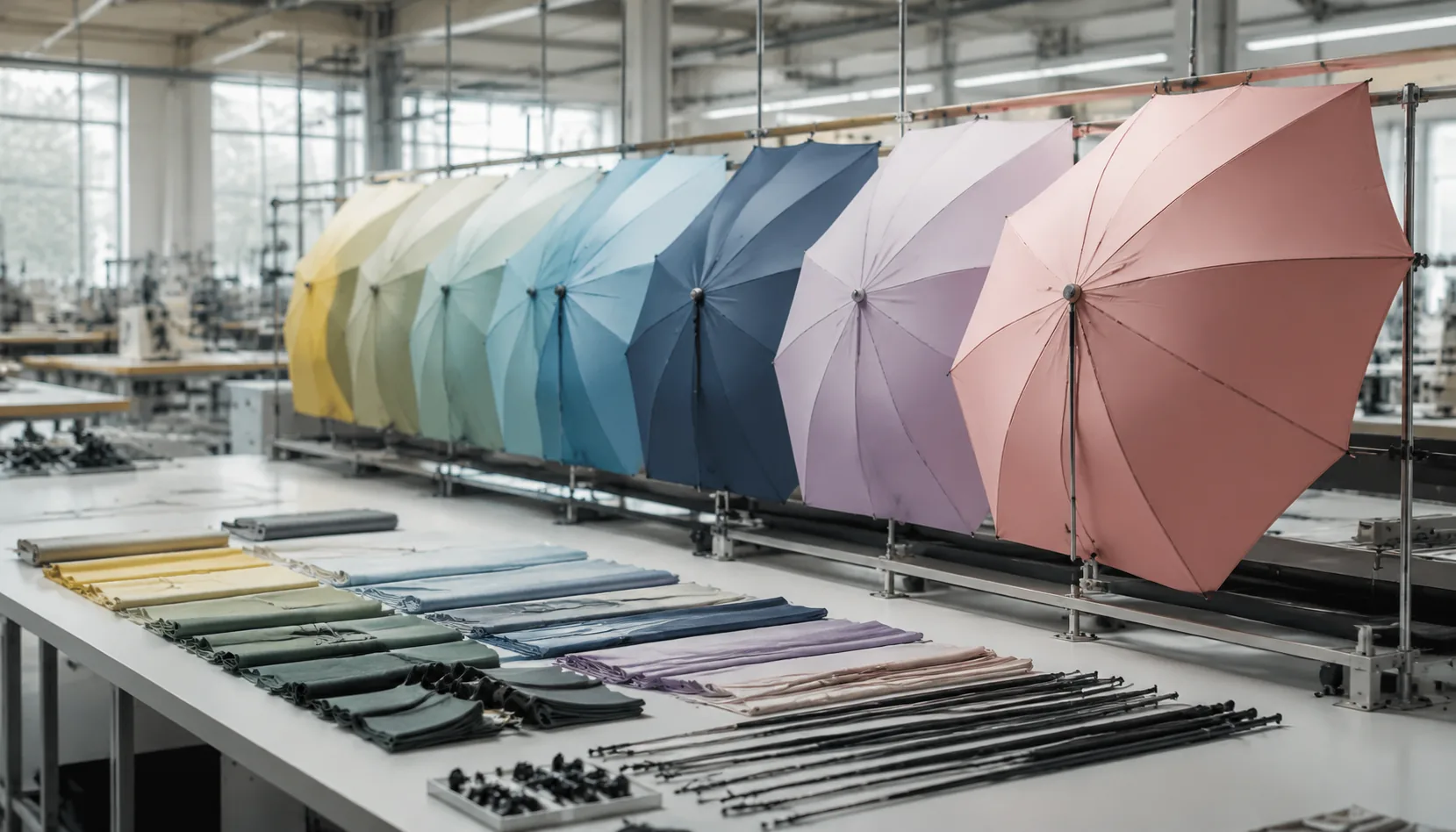
Gradient Color Umbrella Canopies for Retail Brand Lines
Build gradient umbrella designs with realistic color control, panel matching, fabric choices, and approval steps for ret...
Read More »