Umbrella Logo Proofing: Strike-Offs, Mockups, and Approval
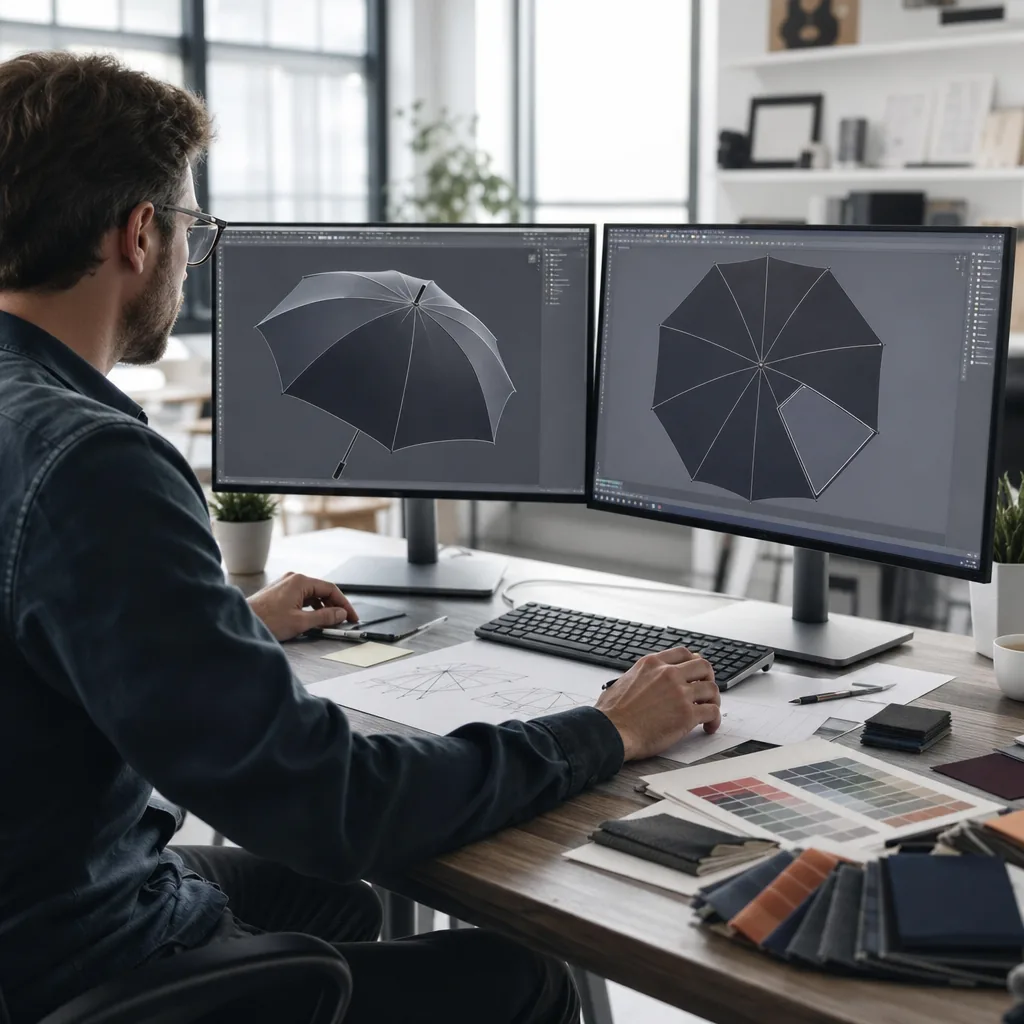
For umbrella buyers, logo approval is often where a smooth order turns into delay: a Pantone that looks fine on screen can shift on coated canopy fabric, and a small placement error becomes costly across thousands of units. The umbrella logo proofing process has to move from digital mockup to strike-off and pre-production sample with clear limits for color, registration, and print finish. On the factory floor, that means checking ink behavior, fabric stretch, and curing conditions before anyone signs off.
What to approve before production starts
Before any canopy cutting starts, the buyer should sign off the artwork file in production format, not a screenshot from a deck. For screen printing, we need vector AI, EPS, or PDF with Pantone Solid Coated references; for heat transfer and sublimation, a 300 dpi raster file at actual print size can work if the edges are clean. The umbrella logo proofing process should lock the logo width, height, color count, and print method panel by panel. A 180 mm logo on one panel of a 23" umbrella behaves differently from the same logo wrapped across two panels, because seams, panel curvature, and rib tension can visually distort straight lines. I always ask buyers to approve a branded umbrella mockup with dimensions marked in millimeters, including distance from the bottom hem, side seam, and rib line. If those measurements are missing, the factory floor has to guess, and guesses become expensive when 5,000 canopies are already printed.
Fabric approval matters because 190T and 210T pongee do not print exactly the same. 190T pongee is lighter and common for promotional umbrellas, but a large white logo can show more weave texture and slight ink spread, especially on dark navy or black. 210T pongee has a tighter hand feel and usually gives cleaner edges for corporate logos, though it increases material cost and folding bulk. If the order uses UV coating, Teflon water-repellent treatment, or UPF 50+ silver backing, approve which side is printed and whether the coating is applied before or after printing. A strike-off umbrella sample should show the actual fabric, coating, ink color, and logo size, not just a paper color proof. For multi-panel printing, confirm whether the design crosses seams; even with good sewing, a 2–3 mm alignment tolerance is normal on umbrella canopies.
Frame construction also needs written approval because rib count changes the available print area. An 8K umbrella has eight wider panels, so each panel gives more usable logo space and simpler placement; a 16K umbrella has narrower panels, more seams, and a more premium round shape, but the logo area per panel is smaller. On a 23" 8K canopy, a single-panel logo may comfortably sit around 160–200 mm wide, while on a 16K version the same logo may need reduction or repositioning to avoid rib interference. The pre-production umbrella sample or production approval sample should confirm size, rib count, rib material, runner mechanism, handle, canopy fabric, and logo position in one physical unit. Our standard practice at ZheBrella is not to release bulk printing until the signed sample, approved mockup, and purchase order specifications match; that prevents arguments later about whether the order was supposed to be 8K steel, 8K fiberglass, or 16K windproof.
Strike-off samples versus digital mockups
A digital proof is enough when the logo is simple, the canopy is a standard color, and the print method has already been proven on that fabric. For example, a one-color white screen print on navy 190T pongee, placed on one panel of a 23" manual straight umbrella, does not usually need a physical test if the buyer accepts normal screen-print tolerance of about ±2 mm. A branded umbrella mockup is useful for checking logo size, panel position, orientation, and whether the artwork reads correctly across 8K or 10K panels. It is not a reliable tool for judging ink opacity, metallic ink behavior, color shift on coated fabric, or how a logo will look when the umbrella is opened into its real dome shape. In the umbrella logo proofing process, I treat digital mockups as layout approvals, not production approvals.
A physical strike-off umbrella sample is needed when the logo uses Pantone-critical colors, gradient heat transfer, fine text under 1.5 mm, reflective ink, full-panel sublimation, or printing over bright red, black, royal blue, or coated canopy cloth. The strike-off should be printed on the actual material: 190T or 210T pongee, POE, PVC, EVA, or silver-coated UV fabric, not on a random flat fabric swatch. Ink sits differently on Teflon-treated pongee than on untreated polyester, and heat-transfer film can become slightly glossy or stiff after pressing. For retail and corporate orders above 1,000 pieces, I prefer a strike-off before making a pre-production umbrella sample because it catches the expensive mistakes early, before frame assembly, sewing, tips, sleeves, and cartons are involved.
Buyers should check the strike-off under daylight, not only under office LEDs, because cool lighting hides weak opacity and warm lighting can make reds and oranges look acceptable when they are not. Open the umbrella fully and compare the print across curved panels, especially on auto-open and auto-open-close styles where spring tension pulls the canopy tighter than a manual frame. On 21" and 23" compact umbrellas, the panel curve can visually compress a round logo into a slight oval; on 27" and 30" golf umbrellas, the larger print area makes registration drift more obvious. Inspect whether the logo crosses a seam, whether the top cap or runner shadows the artwork, and whether the print cracks after five open-close cycles. A production approval sample should confirm the final artwork, canopy color, frame, handle, sleeve, and packaging before bulk cutting starts.
How to set color tolerance and alignment rules
Color tolerance should be written as a measurable rule before the pre-production umbrella sample is made, not argued after the carton is packed. For most corporate logos on 190T or 210T pongee, I recommend Pantone Solid Coated as the master reference, with a practical tolerance of Delta E 2.0 to 3.0 under D65 light for screen print and heat transfer. Sublimation on white pongee can usually stay tighter, around Delta E 2.0, but sublimation on dark fabric or coated polyester needs wider judgment because the ground color shifts the result. Metallic gold, fluorescent orange, and very dense navy are problem colors; approve them from a physical strike-off umbrella sample, not only a PDF. In the umbrella logo proofing process, the buyer should state whether the color is judged wet or dry, indoors or outdoors, and whether Teflon, UV UPF 50+, or PU coating is already applied, because coatings can dull the ink by one visible shade.
Alignment rules need the same discipline. A logo centered on one panel of a 23-inch 8K stick umbrella should usually hold within plus or minus 3 mm from the panel centerline and plus or minus 5 mm from the approved vertical position. On larger 27-inch or 30-inch golf umbrellas, 5 mm horizontal tolerance is realistic because the panel curve and sewing tension change after canopy assembly. Keep important text at least 20 to 25 mm away from seam breaks, rib tips, and the lower hem; anything closer risks distortion when the canopy is stretched over steel or fiberglass ribs. For multi-panel layouts or a repeat border print, registration across seams should be defined clearly: for example, color-to-color registration within 1.5 mm on the same panel, and pattern continuation across sewn seams within 4 mm. A branded umbrella mockup can show intent, but it cannot prove fabric stretch, needle take-up, or how the logo looks when the umbrella is open under rib tension.
Pass/fail standards for multi-color logos should separate critical defects from minor variation. Wrong Pantone, missing color, reversed artwork, unreadable text, ink bleeding over 1 mm, or a logo rotated more than 3 degrees should be automatic rejection. Small pinholes under 0.5 mm, a slight hand-print texture on heavy ink, or a seam mismatch within the written tolerance can be minor defects under AQL 2.5 inspection. Our standard practice at ZheBrella is to keep the signed production approval sample, printed fabric strike-off, Pantone reference, and final artwork file together in the job folder, because repeat orders often fail when the factory only follows an old photo. For reorders, define whether the new batch must match the original production approval sample or the current Pantone book; paper Pantone guides age, and fabric batches vary. A good umbrella logo proofing process records the exact print method, mesh count or transfer temperature, fabric lot, coating, and approved tolerance so the second order does not become a new development project.
How approvals affect MOQ and lead times
Approvals control the production calendar more than buyers expect. In a normal umbrella logo proofing process, a digital branded umbrella mockup can be turned in 24–48 hours, but a physical strike-off umbrella sample usually adds 3–7 days before bulk production can start. That time includes film output or heat-transfer plate setup, ink matching, drying, inspection under daylight and lightbox, and courier time if the buyer wants the sample in hand. If the first round comes back with a PMS color adjustment, logo size change, or placement move from one panel to two panels, the clock resets. For a 23" 8K auto-open umbrella in 190T pongee, this delay may not hurt if greige fabric and standard frames are already in stock. For a custom 30" golf umbrella with fiberglass shaft, double-canopy venting, and UPF 50+ coating, the approval delay can push fabric cutting, rib assembly, and sewing line booking into the next production slot.
MOQ decides whether a factory can justify a dedicated proof or only a controlled sample using available materials. For a 300-piece promotional order, many factories will provide a printed panel strike-off instead of building a full pre-production umbrella sample, because opening frame assembly, cutting canopy panels, and sewing one finished unit consumes the same technician time as preparing a small batch. At 1,000–3,000 pieces, a full production approval sample becomes more reasonable, especially when the logo uses screen printing across multiple panels, reflective tape, color-matched handles, or nonstandard POE/PVC/EVA canopy materials. Our standard practice at ZheBrella is to separate artwork approval from material approval: confirm logo size, PMS color, and position on the strike-off first, then confirm the complete umbrella construction only when the order value supports it. This keeps sampling cost honest and avoids pretending a one-piece sample represents a stable mass-production process.
FOB or DDP terms should be confirmed before sampling if packaging, labeling, carton marks, or compliance documents affect the sample. Under FOB Ningbo or Shanghai, the buyer may handle import, duty, and final delivery, so the sample can focus on canopy, frame, print, hangtag, and master carton basics. Under DDP, the factory must price freight, duty, customs clearance risk, Amazon FBA or retail routing rules, and sometimes barcode or warning-label requirements before the production approval sample is frozen. These details change lead time because printed sleeves, UPC stickers, inner cartons, and drop-test packaging may need separate approval. A clean umbrella logo proofing process locks commercial terms early: MOQ, sample type, Incoterm, delivery address, and approval authority should all be written on the proforma invoice. Without that, a buyer may approve the logo on Monday and still lose a week because the shipping method, carton size, or destination labeling was never confirmed.
What to archive for repeat umbrella orders
For repeat umbrella orders, archive the approved sample photo first, because that is the fastest reference when sales, QC, and the factory are checking what was actually signed off. Keep the final artwork file in vector format, plus the branded umbrella mockup used during the umbrella logo proofing process, so the print position, Pantone references, and logo scale do not drift on reorders. A pre-production umbrella sample and, if there was printing involved, the strike-off umbrella sample should both be logged with date, order number, and fabric panel layout. Our standard practice at ZheBrella is to attach the fabric code, panel size, rib specification, and opening mechanism to the same record, because a 23" automatic-open frame with fiberglass ribs is not interchangeable with a 27" steel-rib model once production starts. That archive should also note canopy type, such as 190T pongee, 210T pongee, POE, or PVC, since color and print behavior change across materials.
The record should not stop at visuals. Store the production approval sample status, QC notes, and any deviations approved during sampling, such as print shift tolerance, seam placement, handle color, or vent construction on a double-canopy windproof model. If the buyer approved by photo instead of physical handoff, save that signed approval record with timestamps and the responsible names; it reduces disputes later, especially when the shipment is being checked under AQL 2.5 and someone claims the logo size or panel shade is different from approval. For the umbrella logo proofing process, I also keep a short note on whether approval came from a pre-production umbrella sample or a corrected strike-off umbrella sample, because that tells you which version is the true reference if there is a claim. On repeat orders, those files save days of back-and-forth and prevent the usual argument over whether the run matched the sample or somebody’s memory.
Frequently Asked Questions
Do I always need a physical strike-off for umbrella logos?
Not always. For a single-color logo on the same fabric and frame, a digital mockup may be enough, but new colors, new fabrics, or a change from 8K to 16K panels should usually get a physical strike-off.
How long should the approval stage be planned for?
Most buyers should allow 3-7 days for mockups and strike-offs, plus courier time if the sample must be sent for sign-off. Multi-color artwork or revisions can add another round.
How many approval stages are typical for a custom umbrella logo order?
Most OEM umbrella orders use 3 stages: a digital mockup, a strike-off or print proof, and a production approval sample. For complex logos or multi-color decoration, some factories add a second strike-off before mass production.
What color tolerance should a buyer expect on umbrella logo proofs?
For screen printing and heat transfer, many factories target a reasonable Pantone match with a small tolerance, often around one shade variation due to fabric texture and ink absorption. Ask the supplier to confirm the reference Pantone code and approve under daylight or standardized lighting.
Is a pre-production umbrella sample the same as the final bulk order?
It should match the final spec for canopy fabric, frame, handle, and logo placement, but minor hand-finished differences can still happen. Buyers usually use the pre-production sample as the final sign-off before mass production starts.
Looking to Launch Your Custom Umbrella Line?
ZheBrella is a Zhejiang-based OEM/ODM umbrella manufacturer with 17 years of export experience. Free design, low MOQ from 100 pieces, windproof construction, full-color print.
Get Free Quote Now »People Also Search For
Related Articles
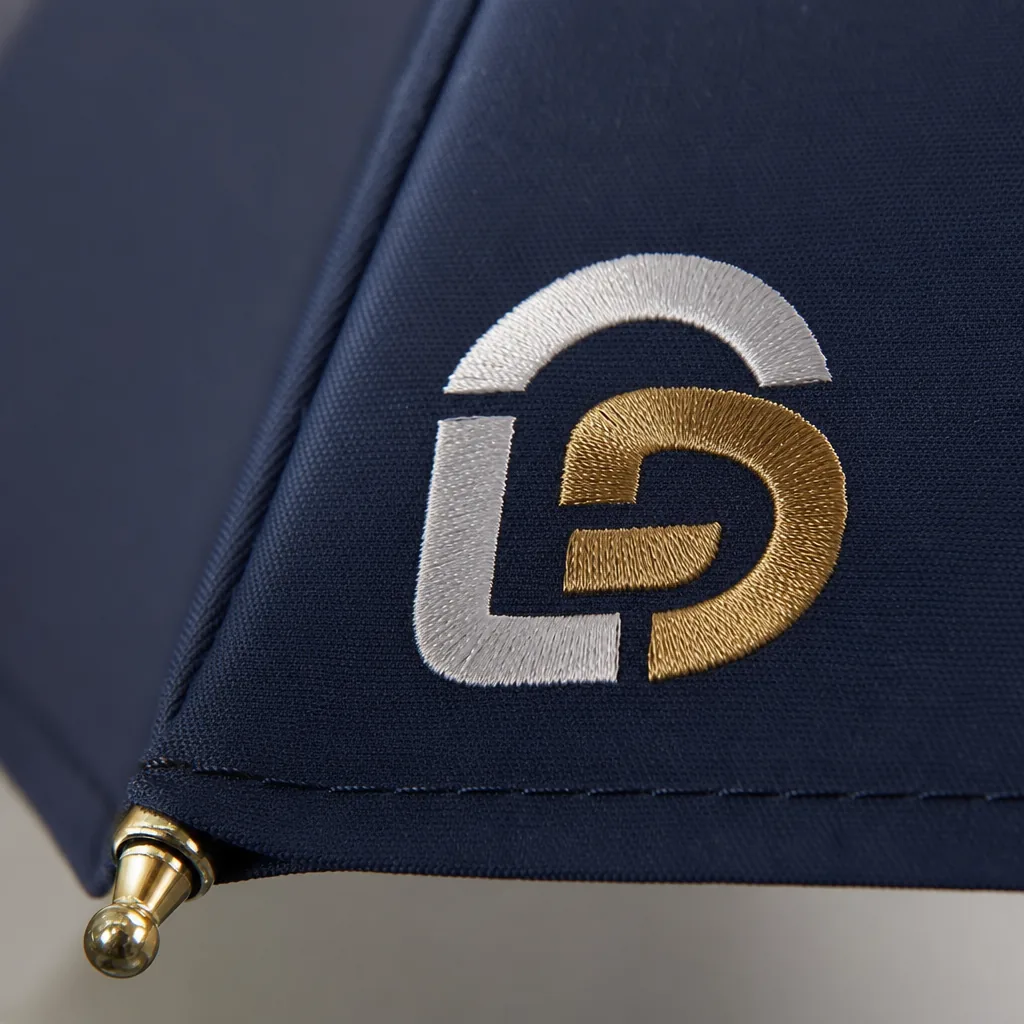
Umbrella Print Mockups and Color Proofs for Buyer Approval
Build a cleaner approval process for printed umbrellas with mockups, color proofs, and sample checks that reduce rework ...
Read More »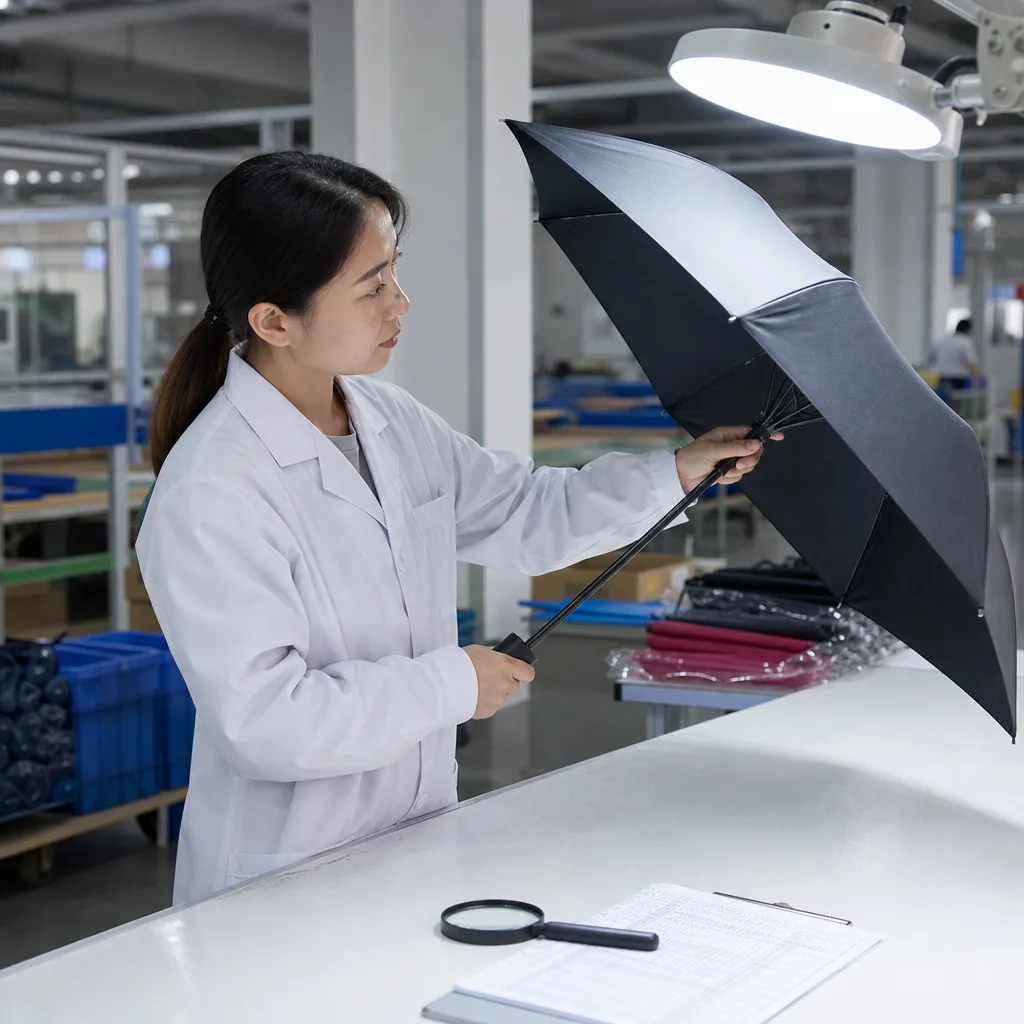
Umbrella Sample Approval Process for OEM Brand Orders
Learn how to approve umbrella samples faster with clear checkpoints for materials, print color, mechanism feel, and pre-...
Read More »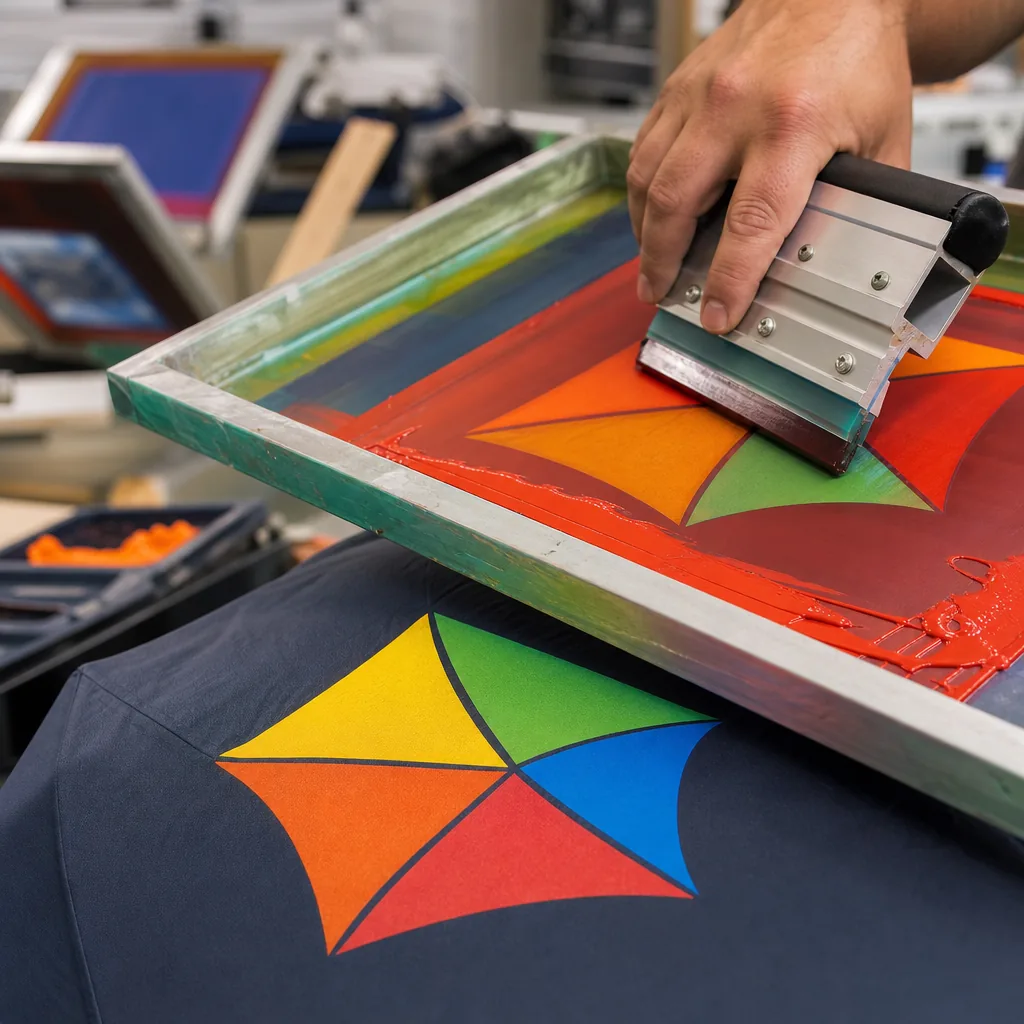
Umbrella Factory PPAP: How to Approve Parts Before Mass Run
Learn how umbrella PPAP-style approvals reduce defects by locking materials, dimensions, and golden samples before bulk ...
Read More »